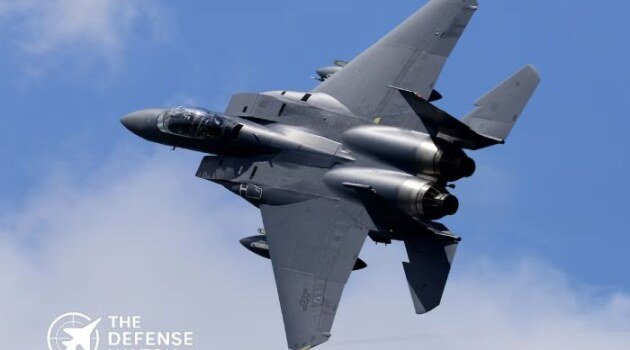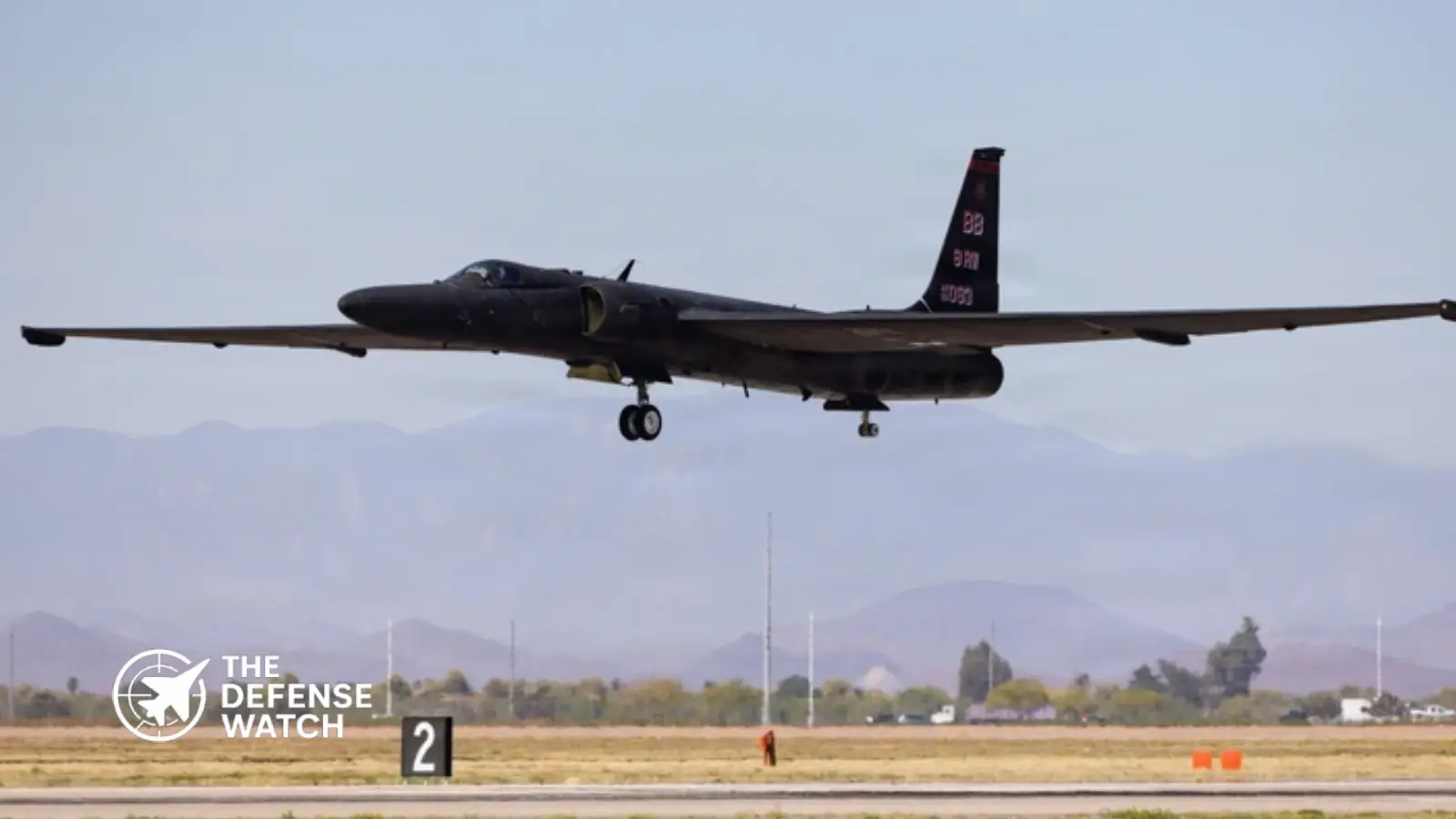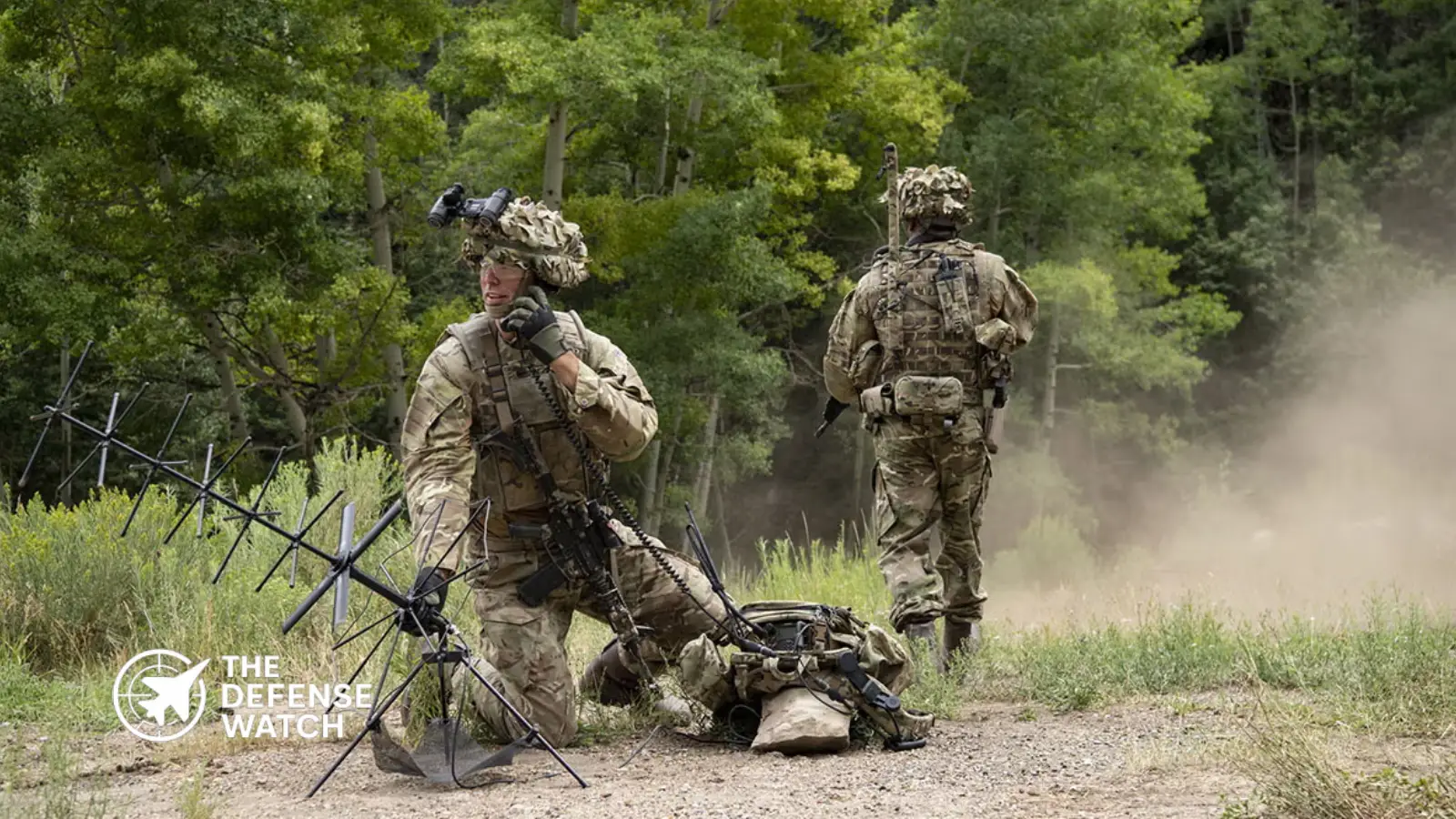
Executive Summary: The United Kingdom has expressed support for a potential Swedish Saab Gripen fighter arrangement for Ukraine, signaling continued Western efforts to strengthen Kyiv’s long term air combat capability. The move reflects growing coordination among European allies as Ukraine seeks to diversify beyond F-16 platforms and improve operational resilience.
United Kingdom Backs Gripen Fighter Deal For Ukraine
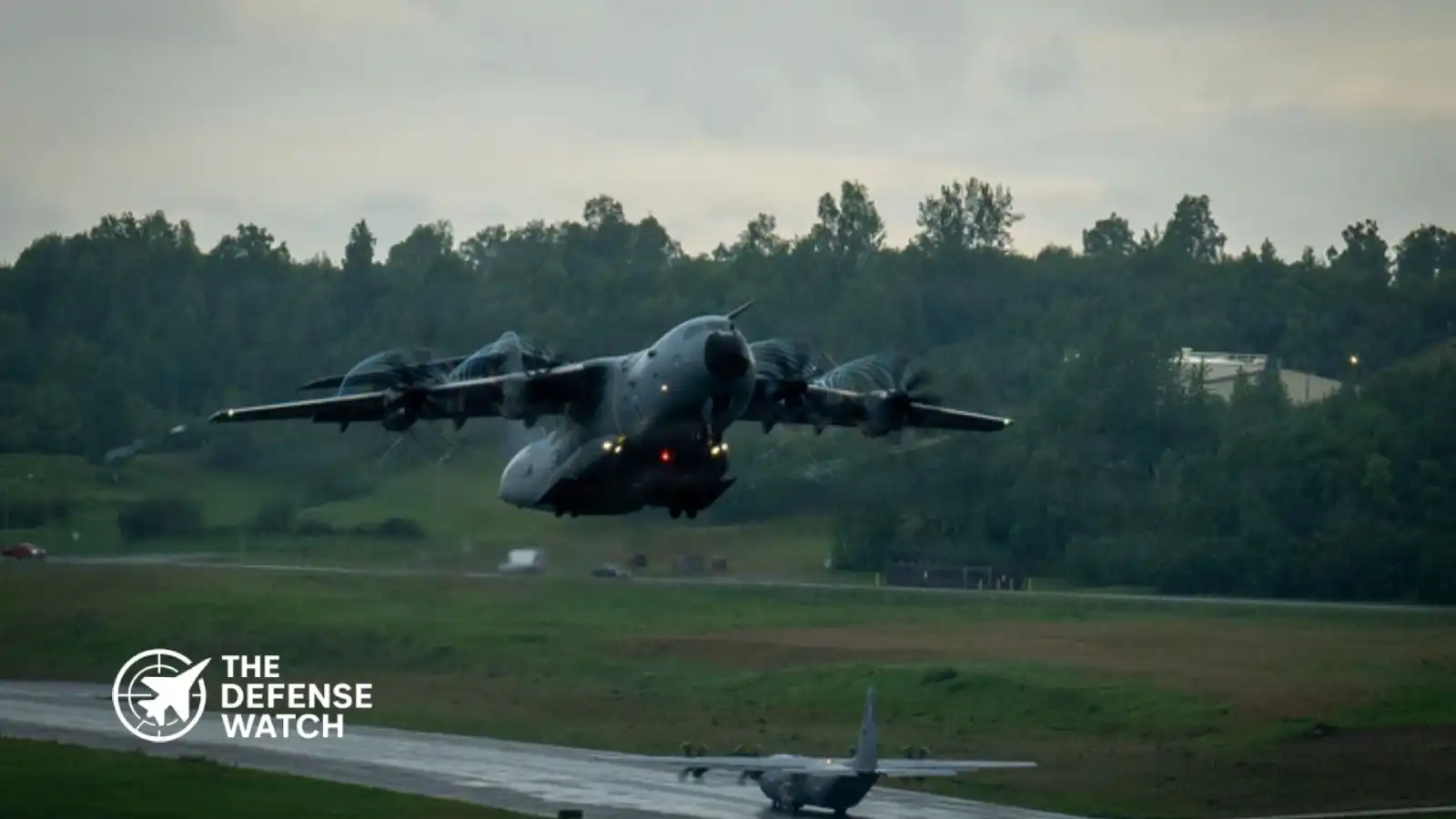
The United Kingdom’s support for a potential Swedish Gripen fighter transfer to Ukraine marks another step in the broader Western effort to modernize Kyiv’s combat aviation capability. According to reports, British officials have indicated support for discussions involving the possible supply of Saab JAS 39 Gripen aircraft to the Ukrainian Air Force.
The development comes as Ukraine continues integrating Western combat aircraft into operations while seeking a more sustainable and dispersed fighter structure capable of operating under wartime conditions. The Saab Gripen has increasingly drawn attention among defense planners because of its ability to operate from short and improvised runways, relatively low maintenance demands, and compatibility with NATO-standard systems.
Unlike larger Western fighter platforms that often require extensive logistics infrastructure, the Gripen was originally designed by Sweden for high survivability in a contested European environment. That operational concept aligns closely with Ukraine’s current battlefield conditions, where airbases remain vulnerable to Russian missile and drone strikes.
Why The Gripen Matters For Ukraine
The potential Gripen fighter deal carries strategic significance beyond the aircraft itself. Ukraine’s current Western fighter transition has largely centered on the Lockheed Martin F-16, supported by several NATO members. However, military analysts have consistently noted that maintaining a diverse fleet could improve operational flexibility and reduce dependence on a single supply and training ecosystem.
The Saab Gripen offers several capabilities that could complement Ukraine’s existing and planned air assets. The aircraft is equipped for air defense, precision strike, and reconnaissance missions while maintaining relatively low operating costs compared to heavier multirole fighters.
One of the aircraft’s key advantages is its rapid turnaround capability. Swedish doctrine allows small ground crews and conscript personnel to rearm and refuel the aircraft quickly from dispersed locations. In Ukraine’s operational environment, where survivability and mobility are critical, such a concept could provide meaningful advantages.
The aircraft’s integration with advanced European air-to-air missiles, including the MBDA Meteor beyond visual range missile, is also viewed as strategically important. If approved for export and integration into Ukrainian operations, such systems could potentially strengthen Ukraine’s long range aerial engagement capability.
Britain’s Role In The Discussions
The United Kingdom has played a central role in building international support for Ukraine’s airpower modernization. British officials have previously assisted in pilot training initiatives and coalition building efforts involving Western combat aircraft.
London’s backing of a Gripen-related arrangement also reflects broader European defense coordination. Sweden, now a NATO member, has gradually expanded military support to Ukraine while balancing domestic defense requirements and alliance commitments.
Any formal transfer of Gripen fighters would likely require extensive multinational coordination involving pilot training, sustainment support, spare parts, and weapons integration. Export approvals from Sweden and consultations among NATO partners would also be necessary before any operational deployment.
British support could therefore help accelerate diplomatic and logistical planning even if a final aircraft transfer decision remains under discussion.
Saab Gripen’s Operational Profile
The Saab JAS 39 Gripen was developed during the Cold War to defend Sweden against a technologically advanced adversary while operating in austere conditions. That background shaped an aircraft optimized for dispersed basing, survivability, and reduced maintenance complexity.
The fighter combines modern avionics, electronic warfare systems, and multirole capability within a relatively lightweight design. Current Gripen variants are capable of conducting air superiority missions, electronic attack operations, and precision strikes using NATO-compatible munitions.
Defense analysts have repeatedly compared the aircraft favorably in environments where runway vulnerability and rapid sortie generation are major operational concerns. Ukraine’s continued exposure to long range Russian strikes has renewed attention on these characteristics.
The Gripen also offers interoperability advantages with broader European defense infrastructure. Several NATO and partner nations already operate or have evaluated the aircraft, creating potential opportunities for training and sustainment cooperation.
Strategic Implications For Europe
The United Kingdom’s support for the Gripen proposal highlights a wider European shift toward long term defense planning for Ukraine rather than short term battlefield assistance alone.
Western governments increasingly appear focused on helping Ukraine establish a durable post Soviet military structure integrated with NATO standards. Combat aviation remains one of the most complex parts of that transition because of the training timelines, maintenance requirements, and operational integration challenges involved.
A potential Gripen arrangement would also deepen defense industrial cooperation between Britain, Sweden, and allied European partners. It may further reinforce Europe’s effort to expand regional defense production and reduce dependence on limited aircraft inventories.
At the same time, officials remain cautious regarding escalation risks and force availability. Sweden must balance support for Ukraine against maintaining readiness for its own armed forces during a period of heightened regional security concerns in Northern Europe and the Baltic region.
Outlook
No final agreement on a Gripen transfer to Ukraine has been publicly confirmed. However, British support for the discussions signals continued momentum behind Ukraine’s long term airpower modernization effort.
As the conflict evolves, Western governments are increasingly prioritizing systems that can survive in heavily contested environments while remaining sustainable over extended periods. In that context, the Saab Gripen’s dispersed operations model and lower logistical footprint continue to attract attention among defense planners evaluating future support options for Ukraine.
Executive Summary:
The UK Ministry of Defence is facing renewed scrutiny after lawmakers warned the department remains exposed to an estimated £1.5 billion annual fraud risk. A new parliamentary report says weak leadership, fragmented oversight, and insufficient use of technology are limiting the MoD’s ability to protect defense funding at a time of growing military spending commitments.
UK MoD Fraud Risk Draws Parliamentary Scrutiny
The UK MoD fraud risk has become a major concern for British lawmakers following the release of a new report from the UK Parliament’s Public Accounts Committee (PAC), which criticized the Ministry of Defence for failing to adequately address economic crime and procurement fraud.
According to the committee, the MoD remains exposed to approximately £1.5 billion in potential annual fraud losses, while recovering only 48 pence for every pound spent on counter-fraud activity over the past four years.
The report argues that the department lacks the leadership focus and organizational coordination needed to reduce financial losses tied to procurement abuse, contractor overbilling, and other forms of economic misconduct.
The findings arrive as the UK government seeks to expand defense spending amid heightened security concerns across Europe and continued pressure from NATO allies to strengthen military readiness.
Procurement Identified As Major Vulnerability
Lawmakers identified defense procurement as one of the highest-risk areas for fraud exposure inside the ministry.
The PAC report highlighted concerns that suppliers may repeatedly submit inflated or invalid claims despite the MoD maintaining open-book access to contractor financial data. During the 2024-25 financial year alone, the department reportedly halted roughly £400 million in contract payments it considered invalid.
The committee warned this pattern suggests dishonest behavior may not be adequately deterred under existing oversight mechanisms.
Sir Geoffrey Clifton-Brown, chair of the Public Accounts Committee, said the apparent normalization of fraud within parts of the procurement process reflects wider structural weaknesses across the department.
He added that the MoD still lacks an overarching strategy for tackling fraud and economic crime, despite longstanding concerns surrounding acquisition inefficiencies and financial management.
The criticism adds to broader pressure already facing the British defense establishment over delayed modernization plans and affordability concerns linked to future force development.
Leadership And Accountability Concerns
The parliamentary report also criticized what it described as siloed working practices and weak ownership structures inside the Ministry of Defence.
Lawmakers said inconsistent coordination between departments responsible for fraud prevention has reduced operational effectiveness and limited institutional trust.
To address the issue, the PAC recommended appointing a dedicated senior official at two-star military rank focused primarily on counter-fraud leadership and accountability.
The committee further called for the MoD to deliver a formal plan by November 2026 explaining how it intends to meet the UK government’s benchmark of recovering at least £3 for every £1 spent on anti-fraud efforts.
At present, the ministry does not expect to meet that target until 2028.
The report also questioned the credibility of the MoD’s current estimate of annual fraud exposure. During testimony to the inquiry, officials reportedly described the £1.5 billion figure as an academic construct rather than a precise operational assessment.
Lawmakers argued that without a more reliable understanding of actual losses, the department cannot effectively prioritize counter-fraud resources or prevention measures.
Technology Gap Raises Additional Concerns
Another major finding centered on the ministry’s limited use of advanced data analytics and digital monitoring tools.
While the MoD has used analytics to identify fraud after payments have already been made, the PAC said there was little evidence of proactive systems designed to prevent losses before they occur.
Current use cases reportedly include retrospective checks for duplicate invoices and payment irregularities rather than predictive fraud detection.
The committee urged the department to accelerate adoption of modern digital oversight tools already being used elsewhere across government agencies.
This recommendation aligns with wider modernization efforts underway across NATO defense ministries, many of which are increasingly investing in AI-enabled auditing, procurement transparency systems, and automated financial monitoring capabilities.
The issue is particularly significant as Western governments continue expanding defense budgets to support modernization programs, replenish weapons stockpiles, and sustain long-term military readiness initiatives.
Defense Spending Pressure Intensifies Oversight Demands
The MoD’s financial oversight challenges come amid growing political pressure to increase UK defense spending in response to Russia’s war in Ukraine and broader European security concerns.
British officials have repeatedly pledged to strengthen military investment, although lawmakers continue pressing the government for a fully costed long-term defense investment plan.
The PAC noted that every pound lost to fraud reduces funding available for operational readiness, force modernization, and procurement priorities.
The committee also referenced previous findings showing that approximately £1.6 billion had already been wasted through canceled defense projects, compounding concerns over financial discipline inside the ministry.
For defense analysts, the report highlights a wider challenge facing many Western militaries: balancing rapid capability expansion with stronger accountability mechanisms during periods of accelerated spending growth.
As procurement budgets rise, oversight systems increasingly become part of national security resilience rather than simply administrative compliance.
Original Analysis
The PAC’s findings suggest the UK government now views financial governance as directly connected to defense credibility and operational effectiveness.
While procurement fraud is not unique to the British defense sector, the scale of the estimated exposure raises questions about whether current acquisition structures are capable of supporting sustained defense expansion without major reform.
The timing is especially sensitive. NATO members are under pressure to accelerate acquisitions ranging from missile systems to munitions production and naval modernization. Faster procurement cycles can create opportunities for fraud if oversight systems fail to evolve at the same pace.
The report also reflects a broader trend across allied governments toward integrating advanced analytics and AI-driven monitoring into defense management systems. Countries that fail to modernize financial oversight may face increasing difficulty controlling costs as military spending grows.
For the UK specifically, restoring confidence in procurement governance may become essential as London seeks to position itself as a leading European defense power during a period of elevated geopolitical tension.
The United States faces mounting pressure to restore missile stockpiles depleted by global commitments while preparing for a potential high-intensity conflict in the Indo-Pacific.
Executive Summary:
A new report from the Center for Strategic and International Studies (CSIS) says rebuilding the U.S. missile inventory will require years of sustained investment and industrial expansion. The study highlights growing concerns over munitions shortages as Washington balances support for allies with preparations for potential conflict in the Indo-Pacific.
Pentagon Faces Long-Term Challenge Rebuilding US Missile Inventory
The U.S. missile inventory rebuild has become a central issue for Pentagon planners as demand for precision-guided weapons continues to rise across multiple theaters. A new analysis from the Center for Strategic and International Studies warns that restoring key stockpiles is likely to be a multiyear effort requiring industrial expansion, procurement reform, and stable funding commitments.
The report comes as the United States continues supplying weapons to Ukraine and strengthening deterrence efforts in the Indo-Pacific. According to CSIS, current production rates for several critical missile systems remain insufficient for a prolonged high-intensity conflict.
Analysts noted that many U.S. missile production lines were designed for peacetime demand rather than sustained wartime consumption. The result is a widening gap between operational requirements and industrial output.
Precision Munitions Demand Continues To Rise
The CSIS report identifies long-range precision weapons as one of the most critical capability areas for the U.S. military. Systems such as the Joint Air-to-Surface Standoff Missile (JASSM), Long Range Anti-Ship Missile (LRASM), Patriot interceptors, Standard Missile variants, and Guided Multiple Launch Rocket System (GMLRS) rockets are expected to play major roles in future conflicts.
The study argues that modern warfare increasingly depends on precision strike capabilities, especially in contested regions where access for conventional forces may be limited.
In the Indo-Pacific, large distances and heavily defended operating environments place additional importance on long-range missiles. U.S. military planners have repeatedly emphasized the need for survivable strike capabilities capable of operating against advanced air defense networks and naval forces.
CSIS noted that rebuilding the U.S. missile inventory is not simply a matter of increasing purchases. Expanding manufacturing capacity, securing supply chains, and recruiting skilled labor are all necessary to sustain higher production rates.
Defense Industrial Base Under Pressure
The report highlights broader concerns surrounding the U.S. defense industrial base. Over the past three decades, consolidation across the defense sector reduced the number of suppliers and limited surge production capacity for critical components.
Missile production also depends on specialized materials, propulsion systems, electronics, and microelectronics that often have limited sourcing options. Any disruption in these supply chains can slow production timelines significantly.
CSIS analysts warned that industrial bottlenecks cannot be resolved quickly. Building new facilities, qualifying suppliers, and expanding workforce capacity may take several years even with increased federal funding.
The Pentagon has already begun taking steps to address some of these issues. Recent defense budgets included investments aimed at increasing munitions production, particularly for weapons heavily used in Ukraine. The Department of Defense has also expanded multiyear procurement authorities for selected missile programs to provide industry with more predictable demand signals.
Still, CSIS argues that additional reforms may be required to achieve meaningful long-term improvements.
Indo-Pacific Strategy Driving Procurement Priorities
The U.S. missile inventory rebuild is closely tied to Washington’s broader Indo-Pacific strategy. American defense officials have repeatedly identified China as the pacing challenge for future force planning.
A potential conflict in the Pacific would likely consume large quantities of precision munitions in a relatively short period. Several war games and defense studies have suggested that existing stockpiles could be depleted rapidly during a major regional contingency.
This concern has accelerated efforts to field additional anti-ship missiles, long-range strike systems, and integrated air and missile defense capabilities.
The report also underscores the importance of allied industrial cooperation. Countries such as Japan and Australia are increasing defense spending and expanding domestic missile production capabilities, creating opportunities for deeper industrial coordination with the United States.
Greater cooperation among allied defense industries could help reduce production bottlenecks and improve resilience across supply chains.
Procurement Reform May Be Necessary
CSIS argues that procurement practices will play a major role in determining how quickly stockpiles can recover. Short-term contracts and inconsistent funding have historically discouraged industry from making major capital investments in new production capacity.
The report recommends expanded use of multiyear procurement contracts, earlier supplier engagement, and clearer long-term demand forecasts from the Pentagon.
Stable procurement strategies would allow manufacturers to invest more confidently in infrastructure, workforce development, and production automation.
The analysis also suggests that the United States may need to rethink its assumptions regarding wartime munitions consumption. Many current inventories were built around limited regional operations rather than large-scale peer conflict scenarios.
That shift in planning assumptions is increasingly influencing Pentagon modernization priorities and congressional defense debates.
Strategic Implications For US Defense Planning
The CSIS study reflects growing concern within the U.S. national security community about sustaining military readiness during prolonged crises. The challenge extends beyond replacing weapons sent abroad. It also involves ensuring sufficient reserves for future contingencies while maintaining deterrence credibility.
Rebuilding the U.S. missile inventory is expected to remain a top priority across multiple defense budgets over the coming decade. The issue is likely to influence procurement decisions involving air-launched cruise missiles, naval interceptors, hypersonic weapons, and land-based precision strike systems.
For defense planners, the core challenge is balancing immediate operational demands with long-term industrial resilience.
The report ultimately concludes that restoring adequate stockpiles will require a sustained national effort involving government, industry, and allied partners.
The United Kingdom and Poland have signed a new bilateral defense treaty aimed at strengthening military cooperation and reinforcing NATO’s eastern defenses against growing Russian pressure.
Executive Summary:
The United Kingdom and Poland have signed a new defense treaty designed to expand military cooperation and strengthen NATO’s eastern flank. The agreement reflects growing concern across Europe over Russia’s military posture and regional security threats.
UK Poland Defense Treaty Signals Deeper NATO Coordination
The new UK Poland defense treaty marks another step in Europe’s broader effort to reinforce collective security against Russian aggression. Signed amid heightened tensions across Eastern Europe, the agreement strengthens defense cooperation between two of NATO’s most active military contributors on the alliance’s eastern flank.
The treaty focuses on expanding military coordination, defense industrial cooperation, joint exercises, intelligence sharing, and long term strategic planning between London and Warsaw.
The agreement comes as NATO members continue adapting their force posture following Russia’s war in Ukraine and Moscow’s continued military activity near alliance borders.
Poland has emerged as one of Europe’s fastest growing military powers in recent years. Warsaw has significantly increased defense spending, accelerated procurement of advanced military systems, and expanded troop modernization programs. The country is now positioned as a critical logistical and operational hub supporting NATO operations in Eastern Europe.
The United Kingdom has also increased its military presence in the region through deployments, training missions, and NATO readiness initiatives.
Why The Treaty Matters
The UK Poland defense treaty carries strategic significance beyond bilateral cooperation. It highlights a broader shift within NATO toward stronger regional defense arrangements among frontline allies facing direct pressure from Russia.
Poland’s geographic position bordering Belarus, Kaliningrad, and close proximity to Ukraine gives Warsaw major importance within NATO’s deterrence strategy. British military planners increasingly view Poland as essential to alliance operations in the Baltic and Central European theaters.
The treaty also reflects London’s effort to maintain a leading European security role after Brexit. Britain has expanded defense partnerships across Northern and Eastern Europe, particularly with nations prioritizing rapid military modernization and stronger deterrence measures.
The agreement reportedly includes commitments related to:
- Joint military exercises
- Defense technology cooperation
- Intelligence sharing
- Strategic consultations
- Defense industrial collaboration
- Enhanced interoperability between armed forces
These areas align closely with NATO’s long term focus on readiness, rapid deployment capability, and integrated deterrence.
Poland’s Expanding Military Modernization
Poland continues one of the largest military modernization programs in Europe. Warsaw has committed major investments across land, air, missile defense, and armored warfare capabilities.
Recent acquisitions include:
- M1A2 Abrams tanks from the United States
- K2 Black Panther tanks from South Korea
- HIMARS rocket artillery systems
- Patriot air defense systems
- F-35A stealth fighter aircraft
- AH-64 Apache attack helicopters
Poland has also increased defense spending above NATO targets, aiming to build one of Europe’s strongest conventional land forces.
The UK Poland defense treaty may create new opportunities for industrial cooperation involving missile systems, armored vehicle support, advanced munitions, and battlefield technology integration.
British defense firms have increasingly targeted Central and Eastern European markets as regional governments accelerate military procurement programs.
Britain’s Strategic Position In Europe
For the United Kingdom, the treaty reinforces its role as a leading European military power despite no longer being part of the European Union.
London remains heavily involved in NATO operations, intelligence cooperation, and multinational deployments across Europe. British forces currently contribute to NATO enhanced forward presence missions and maintain rapid response capabilities designed to support eastern allies during crises.
The UK has also been among Ukraine’s strongest military supporters since the start of Russia’s full scale invasion in 2022. British military aid, training programs, and intelligence support have positioned London as one of Kyiv’s most important Western partners.
Strengthening ties with Poland supports Britain’s broader regional security strategy focused on:
- Countering Russian influence
- Strengthening NATO deterrence
- Expanding defense industrial partnerships
- Enhancing operational interoperability
- Supporting Eastern European allies
Broader NATO Implications
The treaty reflects wider concerns among NATO members about the long term European security environment. Russia’s military posture, missile deployments, hybrid warfare activities, and continued pressure on neighboring states have driven alliance members to accelerate defense planning.
Regional bilateral agreements like the UK Poland defense treaty increasingly complement NATO structures by improving military coordination between key allies before potential crises emerge.
Defense analysts note that such partnerships can improve operational speed, reduce coordination delays, and strengthen regional deterrence credibility.
The agreement may also support NATO’s evolving regional defense plans, which emphasize pre-positioned forces, faster mobilization, integrated air defense, and multinational combat readiness across Eastern Europe.
Defense Industrial Cooperation Could Expand
One of the most important long term aspects of the treaty could involve defense industrial cooperation.
Europe’s defense sector is currently under heavy demand due to:
- Increased ammunition production requirements
- Expanded missile procurement
- Air defense modernization
- Armored vehicle replacement programs
- Long term sustainment needs for Ukraine
Poland’s rapid modernization and Britain’s advanced defense manufacturing capabilities create potential opportunities for joint production, maintenance support, and technology sharing.
British companies involved in missile systems, electronic warfare, radar technology, and advanced munitions may benefit from deeper industrial engagement with Warsaw.
Strategic Analysis
The UK Poland defense treaty underscores how NATO’s eastern flank has become the central focus of European defense planning.
Unlike previous decades when many European militaries prioritized expeditionary operations, alliance members are now concentrating heavily on territorial defense, large scale conventional warfare readiness, and high intensity conflict preparation.
Poland’s growing military power and Britain’s operational experience make the partnership strategically valuable for NATO.
The agreement also demonstrates how European security dynamics continue shifting toward stronger regional coalitions designed to supplement broader alliance structures.
As Russia maintains military pressure across Eastern Europe, bilateral defense arrangements like this treaty are likely to become increasingly important components of NATO’s overall deterrence architecture.
NATO expands Baltic defense as the German-Netherlands Corps takes a command role in Estonia and Latvia amid regional security tensions.
Executive Summary:
NATO has assigned the German-Netherlands Corps a command role overseeing alliance land forces in Estonia and Latvia. The move strengthens NATO’s eastern flank posture as European allies continue adapting military structures in response to Russia’s long-term security challenge in the Baltic region.
NATO Baltic Defense Expands With New Command Role
NATO Baltic defense efforts entered a new phase after Germany confirmed that the German-Netherlands Corps has formally assumed a command role for alliance forces operating in Estonia and Latvia.
According to Germany’s defense ministry, the multinational corps will coordinate NATO land component operations in the two Baltic states, reinforcing alliance readiness and command integration along NATO’s northeastern frontier.
The development comes as NATO continues restructuring its regional defense plans following Russia’s invasion of Ukraine and the alliance’s broader shift from deterrence by presence to deterrence by forward defense.
Germany stated that the headquarters role is designed to improve operational coordination, force deployment speed, and multinational interoperability in the Baltic theater.
Reuters first reported the announcement on May 28, citing statements from German officials regarding the command transition.
Why The Baltic Region Matters To NATO
Estonia and Latvia occupy a strategically sensitive position on NATO’s eastern flank, bordering Russia and located near the heavily militarized Kaliningrad region.
Since 2022, NATO has significantly expanded troop deployments, air policing missions, logistics infrastructure, and command structures across Eastern Europe. The Baltic states have repeatedly urged allies to increase permanent force presence and improve rapid reinforcement capabilities.
The German-Netherlands Corps, headquartered in Münster, Germany, is one of NATO’s High Readiness Forces headquarters. The corps has experience leading multinational operations and coordinating large-scale land formations under alliance command structures.
By assigning the corps operational responsibilities in Estonia and Latvia, NATO aims to streamline battlefield coordination during both peacetime exercises and potential crisis scenarios.
Defense analysts view the move as part of NATO’s broader effort to establish region-specific command frameworks capable of responding faster to high-intensity conflict.
Germany Expands Its Leadership Role In NATO
Germany has steadily increased its military leadership responsibilities within NATO over the past several years.
Berlin currently leads NATO’s multinational battlegroup in Lithuania and has pledged additional investments in regional defense infrastructure, armored formations, and logistics support capabilities.
The expanded Baltic command role reflects Germany’s effort to position itself as a central military coordinator within Europe’s collective defense structure.
The Netherlands also remains deeply integrated into NATO multinational operations, particularly through combined land force structures with Germany.
The German-Netherlands Corps itself represents one of Europe’s longest-standing multinational military headquarters, integrating personnel, planning, and operational functions from both countries.
The new assignment demonstrates NATO’s preference for multinational command structures that reduce duplication while improving interoperability between allied forces.
NATO Shifts Toward Forward Defense
Before 2022, NATO’s eastern deployments largely focused on tripwire deterrence, using relatively small battlegroups to signal alliance commitment.
That approach has evolved significantly.
NATO now emphasizes forward defense concepts designed to hold territory immediately in the event of conflict rather than relying solely on reinforcement after an attack begins.
This requires larger command networks, prepositioned equipment, integrated logistics systems, and more robust regional planning.
The Baltic region has become one of the alliance’s most heavily monitored operational theaters due to its proximity to Russian military assets and strategic maritime routes in the Baltic Sea.
Recent NATO exercises in Northern and Eastern Europe have increasingly focused on rapid mobilization, air defense coordination, and cross-border reinforcement operations.
The addition of the German-Netherlands Corps to Baltic command responsibilities supports these evolving operational requirements.
Operational Impact On NATO’s Eastern Flank
The operational significance of the move lies less in troop numbers and more in command integration.
Modern military operations depend heavily on synchronized communications, intelligence sharing, logistics coordination, and rapid decision-making across multinational formations.
Assigning a dedicated corps headquarters to oversee Baltic land operations helps NATO reduce fragmentation between national contingents stationed across the region.
Military planners have increasingly emphasized that command readiness can be as important as force size during the early stages of a conflict.
The corps headquarters structure also allows NATO to scale operations more efficiently during exercises or emergencies.
This approach aligns with alliance efforts to create more flexible regional defense architectures capable of responding to multiple simultaneous threats.
Strategic Message To Moscow
Although NATO officials consistently describe alliance deployments as defensive, the expanded command role sends a broader strategic signal regarding allied unity and preparedness.
Russia has repeatedly criticized NATO force expansion near its borders, while alliance members argue the deployments are necessary to deter aggression and reassure eastern allies.
The Baltic states remain among NATO’s strongest advocates for enhanced regional defense planning due to geographic exposure and historical concerns over Russian military activity.
By placing a multinational corps in a formal command position, NATO demonstrates long-term commitment to maintaining operational readiness in the region.
The decision also highlights the growing importance of European-led defense coordination inside the alliance framework.
Sweden’s largest military support package for Ukraine includes Gripen fighters, long-range missiles, electronic warfare systems, and expanded air defense support.
Executive Summary:
Sweden announced plans to sell up to 20 Gripen E/F fighter aircraft to Ukraine while donating up to 16 Gripen C/D jets from its current fleet. The SEK 25.2 billion support package also includes advanced missiles, electronic warfare systems, ammunition, and expanded air defense support aimed at strengthening Ukraine’s ability to counter Russian air threats.
Sweden Expands Gripen Fighter Support For Ukraine
Sweden is moving forward with a major expansion of military support to Ukraine through the planned sale of Gripen E/F fighter aircraft and the donation of Gripen C/D jets from the Swedish Air Force inventory.
The announcement, made on May 28, follows a Letter of Intent signed in October 2025 between Swedish Prime Minister Ulf Kristersson and Ukrainian President Volodymyr Zelenskyy regarding long term air defense cooperation.
Under the proposal, Sweden intends to sell up to 20 Gripen E/F multirole fighters to Ukraine while donating up to 16 JAS 39 Gripen C/D aircraft from existing Swedish military stocks. The donation is conditional on Ukraine proceeding with the Gripen E/F acquisition agreement.
Sweden stated that the first donated Gripen C/D aircraft could begin operating in Ukrainian airspace as early as next year. Training for Ukrainian pilots and maintenance personnel may begin later this year.
The support package is valued at SEK 25.2 billion, approximately $2.3 billion, making it Sweden’s largest military assistance package for Ukraine to date.
Gripen Fighters Would Expand Ukraine’s Western Aircraft Fleet
The planned Gripen fighter transfer marks another step in Ukraine’s transition from Soviet era aircraft toward Western combat aviation platforms.
Ukraine already operates Western supplied aircraft systems and has pursued integration with NATO compatible air defense and command networks. The addition of Gripen fighters would provide Ukraine with a modern multirole platform optimized for dispersed operations, rapid turnaround times, and operations from austere airfields.
The Saab-built Gripen E/F variant includes upgraded avionics, active electronically scanned array radar, enhanced electronic warfare systems, and improved weapons integration compared with earlier Gripen models.
Sweden said the donated aircraft package could include advanced air-to-air weapons such as IRIS-T missiles, AIM-120 AMRAAM missiles, and MBDA Meteor long range air-to-air missiles.
The potential inclusion of Meteor missiles is particularly significant because the weapon provides beyond visual range engagement capability designed to counter advanced aircraft and cruise missile threats. Combined with Sweden’s planned electronic warfare support, the package could substantially strengthen Ukraine’s layered air defense network.
Sweden To Replace Donated Aircraft With New Gripen E/F Jets
Sweden confirmed that replacement procurement funding has been included in the package to ensure the Swedish Air Force maintains operational readiness after transferring aircraft to Ukraine.
The government stated that new Gripen E/F fighters and replacement ammunition would be acquired to offset the donated Gripen C/D aircraft.
This reflects a broader European trend in which NATO members are increasing defense procurement while simultaneously transferring legacy systems to Ukraine.
For Sweden, the move also accelerates its own transition toward the newer Gripen E/F configuration while supporting Ukraine’s immediate operational requirements.
The Swedish government emphasized that Ukraine’s defense directly contributes to European security and Swedish national defense interests.
Electronic Warfare And Long Range Strike Support Included
Beyond fighter aircraft, the Swedish package includes additional investments in electronic warfare and long range strike support.
Stockholm announced funding for electromagnetic warfare systems intended to improve Ukraine’s ability to detect, track, and counter aerial threats. The package also includes support for long range strike capabilities, command and control systems, and technical support.
These capabilities are increasingly important as the conflict continues to evolve into a technology intensive war centered on electronic warfare, precision strike systems, and integrated air defense operations.
Sweden also allocated SEK 300 million for innovation initiatives and defense industry cooperation related to Ukrainian technologies. According to Swedish officials, 14 demonstrator and pre-series contracts linked to Ukrainian defense innovation projects have already been signed.
Additional funding will support collaborative production of Ukrainian defense technologies inside Sweden.
Research, Civil Defense And Multilateral Support Expanded
The package also provides SEK 100 million for support from the Swedish Defence Research Agency, including projects tied to digital forecasting tools, explosives research, and unmanned systems positioning technologies.
Another SEK 1 billion will be directed toward multilateral funds and international initiatives supporting Ukraine.
Sweden additionally announced civil defense measures that include medical training support for Ukrainian volunteer organizations and the procurement of mobile air traffic control towers for civilian aviation operations.
Strategic Impact Of The Gripen Transfer
The Sweden Gripen fighter Ukraine initiative represents more than a standard military aid package. It signals growing European willingness to transfer advanced combat aviation systems paired with modern missile inventories and electronic warfare capabilities.
Unlike earlier aid packages focused primarily on artillery and armored vehicles, this support package targets long term air combat sustainability and integrated defense modernization.
The Gripen platform’s lower operating footprint compared with some larger Western fighters may also align well with Ukraine’s dispersed wartime operating environment, where survivability and rapid redeployment remain critical.
At the same time, the planned procurement of replacement Gripen E/F aircraft for Sweden demonstrates how European nations are attempting to balance support for Ukraine with national force modernization programs amid rising regional security concerns.
The latest CRS assessment highlights ongoing proliferation concerns at a time of rising geopolitical competition between Washington, Beijing, Tehran, and Pyongyang.
Executive Summary:
A new Congressional Research Service report warns that Chinese entities continue supporting weapons and missile programs tied to Iran, North Korea, and Pakistan. The findings underscore persistent proliferation concerns as the United States expands pressure on strategic competitors and sanctions enforcement networks.
CRS Report Highlights Ongoing Chinese Weapons Proliferation Concerns
A new report from the Congressional Research Service (CRS) has renewed attention on Chinese entities allegedly linked to weapons proliferation activities involving Iran, North Korea, and Pakistan. The assessment, cited by lawmakers and defense analysts, argues that despite years of sanctions and export controls, networks connected to the People’s Republic of China continue to play a role in supporting sensitive military and dual-use programs.
The CRS report comes amid growing strategic rivalry between the United States and China, alongside increasing concerns over missile development, nuclear modernization, and sanctions evasion by states viewed by Washington as major security challenges.
According to the report, Chinese companies and individuals have repeatedly appeared in U.S. sanctions actions and proliferation-related investigations tied to missile technologies, dual-use materials, and defense-related transfers.
The findings add to broader debates in Washington over how effectively current sanctions frameworks can deter international weapons proliferation networks.
Chinese Entities Remain Under Scrutiny
The CRS report reportedly references long-standing U.S. concerns regarding Chinese commercial and industrial entities linked to proliferation-sensitive exports. These concerns are not new. Successive U.S. administrations have imposed restrictions and sanctions on companies accused of transferring missile technology, chemical precursors, or dual-use systems to sanctioned states.
Iran and North Korea remain at the center of those concerns because of their continued missile development programs and ongoing tensions with the United States and its allies.
Pakistan’s inclusion in the discussion is strategically significant. Unlike Iran and North Korea, Pakistan maintains formal defense relations with both China and the United States, though Beijing has become Islamabad’s dominant strategic defense partner over the last two decades. China has supported several major Pakistani defense modernization programs, including combat aircraft, naval vessels, missile cooperation, and air defense systems.
While much of that cooperation occurs through state-to-state agreements considered legal under international frameworks, Western policymakers continue examining whether dual-use transfers could contribute to sensitive weapons development.
The CRS report does not appear to accuse the Chinese government directly of authorizing illicit proliferation. Instead, it highlights continuing concerns surrounding commercial entities, export enforcement gaps, and opaque procurement networks.
Why The Report Matters Now
The timing of the CRS report is notable given current geopolitical conditions.
The United States is simultaneously managing heightened tensions with China in the Indo-Pacific, monitoring North Korean missile testing activity, and confronting expanding Iranian regional influence. In that environment, proliferation concerns increasingly intersect with broader strategic competition.
Washington has also intensified export control measures targeting advanced semiconductors, aerospace systems, artificial intelligence technologies, and military-use components linked to China.
The report may strengthen arguments inside Congress for tighter enforcement actions against entities accused of facilitating sanctions evasion or proliferation activity. It could also increase scrutiny on financial networks, logistics firms, and intermediary suppliers operating across Asia and the Middle East.
From a defense planning perspective, missile proliferation remains a central concern for U.S. military strategists. Iranian ballistic missile developments, North Korean long-range missile testing, and Pakistan’s expanding missile inventory all influence regional deterrence calculations.
Chinese defense exports and industrial capacity have grown substantially over the last decade, making Beijing one of the world’s leading arms suppliers. That expansion has increased international attention on how Chinese technologies and manufacturing networks intersect with sensitive military programs abroad.
Strategic Implications For Regional Security
The report’s broader implications extend beyond sanctions policy.
In the Middle East, concerns over Iranian missile capabilities continue shaping U.S. and allied investments in integrated air and missile defense systems. Gulf states, Israel, and NATO partners closely monitor any technological support that could accelerate Iranian weapons development.
In East Asia, North Korea’s advancing missile programs remain one of the most immediate security threats facing South Korea, Japan, and U.S. regional forces. Any indication of continued external procurement support attracts significant intelligence and diplomatic attention.
Pakistan’s strategic position is more complex. Islamabad’s military relationship with Beijing has deepened through programs such as the JF-17 fighter, naval modernization projects, and air defense cooperation. China also remains a major investor through the China-Pakistan Economic Corridor (CPEC).
However, Pakistan also seeks balanced relations with Western states and Gulf partners. As a result, any renewed international debate surrounding proliferation risks could create additional diplomatic sensitivity.
The CRS report may therefore contribute to wider policy discussions about export control enforcement, strategic competition, and global nonproliferation mechanisms.
U.S. Pressure Campaigns Likely To Continue
The Biden administration and Congress have continued emphasizing nonproliferation enforcement as part of broader national security policy. Treasury Department sanctions, export restrictions, and entity listings remain central tools for disrupting procurement networks tied to missile and weapons programs.
Analysts expect future enforcement actions to focus increasingly on intermediary firms, transshipment hubs, and financial channels used to bypass restrictions.
The CRS findings also reinforce growing bipartisan concern in Washington regarding China’s global strategic influence. Defense officials increasingly view economic competition, technology control, and proliferation enforcement as interconnected national security challenges.
For allies and partner nations, the report serves as another reminder that defense supply chains and dual-use technologies remain critical areas of geopolitical competition.
Executive Summary:
The Pentagon has intensified pressure on Canada over defense spending levels and delays surrounding Ottawa’s review of its planned F-35 fighter jet acquisition. The dispute follows Washington’s decision to pause participation in a long-standing bilateral defense forum, highlighting wider tensions over NATO commitments, Arctic security, and North American defense modernization.
Canada F-35 Review Draws Pentagon Scrutiny
Canada’s ongoing review of its planned acquisition of Lockheed Martin F-35 fighter jets has become a growing source of friction between Ottawa and Washington, according to U.S. defense officials. The issue escalated after the Pentagon suspended participation in the U.S.-Canada Permanent Joint Board on Defense (PJBD), a bilateral defense advisory body established in 1940.
A senior Pentagon official told Reuters that Canada has not yet made the “hard decisions and tradeoffs” required to become what Washington considers a “credible” security partner in North American defense. The criticism focused on two major concerns: Canada’s military spending trajectory and delays in completing its review of the F-35 fighter acquisition program.
Ottawa signed an agreement in 2023 to acquire 88 F-35A fighters in a deal valued at roughly C$19 billion. However, the Canadian government has continued reviewing the broader procurement strategy amid political concerns over long-term dependence on U.S. defense systems.
Pentagon Pushes NATO Spending Targets
The dispute comes as the United States increases pressure on NATO allies to raise defense spending. Pentagon officials reportedly want Canada to outline a roadmap toward spending 3.5% of GDP on core defense by 2035, significantly above NATO’s current 2% benchmark.
Canada has argued that it is already making major investments in continental defense. Ottawa plans to spend approximately $87 billion over the next two decades on NORAD modernization, Arctic surveillance, infrastructure upgrades, and missile warning capabilities.
Prime Minister Mark Carney downplayed the Pentagon’s suspension of PJBD participation, saying broader defense cooperation between the two countries remains intact through NORAD operations and joint military coordination.
Still, the Pentagon’s decision signals frustration within Washington over what U.S. officials see as slow movement on Canadian defense commitments at a time of rising geopolitical competition in the Arctic and Indo-Pacific regions.
Arctic Security Increasingly Shapes U.S.-Canada Defense Relations
The Arctic has become a central strategic concern for both the United States and Canada. U.S. defense planners increasingly view the region as critical for missile defense, early warning systems, maritime routes, and strategic competition involving Russia and China.
This shift is influencing pressure on allies to modernize aging fleets and expand operational readiness. Canada’s CF-18 fighter fleet is approaching the end of its service life, making the F-35 review strategically important for future NORAD operations.
The Pentagon has emphasized that the pause in PJBD participation will not directly affect NORAD missions. However, officials warned that the effectiveness of continental defense depends on proportional contributions from both countries.
Canada Balances Sovereignty And Defense Procurement
The Canada F-35 review is also tied to broader political debates inside Ottawa regarding defense sovereignty and procurement diversification. Swedish-made Saab Gripen fighters remain under discussion as a possible alternative or supplementary option to the F-35 fleet.
Canadian officials have increasingly explored closer defense and economic partnerships with European and Indo-Pacific partners as concerns grow over reliance on U.S. systems and political unpredictability in Washington.
That debate has intensified online and among defense observers following the Pentagon’s decision to pause bilateral defense board participation. Community discussions across defense-focused forums have reflected rising Canadian concerns about procurement independence and long-term operational control of U.S.-built platforms.
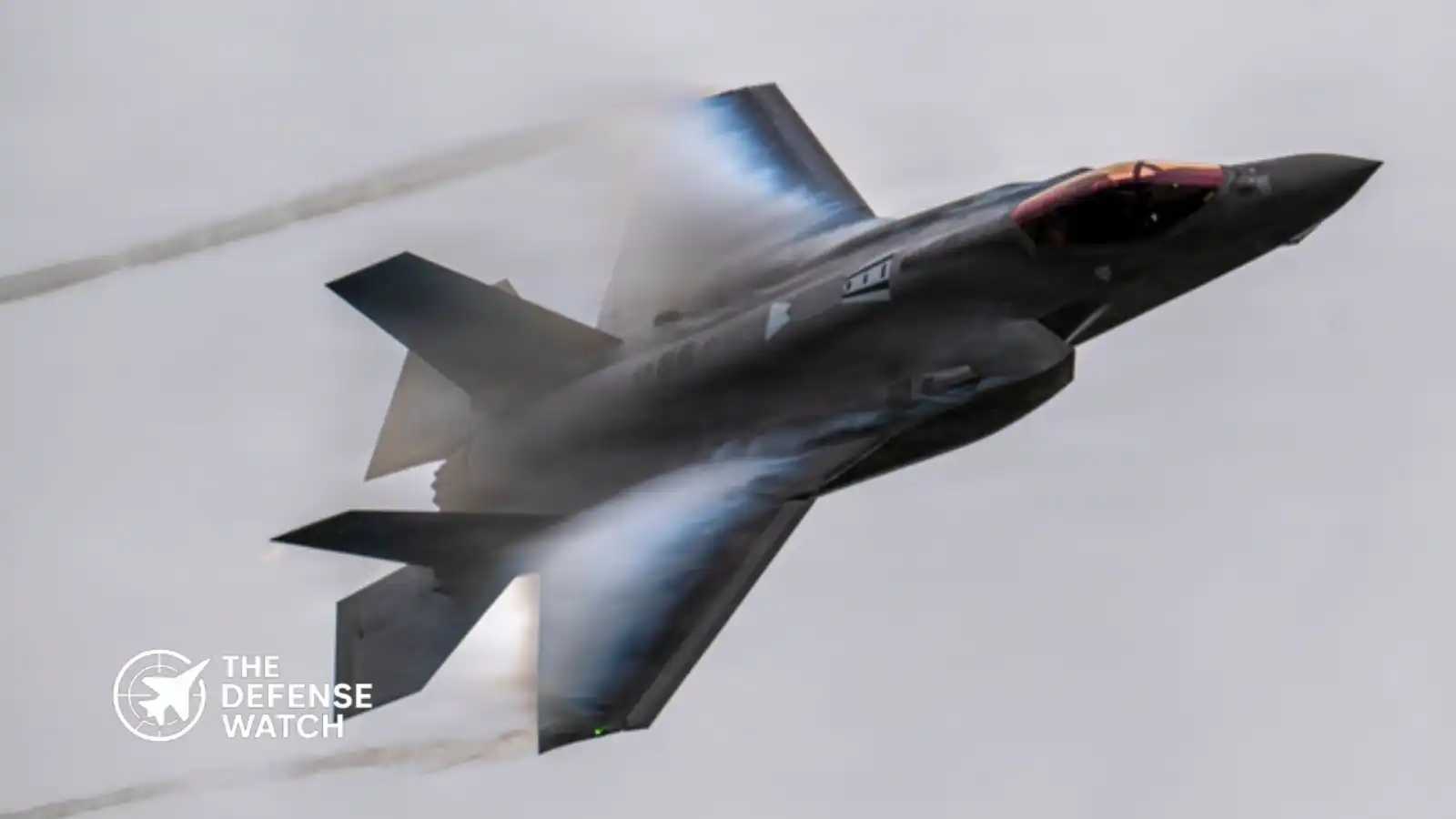
At the same time, the F-35 remains the cornerstone of allied fifth-generation airpower across NATO. The aircraft’s stealth capabilities, sensor fusion, and interoperability continue to make it a leading platform for coalition operations.
Broader Defense Spending Debate Continues
The dispute arrives amid broader U.S. efforts to expand military modernization spending under President Donald Trump. Washington’s proposed defense budget includes major investments in fighter aircraft, naval expansion, missile defense, and autonomous systems.
For Canada, the pressure now centers on whether Ottawa can balance alliance obligations, domestic political concerns, industrial priorities, and Arctic security requirements while completing one of its largest military procurement programs in decades.
The outcome of the Canada F-35 review is likely to shape North American defense cooperation for years to come.
Executive Summary:
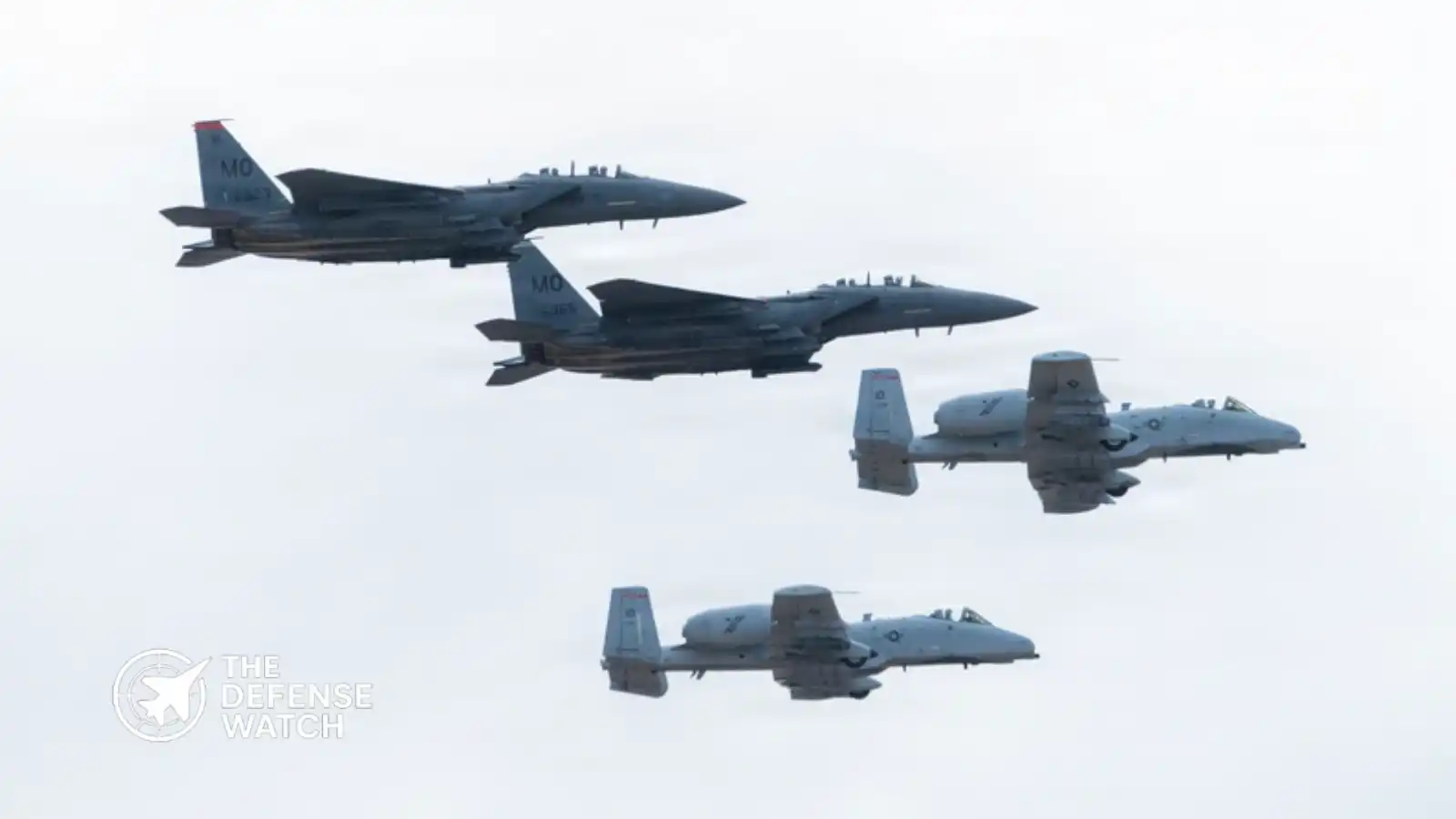
The U.S. Department of Defense is moving to accelerate procurement of Boeing F-15EX Eagle II fighters as older F-15C/D aircraft approach retirement. The effort is tied to broader U.S. Air Force modernization goals, homeland defense requirements, and concerns over fleet readiness.
U.S. Defense Budget Prioritizes F-15EX Eagle II Procurement
The F-15EX Eagle II fighter program is gaining renewed momentum as Pentagon planners seek emergency procurement measures to replace the aging F-15C/D fleet operated by the U.S. Air Force and Air National Guard.
The proposed U.S. defense budget framework includes plans for additional F-15EX acquisitions to address growing operational pressure on legacy aircraft that have remained in service for decades.
The move reflects a broader effort by the Department of the Air Force to sustain combat readiness while balancing delays and production constraints affecting fifth-generation fighter programs. The F-15EX Eagle II is expected to play a critical role in maintaining air superiority, homeland defense missions, and long-range strike capabilities during the transition period.
Why The U.S. Air Force Needs The F-15EX Eagle II
Many of the remaining F-15C/D aircraft entered service during the Cold War era and have accumulated significant structural fatigue. Air Force officials have repeatedly warned that sustaining the older fleet is becoming increasingly costly and operationally risky.
The F-15EX Eagle II offers several advantages over legacy platforms. Built by Boeing, the aircraft combines the proven F-15 airframe with modern avionics, electronic warfare systems, advanced radar technology, and expanded weapons capacity.
Unlike stealth-focused fighter programs, the F-15EX is designed to carry large payloads, including hypersonic weapons, long-range air-to-air missiles, and stand-off strike systems. Defense planners view the platform as a high-capacity force multiplier capable of supporting both Indo-Pacific and European operational requirements.
The aircraft also provides logistical advantages because many Air National Guard units already operate F-15 infrastructure, maintenance systems, and pilot training pipelines. This reduces transition costs compared with introducing entirely new aircraft types.
Budget Pressure And Industrial Base Concerns
The proposed emergency procurement push comes as the Pentagon faces growing concerns about fighter inventory levels. Delays in aircraft deliveries, combined with rising maintenance demands across the tactical aviation fleet, have placed additional pressure on Air Force modernization timelines.
The F-15EX program has also become increasingly important for sustaining the U.S. aerospace industrial base. Boeing’s fighter production line remains a key component of America’s combat aircraft manufacturing capacity at a time of heightened geopolitical competition.
The Air Force originally planned a smaller F-15EX acquisition strategy focused primarily on replacing older F-15C/D aircraft. However, evolving operational requirements and readiness concerns appear to be driving a reassessment of procurement priorities.
Defense analysts note that the aircraft’s relatively fast production timeline and lower integration risk make it attractive during a period when the Pentagon is attempting to modernize rapidly without creating capability gaps.
Homeland Defense And Strategic Readiness
One of the central missions for the F-15EX Eagle II will be homeland air defense. Air National Guard squadrons responsible for protecting U.S. airspace require reliable aircraft capable of rapid interception and sustained operational readiness.
The F-15EX is particularly suited for these missions because of its speed, payload, range, and two-seat operational flexibility. The aircraft’s advanced Active Electronically Scanned Array radar and upgraded mission systems significantly improve tracking and engagement performance against modern threats.
The platform is also expected to complement fifth-generation aircraft such as the Lockheed Martin F-35 Lightning II by operating as a missile carrier and networked combat asset in contested environments.
This approach aligns with emerging U.S. Air Force concepts emphasizing distributed operations, collaborative targeting, and integrated air combat systems.
Strategic Competition Driving Procurement Decisions
The renewed urgency surrounding the F-15EX Eagle II reflects broader geopolitical realities facing the United States and its allies.
The Pentagon continues to prioritize deterrence against near-peer competitors, particularly in the Indo-Pacific region. At the same time, NATO air defense requirements in Europe remain elevated following continued tensions with Russia.
Maintaining sufficient fighter aircraft numbers has become a central concern for U.S. defense planners. While stealth aircraft remain a cornerstone of future airpower strategy, officials increasingly acknowledge that fleet size, weapons capacity, and operational availability are equally important in sustaining long-term combat readiness.
The F-15EX Eagle II is therefore emerging not as a replacement for stealth fighters, but as a complementary platform designed to expand overall force capacity and reduce strain on more specialized aircraft.
Program Outlook
The exact number of additional aircraft that could be included in future budget requests remains unclear. Congressional negotiations and final Pentagon appropriations will ultimately determine the scale and pace of procurement.
Still, the latest budget discussions indicate growing institutional support for accelerating F-15EX production as the Air Force confronts mounting readiness pressures across its tactical aviation inventory.
For Boeing, expanded procurement would provide an important boost to fighter manufacturing operations and reinforce the company’s role in next-generation U.S. airpower modernization efforts.
For the Air Force, the aircraft represents a practical and relatively low-risk solution for replacing aging fighters while maintaining operational flexibility during a critical modernization period.
Romania is moving deeper into Europe’s expanding defense industrial strategy as the EU pushes member states to jointly acquire military equipment and strengthen regional security production capacity.
Executive Summary:
Romania is advancing efforts to participate in the European Union’s SAFE defense financing initiative, a program designed to support large-scale joint military procurement across Europe. The move reflects growing pressure on NATO’s eastern flank and the EU’s push to strengthen defense industrial capacity amid rising regional security concerns.
Romania SAFE Defense Program Gains Momentum
Romania’s SAFE defense initiative participation marks another step in Europe’s broader military modernization effort as EU member states seek to strengthen regional defense production, procurement coordination, and long-term readiness.
Romania is preparing to align with the European Union’s Security Action for Europe (SAFE) mechanism, a defense financing structure valued at roughly €150 billion, or approximately $16 billion for early national allocations and procurement frameworks linked to member participation.
The SAFE mechanism is designed to encourage joint defense procurement among EU states while reducing fragmentation across Europe’s military industrial base. The initiative comes as European governments continue increasing defense budgets following Russia’s war in Ukraine and growing concerns over long-term regional deterrence capabilities.
Romania has emerged as one of NATO’s key eastern flank states, bordering the Black Sea region and serving as a logistical and operational hub for alliance activities in Eastern Europe.
EU Pushes Joint Military Procurement Strategy
The SAFE defense initiative forms part of the European Union’s broader strategy to reduce dependency on non-European defense supply chains while accelerating production capacity for critical military systems.
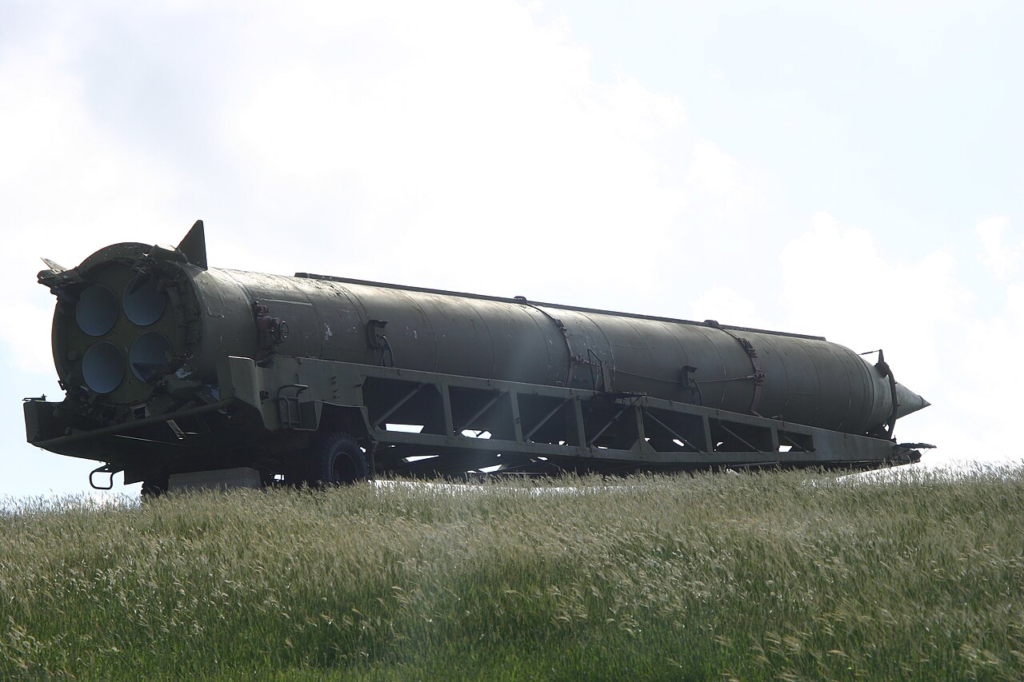
European officials have increasingly argued that fragmented procurement processes across EU states create inefficiencies, increase costs, and slow military readiness. Under the SAFE framework, participating countries could access favorable financing mechanisms for collaborative procurement projects involving ammunition, missile systems, armored platforms, air defense assets, and other strategic capabilities.
Romania’s interest in the SAFE mechanism aligns with the country’s wider defense modernization campaign. Bucharest has already increased defense spending above NATO benchmarks and launched multiple acquisition programs in recent years, including fighter aircraft, armored vehicles, missile defense systems, and naval modernization efforts.
The country’s strategic position along NATO’s southeastern flank gives additional weight to its defense investment priorities. The Black Sea region has become increasingly important since the start of the Ukraine conflict, particularly for maritime security, logistics corridors, and regional deterrence operations.
Romania Expands Defense Modernization Efforts
Romania’s military modernization program has accelerated steadily over the past several years. The Romanian Armed Forces are pursuing upgrades across land, air, and naval domains while strengthening interoperability with NATO forces.
Recent Romanian defense acquisitions include American-made air defense systems, modernization of armored formations, expanded ammunition stockpiles, and fighter fleet improvements. The government has also emphasized domestic industrial participation and long-term defense manufacturing growth.
Participation in the SAFE defense framework could provide Romania with greater financial flexibility for future procurement programs while improving access to cooperative European defense projects.
From a strategic perspective, Romania appears focused on balancing two parallel priorities:
- Maintaining strong defense ties with the United States and NATO
- Expanding integration with Europe’s evolving defense industrial framework
That dual-track approach reflects a broader trend across Eastern Europe, where governments increasingly seek both American security guarantees and deeper European defense cooperation.
Why SAFE Matters For Europe’s Defense Industry
The SAFE initiative is not simply a financing tool. It also represents an attempt by the European Union to reshape how Europe buys and produces military equipment.
For decades, European defense procurement has remained fragmented among national industries and competing standards. Analysts have frequently pointed to duplication across armored vehicle programs, aircraft projects, and ammunition production lines as a structural weakness compared to more centralized defense acquisition systems.
The war in Ukraine exposed additional vulnerabilities, particularly in artillery ammunition production, missile inventories, and industrial surge capacity.
European leaders now view joint procurement as essential for:
- Increasing production scale
- Reducing procurement delays
- Improving interoperability
- Lowering long-term acquisition costs
- Strengthening European industrial resilience
Romania’s participation could therefore serve both national and EU-wide objectives.
At the same time, implementation challenges remain. Differences in national requirements, industrial competition between member states, and budgetary constraints could complicate long-term execution of joint procurement initiatives.
NATO Eastern Flank Remains Central Driver
Romania’s SAFE defense initiative involvement also reflects broader security dynamics across NATO’s eastern flank.
The alliance has expanded troop deployments, exercises, and infrastructure investments throughout Eastern Europe since 2022. Romania hosts multinational NATO forces and plays a growing role in Black Sea security planning.
Defense officials across the region continue emphasizing air defense, missile protection, ammunition stockpiles, and rapid reinforcement capabilities as top priorities.
As a result, programs like SAFE are increasingly viewed not only as industrial policy tools, but also as strategic readiness mechanisms tied directly to NATO deterrence requirements.
Romania’s defense posture is likely to remain closely linked to future EU and NATO modernization efforts as Europe adapts to a more contested security environment.
Original Analysis
Romania’s interest in the SAFE mechanism highlights a larger shift underway inside Europe’s defense sector. Rather than relying solely on emergency wartime spending increases, European governments are now attempting to institutionalize long-term defense industrial coordination.
That matters because Europe’s challenge is no longer only about purchasing weapons. It is increasingly about sustaining production capacity over years rather than months.
Romania represents an important case study in this transition. The country sits at the intersection of NATO operational priorities and EU industrial ambitions. If Bucharest successfully combines EU financing access with NATO interoperability goals, it could strengthen its role as a regional defense manufacturing and logistics hub in Eastern Europe.
The SAFE initiative may also influence future transatlantic procurement dynamics. While many European states continue purchasing U.S.-made systems, Brussels is simultaneously encouraging greater investment in European production capacity. Managing that balance will remain a central issue for European defense policy over the next decade.