Pentagon Unveils Comprehensive Strategic Framework for National Security
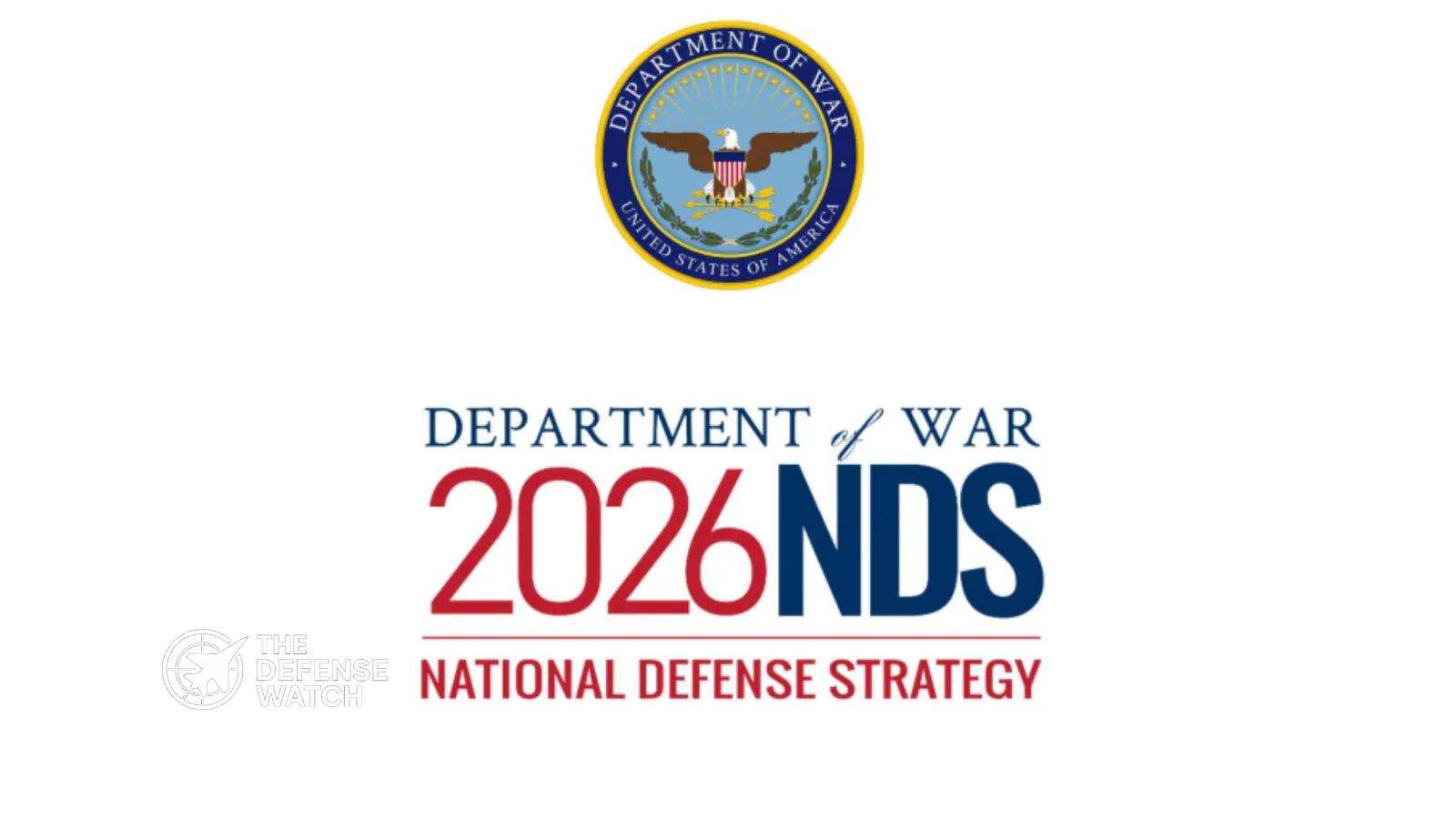
The U.S. Department of Defense has published its National Defense Strategy 2026, establishing the military and strategic priorities under President Donald Trump’s second administration. The National Defense Strategy 2026 document outlines a comprehensive framework addressing great power competition, technological modernization, and evolving security threats facing the United States.
According to the newly released strategy document, the Pentagon identifies China as the “pacing challenge” for U.S. military planning, while simultaneously addressing threats from Russia, Iran, North Korea, and transnational terrorist organizations. The framework represents a significant update to American defense posture in response to rapidly changing global security dynamics.
Great Power Competition Takes Center Stage
The National Defense Strategy 2026 places unprecedented emphasis on preparing U.S. military forces for potential conflict with near-peer adversaries. Defense officials indicate the strategy prioritizes capabilities designed to deter and, if necessary, defeat aggression from China in the Indo-Pacific region and Russia in Europe.
(adsbygoogle = window.adsbygoogle || []).push({});The document reportedly allocates substantial resources toward modernizing America’s nuclear triad, expanding conventional strike capabilities, and enhancing joint all-domain operations. Pentagon planners have structured the strategy around maintaining military advantage across land, sea, air, space, and cyberspace domains simultaneously.
Military analysts note the framework reflects lessons learned from recent conflicts, including Russia’s invasion of Ukraine and evolving tensions in the Taiwan Strait. The strategy emphasizes distributed operations, resilient logistics networks, and expeditionary capabilities that allow rapid force projection globally.
Technology Modernization and Innovation Priorities
Advanced technology development occupies a central position within the National Defense Strategy 2026. The Pentagon has identified several critical technology areas requiring accelerated investment and integration into operational forces.
Artificial intelligence and machine learning systems feature prominently, with plans to embed AI capabilities across intelligence, logistics, and combat platforms. The strategy calls for expanded autonomous systems deployment, including unmanned aerial vehicles, ground robots, and maritime platforms capable of operating in contested environments.
(adsbygoogle = window.adsbygoogle || []).push({});Hypersonic weapons development receives continued prioritization, with the document outlining timelines for fielding offensive hypersonic strike systems and defensive interceptor capabilities. Defense officials acknowledge ongoing challenges in this domain but emphasize the strategic imperative of matching adversary capabilities.
Cyber warfare capabilities and space-based assets also receive significant attention. The strategy mandates enhanced offensive and defensive cyber operations, alongside efforts to protect and expand America’s military satellite constellations against potential anti-satellite threats.
Force Structure and Readiness Enhancements
The National Defense Strategy 2026 addresses force structure requirements across all military services. The document outlines plans for expanding naval shipbuilding, modernizing the Air Force’s aging aircraft fleet, and enhancing Army ground combat systems.
Naval expansion plans reportedly target a 355-ship fleet, with emphasis on distributed maritime operations and smaller, more numerous platforms complementing traditional carrier strike groups. Submarine force modernization receives particular attention, given their strategic role in both nuclear deterrence and conventional strike missions.
(adsbygoogle = window.adsbygoogle || []).push({});Air superiority remains a fundamental requirement, with the strategy calling for accelerated production of fifth and sixth-generation fighter aircraft. Long-range strike capabilities, including next-generation bombers and standoff weapons, feature prominently in aviation modernization plans.
The Army’s contribution focuses on multi-domain operations, requiring enhanced long-range precision fires, improved air defense systems, and modernized armored vehicle fleets. The strategy emphasizes the need for rapidly deployable, lethal ground forces capable of operating in contested environments.
Alliance Relationships and Global Partnerships
While emphasizing American military strength, the National Defense Strategy 2026 acknowledges the importance of alliance relationships and global partnerships. The document reaffirms commitments to NATO allies while calling for increased burden-sharing among partner nations.
Indo-Pacific partnerships receive expanded emphasis, reflecting the strategy’s focus on countering Chinese influence in the region. Strengthened defense relationships with Japan, South Korea, Australia, and other regional partners form a cornerstone of the Pentagon’s Pacific deterrence posture.
(adsbygoogle = window.adsbygoogle || []).push({});The strategy also addresses Middle Eastern security commitments, balancing counterterrorism requirements against the strategic shift toward great power competition. Defense planners indicate intentions to maintain regional presence while rightsizing force deployments to support primary strategic objectives.
Budget Implications and Resource Allocation
Implementation of the National Defense Strategy 2026 carries significant budgetary implications. Defense officials acknowledge the ambitious modernization agenda requires sustained investment across multiple capability areas simultaneously.
The strategy document does not specify exact funding levels but indicates requirements for real growth in defense spending beyond inflation. Pentagon planners emphasize efficiency initiatives and program consolidation to maximize resources available for priority capabilities.
(adsbygoogle = window.adsbygoogle || []).push({});Industry observers note the strategy’s emphasis on rapid prototyping and accelerated acquisition processes, potentially streamlining traditional defense procurement timelines. Public-private partnerships and commercial technology integration receive attention as methods for maintaining technological advantage cost-effectively.
Strategic Challenges and Implementation Hurdles
Despite its comprehensive scope, the National Defense Strategy 2026 faces numerous implementation challenges. Budget constraints, industrial base limitations, and workforce recruitment issues present obstacles to achieving stated objectives.
Defense analysts point to competing demands for limited resources, questioning whether simultaneous modernization across multiple domains remains financially sustainable. Supply chain vulnerabilities and manufacturing capacity constraints could delay critical programs despite strategic prioritization.
(adsbygoogle = window.adsbygoogle || []).push({});Workforce development emerges as another significant challenge, with the strategy requiring highly skilled personnel capable of operating advanced technologies. Military recruitment and retention issues compound difficulties in building the technically proficient force the strategy envisions.
Global Response and Strategic Implications
Publication of the National Defense Strategy 2026 has generated international attention, with adversaries and allies alike analyzing its implications. Chinese and Russian officials have predictably criticized the document’s characterization of their nations as primary threats, while allied nations have generally expressed support for continued American security commitments.
Defense experts debate whether the strategy’s ambitious scope matches available resources and political will. Some analysts praise the comprehensive approach to emerging threats, while others question the feasibility of maintaining military superiority across all domains simultaneously.
(adsbygoogle = window.adsbygoogle || []).push({});The strategy’s success ultimately depends on consistent implementation across multiple presidential administrations, sustained congressional support, and continued technological innovation. Pentagon officials emphasize that the document provides a roadmap rather than guaranteed outcomes, requiring constant adaptation to evolving security environments.
Conclusion: Shaping America’s Defense Posture
The National Defense Strategy 2026 represents the Trump administration’s vision for American military power in an increasingly competitive international environment. By prioritizing great power competition, technological modernization, and flexible force structures, the Pentagon aims to maintain military advantage against emerging threats.
(adsbygoogle = window.adsbygoogle || []).push({});Implementation success requires not only adequate funding but also sustained focus on the strategy’s core priorities amid inevitable political and budgetary pressures. As global security challenges continue evolving, the framework establishes baseline objectives for ensuring American military readiness and technological superiority through the remainder of the decade.