

Executive Summary:
Iran has proposed transferring part of its highly enriched uranium stockpile to a third country while refusing U.S. demands to dismantle key nuclear facilities. The counterproposal, delivered through Pakistani mediators, highlights continuing divisions over enrichment limits, inspections, and regional maritime security as negotiations seek to end ten weeks of conflict.
Iran Uranium Transfer Proposal Keeps Core Nuclear Dispute Alive
Iran’s latest response to U.S. proposals aimed at ending ten weeks of regional conflict has opened a limited diplomatic pathway while preserving major disagreements over Tehran’s nuclear infrastructure.
According to reports cited by Middle East Eye and The Wall Street Journal, Iran formally responded Sunday to Washington’s proposed framework by offering to transfer part of its highly enriched uranium stockpile to a third country. However, Tehran rejected a central U.S. demand requiring the dismantlement of its primary nuclear facilities.
The negotiations come amid heightened instability across the Persian Gulf, continued military tensions, and ongoing concerns over maritime security near the Strait of Hormuz.
Iran’s counterproposal was reportedly transmitted through Pakistani mediators and focuses on phased de-escalation measures tied to sanctions relief and maritime access.
Tehran Offers Partial Uranium Transfer
Under the reported Iranian proposal, Tehran would dilute part of its estimated 440 kilograms of uranium enriched to 60% purity. The remaining material would be transferred to a third country under conditions designed to preserve Iranian leverage during negotiations.
Iran reportedly insists the uranium stockpile must be returned if talks collapse or if Washington withdraws from a future agreement.
The proposal also includes a temporary suspension of enrichment activities, though Iranian officials reportedly rejected the U.S. demand for a 20-year freeze on enrichment.
This position reflects Tehran’s long-standing effort to preserve what it describes as sovereign nuclear rights while avoiding a complete rollback of domestic nuclear infrastructure.
The uranium issue remains one of the most sensitive aspects of the negotiations because enrichment levels near 60% significantly reduce the technical gap to weapons-grade material, which is typically enriched above 90%.
U.S. Demands Focus On Nuclear Infrastructure
The U.S. framework reportedly centers on a 14-point memorandum being prepared by envoy teams linked to Steve Witkoff and Jared Kushner.
According to the reported draft, Washington is seeking:
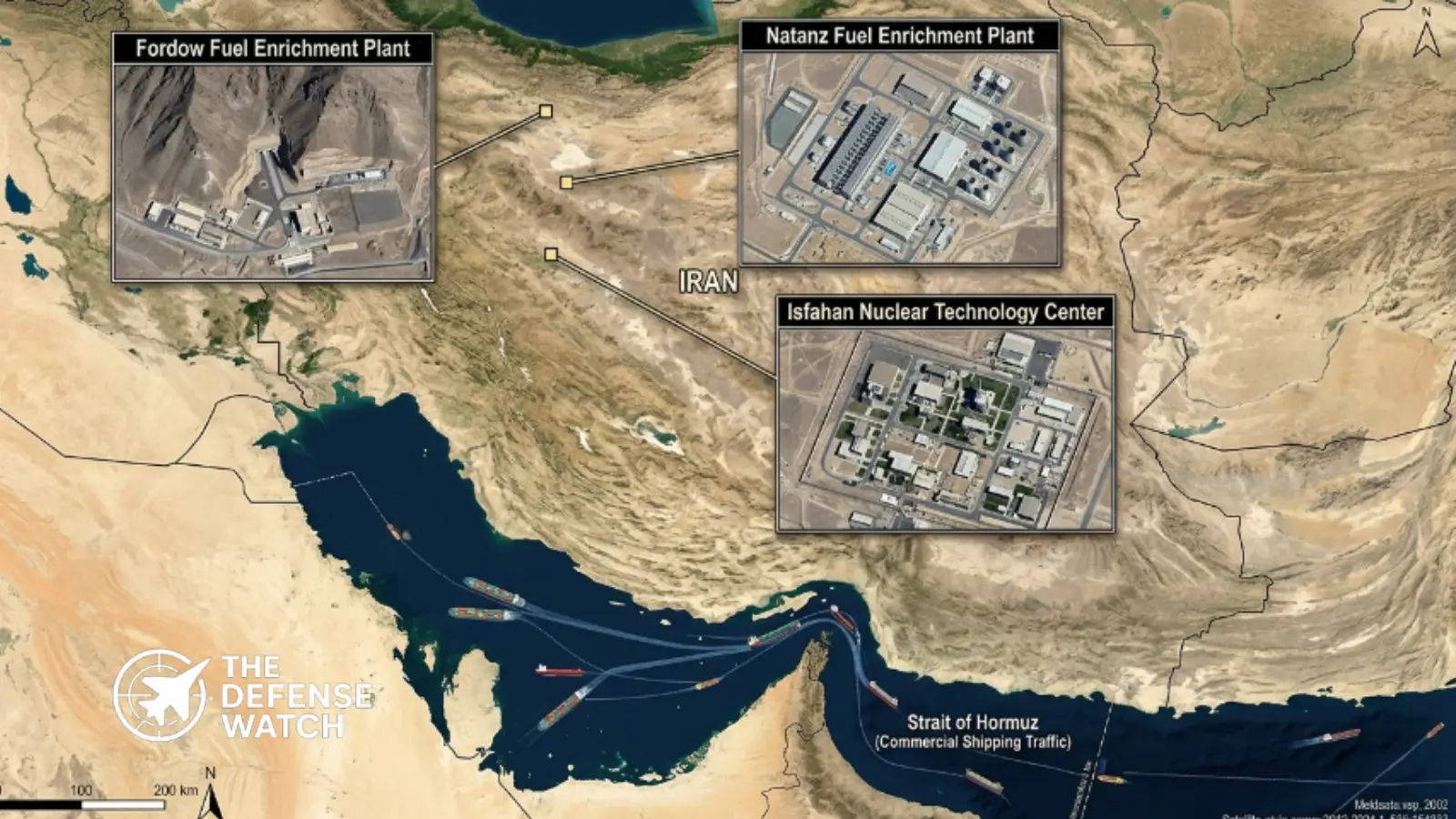
- Dismantlement of the Fordow nuclear facility
- Closure of Natanz enrichment operations
- Restrictions on activity at Isfahan
- A ban on underground nuclear development
- On-demand international inspections
- Full transfer of enriched uranium stockpiles
The reported U.S. position represents a significantly broader rollback demand than previous nuclear agreements, including the 2015 Joint Comprehensive Plan of Action (JCPOA), which allowed limited enrichment under international monitoring.
From Washington’s perspective, dismantling underground facilities such as Fordow would reduce Iran’s ability to rapidly restore enrichment operations during future crises.
Strait Of Hormuz Emerges As Parallel Negotiation Track
Iran’s response also linked nuclear negotiations with maritime security conditions in the Persian Gulf.
Tehran reportedly indicated it could gradually reopen shipping access through the Strait of Hormuz in parallel with the easing of U.S. maritime restrictions.
The waterway remains strategically critical because roughly one-fifth of global oil trade passes through the narrow maritime corridor connecting the Persian Gulf to the Arabian Sea.
Recent incidents involving commercial shipping, military patrols, and regional proxy activity have increased concerns among Gulf states and Western naval forces operating in the region.
Iranian state media reportedly stated that Tehran wants broader negotiations to include ending military activity across multiple fronts, including Lebanon, while establishing guarantees for maritime security.
Nuclear Facilities Remain Central To Iran’s Strategy
The dispute over Fordow, Natanz, and Isfahan reflects the strategic importance of Iran’s nuclear infrastructure.
Fordow, built deep underground near Qom, has long been viewed by Western governments as one of Iran’s most protected enrichment facilities. Natanz serves as the country’s primary enrichment center, while Isfahan supports uranium conversion and fuel-cycle activities.
Iran’s refusal to dismantle these sites suggests Tehran views the facilities as both strategic deterrents and bargaining assets.
From a military and geopolitical perspective, dismantling hardened underground facilities would significantly reduce Iran’s long-term nuclear resilience against potential airstrikes or sabotage operations.
At the same time, Washington and allied governments argue that maintaining such facilities creates ongoing proliferation risks and shortens potential breakout timelines.
Regional Security Risks Continue To Shape Talks
The negotiations are unfolding against a backdrop of wider regional instability involving Gulf maritime security, proxy conflicts, and concerns over escalation between Iran and U.S.-aligned regional actors.
The linkage between nuclear concessions and maritime access indicates Tehran may be attempting to broaden negotiations beyond purely nuclear issues into a larger regional security framework.
That approach could complicate diplomacy because it ties nuclear verification measures to broader geopolitical disputes involving sanctions, military deployments, and regional proxy networks.
Analysts also note that any agreement would likely face implementation challenges given the history of mutual distrust following the U.S. withdrawal from the JCPOA in 2018 and subsequent Iranian expansion of enrichment activities.
While the latest Iranian proposal suggests both sides remain engaged diplomatically, the gap between preserving Iran’s nuclear infrastructure and Washington’s dismantlement demands remains substantial.
