

Russia Arms Shahed-136 With Air-to-Air Missiles
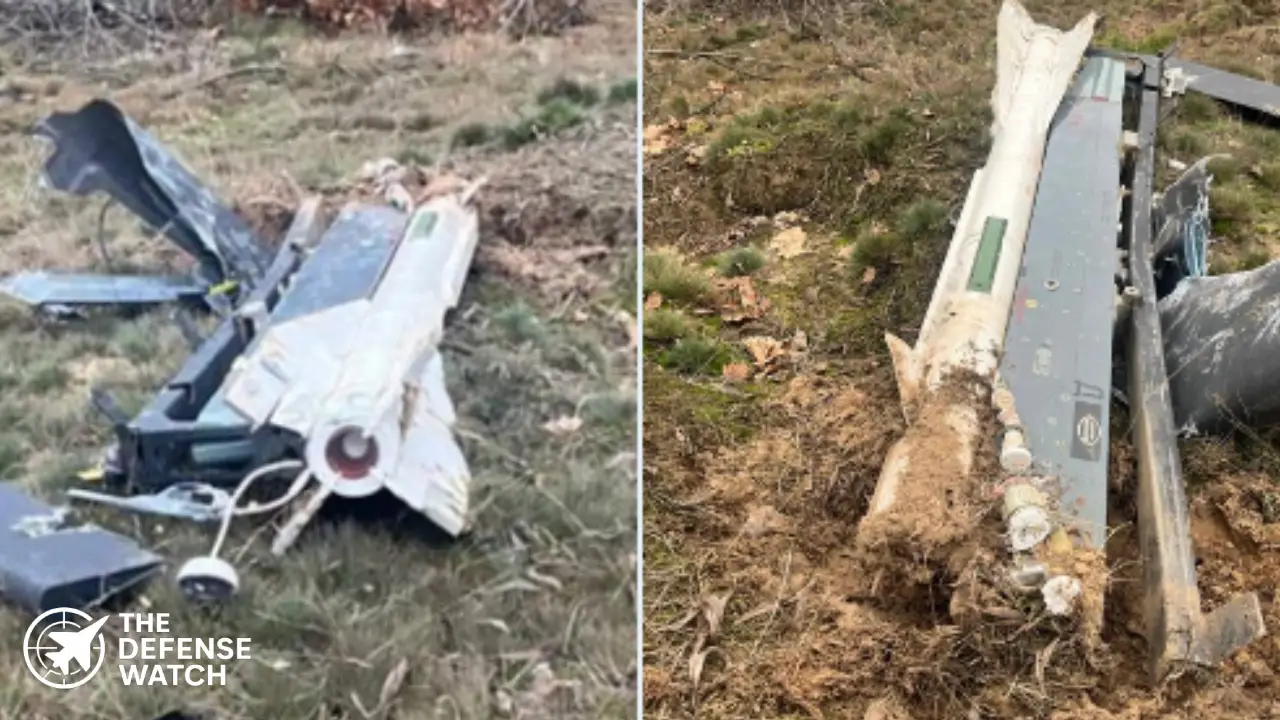
On December 1, 2025, multiple sources—including a detailed report by a defense-technology outlet—confirmed that Russia has deployed a modified version of the Shahed-136 kamikaze drone equipped with a Soviet-era R-60 air-to-air guided missile.
The new configuration was first observed when the drone — known in Russian service as the Geran-2 — was intercepted and shot down by a Ukrainian interceptor loitering munition, marking the first publicly documented case of such a weaponized combination in the conflict.
Context: Evolving Shahed Threat
The Shahed-136, originally an Iranian-designed kamikaze drone, has been a backbone of Russian long-range drone strikes since 2022.
Over time, Russia has significantly upgraded the Shahed, shifting it from a slow, propeller-driven loitering munition — easy to neutralize — into a more formidable threat. Upgrades have included improved warheads, GPS-resistant navigation systems, thermal-imaging cameras, and even jet or turbojet-powered variants.
The adoption of an air-to-air missile appears to represent the next phase of this evolution, broadening the drone’s mission set beyond ground strikes and decoy swarms to aerial threats.
New Air-to-Air Capability: Details & Significance
The R-60 Missile Integration
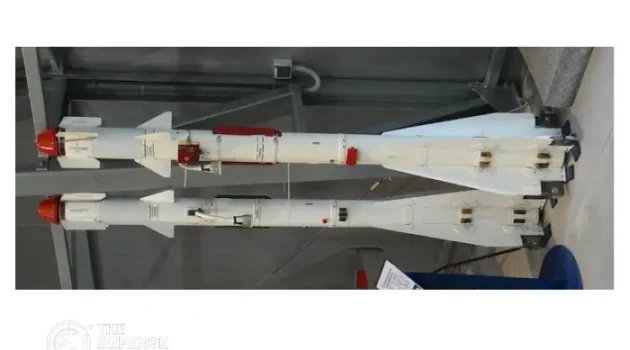
- The missile identified on the downed drone is the Soviet-designed R-60 air-to-air missile (NATO reporting name AA-8 “Aphid”), a compact, infrared-guided missile introduced in the early 1970s.
- The missile was mounted on a launch rail affixed to the nose (or upper fuselage) of the drone — not under the wings as is standard for manned aircraft.
- According to a Ukrainian military analyst, this configuration is “designed to destroy helicopters and tactical aircraft that hunt Shaheds.”
First Recorded Shoot-Down
The missile-armed Shahed — identified as a Geran-2 — was engaged by a Ukrainian interceptor drone, the Sting, developed by the volunteer group Wild Hornets. According to released footage and wreckage photos, the R-60 remained attached after destruction.
This engagement suggests at least two things:
- Ukraine’s air defenses are adapting quickly and fielding low-cost, flexible interceptor solutions.
- Russia is exploring ways to blunt Ukraine’s use of helicopters and light aircraft for drone-hunting roles by repurposing its own UAVs for aerial combat.
Tactical Implications
- Broadened Threat Spectrum — The traditional role of Shaheds as one-way strike drones against ground infrastructure or troop concentrations is now expanding. With air-to-air missiles, they pose a potential threat to helicopters, light aircraft, even fighter jets engaged in air-defense.
- Deterrent Effect — The presence of a missile, even if rarely used, may force Ukrainian aircrews to operate more cautiously, limiting or avoiding helicopter or fixed-wing sorties near frontline or drone-heavy zones.
- Shift in Counter-Drone Strategy — Air defense doctrine may need to evolve: using interceptor drones, radar-guided SAMs, or more robust aerial defenses rather than relying solely on machine guns or small arms.
Broader Context: Shahed’s Rapid Evolution
The new missile-armed Shahed is part of a broader pattern of upgrades and tactical refinements. Over the past two years, Russia has:
- Shifted to mass production of Shahed-type drones (known in Russia as “Geran-2”), reportedly manufacturing thousands per month.
- Added improved warheads — fragmentation, thermobaric, cluster munitions — to maximize damage.
- Developed variants with enhanced navigation (jam-resistant GNSS and INS), optical/thermal cameras, and even jet propulsion to increase speed and survivability.
- Adopted more complex attack tactics, combining Shaheds with decoys and loitering munitions to complicate detection and overwhelm air defenses.
Analysts have called this rapid “mutation” of a relatively cheap UAV into a multi-role aerial munition one of the defining features of the modern drone-powered conflict.
What This Means for the Air War Over Ukraine
- The documented use of air-to-air missiles on Shaheds significantly increases the risks for Ukrainian helicopters, transport aircraft, or other light air assets previously considered safe from drone threats.
- Air defense planners in Ukraine (and other countries observing the conflict) will likely reconsider the viability of manned aircraft for drone-hunting missions, pushing instead for interceptor drones, improved radar/SAM coverage, or layered air defense systems.
- The low cost and modular adaptability of drones like Shahed — combined with legacy missiles like R-60 — reflect a shift toward asymmetric, cost-effective aerial warfare. This could influence future conflict zones where even lower-budget forces can project substantial aerial threat.
- For Russia, success in deploying such drones at scale could degrade Ukraine’s aerial mobility, complicate resupply and medevac operations, and erode air-defense deterrence — though the actual effectiveness of missile-armed drones remains to be fully seen.
What’s Next
Defensive analysts and militaries worldwide must now account for UAVs as potential aerial combatants — not just as kamikaze weapons. Expect efforts to deploy:
- More interceptor drones (like the Sting) or unmanned surface/air vehicles equipped to counter missile-armed UAVs.
- Advanced sensors, IR-guided missile defenses, and radar systems optimized to detect small, low-signature drones carrying heat-seeking weapons.
- Revised air operations doctrine, with stricter risk assessments for helicopter and light aircraft operations where UAV thresholds are high.
Monitoring open-source intelligence (satellite imagery, wreckage photos, battlefield footage) will remain critical — as will documentation of any successful uses of missile-armed drones against aircraft.


2 comments
[…] depot is intended for heavy maintenance, repair, overhaul, and upgrades — a critical element for ensuring long-term readiness and sovereign sustainment capacity. L3Harris […]
[…] larger waves of UAVs being intercepted, temporary closures of Moscow airports, and claims of Ukrainian drones targeting industrial sites in regions beyond the […]