Italy Reinforces GCAP Sixth-Generation Fighter Program With Major Financial Commitment
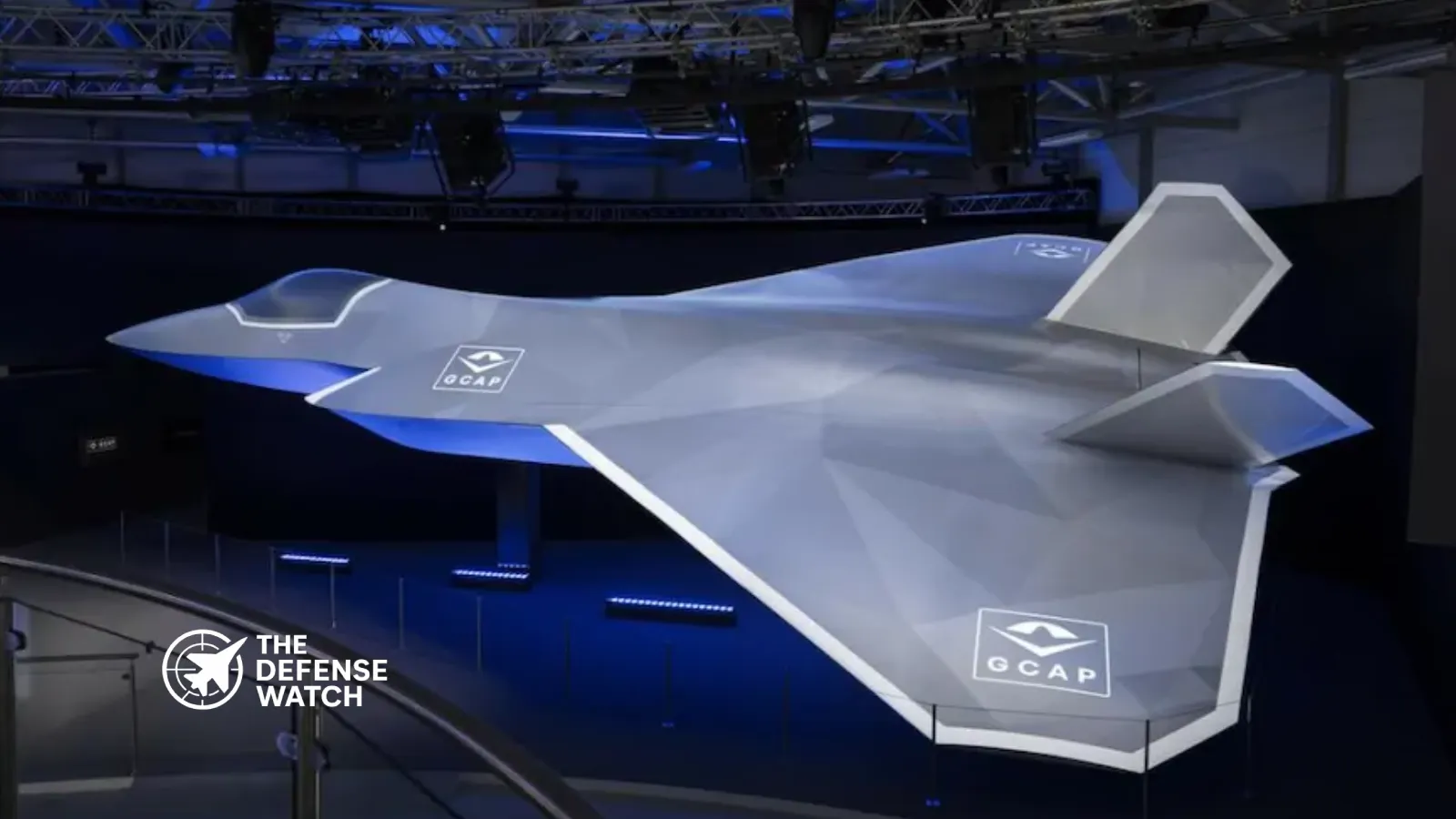
Italy has allocated approximately €9 billion ($9.4 billion) toward the development of the Global Combat Air Programme (GCAP), the ambitious sixth-generation fighter jet being co-developed with the United Kingdom and Japan. The announcement, made by Italian Defense Minister Guido Crosetto, represents one of Europe’s largest single commitments to next-generation air combat capability.
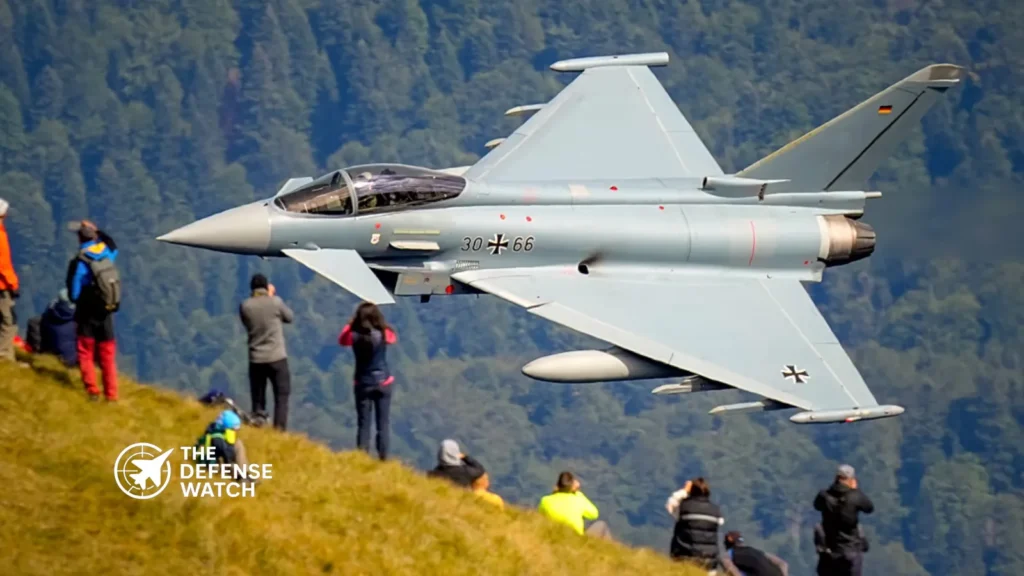
The GCAP fighter jet program Italy is pursuing aims to field an operational aircraft by 2035, replacing the country’s aging Eurofighter Typhoon fleet with a stealth-capable, network-centric warplane designed for 21st-century aerial warfare.
Major Investment Signals Strategic Defense Priority
Defense Minister Crosetto confirmed the substantial financial commitment during recent parliamentary proceedings, emphasizing that the investment would be distributed across the program’s development timeline through 2035. The allocation represents a significant portion of Italy’s long-term defense modernization budget and underscores Rome’s strategic commitment to maintaining air superiority capabilities.
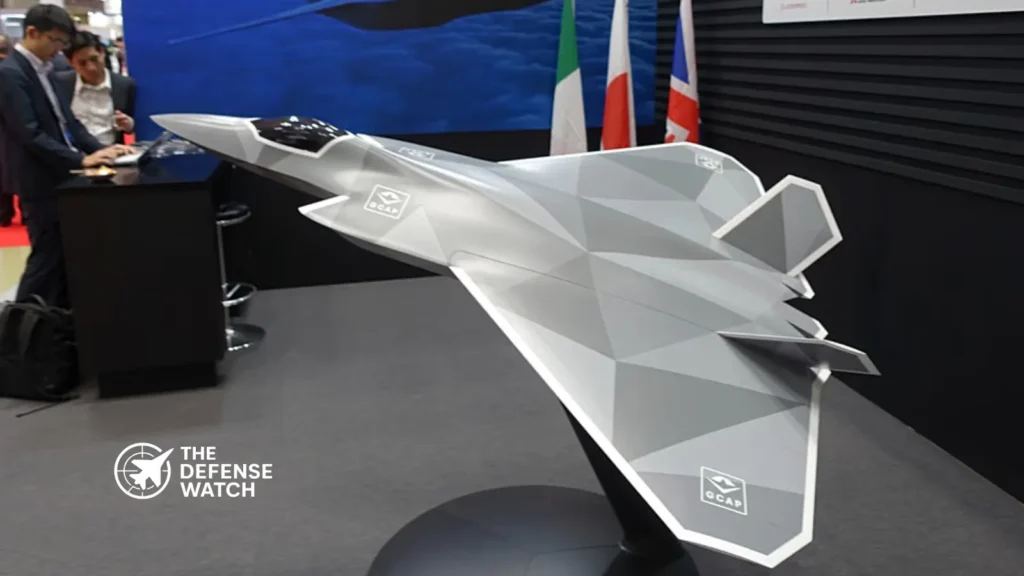
The GCAP program, formally established in December 2022, brings together Italy’s Leonardo, the UK’s BAE Systems, and Japan’s Mitsubishi Heavy Industries as primary industrial partners. This trilateral collaboration marks one of the most significant international defense partnerships outside traditional NATO frameworks.
Italy’s €9 billion contribution will support research and development, prototyping, manufacturing infrastructure, and eventual production capabilities on Italian soil. Leonardo will serve as the primary Italian contractor, with significant workshare expected to support the country’s aerospace industrial base.
Sixth-Generation Technology Sets GCAP Apart
The sixth-generation stealth fighter aircraft being developed under GCAP will incorporate advanced technologies not present in current fifth-generation platforms like the F-35 Lightning II. Key capabilities include:
Advanced Stealth and Survivability: Next-generation radar-absorbent materials and airframe shaping designed to operate in highly contested electromagnetic environments.
Artificial Intelligence Integration: AI-assisted mission planning, threat assessment, and sensor fusion to reduce pilot workload and enhance decision-making speed.
Optionally Manned Capability: The platform is being designed to operate with or without a pilot onboard, enabling high-risk missions while preserving human life.
(adsbygoogle = window.adsbygoogle || []).push({});Loyal Wingman Compatibility: GCAP will command and control unmanned combat air vehicles (UCAVs) functioning as “loyal wingmen,” extending sensor range and weapon deployment options.
Advanced Sensor Suite: Multi-spectral sensors providing 360-degree situational awareness, integrated electronic warfare systems, and directed energy weapon potential.
These capabilities position GCAP to counter emerging threats from advanced Russian and Chinese fighter programs, including the Su-57 Felon and J-20 Mighty Dragon.
Timeline and Production Targets
The GCAP development timeline targets first flight of a demonstrator aircraft in the early 2030s, with initial operational capability planned for 2035. This ambitious schedule requires sustained financial commitment and close coordination among the three partner nations.

Italy plans to procure a substantial number of GCAP aircraft to replace its current Eurofighter Typhoon fleet, which entered service in the early 2000s. While exact procurement numbers remain classified, defense analysts estimate Italy may order between 80 and 100 GCAP fighters to maintain its air combat force structure.
- (adsbygoogle = window.adsbygoogle || []).push({});
The UK and Japan have similarly committed to replacing their Typhoon and F-2 fighter fleets respectively with GCAP aircraft, creating a combined market of potentially 250-300 sixth-generation fighters.
Industrial and Economic Impact
Italy’s defense spending 2026 allocation toward GCAP extends beyond military capability, representing a strategic investment in high-technology industrial capacity. Leonardo and its Italian supply chain partners stand to benefit from sustained high-value work in advanced materials, propulsion systems, avionics, and weapons integration.
(adsbygoogle = window.adsbygoogle || []).push({});The program is expected to create thousands of high-skill engineering and manufacturing jobs across Italy’s aerospace sector, particularly in regions already supporting military aircraft production. Leonardo’s facilities in Turin, Naples, and Rome will play central roles in GCAP development and production.
Economic multiplier effects from the program could generate billions in additional economic activity through subcontractors and technology spillover into civilian aerospace applications.
Balancing GCAP and F-35 Commitments
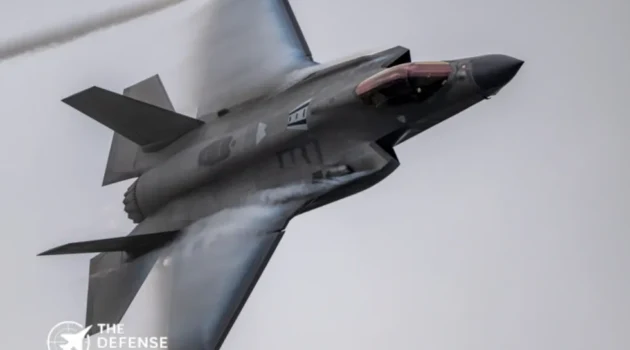
Italy’s major investment in the GCAP sixth-generation fighter comes as the country continues its commitment to the F-35 Joint Strike Fighter program. Italy is a Level 2 partner in the F-35 program and operates both F-35A conventional takeoff variants and F-35B short takeoff/vertical landing models.
The Italian Air Force currently operates over 30 F-35 aircraft and has plans to eventually acquire up to 90 fighters across both variants. Italy also hosts F-35 final assembly and checkout facilities at Cameri Air Base, the only such facility outside the United States.
Defense officials have clarified that GCAP and F-35 programs serve complementary rather than competing roles. The F-35 will continue as Italy’s primary multi-role fighter through the 2040s and potentially beyond, while GCAP will focus on high-end air superiority and deep strike missions requiring sixth-generation capabilities.
(adsbygoogle = window.adsbygoogle || []).push({});This dual-track approach mirrors strategies adopted by other advanced air forces seeking layered capabilities across multiple fighter generations.
Strategic Rationale and Threat Environment
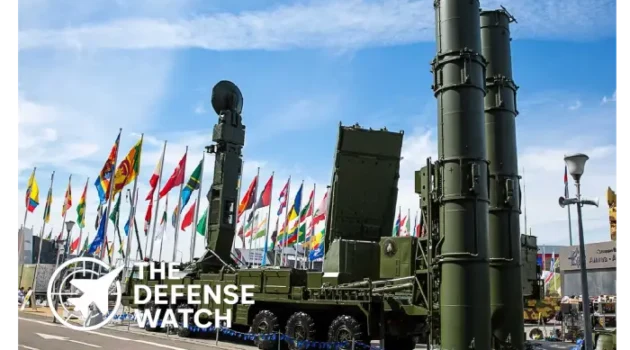
Italy’s substantial financial commitment to the Eurofighter Typhoon replacement program reflects evolving threat assessments in the Mediterranean region and broader European security environment. Russian military modernization, including deployment of advanced S-400 and S-500 air defense systems, necessitates next-generation stealth and electronic warfare capabilities.
Additionally, the growing sophistication of potential adversary air forces requires capabilities beyond current fourth and fifth-generation platforms. GCAP’s advanced sensor fusion, AI integration, and loyal wingman control represent force multiplication capabilities essential for maintaining air superiority in future conflicts.
The program also strengthens Italy’s position within European defense cooperation frameworks while maintaining critical partnerships with the UK post-Brexit and expanding defense ties with Japan amid Indo-Pacific security concerns.
Multinational Cooperation Challenges and Benefits
The UK Japan Italy fighter collaboration presents both opportunities and challenges inherent in complex multinational defense programs. Geographic separation between partner nations, differing operational requirements, and export control considerations require careful management.
(adsbygoogle = window.adsbygoogle || []).push({});However, cost-sharing across three advanced economies reduces individual financial burden while creating economies of scale in production. Technology sharing accelerates development timelines and distributes technical risk. The partnership also creates interoperability benefits and strengthens security relationships among democracies facing common threats.
Program governance structures establish joint decision-making authorities while preserving sovereign control over critical technologies and operational concepts. This balanced approach has enabled the program to progress through initial development phases without major delays.
Looking Ahead
Italy’s €9 billion commitment to GCAP represents a decisive investment in future air combat capability and strategic defense autonomy. As development work accelerates toward first flight milestones in the coming years, sustained political and financial support will prove critical to meeting the 2035 operational timeline.
The program’s success will depend on maintaining trilateral consensus, managing technical complexity, and delivering capabilities that justify substantial investment. For Italy, GCAP represents not only next-generation military capability but also preservation of high-technology aerospace industrial capacity essential for long-term strategic independence.