
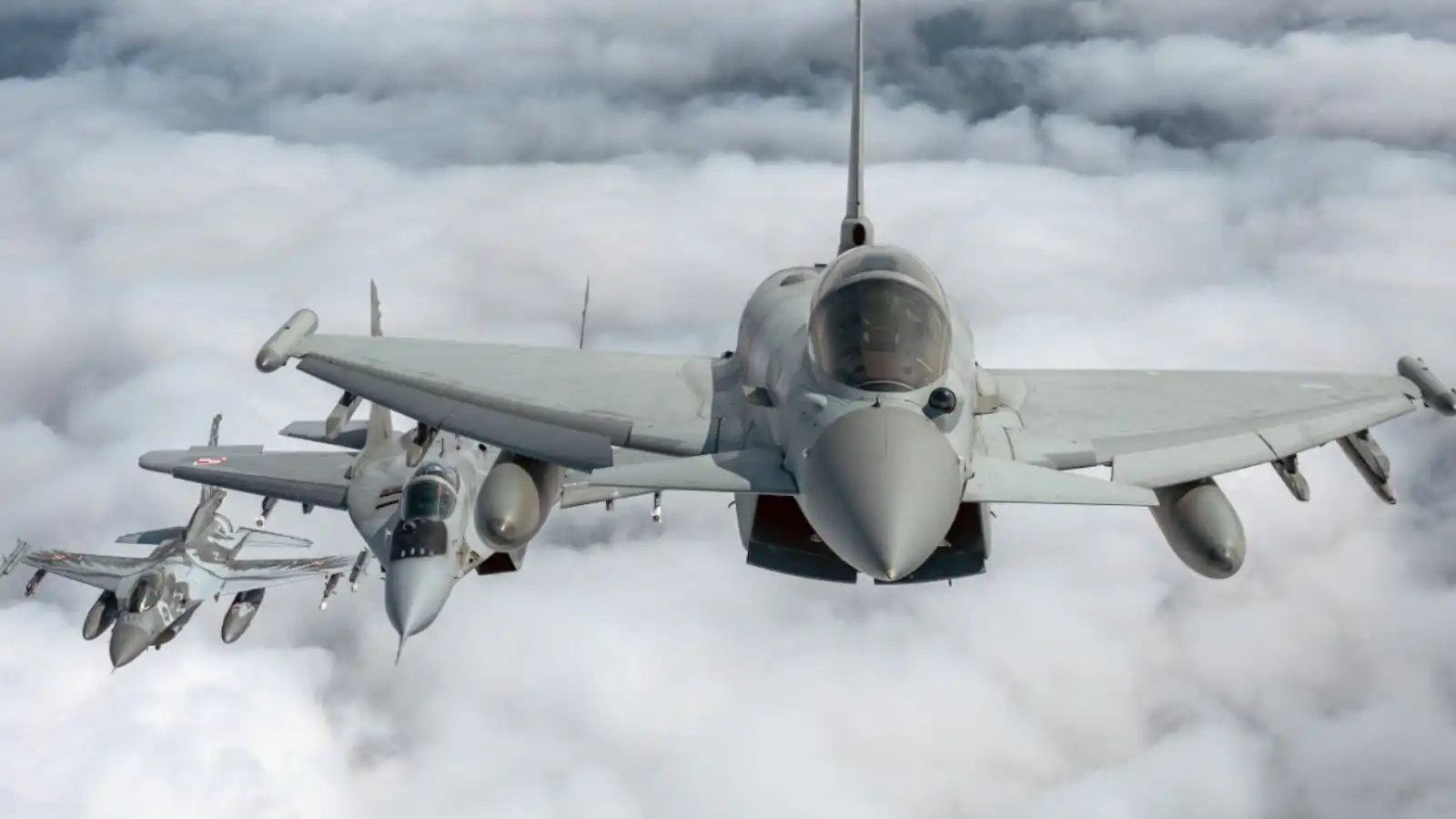
The United Kingdom and Poland have signed a new bilateral defense treaty aimed at strengthening military cooperation and reinforcing NATO’s eastern defenses against growing Russian pressure.
(adsbygoogle = window.adsbygoogle || []).push({});Executive Summary:
The United Kingdom and Poland have signed a new defense treaty designed to expand military cooperation and strengthen NATO’s eastern flank. The agreement reflects growing concern across Europe over Russia’s military posture and regional security threats.
UK Poland Defense Treaty Signals Deeper NATO Coordination
The new UK Poland defense treaty marks another step in Europe’s broader effort to reinforce collective security against Russian aggression. Signed amid heightened tensions across Eastern Europe, the agreement strengthens defense cooperation between two of NATO’s most active military contributors on the alliance’s eastern flank.
The treaty focuses on expanding military coordination, defense industrial cooperation, joint exercises, intelligence sharing, and long term strategic planning between London and Warsaw.
The agreement comes as NATO members continue adapting their force posture following Russia’s war in Ukraine and Moscow’s continued military activity near alliance borders.
Poland has emerged as one of Europe’s fastest growing military powers in recent years. Warsaw has significantly increased defense spending, accelerated procurement of advanced military systems, and expanded troop modernization programs. The country is now positioned as a critical logistical and operational hub supporting NATO operations in Eastern Europe.
The United Kingdom has also increased its military presence in the region through deployments, training missions, and NATO readiness initiatives.
Why The Treaty Matters
The UK Poland defense treaty carries strategic significance beyond bilateral cooperation. It highlights a broader shift within NATO toward stronger regional defense arrangements among frontline allies facing direct pressure from Russia.
(adsbygoogle = window.adsbygoogle || []).push({});Poland’s geographic position bordering Belarus, Kaliningrad, and close proximity to Ukraine gives Warsaw major importance within NATO’s deterrence strategy. British military planners increasingly view Poland as essential to alliance operations in the Baltic and Central European theaters.
The treaty also reflects London’s effort to maintain a leading European security role after Brexit. Britain has expanded defense partnerships across Northern and Eastern Europe, particularly with nations prioritizing rapid military modernization and stronger deterrence measures.
The agreement reportedly includes commitments related to:
- Joint military exercises
- Defense technology cooperation
- Intelligence sharing
- Strategic consultations
- Defense industrial collaboration
- Enhanced interoperability between armed forces
These areas align closely with NATO’s long term focus on readiness, rapid deployment capability, and integrated deterrence.
Poland’s Expanding Military Modernization
Poland continues one of the largest military modernization programs in Europe. Warsaw has committed major investments across land, air, missile defense, and armored warfare capabilities.
Recent acquisitions include:
- M1A2 Abrams tanks from the United States
- K2 Black Panther tanks from South Korea
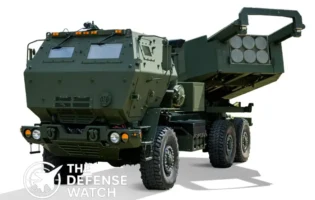
- HIMARS rocket artillery systems
- Patriot air defense systems
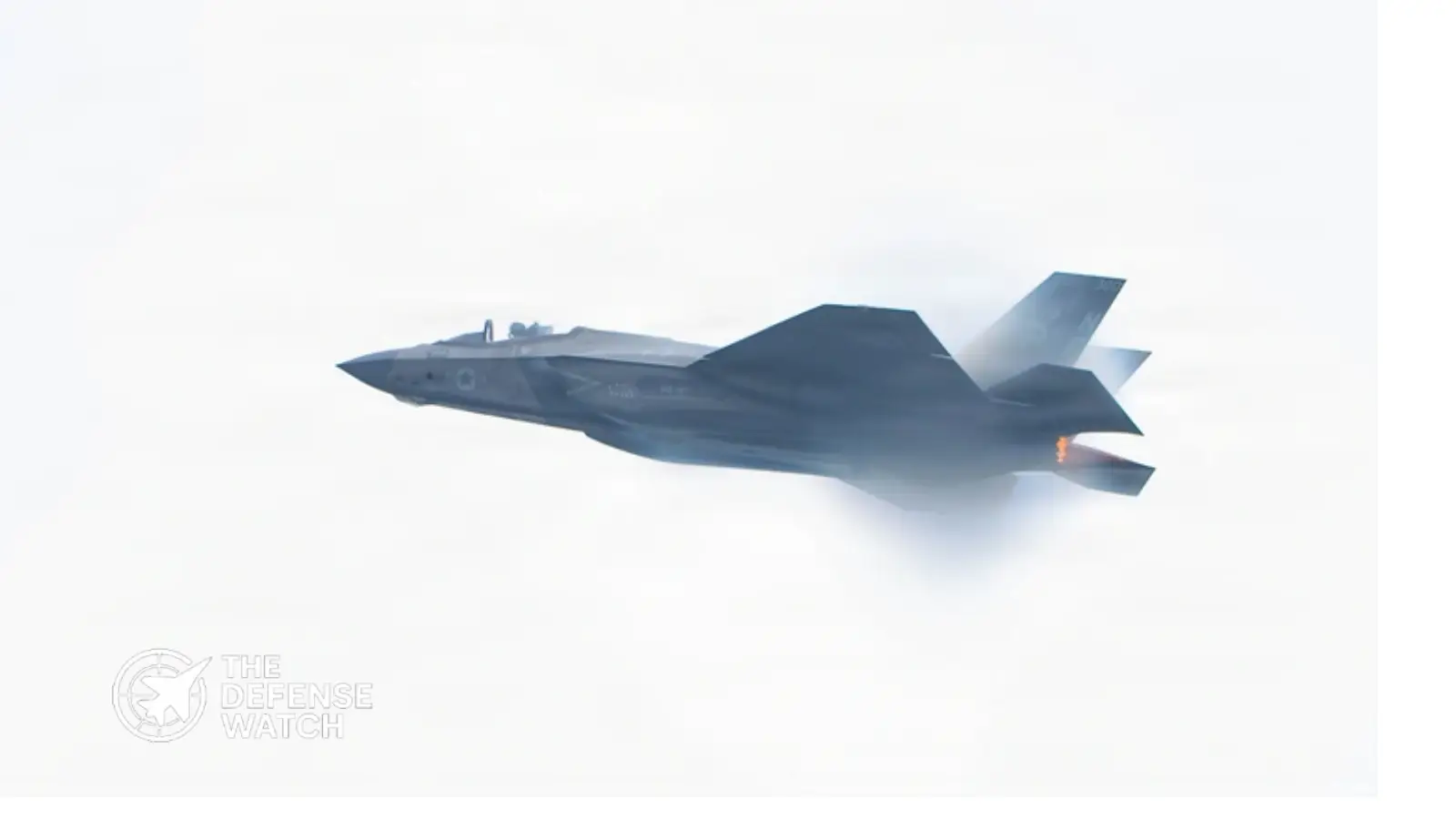
- F-35A stealth fighter aircraft
- AH-64 Apache attack helicopters
Poland has also increased defense spending above NATO targets, aiming to build one of Europe’s strongest conventional land forces.
The UK Poland defense treaty may create new opportunities for industrial cooperation involving missile systems, armored vehicle support, advanced munitions, and battlefield technology integration.
British defense firms have increasingly targeted Central and Eastern European markets as regional governments accelerate military procurement programs.
(adsbygoogle = window.adsbygoogle || []).push({});Britain’s Strategic Position In Europe
For the United Kingdom, the treaty reinforces its role as a leading European military power despite no longer being part of the European Union.
London remains heavily involved in NATO operations, intelligence cooperation, and multinational deployments across Europe. British forces currently contribute to NATO enhanced forward presence missions and maintain rapid response capabilities designed to support eastern allies during crises.
The UK has also been among Ukraine’s strongest military supporters since the start of Russia’s full scale invasion in 2022. British military aid, training programs, and intelligence support have positioned London as one of Kyiv’s most important Western partners.
Strengthening ties with Poland supports Britain’s broader regional security strategy focused on:
- Countering Russian influence
- Strengthening NATO deterrence
- Expanding defense industrial partnerships
- Enhancing operational interoperability
- Supporting Eastern European allies
Broader NATO Implications
The treaty reflects wider concerns among NATO members about the long term European security environment. Russia’s military posture, missile deployments, hybrid warfare activities, and continued pressure on neighboring states have driven alliance members to accelerate defense planning.
Regional bilateral agreements like the UK Poland defense treaty increasingly complement NATO structures by improving military coordination between key allies before potential crises emerge.
Defense analysts note that such partnerships can improve operational speed, reduce coordination delays, and strengthen regional deterrence credibility.
The agreement may also support NATO’s evolving regional defense plans, which emphasize pre-positioned forces, faster mobilization, integrated air defense, and multinational combat readiness across Eastern Europe.
Defense Industrial Cooperation Could Expand
One of the most important long term aspects of the treaty could involve defense industrial cooperation.
(adsbygoogle = window.adsbygoogle || []).push({});Europe’s defense sector is currently under heavy demand due to:
- Increased ammunition production requirements
- Expanded missile procurement
- Air defense modernization
- Armored vehicle replacement programs
- Long term sustainment needs for Ukraine
Poland’s rapid modernization and Britain’s advanced defense manufacturing capabilities create potential opportunities for joint production, maintenance support, and technology sharing.
British companies involved in missile systems, electronic warfare, radar technology, and advanced munitions may benefit from deeper industrial engagement with Warsaw.
Strategic Analysis
The UK Poland defense treaty underscores how NATO’s eastern flank has become the central focus of European defense planning.
Unlike previous decades when many European militaries prioritized expeditionary operations, alliance members are now concentrating heavily on territorial defense, large scale conventional warfare readiness, and high intensity conflict preparation.
Poland’s growing military power and Britain’s operational experience make the partnership strategically valuable for NATO.
(adsbygoogle = window.adsbygoogle || []).push({});The agreement also demonstrates how European security dynamics continue shifting toward stronger regional coalitions designed to supplement broader alliance structures.
As Russia maintains military pressure across Eastern Europe, bilateral defense arrangements like this treaty are likely to become increasingly important components of NATO’s overall deterrence architecture.