

(adsbygoogle = window.adsbygoogle || []).push({});Executive Summary:
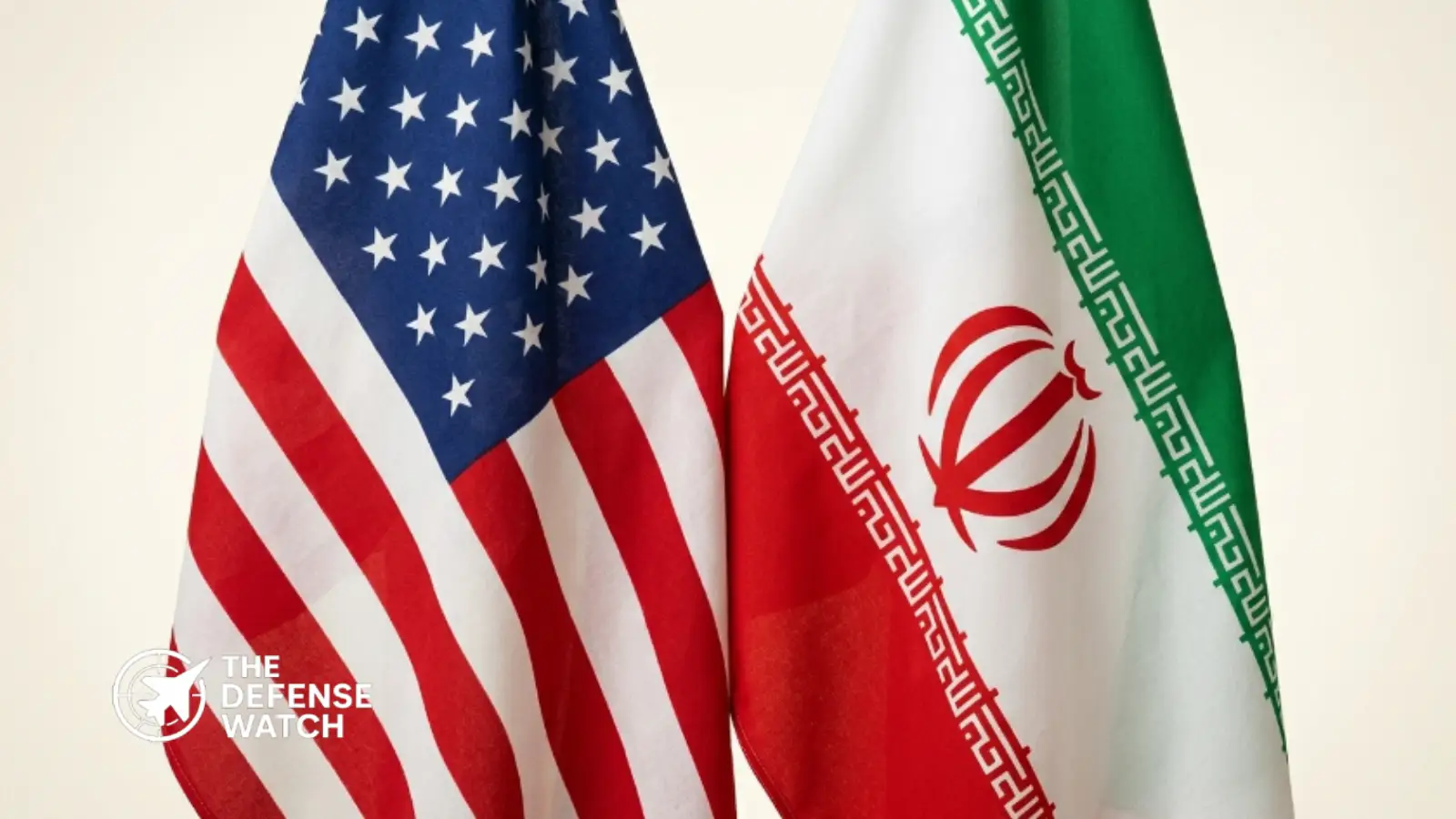
The United States and Iran have reached a preliminary memorandum designed to end more than three months of conflict and reopen the Strait of Hormuz. The agreement creates a framework for phased implementation, while the most difficult issues, including Iran’s nuclear program and sanctions relief, remain subject to negotiations over the next 60 days.
US Iran War Memorandum Creates Framework For De-Escalation
The US Iran war memorandum marks the most significant diplomatic development since fighting erupted earlier this year. According to statements from U.S., Iranian, and Pakistani officials, the agreement establishes an immediate framework for ending military operations and restoring maritime traffic through one of the world’s most strategically important waterways.
Officials from both countries said the memorandum will be formally signed in Switzerland later this week and subsequently published. Pakistan, which helped mediate negotiations, described the arrangement as a pathway toward a permanent cessation of hostilities.
The agreement follows nearly four months of conflict that disrupted regional stability, affected commercial shipping, and increased volatility in global energy markets.
Strait Of Hormuz Reopening Is The Immediate Priority
A central component of the US Iran war memorandum is the planned reopening of the Strait of Hormuz.
The narrow waterway remains one of the world’s most important energy chokepoints, carrying a substantial share of global oil and liquefied natural gas shipments. Both Washington and Tehran stated that maritime traffic would begin returning once the memorandum enters into force.
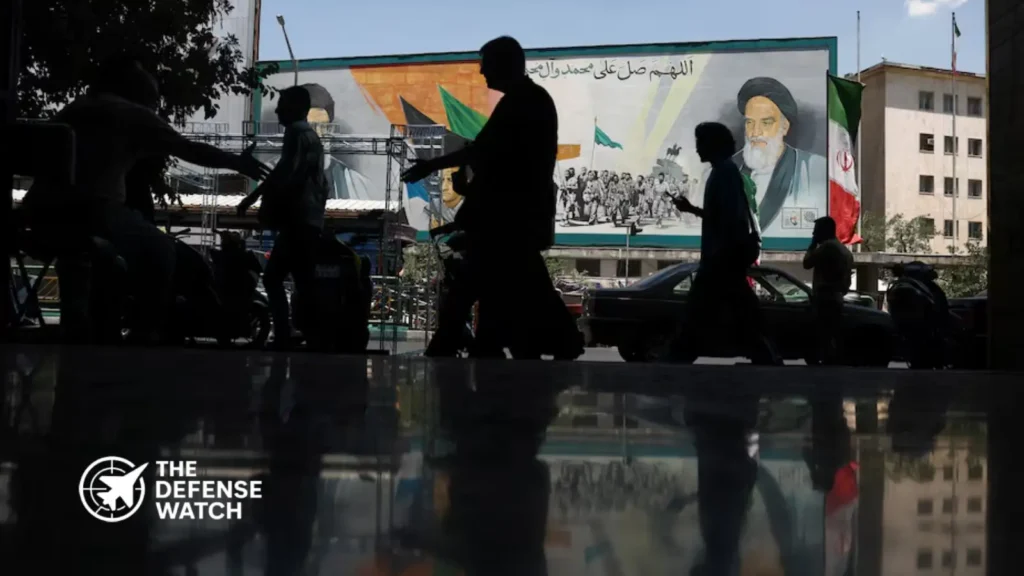
Senior U.S. officials indicated that shipping activity is expected to increase gradually rather than immediately returning to pre-war levels. Maritime security concerns, infrastructure requirements, and verification measures are likely to influence the pace of recovery.
The reopening of the strait is strategically significant not only for regional security but also for global energy markets. News of the agreement contributed to a decline in oil prices as traders anticipated the eventual restoration of normal shipping operations.
Nuclear Issues Remain Unresolved
While the memorandum establishes a ceasefire framework, it does not fully resolve the dispute over Iran’s nuclear program.
Both sides acknowledged that negotiations on nuclear activities and sanctions relief will continue during a 60 day follow-on process. These talks are expected to address some of the most contentious issues that have defined U.S.-Iran relations for decades.
The decision to separate immediate de-escalation measures from longer-term nuclear negotiations appears designed to secure quick progress on ending hostilities while creating space for more complex diplomatic discussions.
From a strategic perspective, this reflects a common conflict-resolution approach in which parties first stabilize the security environment before attempting to resolve deeper political and security disputes.
Why The Agreement Matters
The US Iran war memorandum is important because it addresses immediate operational concerns while avoiding the collapse of ongoing diplomacy.
The agreement provides three near-term benefits:
- Reduces the risk of renewed large-scale military operations.
- Creates conditions for commercial shipping to resume.
- Establishes a diplomatic framework for future nuclear negotiations.
At the same time, significant challenges remain.
The memorandum functions more as a roadmap than a final settlement. Major issues involving Iran’s nuclear activities, sanctions policy, regional security arrangements, and long-term verification mechanisms have not yet been finalized.
This means the next 60 days could prove as important as the agreement itself.
Strategic Analysis
From a defense and geopolitical perspective, the memorandum represents a tactical de-escalation rather than a comprehensive peace agreement.
The immediate reopening of maritime routes benefits global trade and reduces pressure on energy markets. However, the durability of the arrangement will depend on whether negotiators can convert the current framework into a broader political settlement.
For Washington, the agreement offers an opportunity to stabilize a critical region without further military escalation.
For Tehran, it provides a pathway toward economic relief and renewed international engagement.
For regional actors and global energy consumers, the most immediate measure of success will be whether commercial traffic through the Strait of Hormuz can safely return to normal operations over the coming weeks.
Conclusion
The US Iran war memorandum represents a major diplomatic breakthrough after months of conflict. While the framework opens the door to the reopening of the Strait of Hormuz and a reduction in military tensions, the agreement leaves core disputes unresolved.
The next phase of negotiations, particularly those involving Iran’s nuclear program and sanctions, will determine whether the current framework evolves into a lasting settlement or remains a temporary pause in a broader strategic confrontation.
