
Executive Summary:
NATO officials say increasing defense production has become one of the alliance’s most pressing priorities as member states raise military spending and replenish depleted inventories. Türkiye argues that its expanding defense industrial base, extensive export portfolio, and manufacturing capacity position it to play a larger role in supporting NATO’s long-term capability requirements.
NATO Defense Production Becomes The Alliance’s Next Strategic Priority
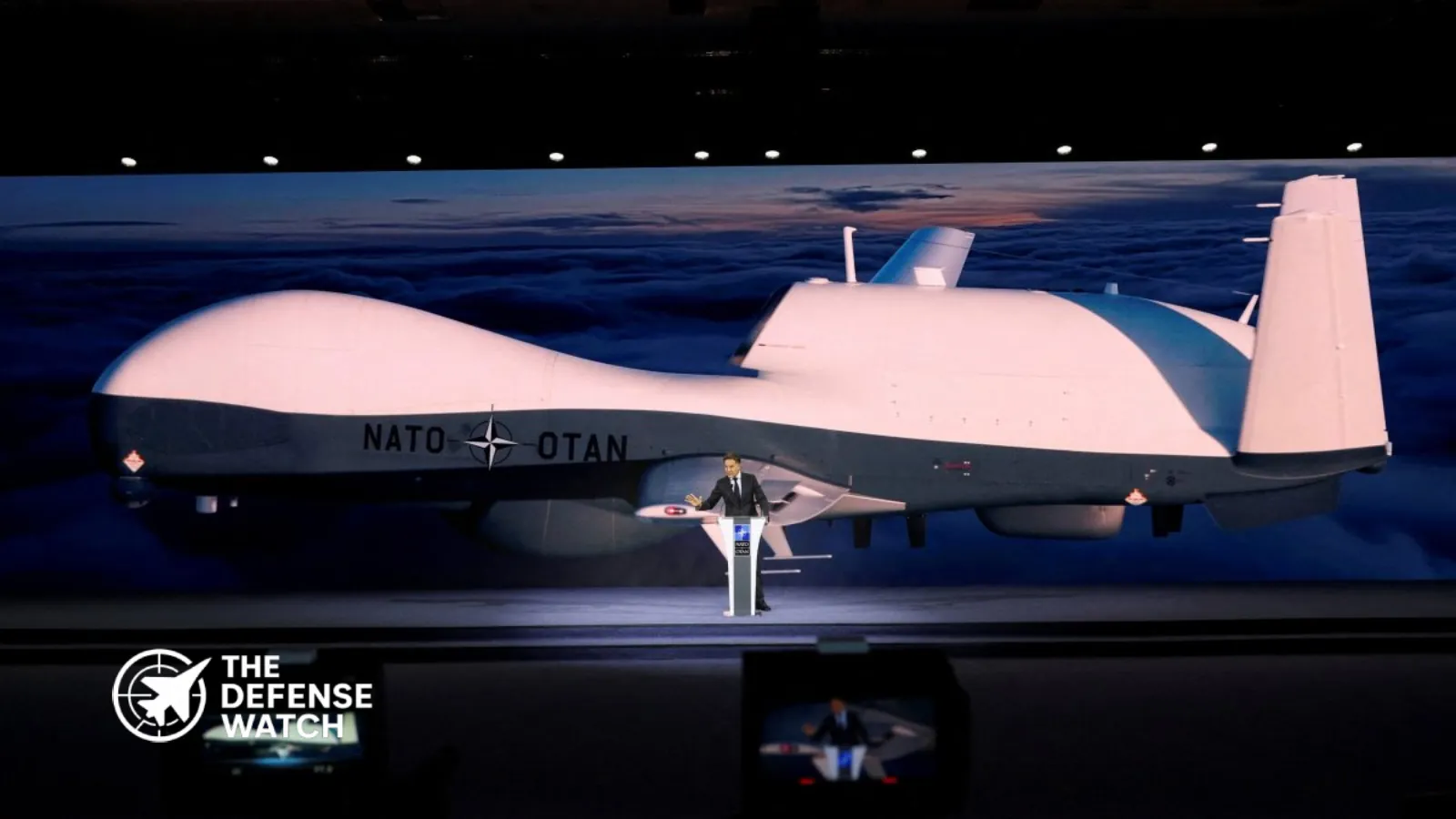
NATO defense production has emerged as a central strategic challenge as allied governments move beyond increasing defense budgets toward expanding industrial capacity capable of sustaining long-term military modernization. During remarks reported by Turkish officials and local media, NATO leaders emphasized that producing military equipment at scale is now as important as committing additional defense spending.
- NATO Defense Production Becomes The Alliance’s Next Strategic Priority
- Production Capacity Has Become NATO’s Critical Bottleneck
- Türkiye Seeks Larger Role In NATO’s Industrial Base
- Industrial Capacity Is Becoming A Strategic Capability
- Türkiye’s Manufacturing Portfolio Continues To Expand
- Why NATO’s Production Challenge Matters
- Outlook
The discussion comes after NATO members agreed to significantly increase defense investment targets while confronting growing security challenges across Europe, the Middle East, and the Indo-Pacific. Officials increasingly acknowledge that higher budgets alone will not strengthen deterrence unless defense manufacturers can rapidly deliver aircraft, missiles, armored vehicles, munitions, and advanced electronic systems.
Türkiye has responded by highlighting its growing defense industrial capabilities and its readiness to contribute more extensively to alliance procurement and production efforts.
Production Capacity Has Become NATO’s Critical Bottleneck
Over the past several years, NATO members have accelerated procurement following Russia’s invasion of Ukraine while simultaneously rebuilding national stockpiles and investing in next-generation capabilities.
However, defense officials across the alliance have repeatedly warned that manufacturing capacity has struggled to keep pace with demand.
Key production challenges include:
| Challenge | Operational Impact |
|---|---|
| Limited missile production | Longer replenishment timelines |
| Ammunition shortages | Reduced wartime sustainability |
| Supply chain constraints | Delays in aircraft and vehicle production |
| Skilled workforce shortages | Slower manufacturing expansion |
| Dependence on external suppliers | Strategic industrial vulnerabilities |
Many European governments have responded by expanding domestic manufacturing lines, investing in new factories, and encouraging multinational industrial cooperation.
Türkiye Seeks Larger Role In NATO’s Industrial Base
Turkish officials argue that the country’s defense sector has evolved into one of NATO’s fastest-growing manufacturing ecosystems.
During the past decade, Türkiye has expanded domestic production across multiple defense sectors, including:
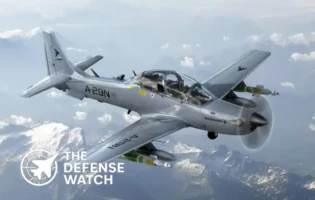
- Unmanned aerial systems
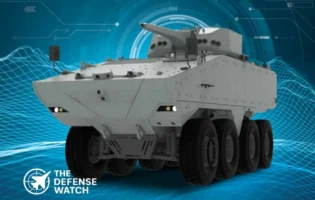
- Armored combat vehicles
- Naval platforms
- Guided missiles
- Electronic warfare systems
- Radar technologies
- Precision munitions
The country has also significantly increased defense exports, supplying equipment to NATO members and partner nations across Europe, the Middle East, Africa, and Asia.
Officials contend that this industrial growth provides additional manufacturing capacity that could support NATO’s broader effort to strengthen alliance readiness.
Industrial Capacity Is Becoming A Strategic Capability
The current NATO debate reflects a broader shift in how military power is measured.
While traditional assessments focused primarily on force structure and operational readiness, alliance planners increasingly view industrial resilience as a strategic capability in its own right.
Modern conflicts require sustained production of:
- Long-range precision weapons
- Air defense interceptors
- Artillery ammunition
- Combat drones
- Replacement armored vehicles
- Spare parts and maintenance components
The war in Ukraine has demonstrated that high-intensity combat rapidly consumes equipment and ammunition, placing sustained pressure on defense manufacturers.
As a result, NATO has begun placing greater emphasis on long-term industrial planning alongside operational force development.
Türkiye’s Manufacturing Portfolio Continues To Expand
Türkiye’s defense industry now includes major domestic programs covering multiple military domains.
These include:
- KAAN fifth-generation fighter development
- Bayraktar and ANKA unmanned aircraft
- Altay main battle tank
- Hisar and SIPER air defense systems
- MILGEM warships
- Indigenous missile and rocket programs
The country’s defense companies have also expanded production facilities while increasing export partnerships with allied nations.
Although many NATO members maintain larger overall defense industries, Türkiye offers relatively mature production capacity across several sectors that have become increasingly important to alliance modernization.
Why NATO’s Production Challenge Matters
The alliance’s renewed focus on industrial output reflects lessons learned from recent conflicts rather than purely future planning.
Large-scale military operations require continuous replacement of equipment lost through combat, maintenance cycles, or training. Without sufficient manufacturing capacity, even well-funded armed forces can face shortages of critical systems.
For the United States and European allies, strengthening NATO’s industrial base also supports several broader objectives:
- Faster replenishment of weapons inventories
- Greater resilience against supply chain disruptions
- Reduced dependence on non-allied suppliers
- Improved interoperability through common production standards
- Increased surge capacity during future crises
Türkiye’s expanding industrial capabilities could contribute to these objectives by providing additional manufacturing capacity across selected defense sectors, particularly unmanned systems, armored vehicles, naval platforms, and precision weapons.
However, integrating national industries into broader NATO procurement frameworks requires continued coordination on certification, interoperability standards, export controls, and multinational production planning.
Outlook
As NATO members continue implementing higher defense spending commitments, industrial production is expected to become an increasingly prominent topic during alliance planning discussions.
Rather than focusing solely on acquiring advanced military systems, governments are now placing equal emphasis on ensuring those systems can be produced quickly and in sufficient numbers during prolonged crises.
Türkiye’s defense industry is positioning itself as one contributor to that broader effort, reflecting NATO’s growing recognition that manufacturing capacity has become an essential component of collective deterrence alongside operational forces.