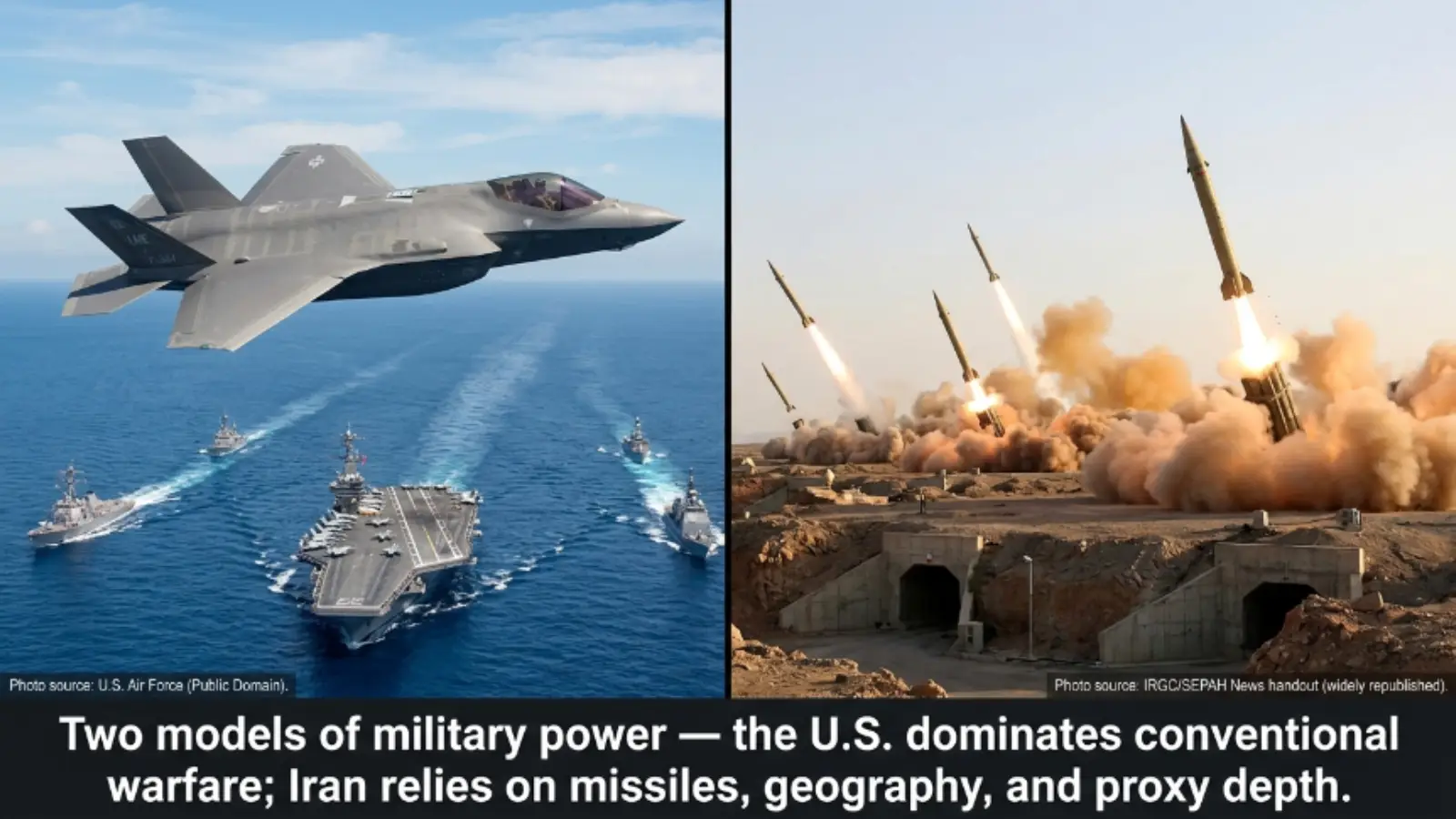
The United States fields the most powerful military force in human history. Iran fields the most capable asymmetric force in the Middle East. As active hostilities and ceasefire negotiations run in parallel through May 2026, this breakdown of US vs Iran military power examines what each side actually brings to the fight — and why the outcome of this conflict is not simply a function of who has the larger defense budget.
- The United States ranks #1 in global military power.
- Operation Epic Fury launched on February 28, 2026 — U.S. and Israeli forces struck nuclear infrastructure, missile production sites, and the compound of Supreme Leader Ali Khamenei, who was killed in the strikes.
- Iran possesses the largest ballistic missile arsenal in the Middle East — over 3,000 missiles — representing its primary strategic equalizer against U.S. air dominance.
- A fragile ceasefire has been in place since April 8, 2026, brokered by Pakistan — but both sides have violated it, and Strait of Hormuz clashes continued as recently as May 8, 2026.
- Trump called Iran’s latest counterproposal, submitted May 10, 2026, “TOTALLY UNACCEPTABLE” — leaving the conflict’s diplomatic resolution deeply uncertain.
US vs Iran War: Who Would Win? A 2026 Military Power Breakdown
The question of who would win a US vs Iran war is no longer entirely theoretical. Since late February 2026, American and Iranian forces have been engaged in a real — if constrained — military confrontation, with Operation Epic Fury reshaping the strategic landscape of the Middle East. As Pakistan-mediated ceasefire talks stall and the Strait of Hormuz remains a live flashpoint, this comparison of US and Iran military power in 2026 carries immediate operational relevance. Raw numbers tell part of the story. Context, doctrine, and geography tell the rest.
Where the Two Forces Stand in 2026
According to GlobalFirepower’s annually updated 2026 rankings, the United States holds a Power Index score of 0.0741 — ranking first among 145 nations — while Iran scores 0.3199, placing it 16th globally. That gap, however, compresses significantly when the analysis shifts from global force projection to regional conflict dynamics.
The U.S. military operates on a global scale with a worldwide network of bases, while Iran focuses its considerable resources on regional influence in the Middle East. This is not merely a structural difference — it is the defining strategic divergence between the two militaries, shaping every domain from air power to naval posture to cyber operations.
Air Power: The United States Holds Decisive Superiority
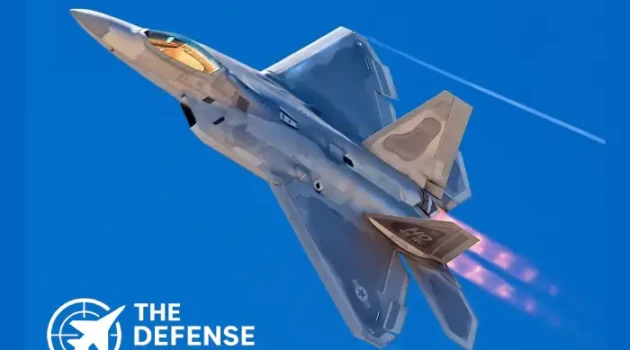
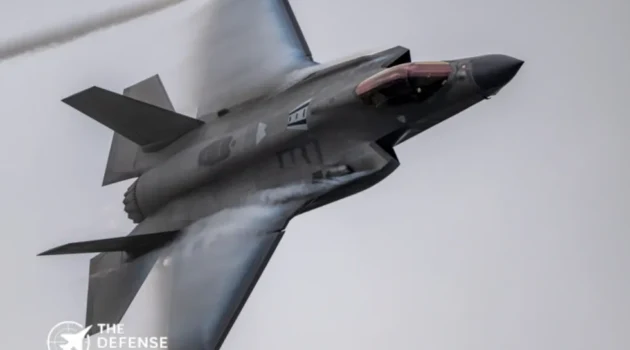
The air power gap is arguably the most decisive asymmetry in any US vs Iran military comparison. The United States operates approximately 13,300 aircraft — including 5th-generation F-22 and F-35 stealth fighters — while Iran’s air force fields roughly 500 aircraft, many of which date to Shah-era purchases from the 1970s.
The 2025 conflict with Israel provided a live demonstration of just how severe that gap is. A senior Iran analyst at the International Crisis Group noted following the June 2025 war that “Iran’s air defenses are no match for the US and Israeli air power.” Earlier, Israeli strikes in October 2024 reportedly destroyed most of Iran’s air defense network, including nearly all of its advanced S-300 systems, long-range surface-to-air batteries, and detection radars.
Iran has attempted to compensate through Russian and Chinese partnerships. China has transferred offensive drones, loitering munitions, and air-defense systems — including variants of the HQ-16 and HQ-17 surface-to-air missile families — while Beijing has also reportedly supplied rocket fuel chemicals sufficient to power hundreds of mid-range ballistic missiles. These transfers meaningfully extended Iran’s strike capabilities but did not close the fundamental air superiority gap.
Iran’s Real Equalizer: Missiles, Drones, and Underground Arsenals
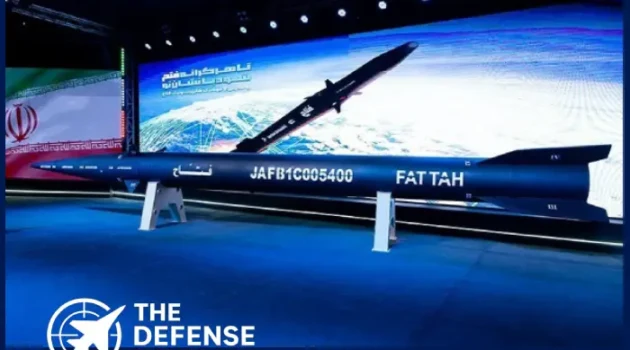
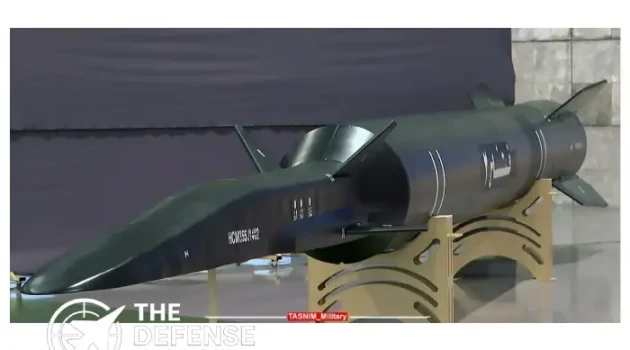
Where Iran genuinely narrows the power differential is in its missile and drone programs. Iran holds the largest ballistic missile arsenal in the Middle East — over 3,000 missiles — and the geographic proximity of U.S. regional bases means those weapons do not require intercontinental range to carry strategic significance.
The Islamic Revolutionary Guard Corps (IRGC) has built extensive “missile cities” deep underground to survive airstrikes, and Iran is surrounded by the Zagros and Alborz mountain ranges, which act as massive natural barriers limiting viable land invasion routes to a narrow few. This combination of hardened infrastructure and challenging terrain makes Iran one of the most difficult military targets in the world — as U.S. planners discovered firsthand during Operation Epic Fury.
Iranian drone doctrine has also evolved considerably. Tehran has developed and deployed large swarms of one-way attack drones — the Shahed family being the most notable — and has supplied these systems to proxy forces across the region, creating a distributed, resilient strike capability that no single air campaign can easily eliminate.
The Proxy Network: Iran’s Strategic Depth
No honest assessment of Iran military power in 2026 can ignore its proxy network, which functions as a force multiplier across at least seven countries. Hezbollah, Iran’s premier proxy, operates as a state-within-a-state in Lebanon with its own military command structure, social services apparatus, and a substantial missile arsenal. Even after Israel’s sustained targeting of Hezbollah leadership — including the killing of Secretary-General Hassan Nasrallah in September 2024 — the organization reconstituted command authority and rebuilt combat capability under successor Naim Qassem.
Iran has increasingly relied on a dual strategy combining foreign-backed military capability with an entrenched proxy network across the Middle East. When Operation Epic Fury struck Iran’s homeland on February 28, the proxy response was near-simultaneous — demonstrating that Tehran’s strategic depth is not simply a deterrent but an active operational instrument.
The Foundation for Defense of Democracies documented in February 2026 that Israeli forces were still killing Hezbollah operatives actively rebuilding military infrastructure south of the Litani River just days before Operation Epic Fury was launched — evidence that the proxy network’s regenerative capacity presents a durable challenge that kinetic strikes alone cannot resolve.
Naval Warfare and the Strait of Hormuz
The Strait of Hormuz remains the single most consequential chokepoint in the conflict. Iran’s three Kilo-class submarines — purchased from Russia in the 1990s — are diesel-electric boats that are exceptionally quiet when operating on battery power in shallow Gulf waters, creating a submarine threat that U.S. anti-submarine warfare assets cannot dismiss. Iran’s fast-attack craft, missile corvettes, and mine-laying capabilities are purpose-built for Hormuz warfare, not blue-water competition with U.S. carrier groups.
The consequences have been severe. By March 10, 2026, only 15 ships made it through the Strait of Hormuz before the United States imposed a naval blockade. Iran subsequently closed the Strait to all foreign shipping and captured several foreign-flagged vessels. The economic disruption has been global — and this is precisely the leverage Iran calculated it could exercise even against a vastly superior conventional adversary.
The 2026 Conflict: What the Fighting Has Revealed
The theoretical has become operational. On February 28, 2026, U.S. and Israeli forces struck targets across Tehran, Isfahan, Qom, Karaj, and Kermanshah — targeting nuclear infrastructure, missile production facilities, and the compound of Supreme Leader Ali Khamenei, who was killed in the strikes. Iran responded with missile and drone strikes against Israel, U.S. bases, and allied countries in the Middle East, while closing the Strait of Hormuz.
In the wider regional escalation, Qatar was targeted by over 200 missiles and drones, Saudi Arabia absorbed at least 38 missiles and 435 drones, and Jordan was struck by a combined 204 missiles and drones. The scale of Iran’s retaliatory salvo underscored that its missile arsenal, while degraded, retained significant operational reach even after sustained strikes on production facilities.
A fragile ceasefire, brokered by Pakistan, took hold on April 8, 2026. But as of May 11, 2026, the diplomatic picture remains deeply uncertain. The U.S. sent Iran a 14-point proposal requiring Tehran to halt all uranium enrichment for at least 12 years and surrender its estimated 440kg stockpile of uranium enriched to 60 percent. Iran’s counterproposal, submitted May 10, focused on ending regional hostilities, maritime security in the Gulf, nuclear negotiations, and sanctions relief. Trump immediately called the response “TOTALLY UNACCEPTABLE.”
Analytical Assessment: Who Would “Win”?
The honest answer to the us vs iran war question is that the framing itself requires qualification. The United States would win any conventional, force-on-force engagement by a large margin — the combination of 5th-generation airpower, carrier strike groups, precision munitions, and global logistics creates an asymmetry that Iran’s military planners have never sought to overcome on those terms.
What Iran has instead built is a military designed to make winning costly, protracted, and strategically ambiguous. Iran’s doctrine is built around imposing costs rather than winning pitched battles, with an asymmetric framework honed across decades of preparation against a technologically superior adversary. The 2026 conflict has validated this approach: U.S. and Israeli forces struck Iran’s nuclear program and killed its supreme leader, yet the proxy network endures, the Strait of Hormuz remains contested, and diplomatic resolution has proven elusive.
Victory in a conventional sense — full territorial control, elimination of Iran’s military capacity, regime replacement — would require a ground campaign that no senior U.S. military planner has publicly advocated. The mountains, the missile cities, the proxy depth, and the global economic consequences of a prolonged Hormuz closure all counsel against that option. What the 2026 conflict has demonstrated, in operational terms, is that the U.S. can decisively degrade Iran’s conventional and nuclear infrastructure — but that degrading and defeating are not the same thing.
FAQs
Who would win a direct US vs Iran conventional war in 2026?The United States holds an overwhelming conventional military advantage across air power, naval capability, and precision strike. In a force-on-force confrontation, the U.S. would dominate. However, Iran’s missile arsenal, geography, and proxy networks ensure that “winning” would come at considerable cost and strategic complexity.
What is Iran’s biggest military strength against the U.S.?Iran’s ballistic missile arsenal — the largest in the Middle East with over 3,000 missiles — combined with its proxy network spanning Lebanon, Yemen, Iraq, and Syria, and its ability to disrupt the Strait of Hormuz, represent its most effective strategic tools against a superior adversary.
Has the US already fought Iran in 2026?Yes. Operation Epic Fury on February 28, 2026 saw U.S. and Israeli forces strike nuclear and missile sites across Iran. A ceasefire brokered by Pakistan took effect on April 8, though both sides have continued to violate it, including naval clashes in the Strait of Hormuz as recently as May 8, 2026.
How does Iran’s air force compare to the United States?There is no realistic comparison. The U.S. operates approximately 13,300 aircraft including F-22 and F-35 stealth fighters. Iran’s fleet of roughly 500 aircraft includes many aging Shah-era platforms. Iran’s air defenses were also heavily degraded in 2024 and 2025 Israeli strikes.
Can Iran close the Strait of Hormuz against the U.S. Navy?Iran cannot permanently seal the Strait against U.S. naval power, but it can significantly disrupt traffic in the short to medium term using mines, fast-attack craft, shore-based anti-ship missiles, and submarines — as demonstrated in March 2026 when shipping through the Strait was reduced to 15 vessels per day.