atOptions = { ‘key’ : ‘3d48d603f906e3fe9f205be3c4433835’, ‘format’ : ‘iframe’, ‘height’ : 250, ‘width’ : 300, ‘params’ : {} };Executive Summary:
Lithuania’s new coalition government has pledged to secure a long-term and uninterrupted U.S. military presence on its territory as concerns grow over NATO’s eastern flank security. The move comes amid uncertainty surrounding future American troop rotations in the Baltic region and reflects Vilnius’ broader strategy of strengthening deterrence against potential threats from Russia and Belarus.
Lithuania US Military Presence Becomes Coalition Priority
Lithuania’s new coalition government has formally committed itself to pursuing a long-term U.S. military presence, placing the issue at the center of its national security agenda. The agreement was announced following the formation of a new governing coalition led by Social Democrat leader Mindaugas Sinkevicius, who is set to become the country’s next prime minister.
The coalition agreement specifically calls for ensuring the continuous deployment of U.S. military units in Lithuania. For Vilnius, maintaining an American military footprint is viewed as a critical component of deterrence due to the country’s geographic position between Russia’s Kaliningrad exclave and Belarus, a close military partner of Moscow.
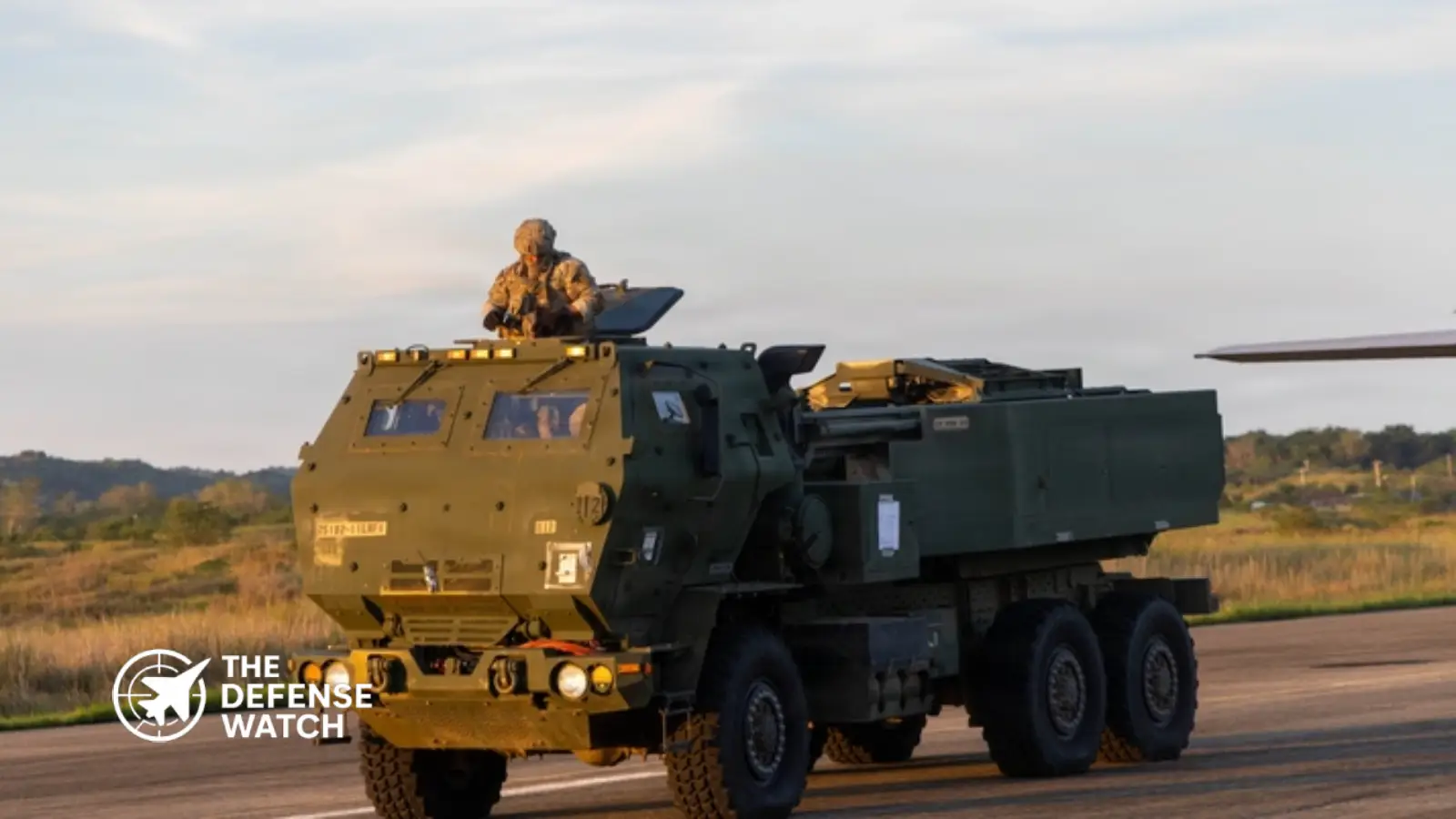
The announcement arrives at a particularly sensitive moment. Earlier this month, Lithuanian officials acknowledged that future U.S. troop rotations remain under review as Washington reassesses its force posture across Europe. The departure of an American armored battalion could leave Lithuania without a U.S. armored presence for the first time since 2020.
Uncertainty Surrounds Future US Deployments
Lithuanian defense officials have repeatedly emphasized that they have received assurances from Washington that future troop rotations will continue. However, questions remain regarding the timing, size, and capabilities of the next deployment.
The current review follows broader discussions within the U.S. Department of Defense regarding troop levels across Europe. U.S. Defense Secretary Pete Hegseth recently announced a fresh assessment of American military deployments while urging NATO allies to increase defense spending and assume greater responsibility for regional security.
For Lithuania, these developments have reinforced the need to institutionalize American military cooperation rather than rely solely on periodic rotations.
Defense Spending Signals Strategic Commitment
One factor strengthening Lithuania’s case for continued U.S. engagement is its significant investment in defense.
The coalition government has pledged to maintain defense expenditures at approximately 5% of gross domestic product, among the highest levels within NATO. Lithuania has already more than tripled defense spending since Russia’s full-scale invasion of Ukraine in 2022. The country’s defense budget is expected to exceed 5% of GDP in 2026.
This sustained investment demonstrates Lithuania’s effort to meet NATO burden-sharing expectations while improving its attractiveness as a host nation for allied forces.
In recent years, Lithuania has invested heavily in military infrastructure, including permanent facilities at the Pabrade training area near the Belarusian border. These facilities were specifically constructed to support American armored units and represent a long-term commitment to hosting allied forces.
Why Lithuania Wants A Long-Term US Military Presence
The strategic rationale behind Lithuania’s position is straightforward.
American military forces serve not only as combat-capable units but also as a visible demonstration of Washington’s commitment to NATO’s collective defense obligations. The presence of U.S. troops on the ground significantly raises the political and military costs of any potential aggression against alliance territory.
Lithuania’s security concerns are shaped by its proximity to both Belarus and Russia’s heavily militarized Kaliningrad region. The ongoing war in Ukraine has further heightened concerns among Baltic states regarding regional stability and deterrence requirements.
By seeking a long-term U.S. military presence, Lithuanian leaders aim to reduce uncertainty while reinforcing NATO’s eastern flank during a period of evolving security challenges.
Wider Regional Competition For US Forces
Lithuania is not alone in seeking deeper American military commitments.
Poland recently proposed hosting a permanent U.S. military base, and Polish defense officials reported a positive response from Washington. The development highlights growing competition among Eastern European allies seeking stronger American security guarantees amid shifting regional dynamics.
At the same time, NATO members across the region continue expanding their own defense capabilities, investing in air defense systems, armored forces, and military infrastructure designed to support allied operations.
From a strategic perspective, Lithuania’s latest coalition agreement reflects a broader trend among frontline NATO states: pairing increased national defense spending with efforts to secure sustained U.S. military engagement.
Strategic Outlook
Lithuania’s decision to prioritize a long-term U.S. military presence underscores the enduring importance of American forces in NATO’s deterrence architecture.
While Washington’s review of European force posture continues, Vilnius is signaling that it intends to remain one of NATO’s most committed defense investors and a reliable host for allied troops. The coalition’s emphasis on defense spending, military modernization, and close cooperation with the United States reflects a clear strategic objective: ensuring that deterrence on NATO’s eastern flank remains credible and sustainable in an increasingly uncertain security environment.