Executive Summary:
Türkiye has unveiled its first intercontinental ballistic missile, marking a significant milestone in its defense modernization efforts. The move reflects Ankara’s intent to expand long-range strike capabilities and strengthen strategic deterrence amid evolving regional security dynamics.
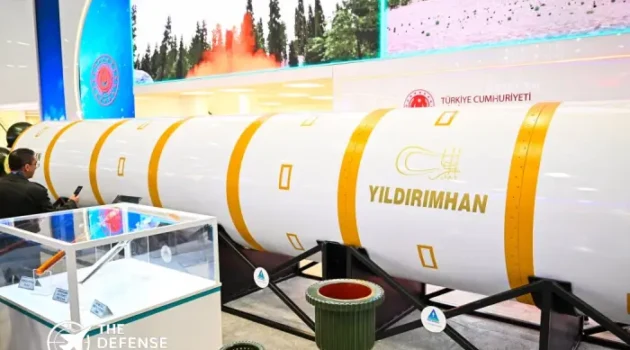
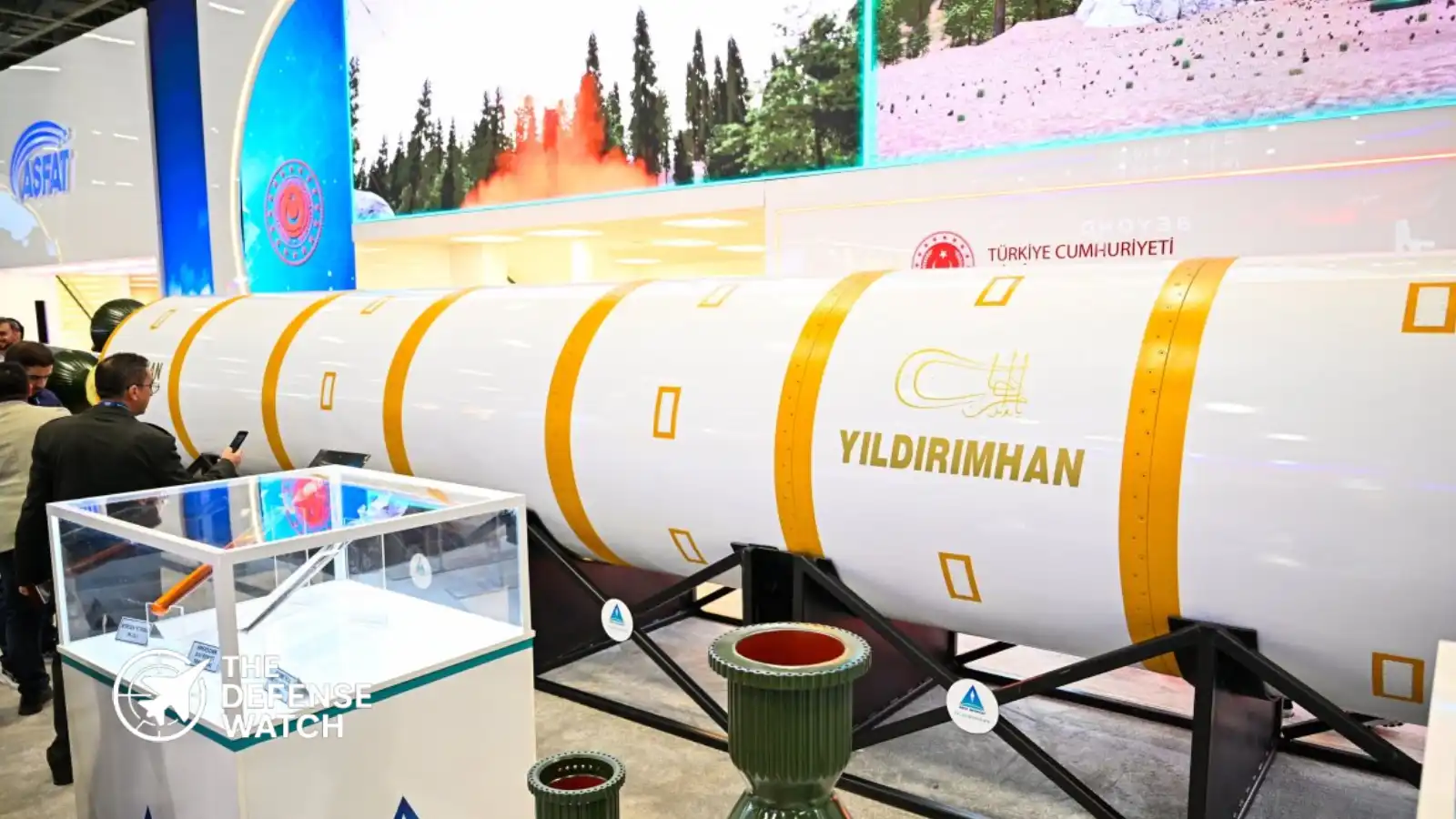
Türkiye’s intercontinental ballistic missile program has entered a new phase following the public unveiling of its first ICBM Named “Yıldırımhan”. The development signals Ankara’s ambition to join a limited group of nations possessing long-range nuclear-capable delivery systems, though no official confirmation of payload type has been disclosed.
The announcement underscores Türkiye’s broader push to achieve greater defense autonomy and extend its strategic reach beyond regional theaters.
Türkiye’s Expanding Missile Capabilities
The newly unveiled system represents a significant step beyond Türkiye’s existing short- and medium-range missile inventory. While technical specifications remain limited, an intercontinental ballistic missile typically implies a range exceeding 5,500 kilometers, enabling potential strike capability across continents.
Türkiye has previously invested in ballistic missile systems such as the Bora and Tayfun programs. The transition toward an ICBM-class platform suggests a deliberate effort to bridge the gap between regional deterrence and global reach.
From an operational standpoint, such a system would enhance Türkiye’s ability to project power, deter adversaries, and reinforce national defense posture. However, the absence of detailed data on propulsion, guidance systems, and payload capacity leaves key questions unanswered.
Strategic Context and Timing
The unveiling comes amid shifting geopolitical dynamics across the Middle East, Eastern Europe, and the broader Eurasian region. Türkiye has increasingly pursued an independent defense strategy, balancing its role within NATO while expanding indigenous military capabilities.
This move can be interpreted as part of Ankara’s long-term strategy to reduce reliance on foreign defense suppliers and to strengthen sovereign deterrence mechanisms. It also aligns with broader investments in missile technology, air defense systems, and space-related capabilities.
In recent years, regional actors have accelerated missile development programs, contributing to a competitive strategic environment. Türkiye’s entry into the intercontinental missile domain may therefore reflect both defensive considerations and a desire to maintain technological parity.
Technical and Operational Considerations
Although official specifications have not been fully disclosed, intercontinental ballistic missiles generally rely on multi-stage propulsion systems and advanced guidance technologies to achieve long-range precision. Survivability features such as mobile launch platforms or hardened silos are also critical components of credible deterrence.
If Türkiye’s system incorporates modern guidance and reentry vehicle technologies, it could significantly enhance accuracy and operational flexibility. However, without verified data, assessments remain preliminary.
Another key factor is integration within a broader command-and-control framework. Effective deployment of an ICBM capability requires secure communication systems, early warning infrastructure, and robust decision-making protocols.
Implications for Regional Security
The introduction of a Türkiye intercontinental ballistic missile capability could influence strategic calculations across multiple regions. Neighboring states and global powers are likely to closely monitor the program’s progress and operational status.
While Türkiye has not indicated any shift in its defense doctrine, the presence of long-range strike systems inherently alters deterrence dynamics. It may prompt increased emphasis on missile defense systems and early warning capabilities among regional actors.
At the same time, Ankara’s position within NATO introduces an additional layer of complexity. The alliance’s collective defense framework traditionally relies on shared capabilities and coordinated deterrence strategies. Türkiye’s independent ICBM development could raise questions about integration, interoperability, and strategic alignment.
Defense Industry and Indigenous Development
The unveiling also highlights the growing maturity of Türkiye’s domestic defense industry. Over the past decade, Ankara has prioritized local production across multiple domains, including unmanned systems, naval platforms, and missile technologies.
State-backed defense firms and research institutions have played a central role in advancing indigenous capabilities. The development of an intercontinental ballistic missile suggests progress in areas such as propulsion engineering, materials science, and systems integration.
This trajectory reflects a broader trend among middle powers seeking to establish self-reliant defense ecosystems. For Türkiye, it reinforces national resilience and reduces vulnerability to external supply chain disruptions.
Analysis: A Strategic Signal Beyond Capability
Beyond the technical milestone, the Türkiye intercontinental ballistic missile reveal serves as a strategic signal. It communicates intent as much as capability.
First, it reinforces Ankara’s aspiration to operate as a major regional power with extended reach. Second, it demonstrates technological progress that may influence defense partnerships and export opportunities. Third, it positions Türkiye within a select group of nations capable of developing long-range missile systems.
However, the effectiveness of this capability will ultimately depend on operational readiness, doctrinal clarity, and integration within broader defense structures.
Without transparency on deployment timelines, testing phases, and operational concepts, the program’s near-term impact remains limited. Still, the long-term implications are substantial.
Conclusion
The unveiling of Türkiye’s intercontinental ballistic missile marks a pivotal moment in the country’s defense modernization journey. It reflects both technological advancement and strategic intent, with potential implications for regional and global security dynamics.
As further details emerge, analysts will assess the system’s true capabilities, deployment plans, and role within Türkiye’s evolving defense doctrine.