Turkish Aerospace Ramps Up National Aircraft Programs
Turkey’s ambitious indigenous aviation initiatives will enter an intensive development and production phase throughout 2026, according to recent statements from Turkish Aerospace Industries (TAI) officials. The Turkish national aviation project encompasses multiple parallel programs aimed at reducing foreign dependency in critical military aviation capabilities.
Turkish Aerospace Industries has outlined an aggressive timeline for several domestic aircraft platforms, with 2026 marking a pivotal year for program maturation and initial deliveries across multiple product lines. The announcements signal Turkey’s commitment to establishing comprehensive domestic aviation capabilities spanning fighter aircraft, trainers, and unmanned systems.
KAAN Fifth-Generation Fighter Development Accelerates
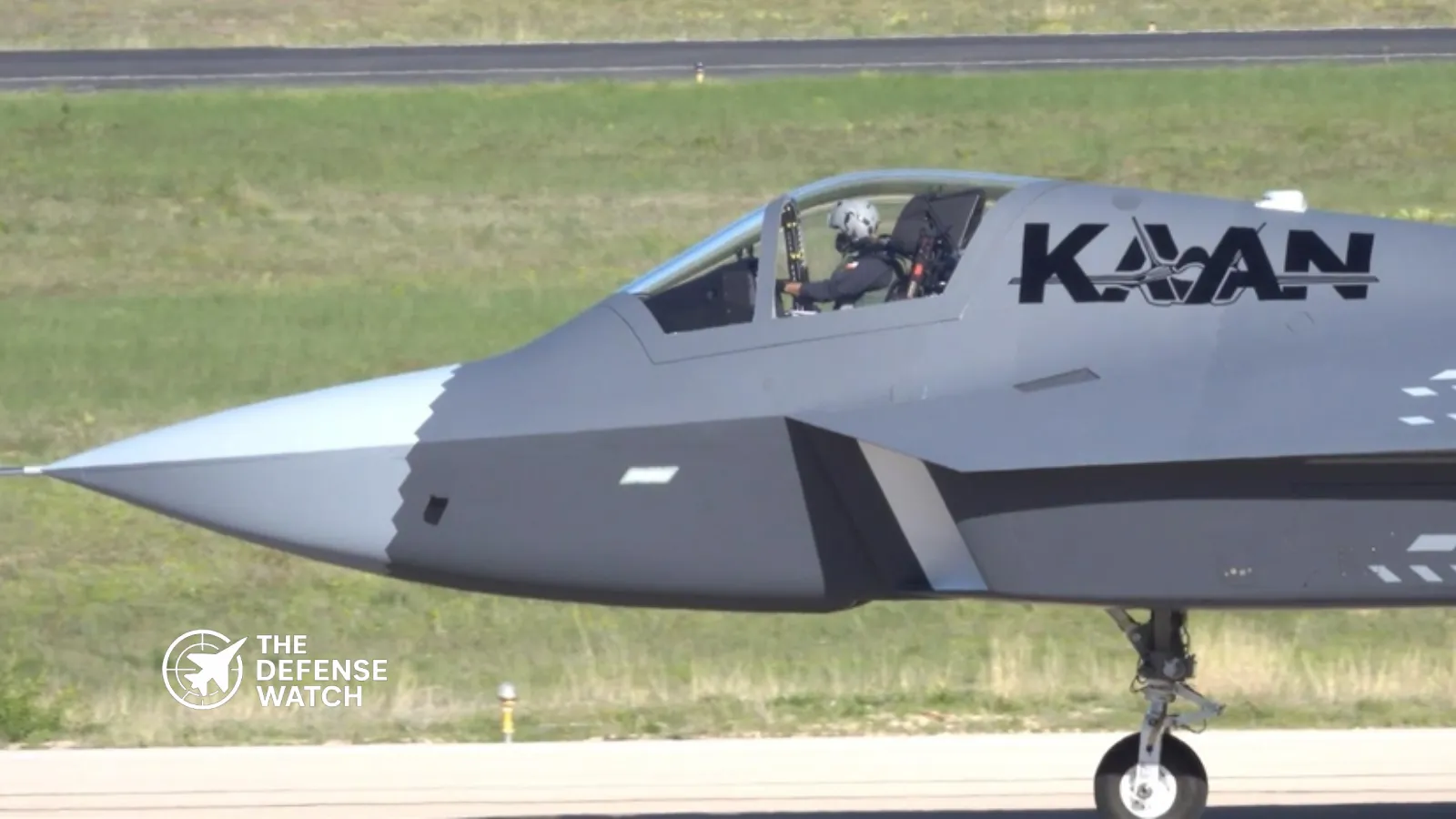
The centerpiece of Turkey’s national aviation ambitions remains the KAAN fifth-generation fighter aircraft program. Turkish Aerospace Industries has confirmed that intensive work will continue on the KAAN platform throughout 2026, with focus areas including flight testing expansion, systems integration, and preparation for serial production.
The KAAN program represents Turkey’s most ambitious aerospace undertaking, aiming to deliver an indigenous air superiority fighter with advanced stealth characteristics and networked warfare capabilities. Development timelines indicate that 2026 will be critical for validating the aircraft’s performance envelope and completing integration of mission-critical systems.
According to Turkish defense officials, the KAAN fighter is designed to eventually replace legacy F-16 platforms in Turkish Air Force service while providing capabilities comparable to contemporary fifth-generation fighters. The program timeline calls for continued prototype testing throughout 2026 ahead of planned initial operational capability later this decade.
Hürjet Advanced Jet Trainer Production Intensifies
Alongside the KAAN fighter program, Turkish Aerospace Industries will dedicate significant resources to the Hürjet advanced jet trainer and light attack aircraft during 2026. The Hürjet platform is designed to provide advanced pilot training capabilities while offering potential light combat functionality.
The Hürjet program has progressed through initial flight testing phases, with 2026 expected to bring expanded flight envelope testing and systems validation. Turkish Aerospace officials have indicated that production preparation activities will intensify as the program approaches transition from development to serial manufacturing.
The dual-role capability of the Hürjet platform positions it as both a trainer replacement for aging Turkish Air Force T-38 aircraft and a potential light attack platform for export markets. Development officials have emphasized the aircraft’s design flexibility and modern systems architecture as key competitive advantages.
Hürkuş Turboprop Trainer Deliveries Continue
The Hürkuş turboprop basic trainer represents the most mature element of Turkey’s national aviation portfolio, with production deliveries continuing through 2026. Turkish Aerospace Industries has established serial production capabilities for the Hürkuş platform, which serves as the initial training aircraft for Turkish Air Force pilots.
Production activities for the Hürkuş during 2026 will focus on fulfilling existing Turkish Air Force orders while pursuing international export opportunities. The platform has demonstrated operational readiness through Turkish military service and represents a proven success within Turkey’s broader indigenous aviation strategy.
Turkish defense industry sources indicate that Hürkuş production will continue at established rates throughout 2026, providing both domestic deliveries and supporting Turkey’s defense export ambitions in the trainer aircraft market segment.
(adsbygoogle = window.adsbygoogle || []).push({});Strategic Implications for Turkish Defense Industry
The simultaneous advancement of multiple indigenous aircraft programs during 2026 reflects Turkey’s comprehensive approach to aerospace industrial development. By maintaining parallel efforts across fighter, trainer, and unmanned platforms, Turkish Aerospace Industries is building integrated design, manufacturing, and testing capabilities that extend beyond individual programs.
This multi-program strategy serves several strategic objectives for Turkey’s defense industrial base. First, it distributes technical risk across multiple platforms while building cumulative engineering expertise. Second, it creates potential export opportunities across different market segments and customer requirements. Third, it reduces foreign dependency for critical military aviation capabilities.
The intensive 2026 work schedule also demonstrates Turkey’s commitment to maintaining program momentum despite broader economic and geopolitical challenges. Turkish defense officials have consistently emphasized aerospace self-sufficiency as a national priority, with the 2026 acceleration reflecting resource allocation aligned with these strategic goals.
Technical Workforce and Industrial Capacity Expansion
Supporting the ambitious 2026 production and development timeline requires continued expansion of Turkey’s aerospace workforce and industrial infrastructure. Turkish Aerospace Industries has invested significantly in engineering talent development, manufacturing facilities, and testing capabilities to support simultaneous program advancement.
The company’s Ankara facilities have undergone substantial modernization to accommodate increased production volumes and more complex system integration requirements. Flight testing infrastructure has similarly expanded to support multiple concurrent programs with different operational requirements and certification timelines.
Industry analysts note that Turkey’s ability to sustain multiple parallel aviation programs depends heavily on successful workforce development and supply chain maturation. The 2026 timeline will test Turkish Aerospace Industries’ organizational capacity to manage complex concurrent development while maintaining quality and schedule performance.
International Partnerships and Technology Transfer
While emphasizing indigenous development, Turkey’s national aviation programs incorporate selective international partnerships for critical subsystems and technologies. Engine development represents the most significant area of international cooperation, with Turkey pursuing domestic engine development while utilizing foreign powerplants for initial production aircraft.
The KAAN fighter program particularly demonstrates this hybrid approach, with initial prototypes utilizing U.S.-origin engines while Turkey develops indigenous alternatives through separate engine development initiatives. This parallel track strategy allows program progression while building long-term technological independence.
Turkish defense officials have indicated that 2026 development activities will include continued integration of both interim and planned indigenous subsystems across multiple platforms. This approach balances near-term operational requirements with long-term self-sufficiency objectives.
Regional and Global Market Positioning
Turkey’s intensive national aviation development during 2026 occurs within a broader context of global defense market evolution and regional security dynamics. The country’s geographic position and NATO membership create unique market opportunities while imposing specific capability requirements.
Export potential represents a significant consideration across all Turkish aviation programs, with platforms designed to address requirements common among regional air forces and developing defense markets. The Hürkuş trainer has already demonstrated export success, while Hürjet and KAAN programs target larger addressable markets in their respective categories.
Turkish defense industry representatives have emphasized cost-effectiveness and operational flexibility as key competitive advantages for national aviation platforms. The 2026 development push aims to demonstrate these capabilities through successful testing and initial operational deployments.
Timeline and Milestones for 2026
Based on Turkish Aerospace Industries statements and program timelines, the 2026 calendar includes several critical milestones across national aviation programs. KAAN fighter testing is expected to expand flight envelope parameters and validate key performance characteristics. Hürjet development should progress toward production transition decisions. Hürkuş deliveries will continue supporting both domestic requirements and export contracts.
The intensive 2026 schedule reflects accumulated progress from earlier development phases while setting the stage for operational deployments and production acceleration in subsequent years. Turkish defense officials have characterized 2026 as a transition year where multiple programs move from primarily development activities toward production and operational focus.