USS Gerald R. Ford Deploys to Latin American Waters
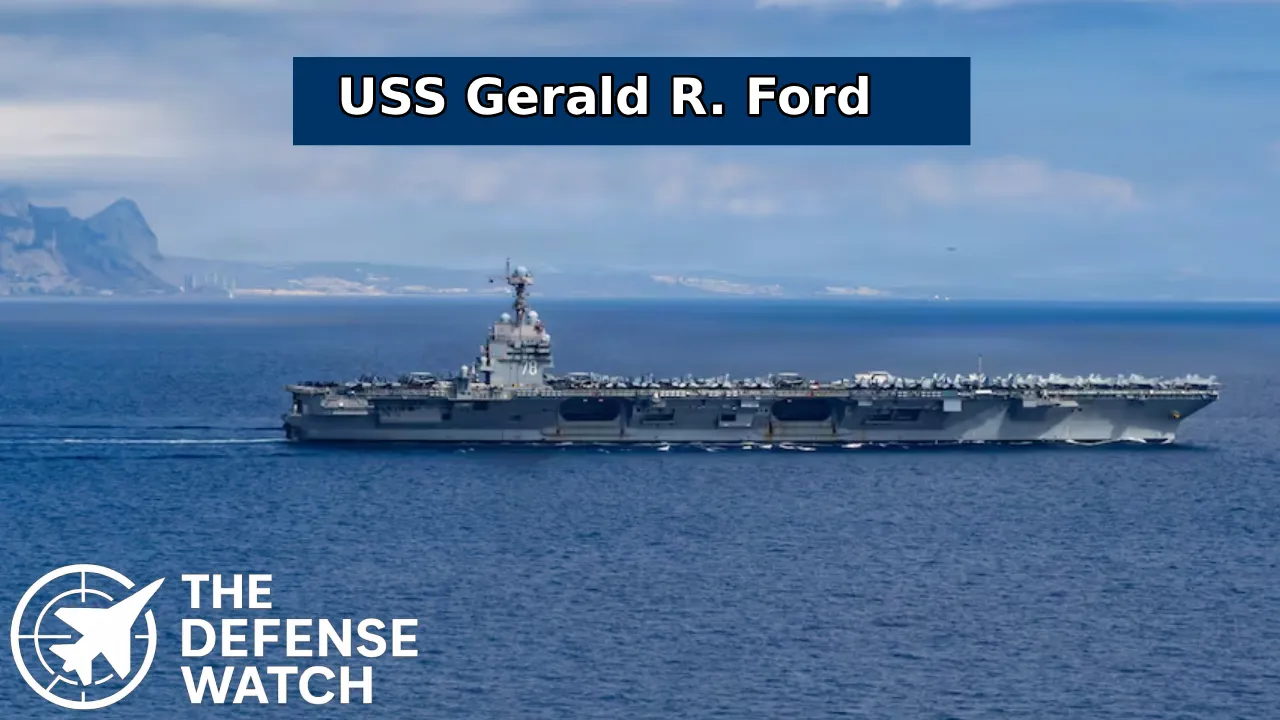
The USS Gerald R. Ford (CVN-78), the U.S. Navy’s newest and largest aircraft carrier, entered the U.S. Southern Command (USSOUTHCOM) area of responsibility on November 11, 2025. The carrier departed the Mediterranean on November 4 as part of a strategic deployment aimed at supporting U.S. counternarcotics operations in Latin America.
Background: Strategic Deployment and Regional Security
The Pentagon had announced in late October that the Gerald R. Ford Carrier Strike Group would transit to the Western Hemisphere to reinforce the U.S. military presence and enhance regional security efforts. The deployment underscores the U.S. commitment to combating illicit trafficking and transnational threats that could affect the safety and prosperity of the United States and its allies in the region.
Details of the Deployment
The USS Gerald R. Ford joins eight other Navy vessels currently operating in the USSOUTHCOM area, including the USS Iwo Jima, USS Fort Lauderdale, USS San Antonio, USS Lake Erie, USS Jason Dunham, USS Gravely, USS Stockdale, and USS Wichita. Combined, these ships carry roughly 6,000 personnel. The Gerald R. Ford alone hosts approximately 4,000 sailors and dozens of tactical aircraft.
The Carrier Strike Group includes nine squadrons from Carrier Air Wing Eight, guided-missile destroyers USS Bainbridge and USS Mahan, and the missile defense command ship USS Winston S. Churchill. Additionally, the USS Gerald R. Ford embarked the Iwo Jima Amphibious Ready Group and a Marine Expeditionary Unit under a joint task force, enhancing the U.S. Navy’s operational flexibility.
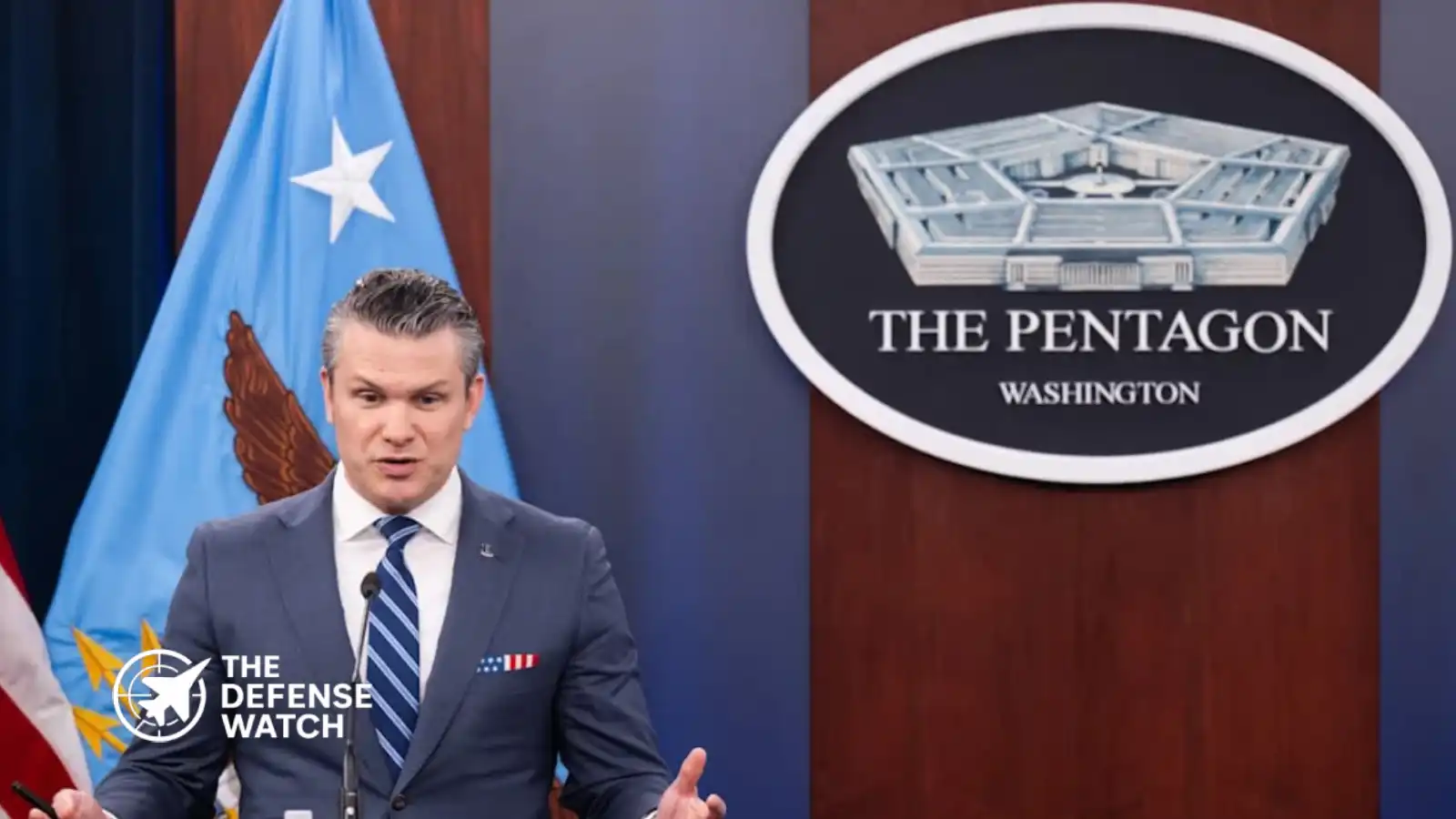
“The enhanced U.S. force presence in the USSOUTHCOM AOR will bolster U.S. capacity to detect, monitor, and disrupt illicit actors and activities that compromise the safety and prosperity of the United States homeland and our security in the Western Hemisphere,” said Chief Pentagon Spokesperson Sean Parnell.
Operational Context
This deployment follows a series of military operations in the region targeting vessels suspected of transporting narcotics. Since September, U.S. forces have conducted strikes against drug-carrying ships, reportedly resulting in 19 targeted actions and at least 75 fatalities among those aboard the vessels. While the Pentagon has not disclosed the full operational objectives, the presence of the Gerald R. Ford and its strike group aims to strengthen maritime security and ensure freedom of navigation across Latin American waters.
SOUTHCOM Commander Adm. Alvin Holsey highlighted the strategic intent of the deployment: “Through unwavering commitment and the precise use of our forces, we stand ready to combat the transnational threats that seek to destabilize our region.”
Looking Ahead: Regional Impact and Strategic Significance
The deployment of the USS Gerald R. Ford Carrier Strike Group to Latin America represents a significant escalation in U.S. naval presence in the Western Hemisphere. Analysts note that such high-profile deployments serve both operational and deterrence purposes, signaling U.S. commitment to countering narcotics trafficking and regional threats while strengthening ties with partner nations through potential joint exercises and maritime security cooperation.
As the Gerald R. Ford Carrier Strike Group integrates with existing naval assets in the USSOUTHCOM area, ongoing monitoring of illicit maritime activity and coordinated counternarcotics operations are expected to remain a primary focus. The deployment also provides critical training and operational experience for carrier personnel in complex maritime environments.