The June 2025 strikes by the United States and Israel damaged or destroyed most of Iran’s visible nuclear infrastructure. But satellite imagery, IAEA reporting, and open-source intelligence through May 2026 reveal a program that is rebuilding, burrowing deeper, and racing to restore capability before a diplomatic window or a next strike closes. This is what the map of Iran’s nuclear sites actually shows — and what any future strike would have to target.
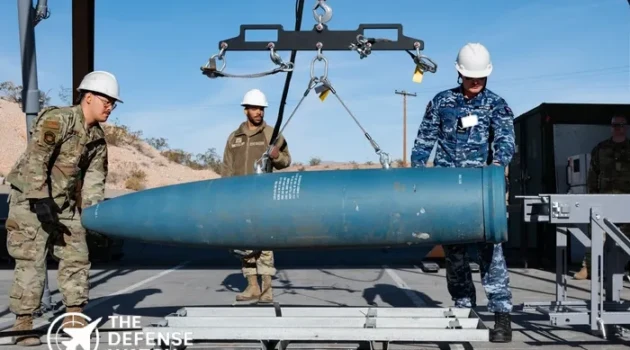
- Operation Midnight Hammer (June 22, 2025) deployed 7 B-2 stealth bombers dropping 14 GBU-57 Massive Ordnance Penetrator bunker-busters — 12 on Fordow, 2 on Natanz — along with 30+ Tomahawk missiles against Isfahan.
- Fordow is buried 80–90 meters under limestone-and-rock overburden near Qom — Iran’s most hardened enrichment site and the primary engineering driver behind the GBU-57’s development.
- Roughly 400 kg of 60%-enriched uranium — enough for several weapons if further enriched — remains unaccounted for, likely buried under rubble at Fordow, Natanz, and Isfahan.
- Iran has not permitted IAEA inspectors access to any struck nuclear site since June 2025. The UN watchdog now relies solely on satellite imagery.
- A new deeply buried site called “Pickaxe Mountain” south of Natanz is under accelerated construction at an estimated depth of 80–100 meters, potentially intended to house the next generation of advanced centrifuges.
Iran’s Nuclear Sites: Mapped, Analyzed, and What a Strike Would Actually Target
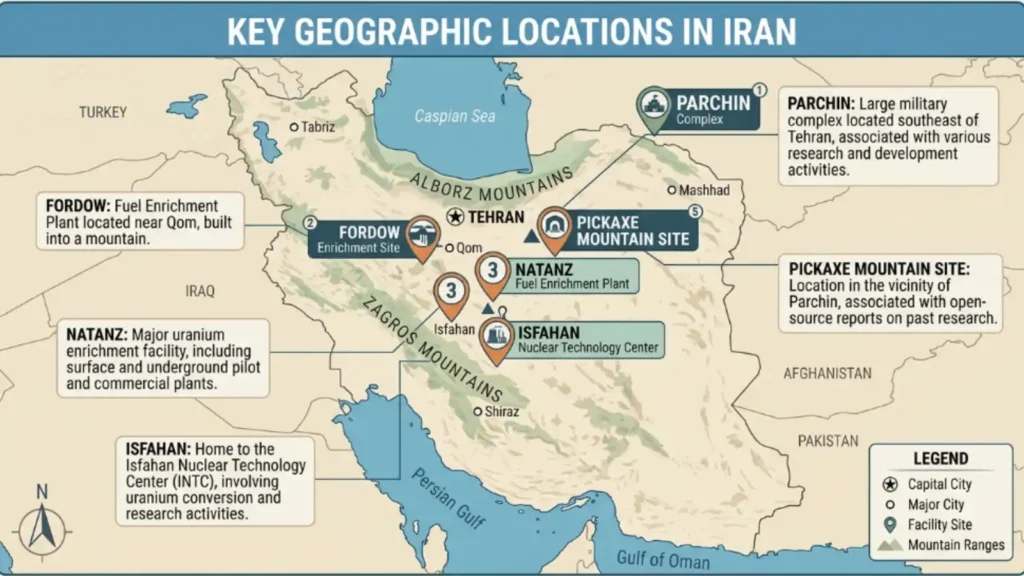
Fordow. Natanz. Isfahan. Parchin. These are not just names on an intelligence map — they are the physical backbone of Iran’s nuclear ambitions, places where centrifuges spun, uranium was converted, and weapons-relevant experiments were conducted. Understanding this nuclear facilities map in Iran is now more urgent than ever, because since June 2025, the geography of proliferation has been redrawn — yet not erased.
When U.S. B-2 bombers executed Operation Midnight Hammer on June 22, 2025, they struck what defense planners had spent 15 years preparing to hit. The results were consequential but incomplete. As of spring 2026, Iran is actively rebuilding, hardening, and burying what remains — raising the enduring question that every strike planner faces: what survives, and what comes next?
Natanz: The Nerve Center of Iran’s Enrichment Program
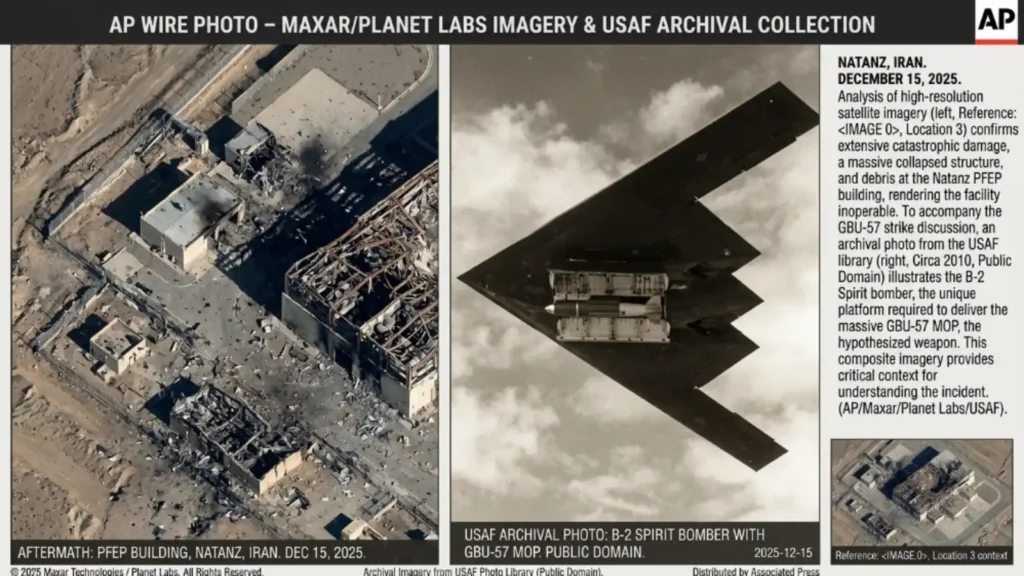
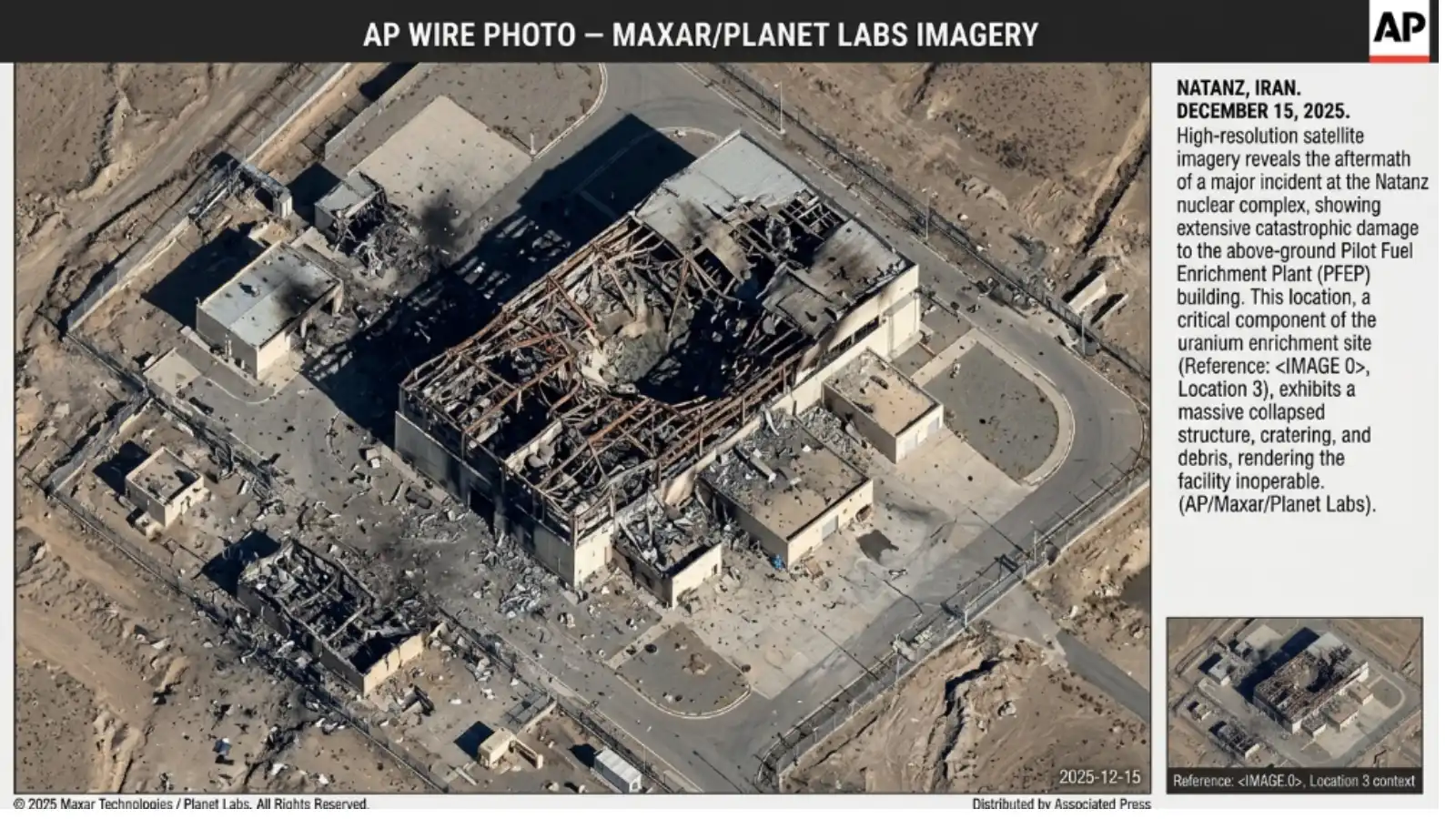
Located roughly 250 kilometers south of Tehran in Isfahan Province, the Natanz Nuclear Complex was — until last summer — the heart of Iran’s enrichment infrastructure. The site houses two main enrichment facilities: the above-ground Pilot Fuel Enrichment Plant (PFEP) and the deeply buried Fuel Enrichment Plant (FEP), the latter sitting several stories underground.
Israeli strikes on June 13 left the aboveground PFEP “functionally destroyed,” with the IAEA confirming a radiological release of alpha particles confined to the facility. An updated assessment on June 17 suggested the underground FEP may also have been penetrated. The U.S. followed with additional strikes on June 21, dropping two GBU-57 Massive Ordnance Penetrators directly into the underground facility’s centrifuge halls.
On March 2, 2026, the facility was struck again by the United States, with entrance buildings sustaining significant damage. A further American strike on March 21 followed, after which Iran accelerated construction at the nearby Pickaxe Mountain underground site.
Despite the cumulative damage, a critical caveat remains. Satellite imagery shows that roofs have been constructed over damaged buildings at Natanz, blocking overhead observation — the only monitoring tool currently available, since Iran has barred IAEA inspectors from the site.
Fordow: The Hardest Target on the Map
If Natanz is the nerve center, Fordow is the fortress. Buried 80–90 meters under rock near the city of Qom, approximately 160 kilometers south of Tehran, the Fordow Fuel Enrichment Plant was originally an Islamic Revolutionary Guard Corps missile base before being converted into an underground uranium enrichment complex. It was, and arguably still is, the most physically protected nuclear site on earth outside a declared weapons state.
Fordow was literally the reason the GBU-57 exists. Pentagon officials confirmed that for more than 15 years, DTRA analysts studied the facility’s geology, construction materials, vent shafts, and environmental systems — every nook and crack — specifically to engineer a weapon capable of destroying it.
During Operation Midnight Hammer, B-2 bombers dropped 12 GBU-57s on Fordow — six down two holes — in a deliberate “double tap” tactic designed to drill successive penetrators deeper into the same entry points. The IAEA’s Director General confirmed in September 2025 that “almost all sensitive equipment” at the site had been destroyed.
Yet even this outcome carries qualifications. While the GBU-57 can reportedly penetrate up to 60 meters of unspecified material, Iranian domestic research has produced concrete exceeding 30,000 psi compressive strength, significantly reducing the bomb’s effective depth. The limestone composition of Fordow’s overburden adds further uncertainty about actual penetration achieved.
The analyst’s caveat: Fordow may be physically damaged, but its approximately 400 kilograms of 60%-enriched uranium — sufficient material to produce several weapons if enriched to 90% — is still unverified and potentially entombed in inaccessible tunnels. Grossi himself warned that if Iran chose to further enrich its surviving stockpile to weapons-grade, the process would take only a matter of weeks.
Isfahan: The Conversion and Manufacturing Hub
Isfahan — or Esfahan — houses a cluster of facilities collectively forming Iran’s nuclear fuel cycle midstream: the Uranium Conversion Facility (UCF), the Fuel Manufacturing Plant (FMP), the Nuclear Technology Center, and several specialized processing labs. During the June 2025 strikes, damage was confirmed at Isfahan’s chemical laboratory, uranium conversion plant, Tehran reactor fuel manufacturing plant, and its UF4-to-enriched-uranium-metal processing facility.
The Isfahan mountain tunnel complex, which was under construction to house a new enrichment plant, was heavily damaged. The IAEA stated it does not know the precise location of this planned facility, its safeguards status, or whether it contained nuclear material at the time of the strikes.
(adsbygoogle = window.adsbygoogle || []).push({});Since the war, Iran has been systematically obscuring damage from overhead observation. Satellite imagery shows that Iran built a roof over a damaged structure near Isfahan’s northeast corner — an area where Israeli strikes reportedly targeted centrifuge manufacturing sites — completing this concealment work by early January 2026.
Parchin and Taleghan 2: The Weaponization Wildcard
Parchin sits approximately 30 kilometers southeast of Tehran and is officially designated as a military explosives research complex. But within its perimeter, the Taleghan 2 facility has long drawn scrutiny from non-proliferation analysts as a site potentially linked to nuclear weapons development work — specifically high-explosive testing relevant to triggering mechanisms.
Israel struck Taleghan 2 in October 2024, disrupting work at the site. Iran did not abandon the program; instead, it encased the rebuilt facility in a concrete sarcophagus and covered it with compacted soil layers in the months leading up to further strikes in early 2026.
On March 12, 2026, the Israel Defense Forces confirmed a strike on Taleghan 2, describing it as “a site used by the Iranian regime to advance nuclear weapons capabilities” and noting it was “used in recent years to develop advanced explosives.” Satellite imagery showed three large penetration impact points directly above the area housing the suspected high-explosive containment vessel.
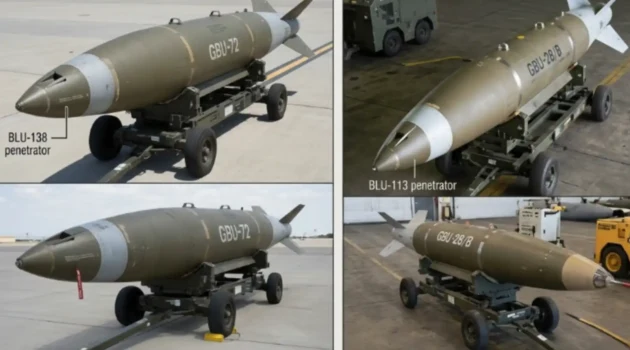
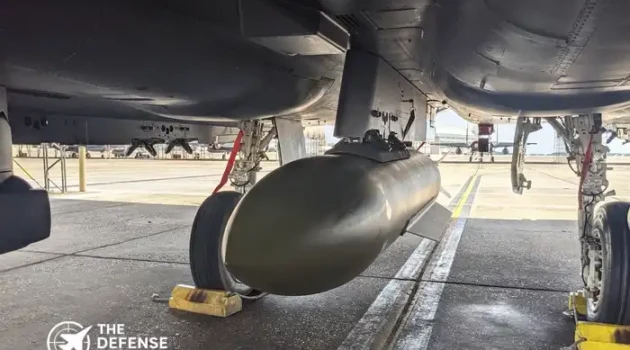
The munitions question remains open. While initial reporting suggested the possible use of GBU-57 MOPs, only U.S. B-2 bombers are certified to carry them. Israel is known to possess GBU-28 and GBU-72 5,000-pound earth-penetrating weapons, either of which would be capable of penetrating the concrete and soil hardening.
Pickaxe Mountain: The Site That Wasn’t Struck — and What That Means
Perhaps the most consequential element of the current Iran nuclear map is a facility that neither the United States nor Israel has yet successfully destroyed: the Pickaxe Mountain complex, formally known as Kūh-e Kolang Gaz Lā, located approximately one mile south of the Natanz perimeter fence.
Excavation at this site is estimated to have reached depths of 80 to 100 meters under hard granite rock — depths that Iranian engineers specifically calculated to provide survivability against the American GBU-57 MOP dropped by B-2 bombers. Security walls have been completed, and analysts assess the facility is designated to house the next generation of thousands of advanced centrifuges.
(adsbygoogle = window.adsbygoogle || []).push({});Construction at Pickaxe Mountain is accelerating in parallel with Iran’s broader post-war nuclear reconstitution strategy, suggesting Tehran intends to preserve enrichment capability underground at depths that conventional strike packages may struggle to confidently neutralize.

This creates a significant doctrinal problem for Western planners. A facility buried under 80–100 meters of granite — harder and denser than the limestone above Fordow — may require a successor to the GBU-57 to hold at genuine risk. DTRA officials have confirmed they are now using battle damage assessment data from Operation Midnight Hammer to inform the design of a next-generation deep-penetrating munition.
Air Defense Coverage: The Strike Corridor Problem
Iran’s nuclear sites are distributed across a wide geographic arc from Qom in the north to Isfahan in the center — a layout that complicates any single strike package. Before June 2025, Iran maintained layered air defense coverage around its nuclear sites using a mix of Russian-supplied S-300 systems, domestically produced Bavar-373 batteries, and shorter-range Tor-M1 and Khordad-15 systems.
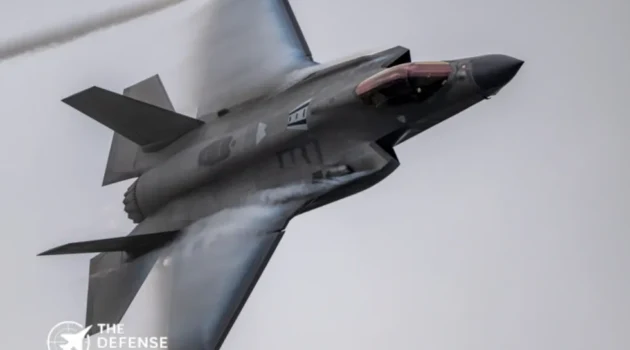
Israel’s multi-year strategic campaign systematically neutralized Iran’s air defense architecture — first destroying Syrian-based assets, then suppressing Iranian air defenses directly — which by June 2025 had opened what analysts describe as “absolute aerial freedom of operation in Iranian skies.” Operation Midnight Hammer exploited this window: the strike package included F-22 and F-35 fighters for air defense suppression, deception tactics, and fighter sweeps to clear a corridor for the B-2s before a single bomb was dropped.
Iran has since prioritized air defense reconstitution. As of early 2026, Tehran is working to rehabilitate its surface-to-air missile inventory and rebuild destroyed launch infrastructure as its primary strategic priority, with the goal of denying the aerial access that made Midnight Hammer possible.
What the Damage Assessment Actually Tells Us
The honest assessment of where Iran’s nuclear program stands in 2026 is this: severely damaged, but not dismantled.
Key nodes eliminated during the combined Israeli and American strikes included four centrifuge manufacturing and testing plants, uranium conversion and metal labs, enrichment plants, and weaponization sites. Pentagon analysts assessed the program had been set back by one to two years, closer to two.
But the structural problem that remains is not one that additional bombs can fully resolve. Roughly 400 kilograms of highly enriched uranium remain unaccounted for, likely entombed within the Fordow and Isfahan tunnel complexes whose entrances have since been buried or backfilled. Bombs cannot produce verified inventories — that requires inspectors, and Iran has refused to allow them in.
(adsbygoogle = window.adsbygoogle || []).push({});Meanwhile, Iran has adopted what analysts describe as a “differential reconstruction doctrine” — combining a public posture of diplomatic openness with the parallel acceleration of air defense rehabilitation, ballistic missile reconstitution, and deep underground hardening of nuclear facilities, betting that survivability itself becomes a strategic deterrent.
Analysis: The Limits of Kinetic Counter-Proliferation
What the Iran nuclear site map reveals, when studied honestly, is an arms race between penetrating munitions and burrowing construction. Iran watched Operation Midnight Hammer and drew a direct lesson: go deeper. Pickaxe Mountain’s 80–100-meter granite ceiling is not an accident of geography — it is an engineered response to the GBU-57’s published penetration envelope.
For U.S. and Israeli planners, this creates a self-reinforcing cycle. Each strike drives Iranian engineers further underground; each new facility demands a more powerful munition; each more powerful munition requires years of development and limited-production B-2 delivery. The Air Force’s recent $62.55 million Boeing contract to replenish its GBU-57 stockpile — described in acquisition documents as “critically needed” — underscores just how thin the deep-strike inventory became after Midnight Hammer.
(adsbygoogle = window.adsbygoogle || []).push({});Ultimately, the most dangerous element on the Iran nuclear map is not the damaged facilities. It is the unverified 400-kilogram HEU stockpile, the unmonitored Pickaxe Mountain excavation, and the Taleghan 2 weaponization program that Iran rebuilt — twice — after being struck. Kinetic strikes can disrupt timelines. Only verified diplomacy and sustained inspection access can close the gap.
FAQs
Does Iran have nuclear weapons?As of May 2026, Iran has not been confirmed to possess a functional nuclear weapon. It accumulated approximately 400 kg of 60%-enriched uranium before Operation Midnight Hammer in June 2025. That material, if further enriched to 90%, would be sufficient for several weapons, but its current location remains unverified by the IAEA.
What happened to Iran’s nuclear sites in 2025?In June 2025, U.S. and Israeli forces struck Natanz, Fordow, and Isfahan in a coordinated campaign. The above-ground facilities at Natanz and Isfahan were largely destroyed; Fordow’s underground enrichment halls were struck by 12 GBU-57 bunker-busters. Iran has barred IAEA inspectors from all struck sites since then.
Where is Fordow located?Fordow is buried 80–90 meters under a mountain near the city of Qom, approximately 160 kilometers south of Tehran. It was originally an IRGC missile base before being converted into a uranium enrichment facility.
What is the GBU-57 Massive Ordnance Penetrator?The GBU-57 MOP is a 30,000-pound GPS-guided bunker-busting bomb carried exclusively by U.S. B-2 Spirit stealth bombers. It was specifically designed to destroy deeply buried hardened targets, with Fordow as its primary engineering driver. Fourteen were used in Operation Midnight Hammer.
What is Pickaxe Mountain and why does it matter?Pickaxe Mountain (Kūh-e Kolang Gaz Lā) is an underground facility under active construction approximately one mile south of the Natanz complex. Iran is excavating it to depths of 80–100 meters under hard granite — deeper than Fordow — potentially to house a new generation of centrifuges beyond the reliable reach of existing bunker-busting munitions.
Has Iran rebuilt its nuclear program after the 2025 strikes?Partially. Iran’s main enrichment facilities remain largely inoperable, but Iran is actively hardening Pickaxe Mountain, rebuilding Taleghan 2 at Parchin (struck again in March 2026), and recovering or obscuring surviving equipment at Isfahan and Natanz under newly constructed roof covers.