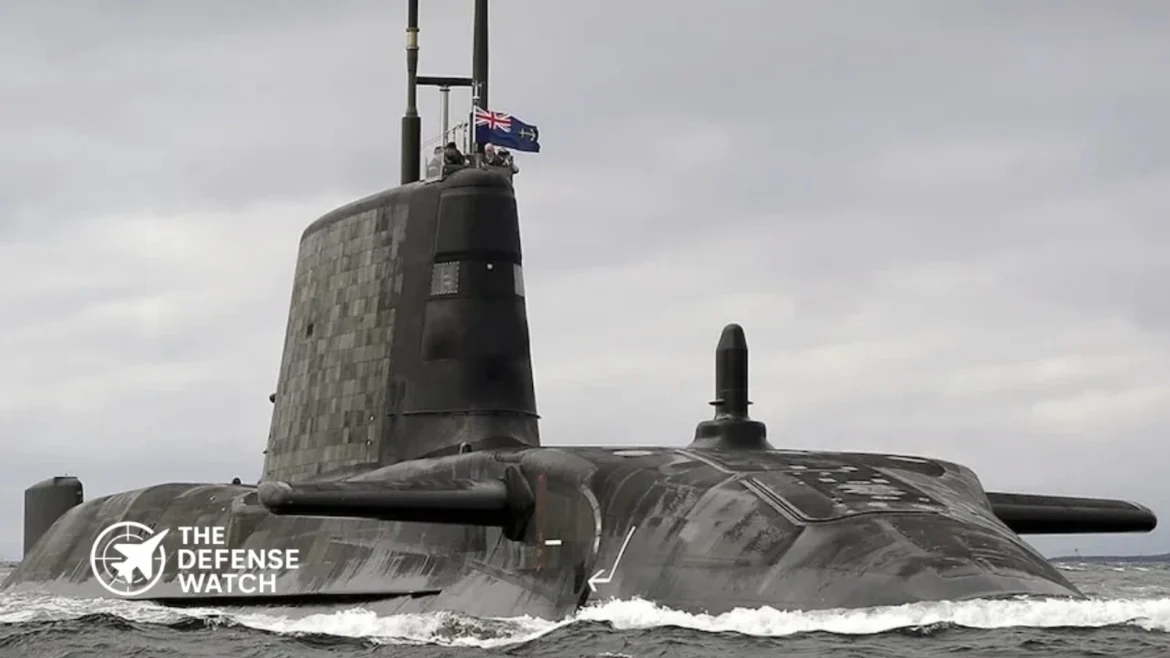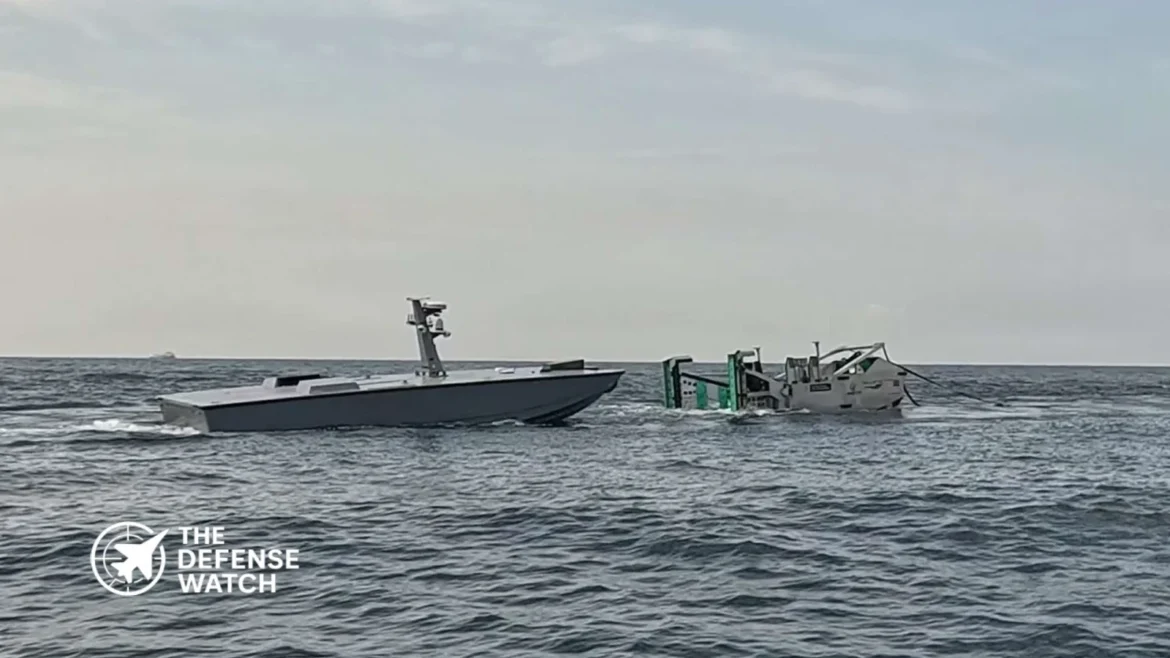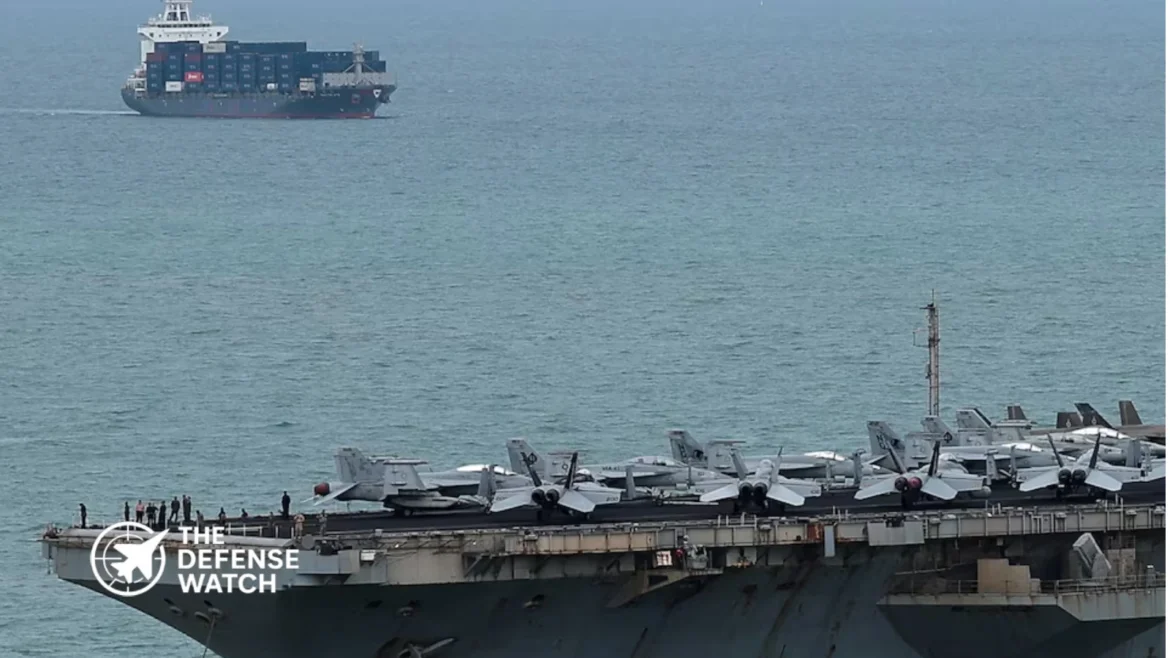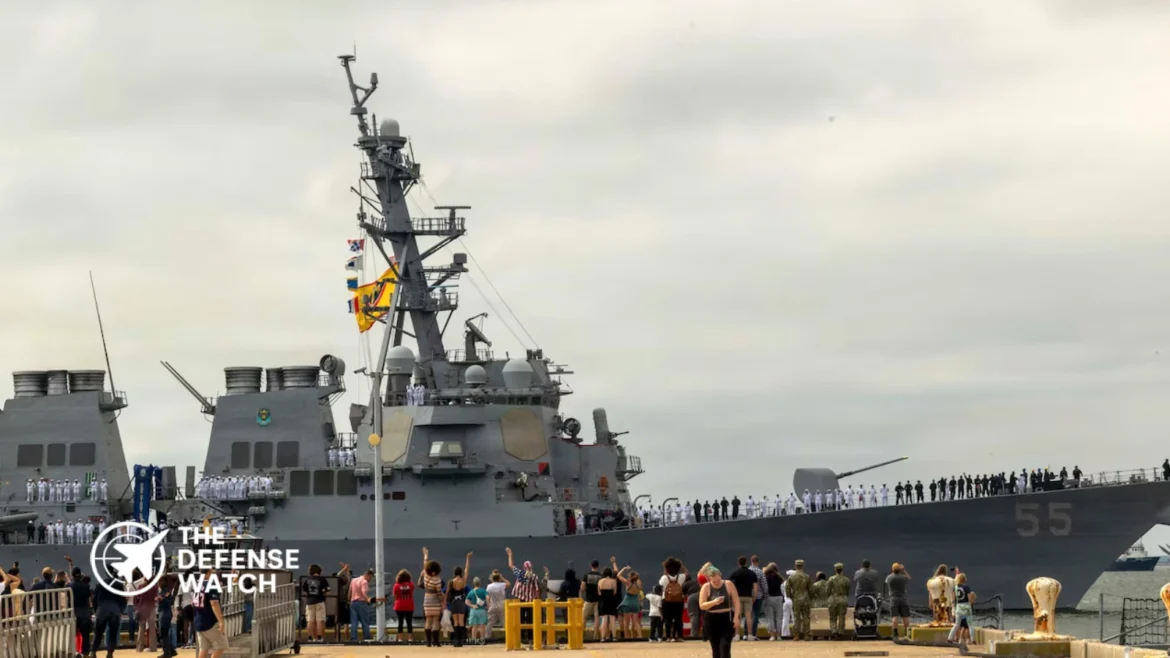
The Royal Navy’s flagship carrier has completed a three month NATO deployment that combined Arctic air policing, multinational exercises, and extended range F-35B operations across the High North.
Executive Summary:
The UK Carrier Strike Group has completed the first phase of Operation Firecrest after three months of NATO operations in the Arctic and North Atlantic. The deployment featured carrier launched F-35B air policing missions, multinational exercises, and enhanced allied interoperability aimed at strengthening NATO’s Northern Flank.
UK Carrier Strike Group Completes First Phase Of NATO Arctic Deployment
The UK Carrier Strike Group has concluded the opening phase of its 2026 deployment to the Arctic and North Atlantic, marking the end of a three month mission focused on NATO deterrence, regional security, and multinational interoperability. Led by the aircraft carrier HMS Prince of Wales, the task group will return briefly to Portsmouth before resuming Operation Firecrest later this year in northern European waters.
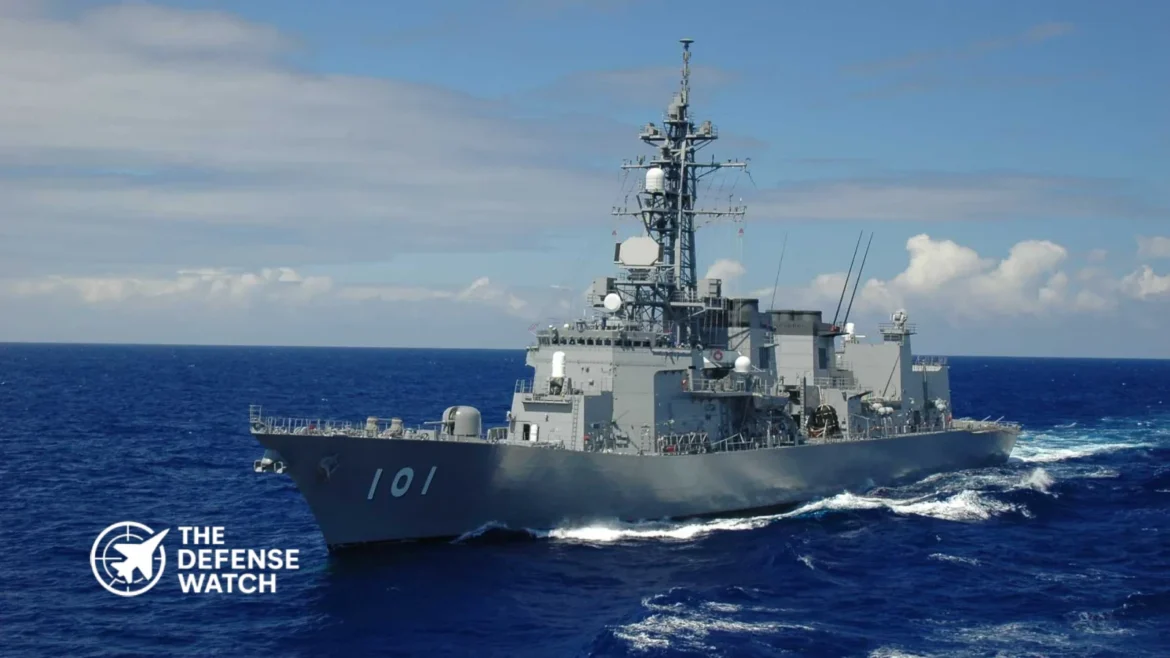
The strike group included HMS Prince of Wales, destroyer HMS Duncan, support tanker RFA Tidespring, embarked F-35B Lightning II fighters, Merlin and Wildcat helicopters, and uncrewed autonomous systems. According to the Royal Navy, the deployment demonstrated the UK’s ability to operate a carrier centered force in demanding Arctic conditions alongside NATO allies.
Exercise Neptune Strike Concludes Initial Deployment
The deployment ended with Exercise Neptune Strike, a large NATO exercise involving forces from ten allied nations across the air, maritime, and land domains.
The exercise emphasized long range strike operations, integrated command and control, and joint planning across multiple operational environments. British F-35B fighters conducted extended range sorties with support from RAF Voyager and Italian KC,767 aerial refueling aircraft, allowing missions to reach areas including Poland while operating from HMS Prince of Wales.
Royal Navy escorts and embarked helicopters simultaneously participated in anti surface and anti submarine warfare activities, highlighting the carrier group’s ability to conduct multi domain operations.
Arctic Air Policing Marks Operational Milestone
One of the most significant achievements during the deployment was the UK’s contribution to NATO’s Arctic Sentry Enhanced Vigilance Activity.
Carrier launched F-35B fighters carried out NATO Air Policing missions over Iceland and the Arctic, intercepting and monitoring Russian military aircraft operating near allied airspace. According to the Royal Navy and UK Ministry of Defence, this marked the first time NATO air policing missions have been conducted by fighter aircraft launched from a European aircraft carrier.
Earlier in July, Royal Navy F-35Bs were scrambled after a Russian Tu,142 maritime patrol aircraft approached the carrier group in the Norwegian Sea during ongoing NATO operations. The aircraft was escorted while the task group continued its mission.
Broader NATO Cooperation
Beyond Arctic air policing, the UK Carrier Strike Group participated in several multinational activities, including Exercise Ramstein Flag, Dynamic Mongoose, and Joint Expeditionary Force Exercise Tamber Shield.
Throughout the deployment, the carrier group operated with 19 NATO and Joint Expeditionary Force partners, strengthening interoperability across allied naval, air, and maritime forces. The mission also supported NATO Joint Force Command Norfolk’s efforts to improve coordinated operations across the strategically important North Atlantic and High North.
Why The Deployment Matters
The completion of the first phase of Operation Firecrest reflects several broader trends in NATO’s evolving defense posture.
First, it demonstrates the growing integration of carrier aviation into alliance air defense missions. Carrier based F-35Bs traditionally support expeditionary strike operations, but their use in standing NATO air policing expands the operational flexibility of allied naval aviation.
Second, the deployment highlights the increasing strategic importance of the Arctic and North Atlantic. These regions remain vital for transatlantic reinforcement, undersea infrastructure protection, and monitoring military activity as Russia maintains a significant military presence across the High North. NATO has responded by increasing exercises, surveillance, and multinational deployments across the region.
Finally, the mission reinforces the UK’s role as one of NATO’s primary carrier operating nations. Regular multinational deployments provide opportunities to validate command structures, logistics, aerial refueling, and interoperability before potential crisis situations arise.
Rather than representing a standalone operation, Operation Firecrest forms part of NATO’s broader effort to maintain readiness and credible deterrence across Europe’s northern approaches through routine, integrated military activity.
What’s Next
HMS Prince of Wales and HMS Duncan are expected to undergo maintenance and provide leave for their crews before the second phase of Operation Firecrest begins later this year.
The next deployment phase will continue operations in northern European waters, building on lessons learned during the Arctic mission while supporting ongoing NATO maritime security and collective defense objectives.
Executive Summary:
Newly released footage of China’s Type 076 amphibious assault ship, Sichuan, provides the clearest public view yet of the People’s Liberation Army Navy’s emerging drone carrier concept. The images reinforce assessments that the vessel is designed to operate fixed wing unmanned combat aircraft, potentially giving the PLAN a new capability for long range surveillance, strike, and amphibious support operations across the Indo Pacific.
China Type 076 UAV Carrier Moves Closer To Operational Service
New video footage of China’s Type 076 UAV carrier, Sichuan, has provided the clearest public evidence to date of the People’s Liberation Army Navy’s (PLAN) evolving concept for operating fixed wing unmanned aircraft from an amphibious assault ship. The footage, first highlighted by Janes following the circulation of Chinese media imagery, shows that the vessel’s flight deck, electromagnetic launch system, arresting gear, and deck markings appear substantially complete as the ship progresses toward operational service.
The Type 076 represents a significant departure from traditional landing helicopter docks. Rather than relying solely on helicopters, the ship is expected to operate a mix of rotary wing aircraft and carrier capable unmanned aerial vehicles (UAVs), expanding the PLAN’s options for intelligence, surveillance, strike, and amphibious support missions.
A Hybrid Between An Amphibious Assault Ship And A Drone Carrier
Displacing approximately 40,000 tons, the Type 076 is China’s largest amphibious assault ship to date. Unlike earlier Type 075 vessels, it incorporates technologies typically associated with aircraft carriers, including:
| Capability | Type 076 Sichuan |
|---|---|
| Estimated displacement | About 40,000 tons |
| Flight deck | Full length |
| Launch system | Electromagnetic Aircraft Launch System (EMALS) |
| Recovery system | Arresting gear |
| Aircraft elevators | Two |
| Primary aviation focus | Helicopters and fixed wing UAVs |
These features make the Type 076 unique among amphibious assault ships currently known to be under construction worldwide.
Evidence Points Toward GJ 21 Naval UCAV Operations
Recent imagery previously analyzed by Janes showed what appeared to be a mock up of China’s naval unmanned combat aerial vehicle, commonly referred to as the GJ 21, positioned aboard Sichuan. The aircraft features folding wings and a tail hook, indicating compatibility with catapult assisted takeoff and arrested recovery (CATOBAR) operations.
Although the aircraft observed was likely a developmental mock up rather than an operational platform, its presence suggests that China is actively integrating stealth UAV operations into future naval deployments.
If fielded as expected, these aircraft could conduct:
- Long range intelligence, surveillance, and reconnaissance (ISR)
- Maritime targeting
- Precision strike missions
- Electronic warfare support
- Support for amphibious landings
Why The Type 076 Matters
The Type 076 introduces a capability that differs from conventional aircraft carriers.
Rather than replacing large fleet carriers such as China’s Type 003 Fujian, the new ship appears intended to complement them by extending unmanned aviation into expeditionary and amphibious operations. This could provide commanders with additional flexibility while reducing the operational risk associated with deploying manned aircraft for every mission.
The combination of helicopters and unmanned combat aircraft also reflects a broader global trend toward integrating autonomous systems into naval operations. Several navies are exploring similar concepts, but the Type 076 is among the first large amphibious ships specifically designed around catapult launched UAV operations.
Operational Implications For Indo Pacific Security
From a strategic perspective, the Type 076 could improve the PLAN’s ability to maintain persistent aerial surveillance over contested maritime regions.
Fixed wing UAVs generally offer longer endurance than shipborne helicopters while requiring fewer personnel than conventional fighter aircraft. Combined with electromagnetic launch capability, they could provide continuous reconnaissance during amphibious operations or maritime patrols.
For regional militaries, this development highlights China’s continued investment in distributed naval aviation and unmanned systems. While the vessel alone does not fundamentally alter the regional military balance, it expands the range of operational options available to the PLAN during expeditionary missions.
For the United States and allied navies operating in the Indo Pacific, the emergence of dedicated drone capable assault ships reinforces the importance of counter UAS capabilities, electronic warfare, integrated air defense, and persistent maritime surveillance.
Technical Challenges Remain
Despite the visible progress, several hurdles remain before the Type 076 reaches full operational capability.
Among the most significant are:
- Maturing carrier capable stealth UAVs suitable for sustained naval operations.
- Developing reliable autonomous launch and recovery procedures at sea.
- Integrating unmanned aircraft into fleet command and control networks.
- Training crews for simultaneous helicopter and UAV flight operations.
- Establishing maintenance and logistics support for advanced unmanned air wings.
Successful integration of these capabilities will determine whether the Type 076 becomes a transformational operational asset or primarily a technology demonstrator during its initial years of service.
Looking Ahead
The latest footage indicates that Sichuan is approaching the final stages of fitting out, with observers expecting delivery to the PLAN following completion of sea trials and acceptance testing.
As China’s naval modernization continues, the Type 076 will likely serve as an important testbed for integrating fixed wing unmanned aviation with amphibious warfare. Its eventual operational performance will provide valuable insight into how major navies may employ drone carriers alongside traditional aircraft carriers in future maritime operations.
Executive Summary:
HMS Portland conducted live firing with its 4.5 inch main gun off the south coast of England during a Royal Navy training serial.
The exercise was described as part of a week at sea and reflects routine operational readiness training for the Type 23 frigate fleet.
While not linked to an active operation, the firing highlights the continued importance of naval gunnery proficiency as the Royal Navy maintains maritime security and deployable surface combatant capability.
HMS Portland Conducts Live Naval Gunnery Off Southern England
HMS Portland conducted live firing with its 4.5 inch main gun off the UK coast as part of a Royal Navy training deployment, according to reporting by UK Defence Journal .
The Type 23 frigate carried out the gunnery serial during operations in waters off the south coast of England. The ship later referenced the firing on social media, describing it as part of a successful week at sea.
The activity was presented as routine naval training rather than a response to a specific security incident. Live firing exercises are a standard element of Royal Navy readiness programs, allowing crews to maintain qualification on primary weapons systems.
What The Exercise Involved
The reported firing involved HMS Portland’s 4.5 inch Mk 8 naval gun, the principal medium caliber gun fitted to Royal Navy Type 23 frigates.
The weapon is used for naval surface fire support, engagement of surface targets, warning shots when required, and maritime security operations. During training serials, crews practice targeting, firing procedures, safety protocols, and command coordination.
The Royal Navy did not indicate that the firing was connected to combat operations or an active threat. The serial appears to have been conducted as part of normal sea training.
Type 23 Frigate Gunnery Capability
HMS Portland is one of the Royal Navy’s Type 23 frigates, a class originally designed for anti submarine warfare but upgraded over time for broader maritime operations.
The frigate’s 4.5 inch Mk 8 gun remains a core weapon for surface engagements and naval gunfire support.
HMS Portland At A Glance
| Capability | Details |
|---|---|
| Ship | HMS Portland |
| Class | Type 23 frigate |
| Navy | Royal Navy |
| Main gun | 4.5 inch Mk 8 naval gun |
| Primary role | Frigate operations and maritime security |
| Exercise area | South coast of England |
| Activity | Live naval gunnery training |
Why Live Gunnery Training Matters
Naval gunnery is one of the foundational combat skills for a surface warship. Even as modern frigates rely heavily on missiles, sensors, and networked targeting systems, crews must still be proficient in operating the ship’s gun under realistic conditions.
Training Objectives Typically Include
- Weapon handling and firing drills.
- Target acquisition and tracking.
- Fire control coordination.
- Bridge and combat information center communication.
- Safety procedures during live ammunition use.
- Assessment of weapon system performance at sea.
Conducting these serials at sea allows crews to train under real maritime conditions, including ship movement, weather, and operational command procedures.
Operational Context For The Royal Navy
The exercise comes as the Royal Navy continues to maintain a global operational presence, including commitments to NATO maritime security, North Atlantic patrols, and deployments beyond European waters.
Although this particular firing was routine, it reflects the broader requirement for Royal Navy surface combatants to remain deployable and combat ready.
Type 23 frigates continue to perform a wide range of missions, including:
- Maritime security patrols.
- Escort duties.
- Anti submarine warfare operations.
- NATO task group participation.
- Protection of critical sea lines of communication.
- Presence operations in contested maritime regions.
Analysis: What This Signals About Readiness
Routine live firing exercises rarely attract major attention on their own, but they are an important indicator of fleet readiness. For surface combatants, weapons proficiency cannot be maintained through simulation alone.
The Royal Navy has faced pressure in recent years from fleet availability challenges, personnel demands, and the transition toward newer platforms such as the Type 26 frigate.
Against that backdrop, visible live gunnery training by an active Type 23 frigate demonstrates that operational crews are continuing to maintain core combat skills.
For U.S. and NATO observers, the significance is less about the firing itself and more about alliance readiness. Allied navies rely on interoperable surface combatants that can conduct maritime security operations, escort missions, and higher end naval warfare if required.
The 4.5 inch gun remains relevant because it provides a flexible, lower cost engagement option for many maritime scenarios where missiles may not be necessary or appropriate.
No Indication Of Active Engagement
There is no indication that HMS Portland fired in response to a threat or operational incident.
The reported activity was a training serial conducted during routine operations off the south coast of England. Such exercises are regularly carried out by naval vessels to maintain qualification and readiness standards.
The Bottom Line
HMS Portland’s live firing exercise off the UK coast was a routine but meaningful demonstration of Royal Navy operational readiness.
By conducting live gunnery training with its 4.5 inch main gun, the frigate maintained a core combat capability that remains relevant for maritime security, escort operations, and potential naval engagements.
For defense observers, the event is a reminder that day to day readiness training remains a critical part of sustaining an effective surface fleet.
Executive Summary:
The U.S. Navy has announced that the Los Angeles-class fast attack submarine USS Jefferson City (SSN 759) will shift its homeport from Guam to Joint Base Pearl Harbor-Hickam in Hawaii. The move reflects an ongoing redistribution of U.S. submarine forces across the Indo-Pacific while maintaining forward undersea capabilities in one of the world’s most strategically contested maritime regions.
USS Jefferson City Homeport Change Marks Latest U.S. Navy Force Realignment
The USS Jefferson City homeport change represents another step in the U.S. Navy’s long-term effort to optimize submarine operations throughout the Indo-Pacific. According to the U.S. Navy, the Los Angeles-class attack submarine will relocate from Naval Base Guam to Joint Base Pearl Harbor-Hickam during 2026 following nearly four years of forward-deployed operations.
Navy officials stated that the relocation supports operational readiness while balancing maintenance requirements, crew sustainability, and fleet distribution across the Pacific theater.
USS Jefferson City has operated from Guam since November 2022, serving as one of several nuclear-powered attack submarines positioned close to potential operational hotspots in the Western Pacific.
Guam Remains A Critical Forward Submarine Hub
Although USS Jefferson City is leaving Guam, the island remains one of the U.S. Navy’s most important forward submarine bases.
Naval Base Guam enables attack submarines to operate significantly closer to the East China Sea, South China Sea, Philippine Sea, and Taiwan Strait than submarines deploying from Hawaii or the U.S. West Coast. The location reduces transit times and allows submarines to spend more time conducting intelligence collection, surveillance, anti-submarine warfare, and deterrence patrols.
The Navy routinely rotates Virginia-class and Los Angeles-class submarines through Guam to sustain a continuous forward presence.
Rather than indicating a reduction in regional commitment, the relocation appears to be part of the Navy’s broader rotational management of submarine assets.
USS Jefferson City’s Operational History
Commissioned in 1992, USS Jefferson City (SSN 759) is a Flight III Los Angeles-class nuclear-powered fast attack submarine built by Newport News Shipbuilding.
Designed for multi-mission operations, the submarine supports:
- Anti-submarine warfare
- Anti-surface warfare
- Intelligence, surveillance, and reconnaissance (ISR)
- Land-attack missions using Tomahawk cruise missiles
- Special operations support
- Maritime strike operations
Like other improved Los Angeles-class submarines, USS Jefferson City incorporates vertical launch tubes for Tomahawk missiles alongside torpedo tube-launched weapons.
USS Jefferson City Specifications
Specification Details Class Los Angeles-class (Flight III) Hull Number SSN 759 Commissioned 1992 Length Approximately 110.3 meters (362 feet) Beam 10 meters Displacement Approximately 6,900 tons submerged Propulsion S6G nuclear reactor Speed More than 25 knots submerged Primary Weapons Mk 48 torpedoes, Tomahawk cruise missiles, naval mines Homeport (Current) Naval Base Guam Future Homeport Joint Base Pearl Harbor-Hickam Why Pearl Harbor Matters
Joint Base Pearl Harbor-Hickam serves as one of the Navy’s principal submarine centers in the Pacific.
The installation supports multiple fast attack submarines, maintenance infrastructure, logistics facilities, submarine squadron headquarters, and extensive training resources.
Moving Jefferson City to Hawaii provides several operational advantages:
- Improved access to depot-level maintenance.
- Integration with Pacific Fleet training activities.
- Reduced operational strain on Guam’s expanding naval infrastructure.
- Greater flexibility for future submarine force rotations.
Pearl Harbor also acts as a central staging location for submarines deploying throughout the Indo-Pacific, enabling rapid movement toward Northeast Asia, Southeast Asia, or the Central Pacific depending on operational requirements.
Strategic Context: Balancing Forward Presence And Fleet Sustainment
The homeport change comes as the U.S. Navy continues modernizing its submarine force while maintaining persistent undersea deterrence across the Indo-Pacific.
Attack submarines remain among the Navy’s most valuable strategic assets because they can operate covertly for extended periods, conduct intelligence collection, strike land targets with precision weapons, and track adversary submarines without revealing their position.
At the same time, the Navy faces increasing maintenance demands across its submarine fleet. Efficiently distributing submarines among Guam, Pearl Harbor, San Diego, and other Pacific bases helps balance operational availability with long-term fleet readiness.
The Navy is also gradually expanding the number of Virginia-class submarines available for Pacific operations. As newer submarines enter service and older Los Angeles-class boats approach retirement, periodic homeport adjustments allow commanders to position the right capabilities where they are most needed.
Operational Implications For The Indo-Pacific
From a strategic perspective, the relocation does not significantly alter the United States’ undersea posture in the Western Pacific.
Instead, it reflects a force management approach that emphasizes rotational deployments rather than permanently assigning every submarine to forward bases.
Guam continues to host rotational attack submarines capable of rapidly responding to regional contingencies, while Pearl Harbor remains the primary logistics and sustainment hub supporting sustained Pacific submarine operations.
This balance allows the Navy to preserve high operational readiness while ensuring submarines receive timely maintenance, modernization, and crew support.
As competition intensifies across the Indo-Pacific maritime domain, maintaining an agile and resilient submarine force remains central to U.S. deterrence strategy. Homeport adjustments such as the USS Jefferson City relocation illustrate how logistical planning and force distribution contribute to broader operational effectiveness without reducing forward military presence.
Executive Summary:
The United States is scheduled to begin enforcing a maritime blockade on Iran on Tuesday as part of a broader effort to increase economic and military pressure on Tehran. The operation is expected to focus on preventing the movement of restricted cargo and military-related supplies while maintaining security across critical regional shipping lanes.
U.S. Begins Maritime Blockade On Iran
The U.S. maritime blockade on Iran is set to begin Tuesday, representing one of Washington’s most significant maritime enforcement measures in recent years. According to Defense News, the operation follows U.S. government directives aimed at tightening restrictions on Iran’s maritime trade while increasing military presence across the region.
The enforcement effort will involve U.S. naval assets operating in and around key waterways, including the Persian Gulf, Gulf of Oman, and approaches to the Strait of Hormuz. These areas remain among the world’s most strategically important maritime corridors due to the volume of global energy shipments that transit through them each day.
Officials have stated that the mission is intended to intercept prohibited cargo, enforce existing sanctions, and prevent the transfer of military equipment or other restricted materials.
Why The Strait Of Hormuz Matters
The Strait of Hormuz remains one of the world’s most important maritime chokepoints.
Approximately one-fifth of globally traded crude oil passes through the narrow waterway, making uninterrupted navigation essential for international energy markets. Any increase in military activity within the region attracts close attention from governments, commercial shipping companies, and global energy traders.
Key characteristics include:
| Strategic Factor | Significance |
|---|---|
| Global oil shipments | Roughly 20% of global crude exports transit the Strait |
| Commercial traffic | Hundreds of merchant vessels operate through the area each month |
| Military presence | U.S., allied, and regional naval forces regularly conduct patrols |
| Regional importance | Connects the Persian Gulf with international shipping lanes |
U.S. Navy Expected To Lead Enforcement Operations
Although operational details remain limited, the enforcement mission is expected to rely primarily on U.S. Navy surface combatants supported by maritime patrol aircraft, intelligence assets, and logistics vessels already deployed within U.S. Central Command’s area of responsibility.
Carrier strike groups, guided missile destroyers, cruisers, and surveillance aircraft routinely operate throughout the region, providing the United States with substantial maritime domain awareness.
These assets allow commanders to:
- Monitor commercial shipping traffic.
- Conduct vessel identification and tracking.
- Perform compliant maritime interdiction operations.
- Coordinate with coalition naval partners.
- Maintain freedom of navigation across international waters.
Officials have not publicly disclosed the full rules governing inspections or interdictions, but maritime enforcement operations typically follow established international legal frameworks and sanctions authorities.
Strategic Implications For Regional Security
The blockade represents more than a naval deployment. It reflects a broader shift toward using maritime power to increase economic and strategic pressure on Iran without immediately expanding conventional military operations.
From a defense planning perspective, maritime enforcement offers several advantages:
- Naval forces can maintain a persistent presence without establishing additional land bases.
- Maritime interdiction enables targeted enforcement against prohibited cargo rather than broad restrictions on commercial shipping.
- Coalition naval operations improve intelligence sharing and surveillance across a large operating area.
For U.S. military planners, maintaining credible maritime control in the Persian Gulf also supports broader objectives such as protecting allied shipping, reassuring regional partners, and preserving freedom of navigation.
Operational Challenges
Despite significant naval capabilities, enforcing a maritime blockade presents considerable operational complexity.
The Persian Gulf is among the busiest commercial waterways in the world. Distinguishing legitimate commercial cargo from prohibited shipments requires extensive intelligence collection, legal review, and coordination among military and civilian agencies.
Additional operational challenges include:
- High commercial shipping density.
- Limited maneuvering space within the Strait of Hormuz.
- Potential use of smaller vessels for covert logistics.
- Continuous surveillance requirements across a large maritime area.
- Close coordination with allied navies and regional governments.
These factors require sustained intelligence, reconnaissance, and command-and-control capabilities rather than relying solely on naval firepower.
Broader Defense And Geopolitical Context
The enforcement action comes amid continued instability across the Middle East, where maritime security has become an increasingly important component of regional defense strategy.
In recent years, the United States has expanded multinational maritime security initiatives to protect commercial shipping from attacks, deter weapons smuggling, and ensure access to critical sea lanes. These missions have included cooperation with allied naval forces operating under combined maritime task forces.
For Washington, maintaining secure maritime routes remains a strategic priority because disruptions in the Gulf can affect global energy markets, international trade, and military logistics across multiple theaters.
The latest blockade also underscores the growing role of naval power as a tool of economic and strategic competition, complementing sanctions, diplomatic measures, and regional security partnerships.
Outlook
The coming days will likely determine how the maritime blockade is implemented in practice and whether enforcement operations remain limited to inspections and sanctions compliance or evolve into a longer-term naval security mission.
Defense analysts will closely monitor the operational tempo of U.S. naval forces, commercial shipping activity through the Strait of Hormuz, and any changes in regional maritime security conditions.
While the long-term effectiveness of the blockade will depend on sustained enforcement and international cooperation, the operation represents a significant development in U.S. naval strategy in the Middle East and reinforces the central role of maritime power in contemporary geopolitical competition.
Executive Summary:
The Royal Navy has confirmed the retirement of HMS Richmond, HMS Iron Duke, and HMS Chiddingfold as part of its long term fleet modernization strategy announced on July 13, 2026. The move redirects resources toward the introduction of Type 26 and Type 31 frigates while expanding the Royal Navy’s growing use of autonomous mine warfare systems.
Royal Navy Confirms Withdrawal Of Three Warships
The Royal Navy warship retirement program entered another significant phase after the service officially confirmed that HMS Richmond, HMS Iron Duke, and HMS Chiddingfold will leave active service. The announcement was made by the Royal Navy on July 13 as part of its broader transition toward what it describes as a “Hybrid Navy” combining conventional warships with autonomous maritime systems.
According to the Royal Navy, the decision reflects the increasing cost and technical risk associated with maintaining aging vessels that have served for more than three decades. Rather than continuing expensive life extension programs, the Ministry of Defence intends to shift investment toward newer platforms already under construction.
Which Ships Are Leaving Service?
The retirement includes two well known Type 23 Duke-class frigates and one Hunt-class mine countermeasures vessel.
| Ship | Class | Primary Role | Replacement |
|---|---|---|---|
| HMS Richmond | Type 23 Frigate | Anti-submarine warfare | Type 26 City-class |
| HMS Iron Duke | Type 23 Frigate | General-purpose frigate | Type 31 Inspiration-class |
| HMS Chiddingfold | Hunt-class Minehunter | Mine countermeasures | Autonomous mine hunting systems |
Each vessel accumulated decades of operational service supporting NATO missions, maritime security operations, anti-submarine patrols, humanitarian assistance, and freedom of navigation deployments worldwide.
Why The Royal Navy Is Retiring These Ships
The retirement reflects a broader modernization effort rather than an isolated force reduction.
The Royal Navy stated that sustaining older Type 23 frigates has become increasingly expensive due to aging hulls, machinery, and maintenance requirements. Several vessels have already undergone extensive refits that consumed considerable time and funding while delivering diminishing operational returns.
For example, HMS Iron Duke previously completed a major refit valued at approximately £103 million, yet continued availability challenges highlighted the growing difficulty of extending the service life of aging frigates.
Instead, defense planners are prioritizing investment in modern platforms designed to remain operational well into the second half of the century.
Type 26 And Type 31 Will Replace The Type 23 Fleet
Britain’s future surface fleet centers on two complementary frigate classes.
The Type 26 City-class will become the Royal Navy’s premier anti-submarine warfare platform. Designed to protect carrier strike groups and monitor increasingly active submarine operations, the ships incorporate advanced sonar systems, quieter propulsion, and improved mission flexibility.
Meanwhile, the Type 31 Inspiration-class provides a more affordable general-purpose frigate optimized for maritime security, forward presence, escort duties, and international deployments.
The Royal Navy confirmed that HMS Richmond’s mission set will transition to the Type 26 fleet led by HMS Glasgow, while HMS Iron Duke’s responsibilities will eventually pass to the Type 31 class currently under construction.
Autonomous Mine Warfare Replaces Traditional Minehunters
Perhaps the most significant technological shift involves HMS Chiddingfold.
Rather than replacing the Hunt-class minehunter with another crewed vessel, the Royal Navy plans to rely increasingly on remotely operated and autonomous mine countermeasure systems.
These systems deploy unmanned surface vessels, underwater vehicles, and advanced sensors capable of detecting and neutralizing naval mines while keeping sailors farther from danger.
According to the Royal Navy, these technologies are already undergoing operational deployment and testing, representing a fundamental change in how mine warfare will be conducted during future naval operations.
Strategic Analysis: What This Means For The Royal Navy
The retirement of three additional vessels illustrates the difficult balance facing many Western navies between maintaining legacy fleets and funding modernization.
For the United Kingdom, the challenge is particularly acute because the retirement schedule is advancing while replacement ships are still entering service. This creates a temporary reduction in available hulls, especially among escort vessels, before the Type 26 and Type 31 fleets reach full operational strength.
From a strategic perspective, however, the Royal Navy is prioritizing long term capability over maintaining larger numbers of aging ships.
The transition also aligns with broader NATO trends emphasizing networked operations, autonomous systems, improved anti-submarine warfare, and distributed maritime capabilities. Similar modernization efforts are underway across several allied navies, including the United States, Australia, and Canada, as they prepare for increasingly contested maritime environments.
The UK’s Defence Investment Plan supports this approach through approximately £1.3 billion for the Hybrid Navy initiative and £1.1 billion for future mine hunting capabilities, complementing ongoing investment in Type 26 and Type 31 construction.
Although fleet numbers will remain under pressure during the transition period, British defense officials argue that the resulting force will be more capable, more survivable, and better suited to future maritime operations.
Looking Ahead
The retirement of HMS Richmond, HMS Iron Duke, and HMS Chiddingfold marks another milestone in the Royal Navy’s long planned transformation.
As the remaining Type 23 frigates gradually leave service over the coming years, the Royal Navy expects Type 26 and Type 31 frigates, supported by autonomous maritime systems, to become the foundation of Britain’s future surface fleet.
The transition underscores a broader shift among NATO navies toward technologically advanced, digitally connected, and increasingly unmanned maritime forces capable of operating across high threat environments.
Executive Summary:
The United States employed one way attack sea drones against Iranian targets for the first time during combat operations, marking a notable milestone in U.S. autonomous maritime warfare. The deployment expands the Pentagon’s use of unmanned systems beyond aerial platforms and demonstrates growing confidence in autonomous surface vessels for high risk strike missions.
U.S. Uses One Way Attack Sea Drones Against Iran For First Time In Combat
The U.S. one way attack sea drones entered combat for the first time during military operations against Iran, representing a significant evolution in American maritime warfare. According to Army Recognition, the operation demonstrated the Pentagon’s willingness to employ expendable unmanned surface vessels alongside conventional naval and air assets during high intensity combat operations.
The reported deployment follows years of experimentation by the U.S. Navy and the Department of Defense with autonomous maritime systems designed to increase operational reach while reducing risks to personnel. Although aerial one way attack drones have become common on modern battlefields, their maritime counterparts have until now remained largely in testing and demonstration phases.
First Operational Use Of Maritime One Way Attack Drones
The operation marked the first known combat employment of U.S. one way attack sea drones against a hostile state.
Unlike reusable unmanned surface vessels used for surveillance or mine countermeasures, one way attack sea drones are designed as expendable strike platforms. They carry an explosive payload and are intended to strike designated maritime or coastal targets directly, functioning similarly to loitering munitions but operating on the water.
The concept offers several operational advantages:
| Capability | Operational Benefit |
|---|---|
| Low-cost expendable platform | Reduces reliance on expensive missiles |
| Small radar signature | Makes detection more difficult |
| Long endurance | Enables extended patrols before attack |
| Autonomous navigation | Reduces operator workload |
| Swarm potential | Can overwhelm defensive systems |
These characteristics have made unmanned surface attack systems an increasingly attractive option for modern naval forces.
Why The Capability Matters
The use of autonomous sea drones reflects broader Pentagon efforts to distribute combat power across larger numbers of inexpensive autonomous systems instead of relying exclusively on major surface combatants.
For U.S. naval planners, autonomous maritime strike platforms could prove especially valuable in contested waters such as the Persian Gulf, Red Sea, South China Sea, and Taiwan Strait.
These environments present persistent threats from:
- Anti-ship missiles
- Fast attack craft
- Naval mines
- Coastal missile batteries
- Electronic warfare systems
Deploying expendable unmanned vessels allows commanders to place strike assets closer to defended targets without exposing sailors aboard traditional warships.
Part Of A Broader Pentagon Autonomous Strategy
The combat use aligns with the Department of Defense’s broader investment in autonomous systems across every military domain.
In recent years, the Pentagon has accelerated programs involving:
- Unmanned surface vessels
- Extra-large unmanned underwater vehicles
- Autonomous aerial systems
- AI-enabled command and control
- Distributed maritime operations
These efforts are intended to create larger numbers of lower-cost platforms capable of complicating an adversary’s targeting process while improving operational resilience.
The Navy has also invested heavily in unmanned fleet concepts designed to operate alongside destroyers, cruisers, and amphibious ships as force multipliers.
Technical Characteristics Of One Way Attack Sea Drones
While specific details regarding the platform used against Iran were not disclosed, one way attack sea drones generally incorporate several common technologies.
| Feature | Purpose |
|---|---|
| GPS and inertial navigation | Precision route planning |
| Electro-optical sensors | Terminal target identification |
| Secure communications | Mission updates during transit |
| Autonomous guidance software | Independent navigation |
| Explosive warhead | Direct strike capability |
Many modern systems can also follow preprogrammed routes while minimizing electronic emissions, reducing opportunities for enemy detection.
Operational Implications For Regional Security
The first combat employment of U.S. one way attack sea drones could influence future naval operations throughout the Middle East.
Iran has invested heavily in asymmetric maritime capabilities, including:
- Fast attack boats
- Armed unmanned surface vessels
- Naval drones
- Anti-ship cruise missiles
- Coastal defense missile batteries
Introducing expendable autonomous strike vessels provides U.S. commanders with another tool for countering these threats while preserving high value naval assets.
The capability may also encourage allied navies to accelerate their own unmanned maritime programs as autonomous naval warfare becomes increasingly central to future maritime operations.
Analysis: A Shift Toward Distributed Naval Combat
Beyond its immediate tactical significance, this development reflects a broader transformation in naval doctrine. For decades, maritime strike missions depended primarily on large surface combatants, submarines, carrier aviation, or expensive long range missiles. Autonomous attack vessels introduce a new layer of capability that emphasizes quantity, persistence, and lower cost.
This approach aligns with the U.S. military’s concept of distributed operations, where combat power is spread across numerous networked platforms rather than concentrated in a limited number of high value assets. Such a force structure complicates enemy targeting and creates multiple attack vectors during maritime operations.
The successful operational use of one way attack sea drones also demonstrates increasing confidence in autonomous navigation, secure communications, and precision guidance technologies. As these systems mature, they are likely to become integrated with airborne drones, crewed ships, submarines, and space based surveillance networks to form a more interconnected maritime strike architecture.
However, challenges remain. Autonomous surface vessels operating in contested waters must withstand electronic warfare, cyber attacks, GPS disruption, and adverse sea conditions. Rules of engagement and command authority for autonomous strike systems will also continue to receive close scrutiny as militaries expand their use in future conflicts.
Even so, the first combat deployment against Iran marks an important milestone in the evolution of autonomous naval warfare and highlights the Pentagon’s ongoing transition toward unmanned systems capable of supporting distributed maritime operations in increasingly contested environments.
Executive Summary:
The Royal Navy has opened a dedicated Uncrewed Systems Centre in Swindon to accelerate the development and fielding of drones, autonomous surface vessels, and autonomous minehunting technologies. The new organization is intended to shorten the path from experimentation to operational deployment as the United Kingdom expands the role of autonomous systems across maritime operations.
Royal Navy Launches Uncrewed Systems Centre To Accelerate Autonomous Maritime Capabilities
The Royal Navy Uncrewed Systems Centre has officially opened in Swindon as part of the United Kingdom’s broader effort to integrate autonomous technologies across naval operations. Announced by the Royal Navy, the new center brings together expertise in unmanned aircraft, autonomous surface vessels, mine countermeasure systems, and digital technologies under a single organization designed to speed capability development.
The facility represents another step in the UK’s long-term modernization strategy, which increasingly relies on autonomous platforms to enhance fleet effectiveness while reducing operational risk and personnel demands.
Rather than treating individual drone programs separately, the new center will coordinate experimentation, procurement support, operational testing, and doctrine development across multiple uncrewed capabilities.
A Central Hub For Maritime Autonomy
The Uncrewed Systems Centre is intended to serve as the Royal Navy’s focal point for autonomous technologies, supporting programs from early concept development through operational deployment.
Its responsibilities include:
| Capability Area | Operational Purpose |
|---|---|
| Uncrewed Surface Vessels (USVs) | Maritime surveillance, force protection, logistics and mine warfare |
| Uncrewed Aerial Systems (UAS) | Intelligence, reconnaissance and targeting support |
| Autonomous Mine Countermeasures | Detecting and neutralizing naval mines without placing crews at risk |
| Digital Integration | Networking autonomous systems with naval command and control |
| Operational Experimentation | Rapid testing of emerging autonomous technologies |
The organization is expected to work closely with industry, research institutions, defense laboratories, and Royal Navy operational commands to reduce the time required to transition promising technologies into frontline service.
Supporting The Royal Navy’s Minehunting Transformation
One of the most significant areas supported by the new center is autonomous mine warfare.
Traditional mine countermeasure missions have historically required specialized crewed vessels operating in hazardous environments. Modern autonomous systems instead allow unmanned surface vessels and remotely operated underwater vehicles to locate, classify, and neutralize mines while keeping sailors outside dangerous areas.
The Royal Navy has already begun replacing portions of its legacy mine countermeasure fleet with autonomous systems through programs developed alongside industry partners. The Swindon center will help coordinate future development and operational integration of these capabilities.
This shift reflects a broader trend among NATO navies toward distributed, unmanned mine warfare operations.
Faster Innovation Through Centralized Development
According to the Royal Navy, the new organization is designed to streamline how emerging technologies move from laboratory demonstrations into operational use.
Instead of multiple organizations independently evaluating similar technologies, the center provides a single structure responsible for:
- Capability assessment
- Technical evaluation
- Operational experimentation
- User feedback
- Training support
- Integration with fleet requirements
This centralized approach aims to reduce duplication while accelerating procurement decisions for rapidly evolving autonomous technologies.
Growing Role Of Autonomous Systems Across Naval Operations
Autonomous platforms are becoming increasingly important across modern naval missions beyond mine warfare.
Current and future applications include:
- Persistent maritime surveillance
- Intelligence gathering
- Harbor protection
- Anti-submarine support
- Logistics resupply
- Environmental monitoring
- Electronic warfare support
- Long-endurance reconnaissance
Many of these missions can be conducted by smaller, lower-cost autonomous systems that complement larger crewed warships instead of replacing them.
For naval commanders, this creates opportunities to distribute sensors across wider operating areas while preserving high-value combat ships for missions requiring greater firepower or endurance.
Why The New Centre Matters
The establishment of the Uncrewed Systems Centre reflects a broader change in how modern navies are approaching force development.
Rather than viewing drones as niche capabilities, leading naval powers increasingly treat autonomous systems as core elements of future fleet operations. The United States, United Kingdom, Australia, and several NATO allies are investing heavily in autonomous surface vessels, underwater vehicles, and unmanned aircraft designed to operate alongside traditional fleets.
Centralizing expertise allows the Royal Navy to respond more rapidly as autonomous technologies mature. Software-driven systems evolve far faster than conventional shipbuilding programs, making streamlined experimentation and operational feedback increasingly important.
The center also supports the UK’s ambition to maintain interoperability with NATO partners that are pursuing similar concepts for distributed maritime operations, autonomous mine countermeasures, and networked sensing.
Strategic Context
The opening of the Swindon facility aligns with broader defense modernization efforts across Europe.
Russia’s continued naval activity, increasing competition in the North Atlantic, and the growing importance of protecting critical undersea infrastructure have reinforced demand for persistent maritime surveillance and autonomous capabilities.
At the same time, autonomous systems offer practical advantages beyond high-intensity conflict. They can conduct routine patrols, monitor shipping lanes, inspect underwater infrastructure, and support humanitarian or disaster response missions while reducing operational costs.
For the United Kingdom, integrating these systems into regular naval operations strengthens resilience while expanding operational flexibility across multiple theaters.
Looking Ahead
The Royal Navy’s Uncrewed Systems Centre represents an organizational investment as much as a technological one. By bringing expertise for drones, autonomous surface vessels, and mine warfare under one command structure, the service aims to shorten development cycles and improve how emerging technologies transition into operational capability.
As autonomous maritime systems continue to mature, centralized organizations like the Swindon center are likely to play an increasingly important role in ensuring new technologies can be tested, validated, and fielded quickly while maintaining interoperability with allied naval forces.
Executive Summary:
Kongsberg has announced a major investment to establish the Marine Innovation Simulation Centre of Excellence (MISE) in partnership with the British Columbia Institute of Technology (BCIT). The initiative supports Canada’s Defense Industrial Strategy by expanding maritime simulation, applied research, workforce development, and sovereign defense capabilities.
Kongsberg Invests In Canada To Expand Maritime Defense Innovation
Norwegian defense and technology company Kongsberg has announced a major investment in Canada to establish a new maritime simulation and defense innovation hub designed to strengthen the country’s naval research, workforce development, and digital maritime capabilities.
The new Marine Innovation Simulation Centre of Excellence (MISE) will be created through a partnership between Kongsberg Maritime, KONGSBERG, and the British Columbia Institute of Technology (BCIT) in British Columbia. The project represents a CAD 76.5 million investment enabled through Canada’s Industrial and Technological Benefits (ITB) Policy, reinforcing the company’s long term commitment to the Canadian defense sector.
The announcement comes as Canada continues expanding defense industrial capacity alongside increased investment in naval modernization and NATO capability development.
New Center Will Support Maritime Research And Defense Innovation
According to Kongsberg, the new simulation center will be built around the company’s advanced maritime simulation technologies.
The facility will provide highly realistic virtual environments, software development tools, and open application programming interfaces (APIs) that enable collaboration between Canadian industry, universities, defense organizations, and government agencies.
The center is expected to support research in several strategic areas, including:
- Maritime autonomy
- Cyber resilience
- Critical infrastructure protection
- Port development
- Maritime safety
- Human factors research
- Accident investigation
- Low and zero emission vessel operations
Officials say these digital environments will allow researchers and industry partners to test new concepts, validate technologies, and reduce operational risks before deployment in real world maritime environments.
Supporting Canada’s Defense Industrial Strategy
The investment directly aligns with Canada’s recently introduced Defense Industrial Strategy, which places greater emphasis on sovereign industrial capability, digital technologies, and domestic innovation.
Jordan Freed, President and Managing Director of Kongsberg Geospatial, said sovereign digital systems are becoming an increasingly important element of Canada’s future defense capability.
The investment also supports improvements to BCIT’s research infrastructure, faculty expertise, and long term capability development while expanding opportunities for collaborative applied research across Canada’s maritime sector.
Training The Next Generation Of Maritime Professionals
Beyond defense technology, the project focuses heavily on workforce development.
Kongsberg will provide cloud based maritime simulation licenses that enable BCIT students to access advanced training outside traditional classrooms.
The approach supports remote learning, distributed simulation exercises, and expanded access to maritime education for Indigenous communities and students in remote regions.
By increasing simulation availability, the initiative is expected to improve training capacity while preparing future personnel for increasingly digital naval and commercial maritime operations.
Analysis: Why The Investment Matters
While the announcement centers on education and research, its strategic significance extends well beyond academia.
Modern naval programs increasingly depend on digital engineering, advanced simulation, cyber resilience, and autonomous systems before ships ever enter production. Investments like MISE allow governments and industry to prototype new concepts, evaluate operational risks, and accelerate technology maturation at lower cost than traditional testing.
The timing is also notable.
Canada is undertaking one of the most significant defense modernization efforts in decades, including investments in new submarines, advanced naval technologies, and next generation weapons. Kongsberg has recently expanded its Canadian footprint through multiple initiatives, including support for Canada’s future submarine program and the country’s selection of the Joint Strike Missile for the Royal Canadian Air Force.
From a broader NATO perspective, investments in simulation infrastructure help strengthen allied interoperability while building domestic industrial expertise. Rather than focusing solely on hardware production, countries are increasingly investing in digital ecosystems that support testing, experimentation, software development, and operational readiness throughout a platform’s lifecycle.
That approach reflects a wider shift across allied defense industries, where simulation and digital engineering are becoming critical components of military modernization.
Looking Ahead
The Marine Innovation Simulation Centre of Excellence is expected to become a long term platform for maritime innovation in Canada, supporting defense research, commercial maritime applications, and advanced workforce development.
As Canada expands defense spending and strengthens its domestic industrial base, projects like MISE demonstrate how international defense companies are aligning investment with Canada’s strategic objective of developing sovereign capabilities while enhancing collaboration across government, academia, and industry.
Feature Image Suggestion
Concept artwork showing Kongsberg maritime simulation technology, naval operators using digital ship simulators, and a modern Canadian naval vessel in the background.
Executive Summary:
Retired U.S. Navy Cmdr. Allan Riggs returned to Guam on July 4, 2026, exactly 50 years after leading the morning colors ceremony during America’s Bicentennial. Aboard the Los Angeles class fast attack submarine USS Annapolis, Riggs joined today’s submariners in commemorating the nation’s 250th anniversary while highlighting the enduring role of Guam in U.S. Indo-Pacific naval operations.
USS Annapolis Hosts Historic America 250 Ceremony In Guam
The USS Annapolis America 250 ceremony brought together generations of U.S. submariners as retired Navy Cmdr. Allan Riggs returned to Guam to participate in the July 4 morning colors ceremony exactly five decades after performing the same duty during the nation’s Bicentennial in 1976.
According to Commander, Submarine Squadron 15, Riggs joined sailors aboard the Los Angeles class fast attack submarine USS Annapolis (SSN 760) at Naval Base Guam, where he once again stood beneath the American flag during a milestone Independence Day celebration.
Now 77 years old, Riggs served 27 years in the U.S. Navy and became one of the few service members to participate in official Independence Day morning colors ceremonies marking both America’s 200th and 250th birthdays.
A 50 Year Connection To America’s Bicentennial
On July 4, 1976, then Lt. j.g. Allan Riggs served aboard the ballistic missile submarine USS Theodore Roosevelt (SSBN 600), stationed in Guam.
Because Guam is the westernmost U.S. territory where “America’s Day Begins,” the submarine became the first U.S. Navy vessel to raise the national colors during the Bicentennial celebration that year. Riggs described the experience as one of the defining moments of his naval career.
Half a century later, he returned to the same island to commemorate the nation’s Semiquincentennial alongside today’s forward deployed submarine force.
Following the ceremony aboard USS Annapolis, sailors presented Riggs with the American flag flown during the event and a commemorative certificate recognizing his decades of service and his unique place in submarine history.
Guam Remains Central To U.S. Submarine Operations
The ceremony also underscored Guam’s strategic importance to U.S. naval operations in the Indo-Pacific.
Commander, Submarine Squadron 15 oversees four forward deployed fast attack submarines based at Polaris Point, Naval Base Guam. These submarines provide persistent undersea surveillance, intelligence collection, anti-submarine warfare, strike capabilities, and rapid response throughout the Western Pacific.

Submarine Squadron 15 at a Glance
| Capability | Details |
|---|---|
| Homeport | Polaris Point, Naval Base Guam |
| Command | Commander, Submarine Squadron 15 |
| Forward-deployed submarines | Four fast attack submarines |
| Primary mission | Indo-Pacific deterrence and maritime security |
| Flagship in ceremony | USS Annapolis (SSN 760) |
Why The Event Matters Beyond Ceremony
Although the event centered on military tradition rather than new operational capability, it reflects an important aspect of naval readiness: preserving institutional continuity across generations.
Military ceremonies such as morning colors reinforce customs that connect today’s sailors with decades of service history. For submarine crews operating on demanding deployments, those traditions help maintain professional identity and reinforce the Navy’s long standing emphasis on discipline, accountability, and service.
The ceremony also highlighted Guam’s expanding role within U.S. defense strategy.
As the Indo-Pacific remains the Pentagon’s highest priority theater, Guam has become one of America’s most important forward operating locations. The island supports submarines, bombers, logistics, missile defense, and joint force operations, making it a cornerstone of U.S. power projection across the Western Pacific. Continued investments in Guam’s military infrastructure reflect its growing strategic value amid increasing regional competition.
For the submarine force specifically, forward deployment from Guam reduces transit times into key operational areas compared with U.S. West Coast homeports, allowing attack submarines to sustain a more persistent presence across the Indo-Pacific.
Navy Leaders Highlight Continuity Of Service
Commander, Submarine Squadron 15 leadership described Riggs’ participation as an opportunity to connect the submarine force’s past with its future.
According to Capt. Neil Steinhagen, bringing Riggs aboard USS Annapolis linked generations of sailors who have served under the same traditions while emphasizing the enduring mission of defending U.S. interests in the Pacific.
Riggs, meanwhile, credited his family and today’s submariners for making the return possible, calling the experience a meaningful tribute to the traditions of the Silent Service and to those who continue serving aboard America’s forward deployed submarines.
Strategic Takeaway
The July 4 ceremony aboard USS Annapolis was more than a commemorative event. It illustrated how military heritage and operational readiness intersect within today’s U.S. Navy.
As Washington continues strengthening its Indo-Pacific posture, Guam remains both a symbolic gateway to America’s national celebrations and one of its most strategically significant military locations. By connecting the Bicentennial generation with today’s submarine crews, the Navy reinforced the continuity of service that underpins long term readiness in one of the world’s most consequential maritime theaters.