
(adsbygoogle = window.adsbygoogle || []).push({});Executive Summary:
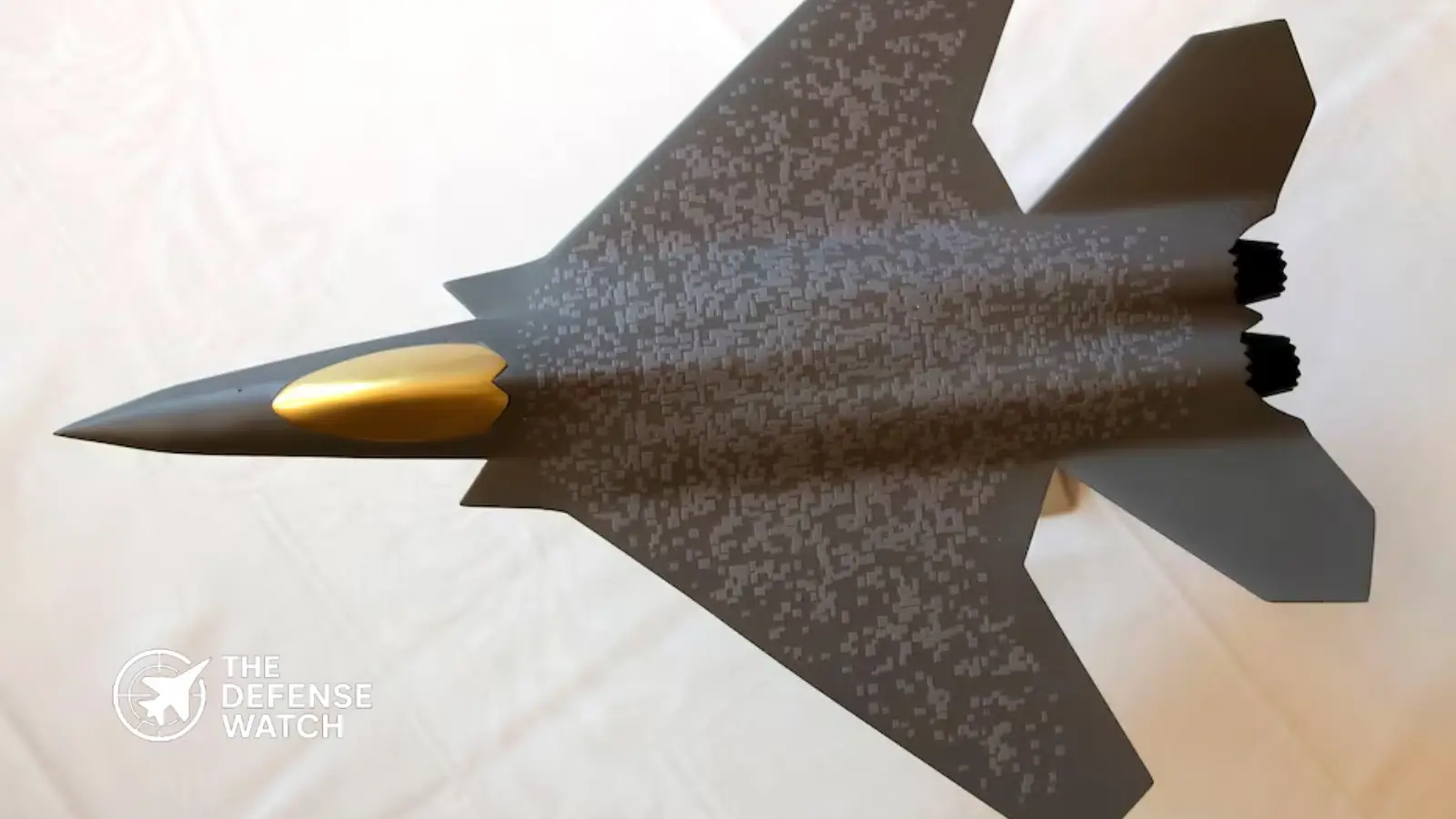
Airbus is increasingly looking toward Saab as a potential strategic partner after the collapse of the Franco-German Future Combat Air System (FCAS) fighter program. The development could reshape Europe’s sixth-generation combat aircraft landscape and influence future defense industrial cooperation across the continent.
Airbus Saab Partnership Emerges After FCAS Breakdown
The Airbus Saab partnership is gaining attention following the reported collapse of the Franco-German Future Combat Air System (FCAS), one of Europe’s most ambitious defense aviation programs.
According to Reuters, Airbus has been holding exploratory discussions with Swedish defense company Saab for at least six months. The talks have accelerated as France and Germany officially acknowledged that disagreements between industrial partners had become impossible to resolve within the FCAS fighter effort.
The FCAS program was originally designed to deliver a sixth-generation combat aircraft alongside advanced drones, networking systems, and a combat cloud architecture for France, Germany, and Spain. However, disputes over leadership and industrial responsibilities between Airbus and Dassault Aviation repeatedly delayed progress.
(adsbygoogle = window.adsbygoogle || []).push({});Why Saab Has Become An Attractive Option
Saab, best known for producing the Gripen fighter aircraft, is increasingly viewed as a credible partner for Airbus as Europe reassesses its next-generation combat aviation strategy.
Reuters reported that improved defense relations between Germany and Sweden have helped create momentum for deeper industrial cooperation. Airbus and Saab have already collaborated on unmanned technologies, providing a foundation for broader future projects.
Unlike larger multinational programs, Saab brings extensive experience in fighter design, systems integration, and defense innovation while maintaining a relatively flexible industrial structure. Sweden also remains one of the few European nations with an active domestic fighter aircraft development capability.
Saab has publicly stated that any future partnership would ultimately depend on political decisions, while maintaining an open approach toward collaboration with defense industry partners.
(adsbygoogle = window.adsbygoogle || []).push({});Airbus Keeps Other Options Open
While the Airbus Saab partnership appears to be gaining momentum, Airbus has not committed exclusively to a Swedish path.
Reuters reported that Airbus has also maintained high-level contacts related to the separate Global Combat Air Programme (GCAP), the multinational sixth-generation fighter initiative involving the United Kingdom, Italy, and Japan.
Industry executives have indicated that multiple partnership models remain under consideration as Germany seeks to preserve its role in future combat aircraft development. Airbus Defence and Space CEO Michael Schoellhorn recently acknowledged Saab as a potential partner while emphasizing that other options remain available.
Strategic Implications For European Air Power
The collapse of FCAS represents a major setback for European defense cooperation. Analysts note that the program’s failure highlights the challenges of aligning military requirements, industrial interests, and national priorities across multiple countries.
From a strategic perspective, the Airbus Saab partnership could offer Germany and Sweden an opportunity to preserve critical fighter aircraft expertise while avoiding some of the governance challenges that affected FCAS.
However, significant questions remain. Future combat aircraft programs require substantial financial investment, advanced propulsion technologies, sophisticated sensor integration, and long-term political commitment. Any new partnership would also need to address export policies, operational requirements, and production responsibilities.
A key consideration will be whether Europe ultimately converges around a smaller number of sixth-generation fighter programs or continues pursuing multiple competing initiatives, including France’s independent path, GCAP, and any future Airbus-Saab effort.
What Happens Next
The expected formal separation between Airbus and Dassault regarding the fighter component of FCAS could create greater freedom for Airbus to pursue alternative partnerships. Meanwhile, Germany continues to evaluate options for maintaining a domestic industrial role in next-generation combat aviation.
Although the FCAS fighter aircraft effort appears to have reached its end, elements of the broader program, including combat cloud networking systems and collaborative combat drone technologies, may continue under separate cooperative arrangements.
For Airbus, Saab, and European defense planners, the coming months could determine the future structure of Europe’s sixth-generation air combat ecosystem.
(adsbygoogle = window.adsbygoogle || []).push({});Analysis
The emerging Airbus Saab partnership reflects a broader shift in European defense procurement. Recent geopolitical tensions have increased pressure on European nations to field advanced combat aircraft while reducing dependence on external suppliers.
Rather than pursuing highly complex multinational programs with overlapping industrial interests, future partnerships may favor smaller coalitions built around complementary capabilities and clearer leadership structures.
If Airbus and Saab deepen their cooperation, the partnership could combine Germany’s industrial scale with Sweden’s fighter aircraft expertise, potentially creating a new center of gravity within Europe’s combat aviation sector. However, success will depend on whether political leaders can align long-term funding and operational requirements more effectively than previous multinational fighter efforts.