A major shift in NATO force posture could reshape Europe’s defense planning as the United States reduces key military assets available to the alliance.
Executive Summary:
The United States plans to reduce fighter aircraft, maritime patrol assets, tanker aircraft, and naval forces allocated to NATO operations in Europe. The move reflects Washington’s push for greater burden sharing among European allies while reshaping NATO’s force structure under emerging defense priorities.
US Plans NATO Force Cuts As Europe Faces New Defense Challenges
The US NATO force cuts planned for Europe represent one of the most significant adjustments to America’s military commitment to the alliance in decades.
According to a report published by The New York Times, Washington has informed NATO allies of plans to reduce the number of aircraft and naval assets available for alliance operations across Europe. The proposal follows months of discussions between US and NATO officials and aligns with broader Pentagon efforts to redistribute military resources while encouraging greater European defense contributions.
The planned reductions come at a critical time as NATO continues to strengthen deterrence against Russia and European governments face growing pressure to expand their own military capabilities.
Fighter Aircraft And Support Assets To Be Reduced
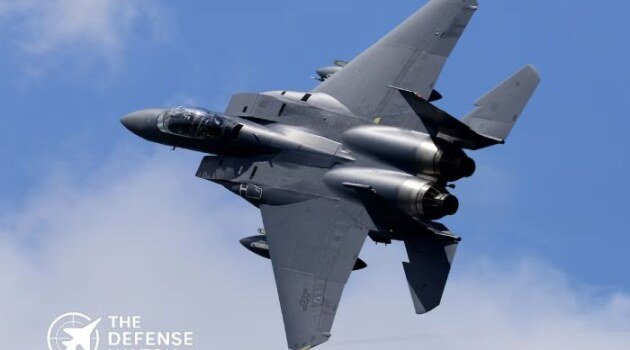
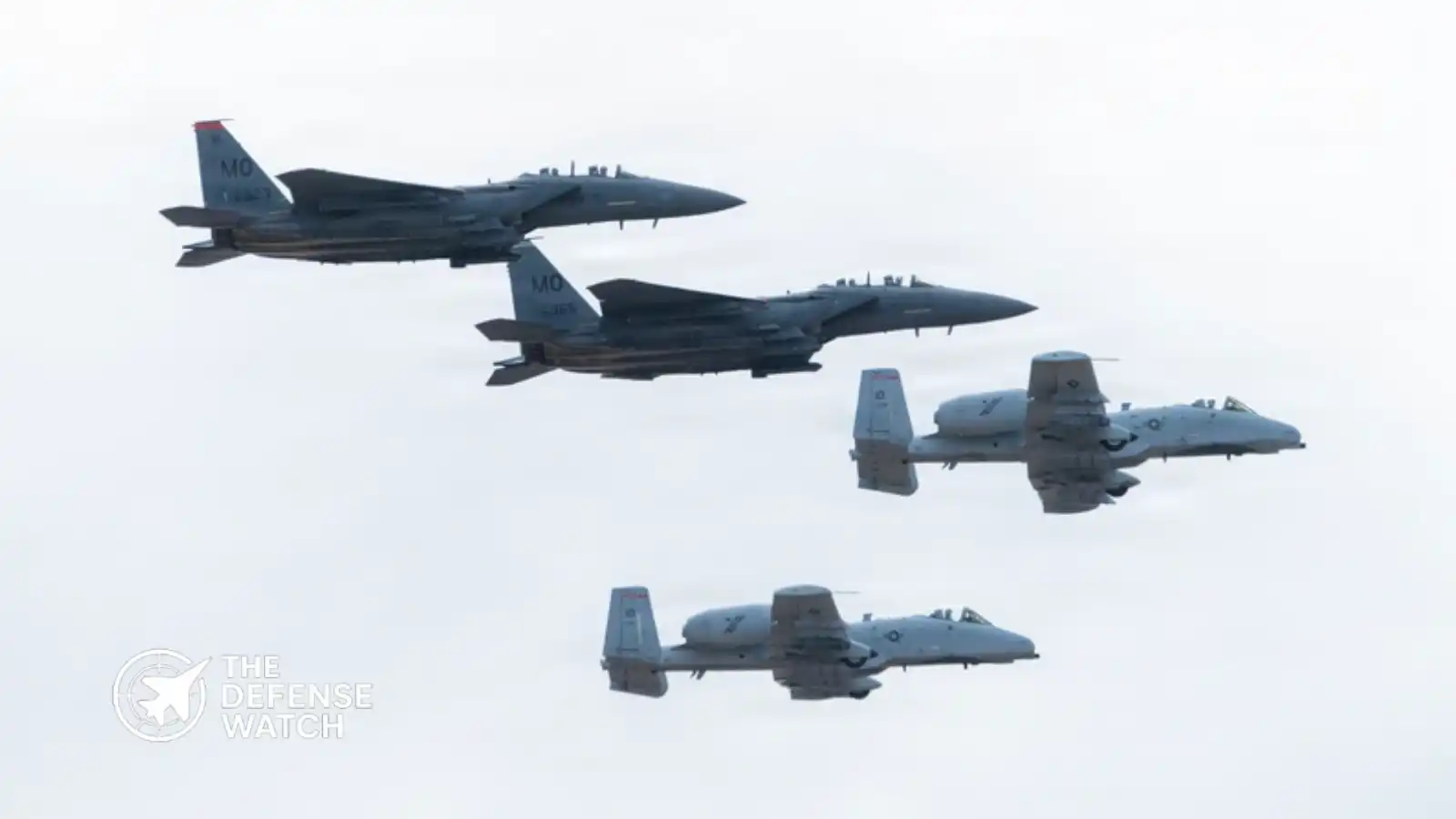
Under the proposed plan, the United States would reduce the number of fighter aircraft available to NATO operations from approximately 150 to 100.
The reductions include fewer F-16 and F-15E combat aircraft assigned to alliance missions. Maritime reconnaissance aircraft would also be cut from 26 to 15.
Perhaps the most operationally significant change involves aerial refueling capabilities. The United States reportedly intends to remove all eight tanker aircraft previously allocated to NATO force requirements in Europe.
Aerial refueling is a critical enabler for long-range combat operations, air patrols, and rapid reinforcement missions. Without sufficient tanker support, allied aircraft can face reduced endurance and operational reach during crisis scenarios.
The proposed force adjustments also include the redeployment of a missile-capable submarine, an aircraft carrier, associated carrier strike assets, and additional warships currently available for NATO contingency operations.
One of two bomber task force groups assigned to European defense missions may also be reallocated under the new structure.
NATO Confirms Planned Adjustments
NATO officials have acknowledged the planned changes.
According to alliance representatives, the reductions are being coordinated with NATO military structures and are tied to broader efforts to modernize burden-sharing arrangements among member states.
US European Command stated that Washington intends to “rightsize” its contribution to the NATO force model as part of future defense planning and the evolving concept referred to as NATO 3.0.
The effort is expected to be incorporated into the 2026 US National Defense Strategy framework.
While American officials emphasize that the changes are not a withdrawal from NATO, the reductions indicate a shift toward requiring European allies to assume a larger share of conventional defense responsibilities.
Operational Impact On NATO Capabilities
The planned reductions could affect several key mission areas.
Maritime surveillance aircraft play a central role in monitoring naval activity across the North Atlantic, Baltic Sea, Mediterranean Sea, and Arctic regions. Fewer reconnaissance assets could reduce the alliance’s capacity to track submarine movements and gather intelligence over large maritime areas.
Similarly, the loss of tanker aircraft may complicate NATO’s ability to sustain large-scale air operations during a crisis.
Carrier strike groups and attack submarines provide flexible power projection capabilities that can rapidly support alliance operations. Their reassignment would reduce the pool of high-end assets immediately available to NATO commanders.
From a military planning perspective, these changes do not necessarily eliminate capabilities. However, they reduce redundancy and surge capacity, which are often essential during major contingencies.
Europe Faces Pressure To Fill Emerging Capability Gaps
The timing of the proposed reductions presents challenges for European defense planners.
Several NATO members have increased defense spending since Russia’s invasion of Ukraine, but important capability gaps remain in areas such as aerial refueling, intelligence collection, strategic lift, missile defense, and maritime surveillance.
Recent difficulties within Europe’s defense industrial base further complicate the situation. France and Germany recently abandoned the fighter aircraft component of the Future Combat Air System (FCAS) program following industrial disagreements between major contractors.
That development has renewed concerns about Europe’s ability to rapidly develop advanced military capabilities without significant US support.
For many NATO members, replacing specialized assets such as tanker aircraft and maritime patrol platforms will require years of investment, procurement, and training.
Part Of A Broader Strategic Realignment
The NATO force reductions appear to be part of a wider effort by the Trump administration to reduce America’s military footprint in Europe.
Earlier this year, the Pentagon announced plans to withdraw approximately 5,000 troops from Germany. Additional reports have suggested that overall US force levels designated for European operations could be reduced by as much as one-third to one-half over time.
The broader strategy reflects a growing belief within parts of the US defense establishment that European allies should assume greater responsibility for regional security while Washington focuses additional resources on other global priorities.
Analysis: Why This Matters
The significance of these reductions extends beyond simple force numbers.
For decades, NATO’s deterrence posture relied heavily on rapid access to American airpower, naval assets, logistics, and support capabilities. Fighter aircraft, tankers, maritime patrol aircraft, submarines, and carrier strike groups form the backbone of NATO’s ability to respond quickly during a crisis.
The current plan suggests Washington is seeking to preserve alliance cohesion while shifting more operational responsibility to European members.
Whether Europe can close these capability gaps quickly enough remains an open question. While defense spending across NATO has increased substantially in recent years, developing the specialized capabilities being reduced by the United States will require long-term investment and sustained political commitment.
The coming years may therefore mark a turning point in the evolution of NATO, moving the alliance toward a more balanced distribution of military responsibilities between North America and Europe.
Get real time update about this post category directly on your device, subscribe now.