Executive Summary:
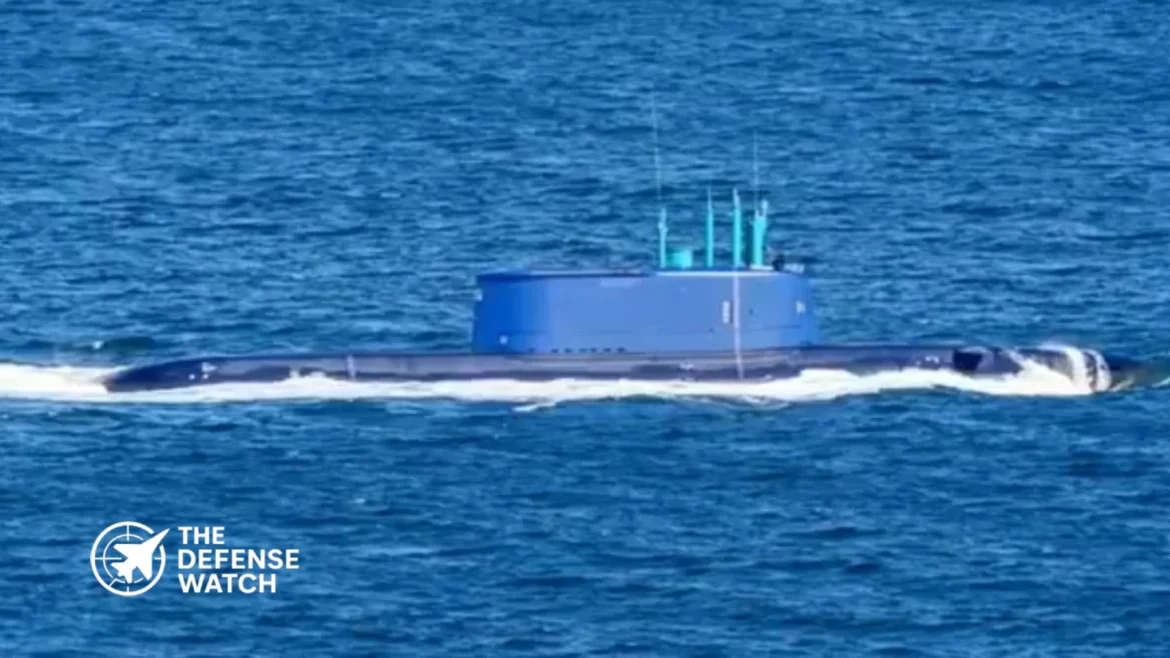
Israel has officially taken delivery of the INS Drakon, the newest and final Dolphin II class submarine built by Germany’s Thyssenkrupp Marine Systems. The vessel introduces a redesigned configuration that could expand Israel’s strategic naval capabilities while reinforcing its long standing underwater deterrence in the Middle East.
INS Drakon Strengthens Israel’s Underwater Fleet
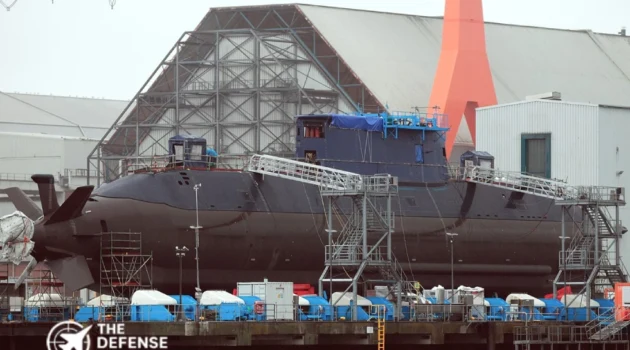
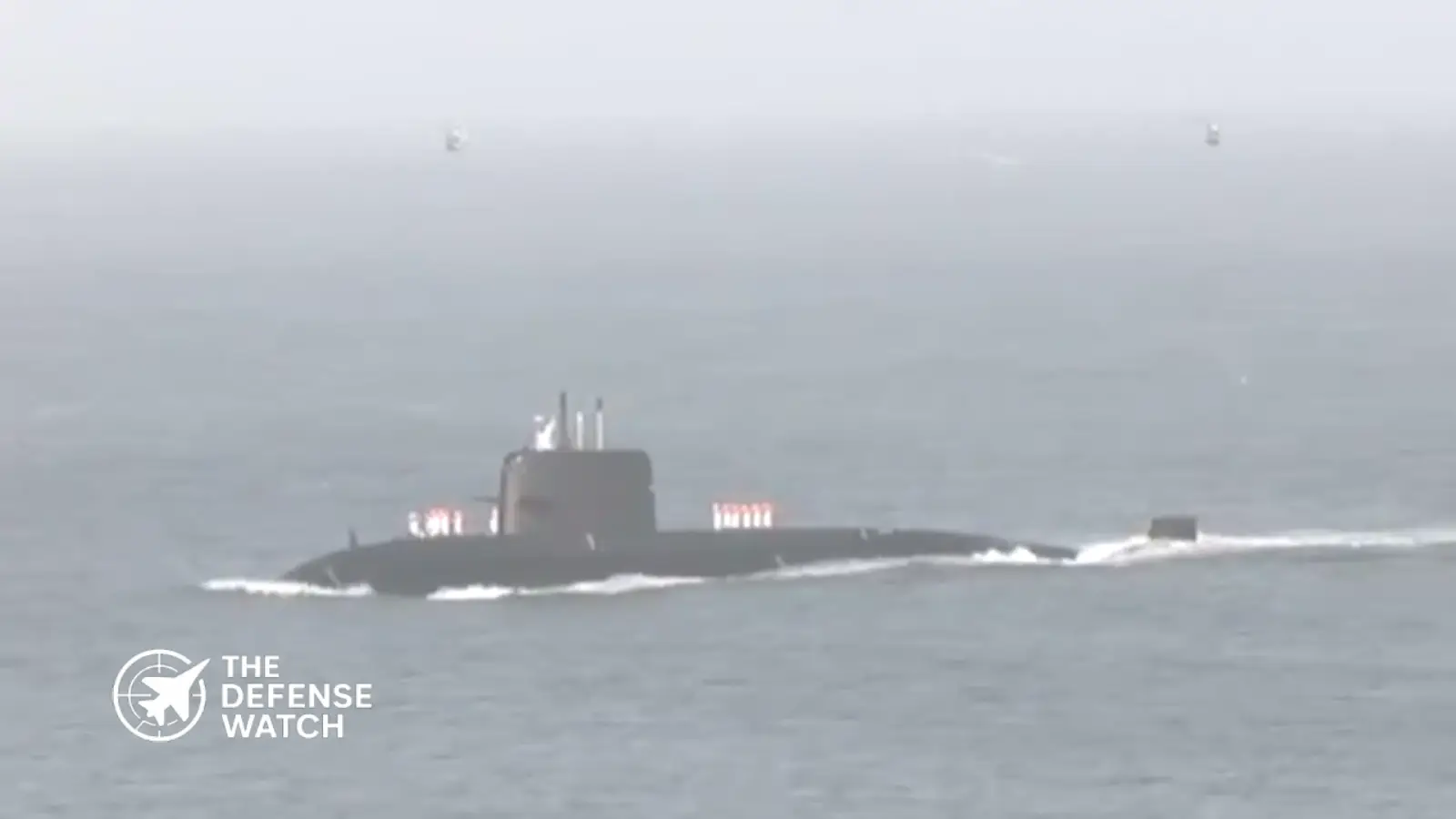
Israel has officially received the INS Drakon submarine, marking the delivery of the sixth and final Dolphin II class submarine built by Germany’s Thyssenkrupp Marine Systems (TKMS). The transfer represents another milestone in the long standing defense partnership between Germany and Israel and further enhances the Israeli Navy’s strategic undersea capabilities.
The submarine was handed over at TKMS’s shipyard in Kiel, Germany. Unlike previous deliveries, the transfer was completed without a public ceremony. Following the handover, the submarine departed under the Israeli flag for the first time before beginning preparations for operational service.
A Significantly Redesigned Dolphin II
The INS Drakon submarine differs noticeably from earlier Dolphin II boats.
Its overall length has increased from approximately 68.6 meters to 73 meters, making it the largest submarine in Israel’s current fleet. The redesigned hull and a substantially enlarged sail distinguish the vessel from previous Dolphin II submarines.
Neither the Israeli Ministry of Defense nor TKMS has disclosed the exact purpose of the enlarged sail. However, defense analysts note that the revised design indicates the integration of new mission systems beyond those carried by earlier boats.
While some analysts have suggested the sail could accommodate vertical launch systems (VLS), neither government has confirmed that capability. Without official confirmation, the submarine’s internal configuration remains classified.
Advanced Weapons Configuration
What has been confirmed is the submarine’s bow armament.
The INS Drakon is equipped with 10 torpedo tubes, consisting of:
- Six 533 mm torpedo tubes
- Four larger 650 mm torpedo tubes
The larger tubes offer greater flexibility for deploying heavyweight weapons, specialized payloads, unmanned underwater vehicles, or equipment supporting special operations missions.
The Dolphin II class is also known for its air independent propulsion (AIP) system, allowing submarines to remain submerged for extended periods compared with conventionally powered submarines. This significantly improves survivability and operational endurance during intelligence gathering, surveillance, and deterrence patrols.
Strategic Importance For Israel
The arrival of the INS Drakon comes as maritime security remains a growing priority across the Eastern Mediterranean and the wider Middle East.
Israel has steadily modernized its submarine force over the past two decades, viewing undersea platforms as a key element of national defense. Submarines provide persistent intelligence collection, covert surveillance, long range strike potential, and strategic deterrence while remaining difficult to detect.
The addition of Drakon strengthens those capabilities by introducing an updated platform that appears designed for evolving operational requirements.
Although many details remain classified, the submarine’s new configuration suggests Israel intends to maintain a technological advantage in underwater operations as regional naval capabilities continue to evolve.
Germany And Israel Continue Defense Cooperation
Germany has played a central role in developing Israel’s modern submarine fleet.
TKMS has built every Dolphin class submarine operated by the Israeli Navy, with several vessels partially funded by the German government as part of bilateral security cooperation.
The INS Drakon represents the final submarine of the Dolphin II generation before Israel begins transitioning toward the next generation Dakar class submarines, which are expected to introduce additional technological improvements later this decade.
The continued cooperation reflects one of Europe’s longest running naval industrial partnerships and highlights Germany’s role in supporting Israel’s maritime modernization efforts.
Analysis
Beyond the submarine itself, the delivery carries broader strategic significance.
Submarine fleets are among the most difficult military capabilities to build and sustain because they require advanced industrial expertise, highly trained crews, and long term logistical support. The INS Drakon reinforces Israel’s ability to conduct persistent underwater operations across multiple maritime theaters while maintaining a credible deterrent.
The submarine’s enlarged sail has attracted considerable attention because it represents the most visible design change within the Dolphin II family. However, without official confirmation from Israel or TKMS, assessments regarding vertical launch systems or other new capabilities remain speculative.
What is clear is that the vessel reflects an evolution in Israeli naval requirements. Whether supporting intelligence collection, special operations, or long duration patrols, the INS Drakon expands the operational flexibility of one of the Middle East’s most advanced submarine fleets.
As regional naval competition continues to grow, investments in survivable undersea platforms are likely to remain a central component of Israel’s long term defense strategy.
Executive Summary:
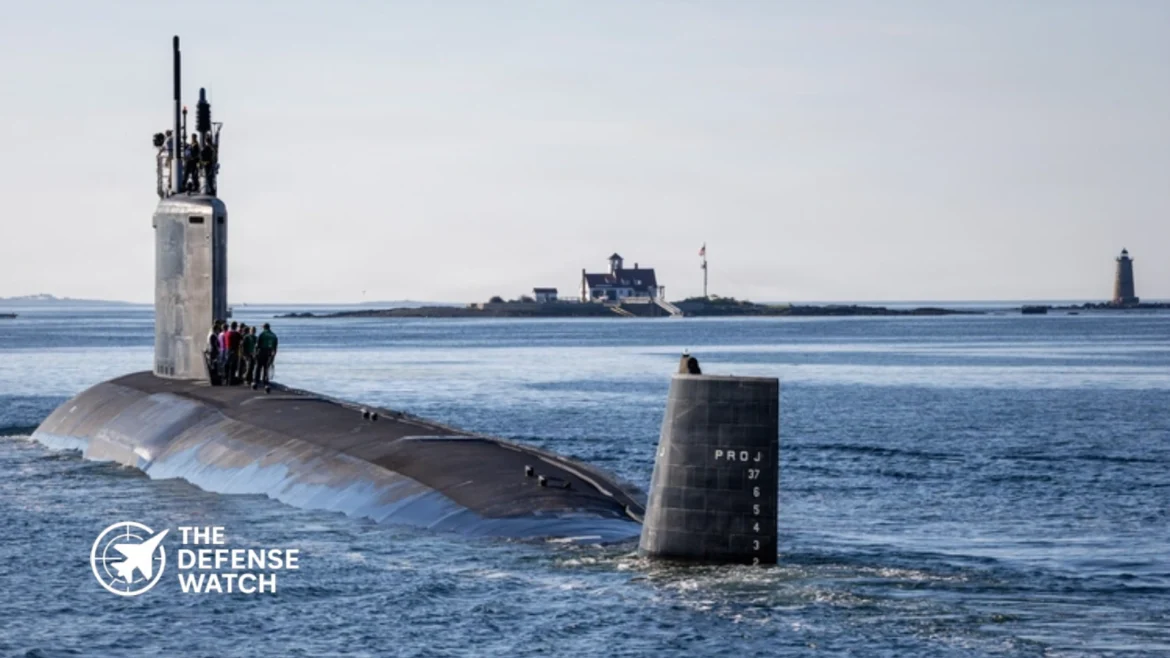
The U.S. Navy has announced that the Los Angeles-class fast attack submarine USS Jefferson City (SSN 759) will shift its homeport from Guam to Joint Base Pearl Harbor-Hickam in Hawaii. The move reflects an ongoing redistribution of U.S. submarine forces across the Indo-Pacific while maintaining forward undersea capabilities in one of the world’s most strategically contested maritime regions.
USS Jefferson City Homeport Change Marks Latest U.S. Navy Force Realignment
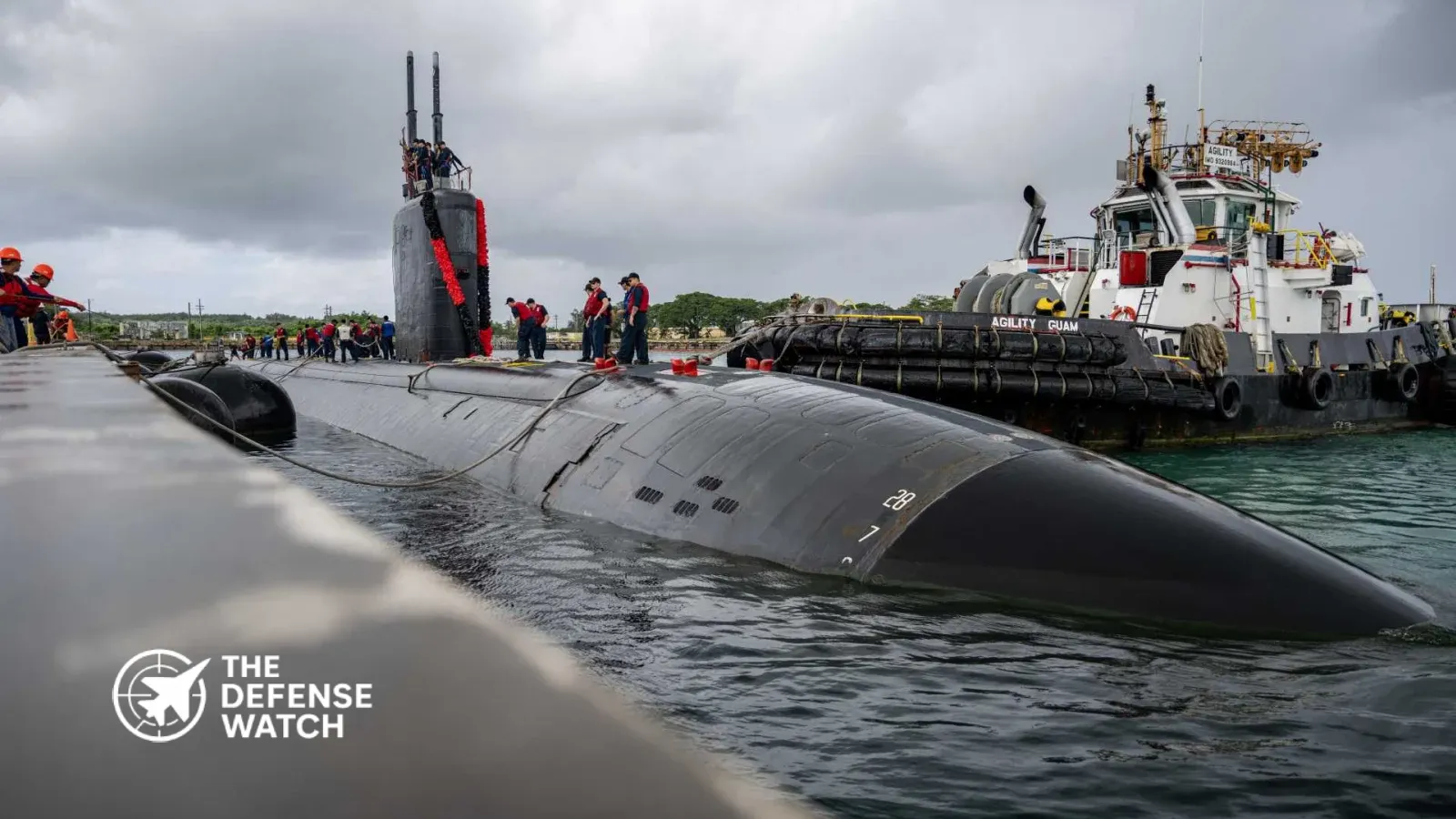
The USS Jefferson City homeport change represents another step in the U.S. Navy’s long-term effort to optimize submarine operations throughout the Indo-Pacific. According to the U.S. Navy, the Los Angeles-class attack submarine will relocate from Naval Base Guam to Joint Base Pearl Harbor-Hickam during 2026 following nearly four years of forward-deployed operations.
Navy officials stated that the relocation supports operational readiness while balancing maintenance requirements, crew sustainability, and fleet distribution across the Pacific theater.
USS Jefferson City has operated from Guam since November 2022, serving as one of several nuclear-powered attack submarines positioned close to potential operational hotspots in the Western Pacific.
Guam Remains A Critical Forward Submarine Hub
Although USS Jefferson City is leaving Guam, the island remains one of the U.S. Navy’s most important forward submarine bases.
Naval Base Guam enables attack submarines to operate significantly closer to the East China Sea, South China Sea, Philippine Sea, and Taiwan Strait than submarines deploying from Hawaii or the U.S. West Coast. The location reduces transit times and allows submarines to spend more time conducting intelligence collection, surveillance, anti-submarine warfare, and deterrence patrols.
The Navy routinely rotates Virginia-class and Los Angeles-class submarines through Guam to sustain a continuous forward presence.
Rather than indicating a reduction in regional commitment, the relocation appears to be part of the Navy’s broader rotational management of submarine assets.
USS Jefferson City’s Operational History
Commissioned in 1992, USS Jefferson City (SSN 759) is a Flight III Los Angeles-class nuclear-powered fast attack submarine built by Newport News Shipbuilding.
Designed for multi-mission operations, the submarine supports:
- Anti-submarine warfare
- Anti-surface warfare
- Intelligence, surveillance, and reconnaissance (ISR)
- Land-attack missions using Tomahawk cruise missiles
- Special operations support
- Maritime strike operations
Like other improved Los Angeles-class submarines, USS Jefferson City incorporates vertical launch tubes for Tomahawk missiles alongside torpedo tube-launched weapons.
USS Jefferson City Specifications
Specification Details Class Los Angeles-class (Flight III) Hull Number SSN 759 Commissioned 1992 Length Approximately 110.3 meters (362 feet) Beam 10 meters Displacement Approximately 6,900 tons submerged Propulsion S6G nuclear reactor Speed More than 25 knots submerged Primary Weapons Mk 48 torpedoes, Tomahawk cruise missiles, naval mines Homeport (Current) Naval Base Guam Future Homeport Joint Base Pearl Harbor-Hickam Why Pearl Harbor Matters
Joint Base Pearl Harbor-Hickam serves as one of the Navy’s principal submarine centers in the Pacific.
The installation supports multiple fast attack submarines, maintenance infrastructure, logistics facilities, submarine squadron headquarters, and extensive training resources.
Moving Jefferson City to Hawaii provides several operational advantages:
- Improved access to depot-level maintenance.
- Integration with Pacific Fleet training activities.
- Reduced operational strain on Guam’s expanding naval infrastructure.
- Greater flexibility for future submarine force rotations.
Pearl Harbor also acts as a central staging location for submarines deploying throughout the Indo-Pacific, enabling rapid movement toward Northeast Asia, Southeast Asia, or the Central Pacific depending on operational requirements.
Strategic Context: Balancing Forward Presence And Fleet Sustainment
The homeport change comes as the U.S. Navy continues modernizing its submarine force while maintaining persistent undersea deterrence across the Indo-Pacific.
Attack submarines remain among the Navy’s most valuable strategic assets because they can operate covertly for extended periods, conduct intelligence collection, strike land targets with precision weapons, and track adversary submarines without revealing their position.
At the same time, the Navy faces increasing maintenance demands across its submarine fleet. Efficiently distributing submarines among Guam, Pearl Harbor, San Diego, and other Pacific bases helps balance operational availability with long-term fleet readiness.
The Navy is also gradually expanding the number of Virginia-class submarines available for Pacific operations. As newer submarines enter service and older Los Angeles-class boats approach retirement, periodic homeport adjustments allow commanders to position the right capabilities where they are most needed.
Operational Implications For The Indo-Pacific
From a strategic perspective, the relocation does not significantly alter the United States’ undersea posture in the Western Pacific.
Instead, it reflects a force management approach that emphasizes rotational deployments rather than permanently assigning every submarine to forward bases.
Guam continues to host rotational attack submarines capable of rapidly responding to regional contingencies, while Pearl Harbor remains the primary logistics and sustainment hub supporting sustained Pacific submarine operations.
This balance allows the Navy to preserve high operational readiness while ensuring submarines receive timely maintenance, modernization, and crew support.
As competition intensifies across the Indo-Pacific maritime domain, maintaining an agile and resilient submarine force remains central to U.S. deterrence strategy. Homeport adjustments such as the USS Jefferson City relocation illustrate how logistical planning and force distribution contribute to broader operational effectiveness without reducing forward military presence.
Executive Summary:
Retired U.S. Navy Cmdr. Allan Riggs returned to Guam on July 4, 2026, exactly 50 years after leading the morning colors ceremony during America’s Bicentennial. Aboard the Los Angeles class fast attack submarine USS Annapolis, Riggs joined today’s submariners in commemorating the nation’s 250th anniversary while highlighting the enduring role of Guam in U.S. Indo-Pacific naval operations.
USS Annapolis Hosts Historic America 250 Ceremony In Guam
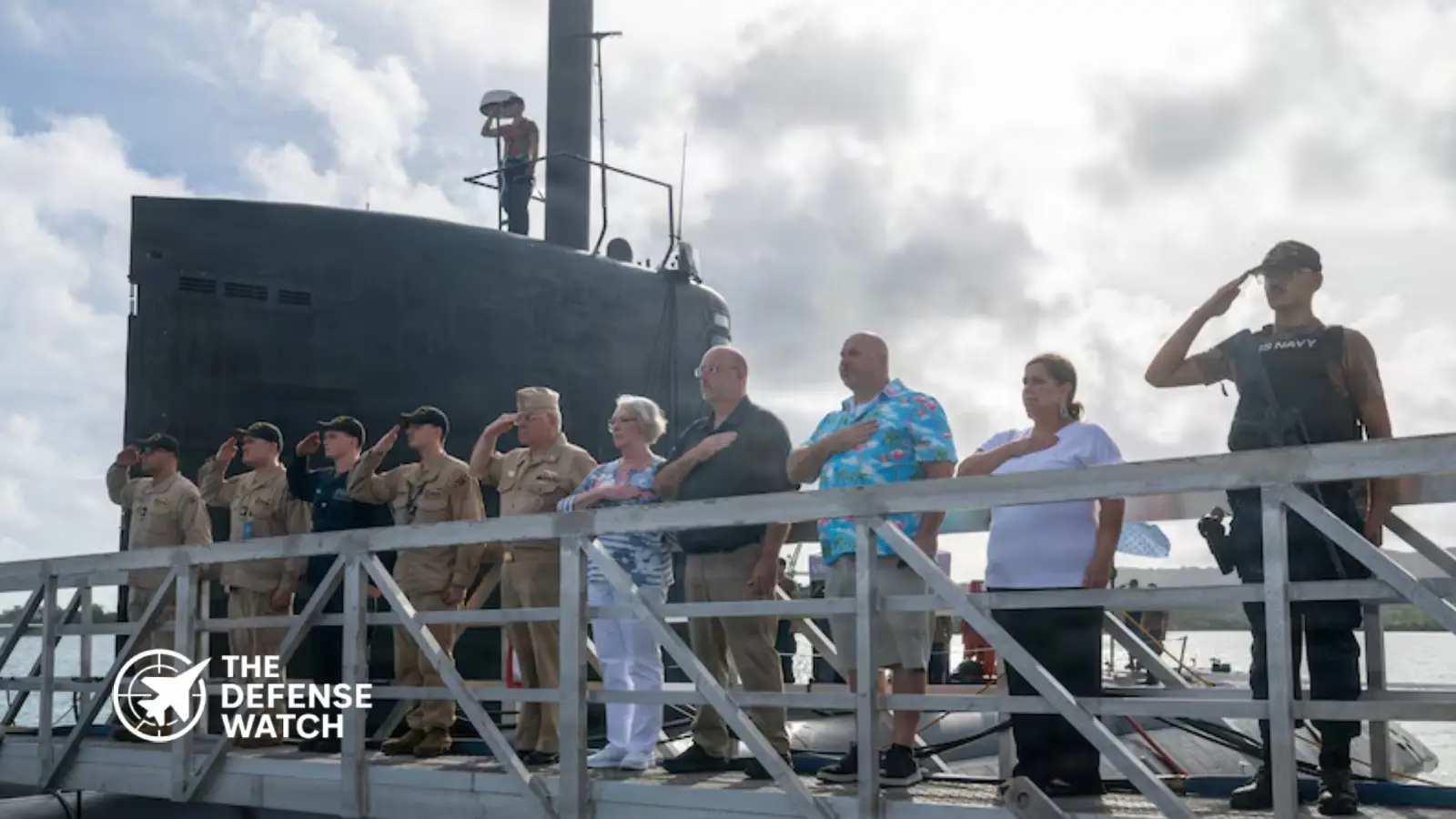
The USS Annapolis America 250 ceremony brought together generations of U.S. submariners as retired Navy Cmdr. Allan Riggs returned to Guam to participate in the July 4 morning colors ceremony exactly five decades after performing the same duty during the nation’s Bicentennial in 1976.
According to Commander, Submarine Squadron 15, Riggs joined sailors aboard the Los Angeles class fast attack submarine USS Annapolis (SSN 760) at Naval Base Guam, where he once again stood beneath the American flag during a milestone Independence Day celebration.
Now 77 years old, Riggs served 27 years in the U.S. Navy and became one of the few service members to participate in official Independence Day morning colors ceremonies marking both America’s 200th and 250th birthdays.
A 50 Year Connection To America’s Bicentennial
On July 4, 1976, then Lt. j.g. Allan Riggs served aboard the ballistic missile submarine USS Theodore Roosevelt (SSBN 600), stationed in Guam.
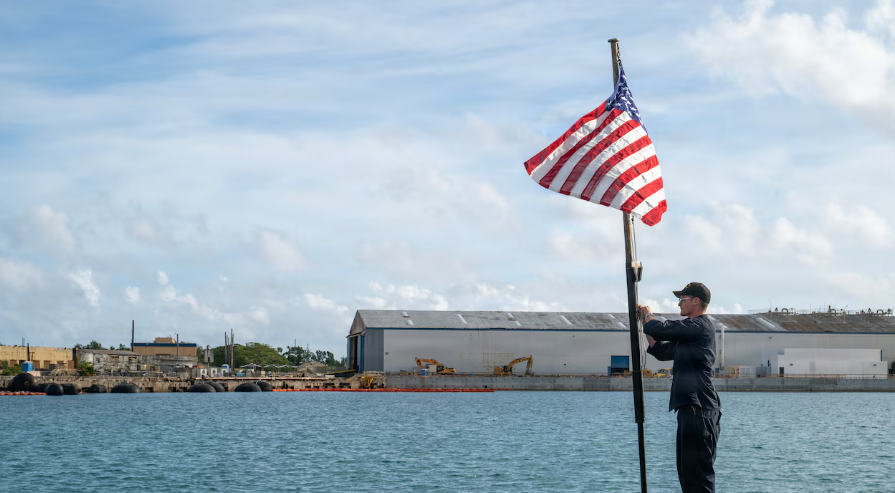
Because Guam is the westernmost U.S. territory where “America’s Day Begins,” the submarine became the first U.S. Navy vessel to raise the national colors during the Bicentennial celebration that year. Riggs described the experience as one of the defining moments of his naval career.
Half a century later, he returned to the same island to commemorate the nation’s Semiquincentennial alongside today’s forward deployed submarine force.
Following the ceremony aboard USS Annapolis, sailors presented Riggs with the American flag flown during the event and a commemorative certificate recognizing his decades of service and his unique place in submarine history.
Guam Remains Central To U.S. Submarine Operations
The ceremony also underscored Guam’s strategic importance to U.S. naval operations in the Indo-Pacific.
Commander, Submarine Squadron 15 oversees four forward deployed fast attack submarines based at Polaris Point, Naval Base Guam. These submarines provide persistent undersea surveillance, intelligence collection, anti-submarine warfare, strike capabilities, and rapid response throughout the Western Pacific.

Submarine Squadron 15 at a Glance
| Capability | Details |
|---|---|
| Homeport | Polaris Point, Naval Base Guam |
| Command | Commander, Submarine Squadron 15 |
| Forward-deployed submarines | Four fast attack submarines |
| Primary mission | Indo-Pacific deterrence and maritime security |
| Flagship in ceremony | USS Annapolis (SSN 760) |
Why The Event Matters Beyond Ceremony
Although the event centered on military tradition rather than new operational capability, it reflects an important aspect of naval readiness: preserving institutional continuity across generations.
Military ceremonies such as morning colors reinforce customs that connect today’s sailors with decades of service history. For submarine crews operating on demanding deployments, those traditions help maintain professional identity and reinforce the Navy’s long standing emphasis on discipline, accountability, and service.
The ceremony also highlighted Guam’s expanding role within U.S. defense strategy.
As the Indo-Pacific remains the Pentagon’s highest priority theater, Guam has become one of America’s most important forward operating locations. The island supports submarines, bombers, logistics, missile defense, and joint force operations, making it a cornerstone of U.S. power projection across the Western Pacific. Continued investments in Guam’s military infrastructure reflect its growing strategic value amid increasing regional competition.
For the submarine force specifically, forward deployment from Guam reduces transit times into key operational areas compared with U.S. West Coast homeports, allowing attack submarines to sustain a more persistent presence across the Indo-Pacific.
Navy Leaders Highlight Continuity Of Service
Commander, Submarine Squadron 15 leadership described Riggs’ participation as an opportunity to connect the submarine force’s past with its future.
According to Capt. Neil Steinhagen, bringing Riggs aboard USS Annapolis linked generations of sailors who have served under the same traditions while emphasizing the enduring mission of defending U.S. interests in the Pacific.
Riggs, meanwhile, credited his family and today’s submariners for making the return possible, calling the experience a meaningful tribute to the traditions of the Silent Service and to those who continue serving aboard America’s forward deployed submarines.
Strategic Takeaway
The July 4 ceremony aboard USS Annapolis was more than a commemorative event. It illustrated how military heritage and operational readiness intersect within today’s U.S. Navy.
As Washington continues strengthening its Indo-Pacific posture, Guam remains both a symbolic gateway to America’s national celebrations and one of its most strategically significant military locations. By connecting the Bicentennial generation with today’s submarine crews, the Navy reinforced the continuity of service that underpins long term readiness in one of the world’s most consequential maritime theaters.
Executive Summary:
Indonesia’s PT PAL launched the Philippine Navy’s third Tarlac-class landing platform dock (LPD), designated LD-603 and to be named BRP Ilocos Norte, on June 30, 2026, at its Surabaya shipyard. This is the first of two vessels ordered under a 2022 follow-on contract. The launch advances the Philippine Navy’s modernization efforts to strengthen amphibious operations, troop and vehicle transport, and humanitarian assistance and disaster relief (HA/DR) missions in a strategically vital region.
Launch Marks Milestone in Philippine Amphibious Modernization
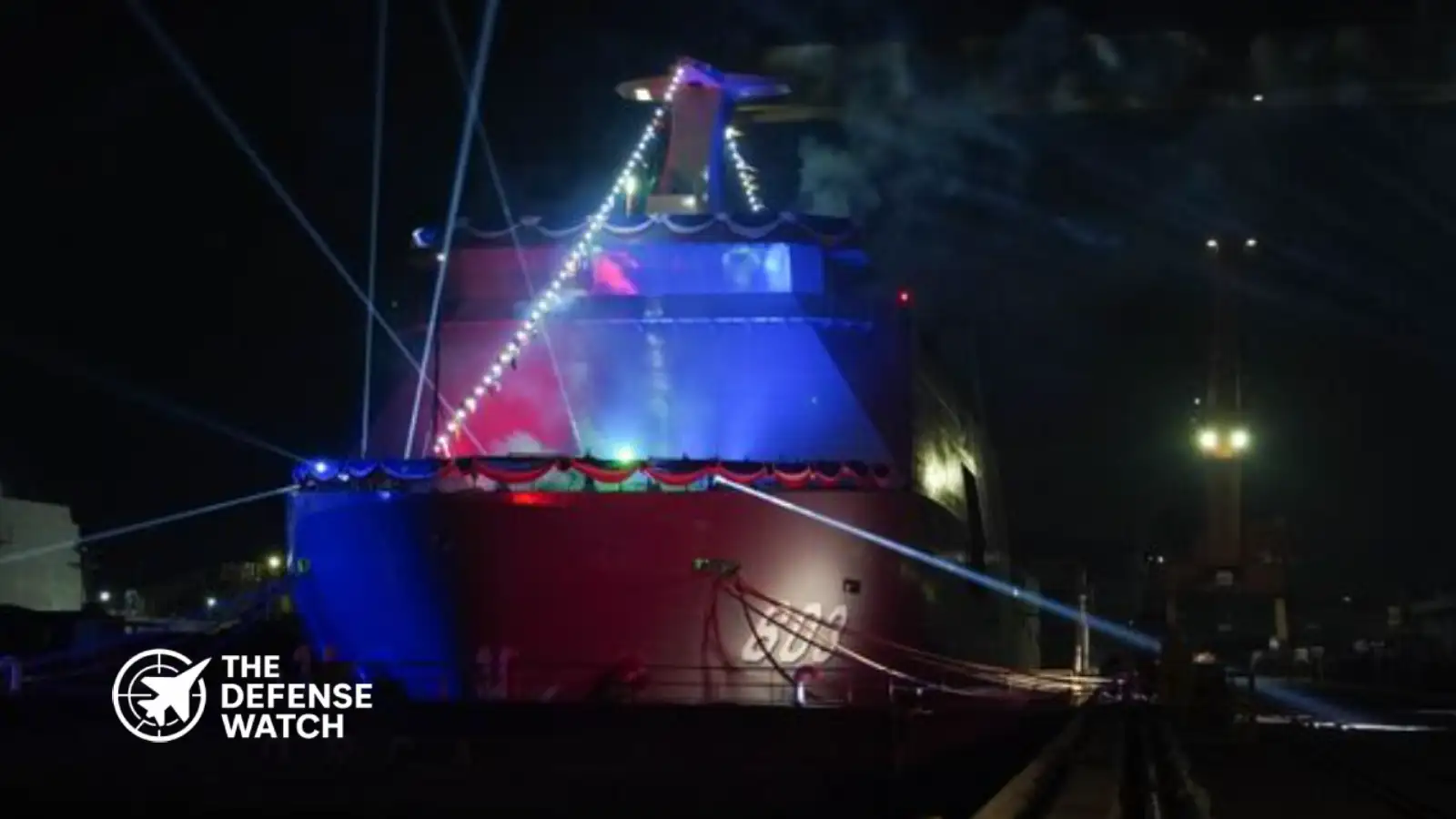
Indonesia’s state-owned shipbuilder PT PAL launched the Philippine Navy’s third strategic sealift vessel (SSV) on June 30, 2026. The vessel, the first follow-on unit under a 2022 contract, will commission as BRP Ilocos Norte.
The event occurred at PT PAL’s facilities in Surabaya. Philippine Navy officials, including Flag Officer in Command Vice Admiral Jose Ma Ambrosio Q. Ezpeleta (also referred to as Vice Admiral Jose Maria Ambrosio Quiatchon), attended alongside Indonesian counterparts.
Program Background and Contract Details
The Philippine Navy initially acquired two Tarlac-class LPDs from PT PAL under a 2014 contract valued at approximately $92 million. BRP Tarlac (LD-601) commissioned in 2016, followed by BRP Davao del Sur (LD-602) in 2017. These vessels, derived from the Indonesian Makassar-class design, provided the navy with its first modern amphibious sealift capability.
In June 2022, the Philippines signed a follow-on contract for two additional improved vessels valued at $100.9 million. The program faced delays due to global supply chain disruptions and geopolitical factors, but PT PAL accelerated hull construction using its Industrial Maritime 4.0 digital framework, completing the hull in six months.
Technical Specifications and Improvements
The follow-on vessels maintain the baseline Tarlac-class configuration while incorporating enhancements requested by the Philippine Navy.
Key Specifications (LD-603 and follow-on units):
- Length: 124 meters
- Beam: 21.8 meters
- Standard Displacement: 7,200 tons
- Maximum Speed: 16 knots
- Range: 9,360 nautical miles at 13 knots
- Endurance: 30 days
- Troop Capacity: Up to 680 personnel
- Propulsion: CODAD with two MAN-STX diesel engines
Improvements over the first two ships include greater vehicle deck clearance, a larger side ramp door, and enhanced ability to embark and deploy the Philippine Navy’s multi-purpose attack craft (MPAC). The vessels feature a well deck for landing craft utility (LCU) operations—two per ship—and a large flight deck for helicopter operations.
These changes allow carriage of larger vehicles and improve logistical efficiency during amphibious assaults or relief operations.
Operational Impact and Regional Context
The addition of two more LPDs will effectively double the Philippine Navy’s dedicated amphibious sealift fleet. This expansion is critical for operations across the archipelago’s vast maritime domain and the West Philippine Sea, where Manila faces territorial challenges.
BRP Ilocos Norte and its sister ship will support troop transport, equipment movement, maritime security, and HA/DR missions. Philippine officials highlighted their utility for power projection beyond national waters and rapid response to natural disasters, a frequent occurrence in the Philippines.
Analysis: For the U.S. and allied defense posture in the Indo-Pacific, a more capable Philippine Navy strengthens collective maritime security efforts. Enhanced sealift reduces reliance on ad-hoc commercial or allied shipping during crises and complements U.S. Marine Corps and Navy amphibious forces in regional exercises. However, the ships currently lack advanced defensive sensors and weapons; final decisions on outfitting remain pending. Integrating modern combat systems will be essential to maximize survivability in contested environments.
Technical hurdles in the program, including supply chain issues, underscore broader challenges in defense industrial cooperation. PT PAL’s use of digital production tools demonstrates a maturing approach that could benefit future ASEAN naval programs. Delivery of LD-603 is expected later in 2026 or 2027, with the fourth vessel following.
Broader Philippine Navy Modernization
The SSV program forms part of the Philippine Armed Forces’ broader modernization drive. It addresses longstanding capability gaps in amphibious warfare, dating back to reliance on older U.S. and Australian surplus vessels. The Tarlac-class has proven effective in joint exercises and disaster response, validating the platform choice.
Future integration of additional sensors, communications, and potentially defensive armaments will determine the class’s effectiveness against evolving threats, including anti-access/area-denial (A2/AD) capabilities in the region.
Executive Summary:
President Asif Ali Zardari joined Pakistan Navy leadership in Sanya, China, on April 30, 2026, for the commissioning of PNS/M Hangor, the first of the Hangor-class diesel-electric attack submarines. The vessel represents a key element of Pakistan’s naval modernization program under a major deal with China. The induction strengthens Pakistan’s maritime defense posture amid regional security dynamics in the Indian Ocean.
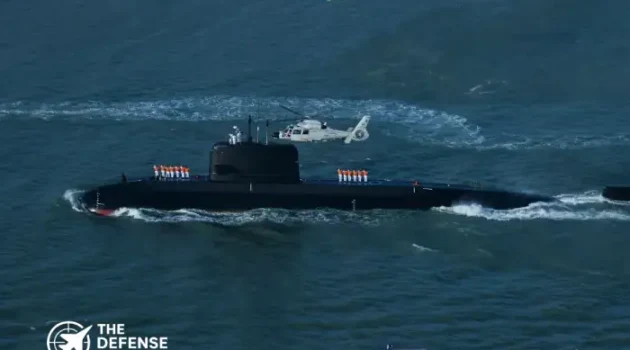
The Pakistan Navy has formally commissioned PNS/M Hangor, its first Hangor-class submarine, marking a significant advancement in its undersea warfare capabilities. President Asif Ali Zardari, who attended the ceremony in Sanya, China, as chief guest, described the event as a historic milestone that enhances Pakistan’s maritime defense.
This development is part of a broader eight-submarine program initiated in 2015, underscoring the deepening strategic partnership between Pakistan and China in defense technology transfer and production.
-
Program Background and Technical Capabilities
The Hangor-class submarines are an export derivative of China’s Type 039A (Yuan-class) design, adapted for Pakistan Navy requirements. Built by China Shipbuilding & Offshore International Co. Ltd (CSOC), the lead boat PNS Hangor was launched in April 2024 and commissioned on April 30, 2026.
Key specifications include:
- Displacement: Approximately 2,800 tons
- Length: 76 meters
- Propulsion: Diesel-electric with Stirling air-independent propulsion (AIP) system
- Speed: Up to 20 knots
- Range: Around 8,500 nautical miles
- Crew: Approximately 36
The AIP system allows extended submerged operations, improving stealth and endurance compared to older conventional submarines. Armament is expected to include heavyweight torpedoes and anti-ship cruise missiles launched from six 533mm torpedo tubes, though specific Pakistani configurations remain classified.
Four submarines are being constructed in China, with the remaining four to be built in Pakistan at Karachi Shipyard & Engineering Works under a technology transfer agreement. This aims to develop indigenous submarine construction expertise.
Strategic Context and Regional Implications
Pakistan operates a mixed submarine fleet, including aging Agosta-class boats. The Hangor program addresses capability gaps by introducing modern, quieter vessels with improved underwater endurance. This enhances Pakistan’s ability to secure sea lines of communication, deter potential adversaries, and protect its exclusive economic zone.
The commissioning occurs against the backdrop of ongoing naval modernization efforts in South Asia. India operates a larger and more diverse submarine fleet, including nuclear-powered vessels, prompting Pakistan to seek asymmetric advantages through advanced conventional submarines.
Original Analysis: From a U.S. perspective, the Hangor program exemplifies China’s growing role as a submarine exporter and technology provider. By enabling co-production, Beijing not only strengthens a key partner but also gains valuable operational feedback on its designs in real-world conditions. For Pakistan, the deal represents one of its largest defense procurements, estimated at $4-5 billion, and supports broader goals of self-reliance in naval platforms.
-
This partnership fits into wider China-Pakistan military cooperation, which includes Type 054A/P frigates and other systems. It contributes to a more capable Pakistan Navy that can operate effectively in contested waters, potentially complicating future contingency planning for regional powers. However, integration, training, and maintenance challenges will be critical factors in realizing full operational potential.
Pakistan-China Defense Ties
President Zardari thanked the Government and people of China for their cooperation, emphasizing that the Hangor program reflects the enduring strategic partnership between the two nations. The ceremony was also attended by Pakistan’s Chief of the Naval Staff, Admiral Naveed Ashraf.
Chinese officials have described the cooperation as standard defense collaboration. The program builds on decades of bilateral ties, with China providing platforms, technology transfer, and support for Pakistan’s defense industrialization.
Operational Path Forward
Following commissioning, PNS Hangor has conducted port visits, including stops in Malaysia and Sri Lanka, before arriving in Pakistan. Subsequent vessels in the class are progressing through construction and trials, with the program targeting full delivery by the late 2020s.
The Pakistan Navy is expected to focus on crew training, doctrine development, and integration of the new submarines into its fleet operations to maximize their contribution to maritime security.
Executive Summary:
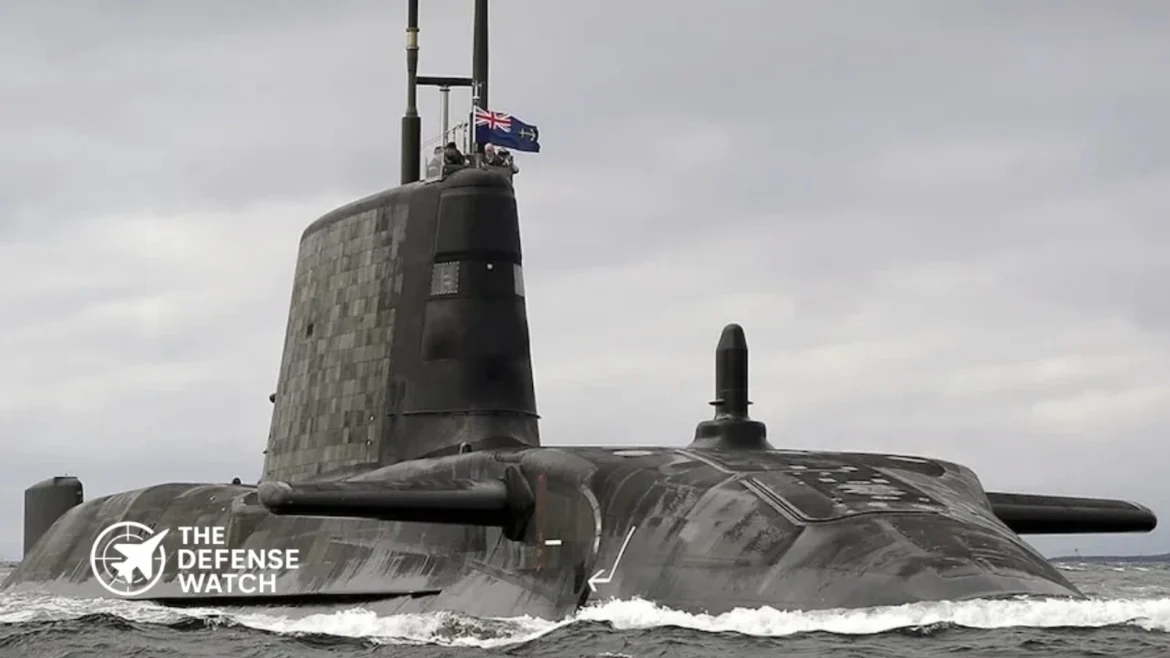
The U.S. Navy has officially established Naval Support Activity (NSA) Stirling in Western Australia as part of the AUKUS security partnership. The new installation will support the Submarine Rotational Force-West mission, enhancing operational readiness for U.S. and U.K. submarines operating from HMAS Stirling while providing critical services for military personnel and their families.
US Navy Establishes NSA Stirling In Australia To Support AUKUS Submarine Operations
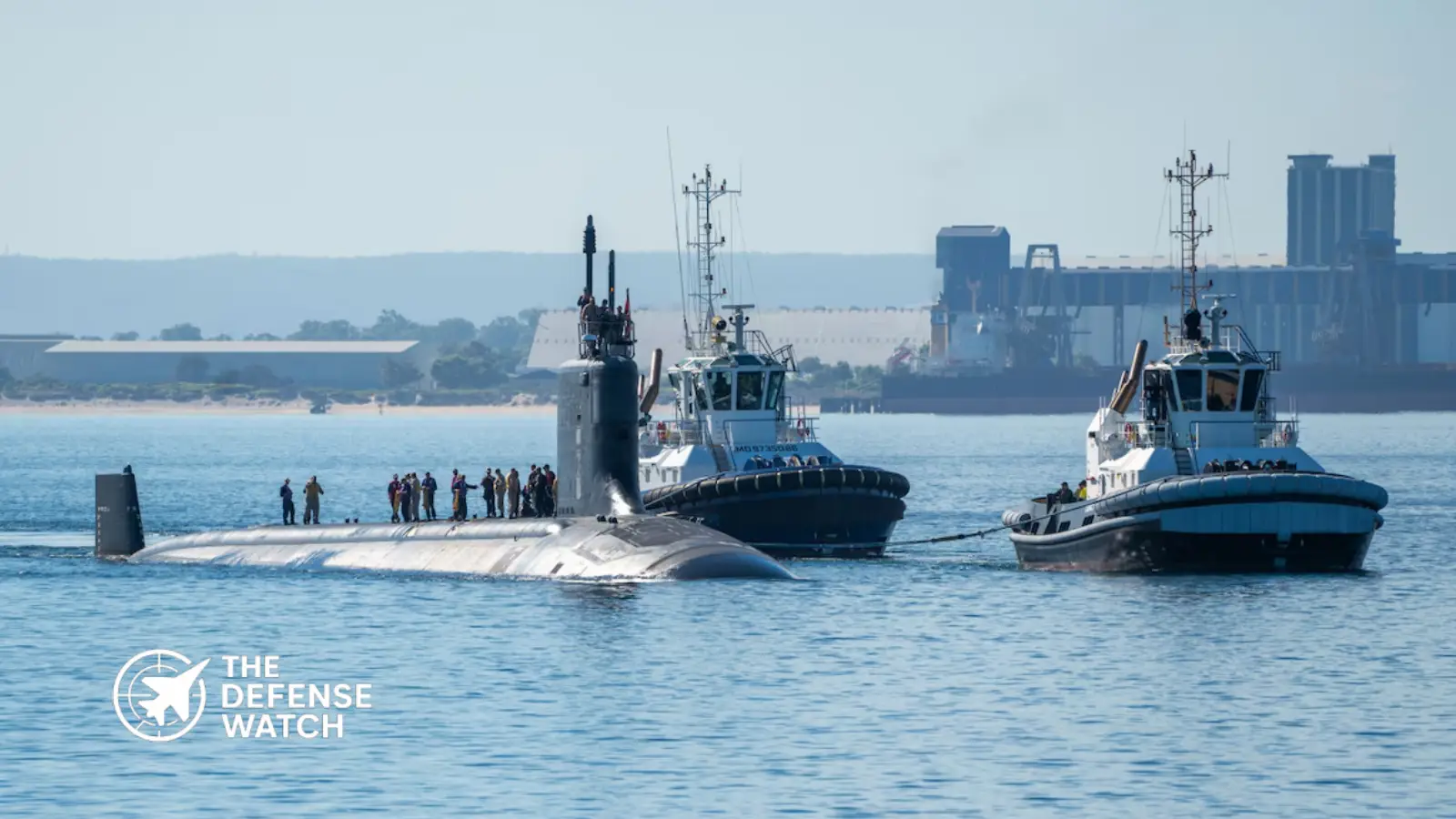
NSA Stirling Australia has officially become the newest U.S. Navy support activity overseas, marking another significant milestone in the implementation of the AUKUS trilateral security partnership between the United States, Australia, and the United Kingdom.
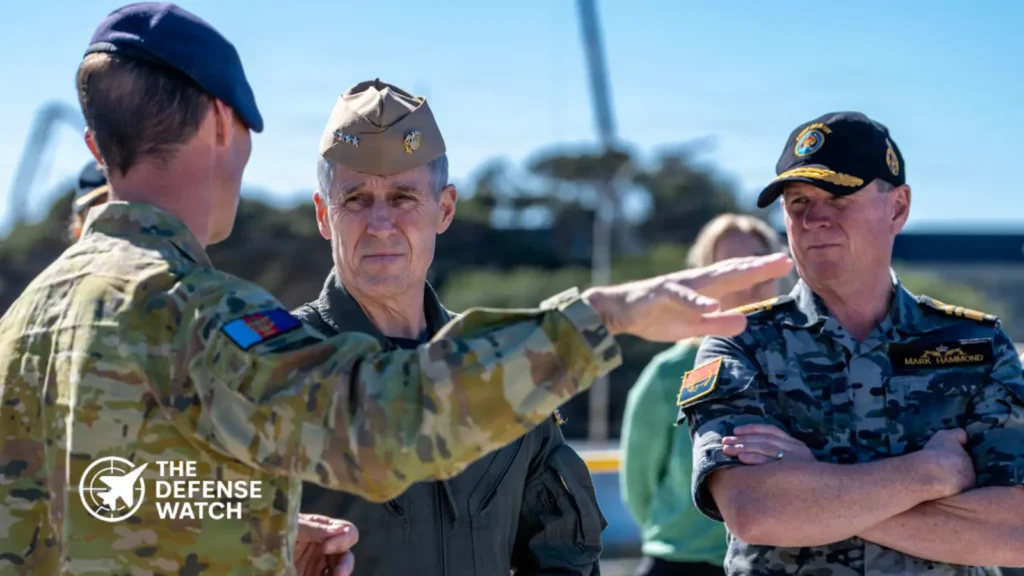
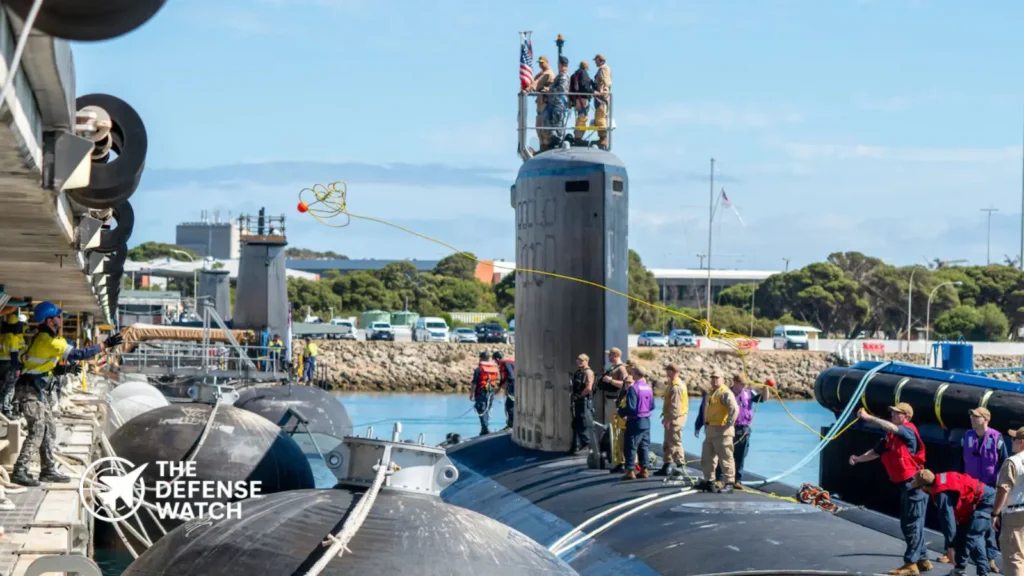
The U.S. Navy announced the establishment of Naval Support Activity (NSA) Stirling on May 30, coinciding with a trilateral statement confirming progress toward the deployment of the Submarine Rotational Force-West (SRF-West) at Australia’s HMAS Stirling naval base in Western Australia.

The move reflects growing allied efforts to strengthen military cooperation and undersea warfare capabilities across the Indo-Pacific, a region increasingly viewed as central to long-term strategic competition.
NSA Stirling To Support AUKUS Submarine Rotations
NSA Stirling was created to provide comprehensive support services for U.S. military personnel, civilian employees, contractors, and family members assigned to SRF-West operations.
The facility will support the rotational deployment of U.S. and British nuclear-powered submarines operating from HMAS Stirling under the AUKUS framework.
According to the U.S. Navy, the installation will offer essential services including:
- Housing support
- Healthcare access
- Childcare programs
- Family readiness services
- Recreation and quality-of-life programs
- Administrative and logistical support
Vice Adm. Scott Gray, Commander of Navy Installations Command, said the establishment of NSA Stirling demonstrates the Navy’s commitment to supporting both operational forces and military families.
He emphasized that providing essential services to personnel stationed in Australia will directly contribute to submarine force readiness and long-term mission effectiveness.
Key Step In The AUKUS Roadmap
The opening of NSA Stirling represents a practical step in the broader AUKUS submarine initiative announced in 2021.
Under the agreement, Australia will gradually expand its nuclear-powered submarine capabilities through a phased approach involving:
- Increased visits by U.S. and U.K. submarines.
- Establishment of Submarine Rotational Force-West.
- Development of Australian infrastructure and workforce capacity.
- Future acquisition and operation of nuclear-powered submarines by Australia.
The rotational submarine presence at HMAS Stirling is designed to improve interoperability among allied navies while enhancing deterrence and maritime security across the Indo-Pacific region.
Unlike major combat installations, NSA Stirling functions as a support organization, but its importance lies in enabling sustained submarine operations far from traditional U.S. bases in the Pacific.
Why HMAS Stirling Matters
Located near Perth on Australia’s west coast, HMAS Stirling is Australia’s largest naval base and one of the country’s most strategically important maritime facilities.

Its location provides direct access to the Indian Ocean, allowing allied submarines to operate across key sea lanes linking the Middle East, Africa, Southeast Asia, and the Pacific.
From a military planning perspective, Western Australia offers several advantages:
- Greater operational reach into the Indian Ocean
- Reduced transit times for allied submarines
- Enhanced logistical support capabilities
- Increased survivability through dispersed basing
- Closer integration between Australian, U.S., and U.K. naval forces
These factors make HMAS Stirling a critical hub for future AUKUS submarine activities.
Navy Region Japan Leading Implementation
Responsibility for establishing NSA Stirling was assigned to Navy Region Japan in October 2024.
Rear Adm. Ian Johnson, Commander of Navy Region Japan, stated that the organization remains in the early stages of building the support activity but expressed confidence in achieving the mission through cooperation among AUKUS partners.
His comments highlight the multinational nature of the initiative, which requires close coordination between defense agencies, infrastructure planners, and naval commands across all three partner nations.
The support activity will continue expanding as the number of personnel and submarine deployments increases in coming years.
Strategic Analysis: More Than A Support Base
While NSA Stirling is not a combat installation, its creation carries broader strategic implications.
AUKUS has largely focused public attention on future submarine acquisition plans, but supporting infrastructure is equally important to long-term military effectiveness. Nuclear-powered submarines require specialized maintenance facilities, trained personnel, logistics networks, family support services, and secure operating environments.
The establishment of NSA Stirling demonstrates that AUKUS is moving beyond policy announcements into practical implementation.
For the United States, the facility expands operational flexibility in the Indo-Pacific without requiring the construction of a large permanent naval base. For Australia, it accelerates preparation for future nuclear-powered submarine operations. For the United Kingdom, it creates additional opportunities for coordinated submarine deployments alongside allied forces.
The move also reinforces allied efforts to maintain a persistent undersea presence in strategically important waters stretching from the Indian Ocean to the Western Pacific.
As regional naval modernization programs continue to expand, logistics and sustainment infrastructure are becoming increasingly important components of military power. NSA Stirling represents one of the first visible examples of how AUKUS is building that foundation.
Conclusion
The establishment of NSA Stirling Australia marks a significant milestone in the AUKUS submarine partnership and the development of Submarine Rotational Force-West.
By providing critical support services for U.S. and U.K. personnel operating from HMAS Stirling, the new naval activity strengthens allied readiness and helps enable sustained submarine operations in the Indo-Pacific. While modest in appearance, the installation forms an essential part of the infrastructure required to turn AUKUS submarine ambitions into an operational reality.
Executive Summary:
Germany and Norway have expanded their bid for Canada’s future submarine fleet by offering a major economic and industrial package tied to the Type 212CD submarine program. The proposal includes up to $86 billion in projected economic benefits, new defense manufacturing facilities, and long term industrial investments aimed at strengthening Canada’s naval and Arctic capabilities.
Germany Expands Type 212CD Offer For Canada’s Submarine Program
Canada’s submarine program has entered a critical phase as Germany and Norway intensify efforts to secure Ottawa’s future fleet requirement with the Type 212CD submarine.
The proposal, led by German shipbuilder TKMS and backed by both European governments, combines military procurement with a large industrial investment package designed to strengthen Canada’s economy, defense sector, and long term maritime capabilities.
According to information reported by CBC News and referenced during the CANSEC defense exhibition in Ottawa, the German-led proposal could contribute as much as C$86 billion to Canada’s gross domestic product while supporting tens of thousands of jobs across multiple sectors.
The offer comes as Canada evaluates competing proposals under the Canadian Patrol Submarine Project (CPSP), a program expected to replace the Royal Canadian Navy’s aging Victoria-class submarines with up to 12 new conventionally powered boats.
Industrial Benefits Become Central To Competition
While submarine performance remains a key factor, industrial participation has become one of the most important elements of the competition.
Canada is expected to build the future fleet overseas, increasing pressure on bidders to provide substantial domestic economic returns. Germany’s proposal addresses this requirement through a broad package of defense and civilian investments.
The plan reportedly includes:
- Two submarine maintenance facilities located on Canada’s Atlantic and Pacific coasts
- Domestic manufacturing capabilities for heavy torpedoes and anti-torpedo systems
- Production facilities for submarine propulsion components and batteries
- Partnerships with Indigenous development organizations
- Potential hypersonic missile testing and manufacturing infrastructure
- Investments in critical minerals and transportation projects
German officials have also proposed investments in Manitoba’s Port of Churchill and carbon capture initiatives in Alberta, extending the economic package beyond traditional defense procurement.
According to figures presented during the bid process, the project could generate roughly 50,000 jobs annually over the first five years and more than 650,000 job-years throughout the program’s lifecycle.
Type 212CD Targets Arctic And NATO Operations
The Type 212CD is being jointly developed by Germany and Norway as a next-generation conventional submarine optimized for operations in northern waters and the North Atlantic. The platform features air independent propulsion, low acoustic signatures, and a design intended for extended underwater endurance.
For Canada, the submarine’s Arctic suitability has become a major selling point.
The Royal Canadian Navy faces growing pressure to maintain undersea presence across the Arctic, Atlantic, and Pacific regions as strategic competition intensifies in the High North. A future fleet capable of operating in harsh northern environments is increasingly viewed as essential for sovereignty patrols, intelligence gathering, and alliance commitments.
Germany and Norway have framed their proposal as more than a procurement deal, presenting it as an opportunity for Canada to join an existing multinational submarine community with shared training, sustainment, and future modernization pathways.
Strategic Implications Reach Beyond Procurement
The submarine decision carries geopolitical significance beyond naval modernization.
Defense analysts have noted that selecting the German-Norwegian proposal would deepen Canada’s defense integration with European NATO partners at a time when Arctic security and transatlantic cooperation are gaining renewed attention.
German Defense Minister Boris Pistorius has personally promoted the bid, describing it as a long term strategic partnership linking Canadian, German, and Norwegian industrial and defense interests. His direct involvement highlights the importance Berlin places on securing one of the largest submarine competitions currently underway among NATO nations.
At the same time, South Korea’s Hanwha Ocean remains a strong competitor with its KSS-III submarine proposal. The Korean design benefits from an active production line and has been marketed as a lower risk delivery option. Recent demonstrations and naval engagements involving the KSS-III have reinforced Seoul’s effort to showcase operational maturity.
Delivery Timeline Remains A Key Decision Factor
One of the most pressing concerns for Ottawa is avoiding a capability gap as the Victoria-class fleet approaches retirement.
To address this issue, Germany and Norway have proposed reallocating submarine production slots from their own national orders, allowing Canada to receive four Type 212CD submarines by 2036. The move directly responds to concerns about schedule risk and seeks to match delivery timelines offered by competing bidders.
The Canadian government has indicated that a final decision on the submarine competition could be made by the end of June, making the coming weeks critical for both bidders.
Analysis
The German offer reflects a broader trend in modern defense procurement, where industrial participation, technology transfer, and strategic partnerships increasingly influence contract decisions as much as military performance.
Rather than marketing the Type 212CD solely as a submarine, Berlin and TKMS are presenting the platform as part of a wider economic and geopolitical framework. This approach aligns with Canada’s growing emphasis on domestic industrial benefits and long term strategic resilience.
Whether Ottawa prioritizes NATO integration through the German-Norwegian partnership or favors South Korea’s established production capabilities may ultimately determine the future direction of Canada’s undersea warfare strategy for decades to come.
Canada’s search for a new submarine fleet is drawing increased competition as Hanwha Ocean positions the KSS-III as a fast-track option for Arctic and Indo-Pacific operations.
Executive Summary:
Hanwha Ocean is promoting its KSS-III submarine as a contender for Canada’s future patrol submarine program. The company says the design offers Arctic operational capability, rapid delivery potential, and industrial cooperation opportunities for Canadian industry.
Hanwha Ocean Highlights KSS-III For Canada’s Future Submarine Fleet
South Korean shipbuilder Hanwha Ocean is intensifying its campaign to position the KSS-III submarine for Canada’s future patrol submarine project, as Ottawa seeks to modernize its underwater warfare capability and expand Arctic operations.
The company presented the submarine’s operational capabilities and industrial benefits during the CANSEC defense exhibition in Ottawa, emphasizing the platform’s suitability for long-range patrol missions, under-ice operations, and Indo-Pacific deployments.
Canada is currently assessing options to replace its aging Victoria-class submarines, which have faced longstanding availability and maintenance challenges. Ottawa has increasingly stressed the need for persistent submarine operations in the Arctic amid growing strategic competition in the region.
Hanwha Ocean stated that the KSS-III submarine program could provide a relatively mature and lower-risk option compared with entirely new submarine development efforts.
KSS-III Designed For Long-Endurance Operations
The KSS-III is South Korea’s newest indigenous submarine design and represents one of the most advanced conventional submarines currently in production in Asia.
The diesel-electric submarine features air-independent propulsion (AIP), enabling longer submerged endurance compared with traditional diesel-electric boats. The platform was designed for extended patrol operations and multi-role missions, including anti-submarine warfare, anti-surface warfare, intelligence collection, and strategic strike operations.
Hanwha Ocean noted that the submarine’s size and endurance could support Canada’s requirement for operations across the Arctic, North Atlantic, and Pacific theaters.
The submarine displaces roughly 3,000 to 3,600 tons depending on configuration and is equipped with advanced combat systems, sonar suites, and vertical launch system capability. South Korea’s navy has already begun introducing the class into operational service.
The company also highlighted ongoing work on lithium-ion battery integration for later variants, which could further improve submerged endurance and operational flexibility.
Why Canada’s Submarine Competition Matters
Canada’s future submarine project has become increasingly important within NATO and Indo-Pacific security discussions.
The Royal Canadian Navy’s current Victoria-class fleet was originally acquired from the United Kingdom in the late 1990s. Aging systems, maintenance delays, and limited availability have repeatedly raised concerns over Canada’s ability to sustain continuous submarine patrols.
At the same time, strategic competition in the Arctic is accelerating. Russia continues to expand its Arctic military infrastructure and submarine activity, while China has increased interest in northern maritime routes and polar operations.
As a result, Canadian defense planners are seeking a platform capable of operating in harsh Arctic conditions while also supporting coalition operations alongside NATO and Indo-Pacific partners.
Hanwha Ocean’s proposal reflects a broader trend in global submarine procurement, where governments are prioritizing mature platforms with reduced development risk and faster production timelines.
Industrial Cooperation A Key Part Of The Offer
A major component of Hanwha Ocean’s campaign involves industrial cooperation with Canadian industry.
The company said the KSS-III proposal includes opportunities for technology transfer, local maintenance support, workforce development, and participation by Canadian shipbuilding and defense firms.
Industrial participation has become a central issue in Canadian defense procurement programs, particularly as Ottawa attempts to strengthen domestic defense manufacturing capacity.
Hanwha Ocean also stressed that South Korea’s shipbuilding sector maintains one of the world’s largest naval production capacities, which could support accelerated delivery schedules.
That point may carry weight as Canada faces growing pressure to modernize its naval capabilities amid evolving geopolitical tensions.
Increasing Competition In The Global Submarine Market
The Canadian competition is attracting growing international attention as submarine demand rises across NATO and Indo-Pacific nations.
South Korean defense firms have become increasingly active in export campaigns over the past decade, securing major contracts in Europe, the Middle East, and Southeast Asia.
The KSS-III campaign also reflects Seoul’s broader strategy to expand defense exports and strengthen strategic defense partnerships with Western allies.
Hanwha Ocean faces competition from several established submarine builders, including European shipyards with long-standing NATO relationships. However, South Korea’s ability to offer active production lines and potentially shorter delivery schedules could become a significant advantage.
For Canada, the decision will likely balance operational requirements, industrial benefits, long-term sustainment costs, and geopolitical considerations.
Strategic Implications For Arctic Security
The submarine competition comes as Arctic security gains greater prominence within NATO planning.
Submarines remain one of the most effective tools for surveillance, deterrence, and sea denial operations in contested maritime regions. For Canada, future submarines are expected to support sovereignty patrols, intelligence gathering, and alliance interoperability.
The KSS-III’s emphasis on endurance and multi-mission capability aligns with Canada’s expanding focus on Arctic domain awareness and maritime security.
The project could also deepen defense cooperation between Canada and South Korea at a time when Indo-Pacific partnerships are becoming increasingly connected to transatlantic security priorities.
Executive Summary:
South Korean shipbuilder Hanwha Ocean has deployed its KSS-III submarine to Canada in support of Ottawa’s future patrol submarine program. The visit highlights growing competition in Canada’s naval modernization effort as allied shipbuilders position themselves for one of the world’s most closely watched submarine procurements.
Hanwha Ocean KSS-III Submarine Arrives In Canada
The Hanwha Ocean KSS-III submarine has reached Canada following a long range deployment intended to support South Korea’s bid for the Canadian Patrol Submarine Project (CPSP). The voyage marks a significant step in Seoul’s push to expand its defense exports into North America and deepen naval cooperation with Western allies.
The submarine’s arrival is designed to demonstrate the platform’s endurance, operational range, and suitability for Arctic and long distance missions that are central to Canada’s future submarine requirements.
Canada is seeking to replace its aging Victoria-class submarines with a new fleet capable of operating across the Atlantic, Pacific, and Arctic regions. Ottawa’s planned acquisition is expected to become one of the largest naval modernization efforts in Canadian history.
The KSS-III deployment comes as several international shipbuilders compete for influence in the Canadian program, including companies from Europe and Asia.
KSS-III Designed For Long Range Operations
The KSS-III submarine, developed for the Republic of Korea Navy, represents South Korea’s most advanced indigenous submarine program. The platform features air independent propulsion technology, advanced combat systems, vertical launch capability, and extended endurance for blue water operations.
Defense analysts note that the deployment to Canada carries both operational and political significance. Demonstrating the submarine’s ability to conduct a trans-Pacific voyage helps validate claims regarding range and reliability, particularly as Canada evaluates vessels capable of sustained operations in remote maritime environments.
The Canadian Patrol Submarine Project is expected to prioritize under ice capability, endurance, stealth, interoperability with NATO forces, and long term industrial partnerships.
While the KSS-III was originally designed for regional deterrence missions in the Indo-Pacific, Hanwha Ocean appears to be positioning the platform as a flexible export solution for allied navies facing growing maritime security demands.
Canada Expands Focus On Arctic Security
Canada’s submarine replacement effort has gained urgency amid increased geopolitical competition in the Arctic and rising naval activity by Russia and China in northern waters.
Ottawa has repeatedly emphasized the need for persistent underwater surveillance and sovereign maritime presence across the Arctic region. Existing Victoria-class submarines have faced operational limitations tied to age, maintenance demands, and limited under ice capability.
The Hanwha Ocean KSS-III submarine bid reflects a broader trend in which Asian defense manufacturers are increasingly competing in Western procurement programs once dominated by European and American suppliers.
South Korea’s defense industry has expanded rapidly over the past decade, securing major export contracts in Europe, the Middle East, and Asia. Companies including Hanwha Ocean and Hanwha Aerospace have benefited from rising global demand for faster production timelines and competitively priced military systems.
Strategic Implications For NATO And Indo-Pacific Cooperation
The KSS-III deployment also reflects expanding defense ties between Canada and South Korea as both countries strengthen cooperation with U.S.-led alliance structures in the Indo-Pacific region.
Naval experts say Canada’s future submarine selection could influence interoperability with NATO partners and allied Indo-Pacific operations for decades. Long range submarines are increasingly viewed as critical assets for intelligence gathering, deterrence patrols, anti-submarine warfare, and strategic surveillance missions.
For South Korea, success in Canada would represent a major breakthrough in the Western submarine export market and reinforce Seoul’s growing role as a global defense supplier.
At the same time, competition remains intense. European shipbuilders continue promoting mature submarine designs with proven NATO operational records, while Canada’s final requirements are still evolving.
No final procurement decision has been announced by the Canadian government.
Original Analysis
The arrival of the Hanwha Ocean KSS-III submarine in Canada is more than a promotional deployment. It reflects how global submarine competition is shifting beyond traditional European suppliers.
South Korean defense firms are increasingly leveraging rapid manufacturing capacity, modern digital shipbuilding methods, and flexible industrial cooperation packages to compete internationally. Canada’s submarine program offers Seoul an opportunity to prove that Asian defense manufacturers can support long term Western naval requirements at scale.
The deployment also highlights a broader strategic reality. Arctic security is becoming central to NATO planning, and future submarines must balance stealth, endurance, and multi theater operational flexibility. Any winning design will likely need to support not only national defense missions, but also integrated allied operations across the Atlantic and Indo-Pacific.
For Canada, the choice will shape naval capabilities for decades. For South Korea, it could redefine its position in the global submarine export market.
South Korea is formally advancing plans for nuclear-powered submarines, marking a major shift in the country’s long-term naval strategy.
Executive Summary:
South Korea has begun the formal process of pursuing nuclear-powered submarines as part of a broader naval modernization effort. The initiative reflects Seoul’s growing focus on long-range maritime deterrence, regional security competition, and expanded undersea operational capability in the Indo-Pacific.
South Korea Nuclear-Powered Submarine Program Signals Strategic Naval Shift
South Korea’s nuclear-powered submarine initiative has entered a formal government review phase, signaling one of the country’s most consequential naval modernization efforts in decades.
The South Korean government has launched an official process examining the feasibility, strategic rationale, and legal framework required to field nuclear-powered submarines for the Republic of Korea Navy.
The move comes as regional maritime competition intensifies across the Indo-Pacific, particularly amid North Korea’s continued missile development, China’s expanding naval presence, and growing undersea warfare activity in nearby waters.
If ultimately approved, the program would significantly expand South Korea’s blue-water naval reach and endurance compared to its current diesel-electric submarine fleet.
Why South Korea Wants Nuclear-Powered Submarines
Nuclear-powered submarines provide major operational advantages over conventional diesel-electric boats. Unlike traditional submarines, nuclear-powered vessels can remain submerged for extended periods without surfacing for air, enabling longer patrols, greater stealth, and faster sustained transit speeds.
For Seoul, those capabilities are increasingly relevant.
North Korea has continued to pursue submarine-launched ballistic missile programs and has publicly showcased ambitions for nuclear-capable undersea platforms. At the same time, China’s naval expansion and regional power projection efforts have transformed the broader Indo-Pacific security environment.
South Korea’s existing submarine fleet, including the KSS-III Dosan Ahn Changho-class submarines, already represents one of the most advanced conventional undersea forces in Asia. However, nuclear propulsion would provide a substantial leap in operational flexibility and strategic endurance.
Defense analysts have long argued that nuclear-powered submarines would allow South Korea to maintain persistent patrols farther from the Korean Peninsula while improving survivability during high-intensity conflict scenarios.
Legal And Political Challenges Remain
Despite the strategic logic behind the proposal, South Korea faces major political and regulatory hurdles before such a capability could become reality.
The country remains bound by international nuclear nonproliferation obligations, including agreements related to civilian nuclear material usage. Any future submarine propulsion effort would likely require extensive coordination with the United States, which remains Seoul’s primary security ally and a critical stakeholder in regional nuclear policy.
Washington has historically exercised caution regarding naval nuclear propulsion technology transfers outside a limited group of allied nations.
The issue has gained additional attention since the establishment of the AUKUS security partnership between Australia, United Kingdom, and the United States, which included plans to help Australia acquire nuclear-powered submarines.
That agreement triggered broader debate in Asia over whether other U.S. allies could eventually pursue similar capabilities.
South Korean officials have periodically raised the issue over the past decade, though previous discussions largely remained conceptual. The newly launched formal review process suggests the government is now treating the matter with greater institutional seriousness.
Regional Security Implications
The South Korea nuclear-powered submarine program could alter naval dynamics across Northeast Asia if it progresses beyond the planning phase.
Nuclear-powered attack submarines are widely viewed as among the most survivable and strategically valuable assets in modern naval warfare. Their ability to conduct intelligence gathering, anti-submarine warfare, long-range strike missions, and sea-denial operations makes them central to great-power maritime competition.
For Seoul, the capability could strengthen independent deterrence while enhancing interoperability with allied naval forces operating across the Pacific.
However, the move may also generate concerns among neighboring countries already navigating heightened regional tensions.
China has steadily expanded its naval fleet, including nuclear-powered submarines, while Japan continues investing heavily in anti-submarine warfare capabilities and maritime surveillance systems. North Korea, meanwhile, has repeatedly emphasized the development of strategic underwater weapons platforms.
As a result, South Korea’s pursuit of nuclear-powered submarines is likely to be closely watched across the region.
Domestic Defense Industry Could Benefit
A future nuclear-powered submarine effort could also create substantial opportunities for South Korea’s defense and shipbuilding sectors.
South Korean shipbuilders, including Hanwha Ocean and HD Hyundai Heavy Industries, already possess significant experience constructing advanced naval vessels and submarines.
The country has invested heavily in indigenous naval technologies over the past two decades, reducing reliance on foreign suppliers and expanding domestic defense manufacturing capabilities.
Although nuclear propulsion technology presents a much higher level of complexity, South Korea’s mature commercial nuclear sector and advanced shipbuilding infrastructure could provide a foundation for future development.
Still, experts note that designing, building, and operating nuclear-powered submarines would likely require years of technical preparation, political negotiations, regulatory adjustments, and major financial investment.
Strategic Outlook
The decision to formally examine nuclear-powered submarines reflects broader shifts in South Korea’s defense posture and long-term strategic planning.
Seoul is increasingly emphasizing advanced maritime capabilities, long-range deterrence, and indigenous defense technology development as regional security pressures evolve.
While the program remains in the early policy stage, the launch of a formal acquisition process marks a significant signal of intent from the South Korean government.
Whether the initiative advances into a fully funded procurement effort will depend on political consensus, alliance coordination, legal considerations, and the evolving regional threat environment.
For now, the move underscores how undersea warfare and naval modernization are becoming increasingly central to Indo-Pacific security competition.