Executive Summary:
The United States has approved the transfer of 10,000 Precision Kill Weapon Systems to Israel, significantly expanding its precision strike inventory. The deal highlights continued U.S. support while enhancing Israel’s ability to conduct low-collateral, high-accuracy operations.
US Approves Precision Kill Weapon Systems For Israel
The approval of 10,000 Precision Kill Weapon Systems (APKWS) marks a substantial expansion of Israel’s guided munitions inventory, reinforcing its ability to conduct accurate, low-collateral strikes in complex operational environments.
- US Approves Precision Kill Weapon Systems For Israel
- What The APKWS Brings To The Battlefield
- Strategic Context Behind The Approval
- Cost-Effectiveness And Operational Sustainability
- Broader Implications For Regional Security
- Original Analysis: Why Quantity Matters As Much As Technology
- Integration Across Platforms
- Looking Ahead
The U.S. decision underscores ongoing military cooperation between Washington and Jerusalem, particularly as regional security dynamics remain volatile.
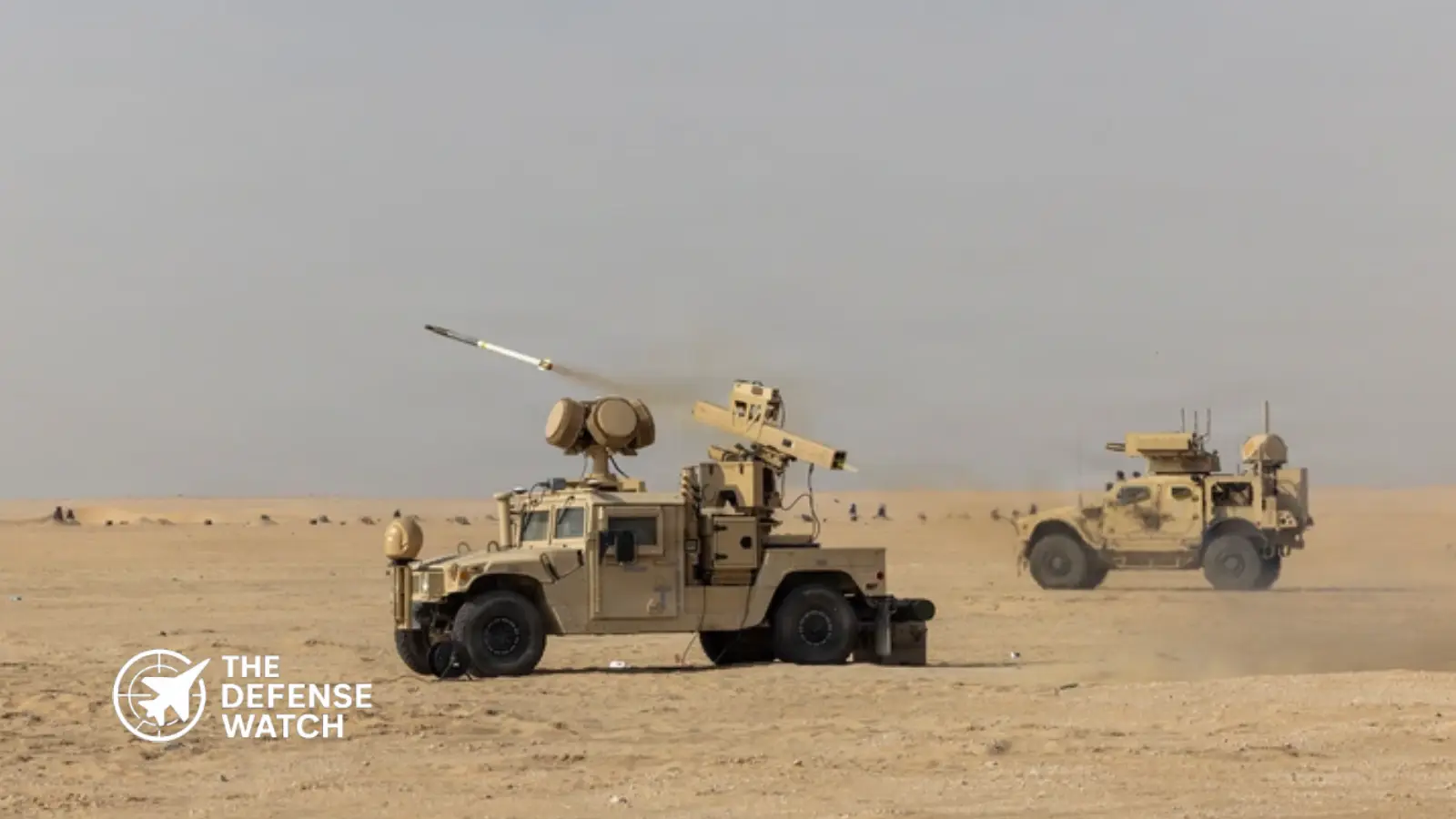
The APKWS is a laser-guided rocket system that converts standard 70mm unguided rockets into precision-guided munitions. Developed to provide a cost-effective alternative to larger guided missiles, it is widely used by U.S. and allied forces for close air support and counter-insurgency missions.
What The APKWS Brings To The Battlefield
The Precision Kill Weapon Systems capability lies in its simplicity and efficiency. By integrating a guidance kit between the rocket motor and warhead, the system transforms legacy munitions into precision weapons without requiring entirely new platforms.
Operationally, this allows:
- Reduced collateral damage in urban environments
- Lower cost per engagement compared to larger missiles
- Increased flexibility for aircraft and helicopters
- Rapid integration across multiple platforms
Israel already fields advanced airpower capabilities, but the addition of 10,000 APKWS units significantly increases its ability to sustain high-tempo operations while managing costs.
From an operational standpoint, this aligns with a broader trend among modern militaries to prioritize scalable, precision-guided systems over expensive, high-end munitions for routine engagements.
Strategic Context Behind The Approval
The timing of the approval reflects ongoing regional tensions and sustained operational demands on Israel’s military forces.
While the U.S. has long supported Israel’s qualitative military edge, this specific package emphasizes quantity combined with precision, rather than introducing entirely new high-end systems.
That distinction matters.
Instead of focusing solely on advanced platforms like stealth aircraft or long-range missiles, the deal prioritizes munitions that are:
- Readily deployable
- Operationally proven
- Suitable for frequent use
This suggests a recognition that modern conflicts increasingly require sustained precision strike capacity, not just technological superiority.
Cost-Effectiveness And Operational Sustainability
One of the defining features of the APKWS is its cost profile.
Compared to traditional precision-guided missiles, APKWS rounds are significantly cheaper, making them suitable for engagements where deploying a larger missile would be disproportionate.
This has several implications:
- Enables more frequent use without rapidly depleting budgets
- Supports prolonged operations
- Reduces reliance on high-end missile inventories
For Israel, which often operates in densely populated areas, the system offers a balance between precision and practicality.
This reflects a broader shift in defense procurement priorities globally, where affordable precision is becoming as important as cutting-edge capability.
Broader Implications For Regional Security
The transfer of 10,000 Precision Kill Weapon Systems is unlikely to alter the overall military balance in the Middle East on its own. However, it does enhance Israel’s ability to conduct targeted, controlled strikes, which can influence operational dynamics on the ground.
From a strategic perspective, the deal reinforces several key points:
- Continued U.S. commitment to Israel’s defense
- Emphasis on precision engagement over large-scale firepower
- Adaptation to modern conflict environments, especially urban warfare
At the same time, such transfers often draw scrutiny in the context of regional tensions, particularly regarding escalation risks and humanitarian considerations.
Original Analysis: Why Quantity Matters As Much As Technology
A key takeaway from this development is the growing importance of munition stockpiles in modern warfare.
Advanced platforms like fifth-generation aircraft receive significant attention, but their effectiveness ultimately depends on the availability of munitions.
In recent conflicts globally, including in Europe and the Middle East, a consistent pattern has emerged:
- High consumption rates of precision munitions
- Supply chain pressures
- Increased focus on scalable production
The U.S. approval of 10,000 APKWS units reflects this reality.
Rather than prioritizing a small number of highly advanced weapons, the emphasis is shifting toward large quantities of reliable, precision-guided systems that can sustain operations over time.
This approach aligns with lessons learned from recent conflicts, where endurance and logistics have proven just as critical as technological edge.
Integration Across Platforms
Another advantage of the APKWS system is its compatibility with a wide range of platforms.
These include:
- Fixed-wing aircraft
- Attack helicopters
- Unmanned aerial systems (in some configurations)
This flexibility allows operators to deploy the system across multiple mission sets, from close air support to counter-drone operations.
For Israel, which operates a diverse and technologically advanced air fleet, this interoperability enhances overall mission effectiveness without requiring major platform modifications.
Looking Ahead
The approval of 10,000 Precision Kill Weapon Systems represents more than just a routine arms transfer. It highlights a shift in how modern militaries are preparing for sustained, precision-focused operations.
As conflicts become more complex and often occur in urban environments, the demand for accurate, cost-effective, and scalable weapons is expected to grow.
The APKWS fits squarely within this requirement.