Lockheed Martin Exceeds Wall Street Expectations with 2026 Financial Outlook
Lockheed Martin Corporation announced its 2026 financial guidance on Thursday, January 29, projecting revenue between $77.5 billion and $80 billion, surpassing analyst expectations amid heightened global defense demand. The Maryland-based defense contractor reported fourth-quarter 2025 sales of $20.32 billion, representing a significant increase from $18.62 billion in the same period the previous year.
The company’s 2026 earnings per share guidance of $29.35 to $30.25 also exceeded Wall Street estimates of $29.28, according to data compiled by LSEG. Lockheed Martin’s stock rose 6.7 percent following the announcement, adding approximately $9.26 billion to the company’s market valuation.
“This notable start to 2026 reinforces our confidence in Lockheed Martin’s continued operational and financial growth in the year ahead,” the company stated in its earnings release. The forecast anticipates approximately 5 percent sales growth and 25 percent segment operating profit growth year-over-year.
Record Backlog Positions Company for Sustained Growth
Lockheed Martin reported a record backlog of $194 billion at the end of 2025, reflecting unprecedented demand for its defense systems. The company delivered $75 billion in sales during 2025, a 6 percent increase from the previous year, with net earnings reaching $5 billion.
Free cash flow for 2025 totaled $6.9 billion, exceeding previous expectations. For 2026, the company projects free cash flow between $6.5 billion and $6.8 billion, maintaining strong cash generation capabilities to support shareholder returns and capital investments.
The defense contractor paid $3.13 billion in dividends during 2025, up from $3.06 billion the previous year. Unlike competitor Northrop Grumman, which announced it would pause stock buybacks beyond January, Lockheed Martin continues its commitment to returning value to shareholders.
Geopolitical Tensions Drive Fighter Jet and Missile Demand
Rising geopolitical uncertainty continues to fuel demand for Lockheed Martin’s premier weapon systems. Ongoing conflicts in the Middle East and the protracted Russia-Ukraine war have created sustained requirements for advanced fighter aircraft and air defense systems.
(adsbygoogle = window.adsbygoogle || []).push({});According to CEO Jim Taiclet, Lockheed Martin’s F-35 and F-22 fighter jets, RQ-170 stealth drones, and Sikorsky Black Hawk helicopters were deployed in recent U.S. military operations, including the capture of the Venezuelan president by American forces. The operational employment of these platforms demonstrates their continued relevance to national security missions.
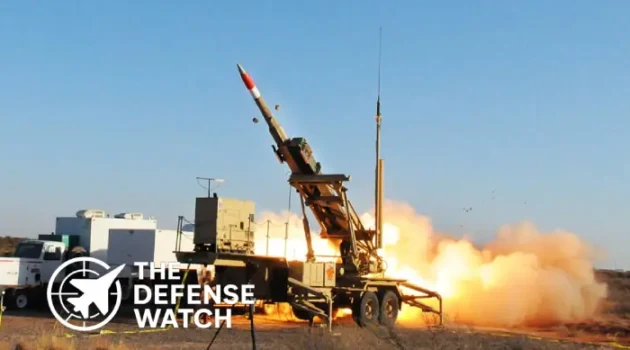
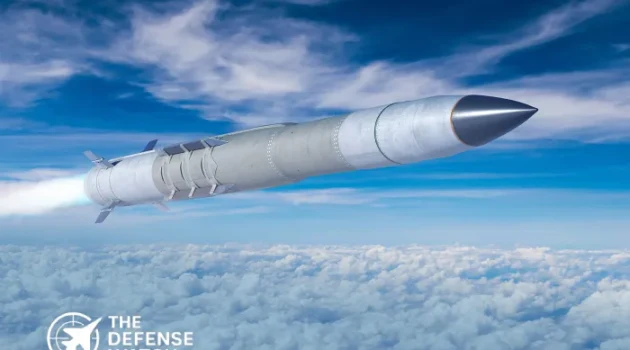
The company’s Missiles and Fire Control division posted the strongest quarterly growth, with sales increasing 17.8 percent year-over-year during the fourth quarter. This segment manufactures the Patriot Advanced Capability-3 (PAC-3) Missile Segment Enhancement interceptor, which has seen exceptional demand from both U.S. forces and international partners.
Historic Patriot Missile Production Agreement Supports Forecast
Earlier in January 2026, Lockheed Martin finalized a landmark seven-year framework agreement with the Department of Defense to dramatically expand PAC-3 interceptor production. The deal calls for increasing annual production capacity from approximately 600 units to 2,000 units by the end of 2030.
This production ramp represents more than a tripling of current manufacturing rates and reflects the massive global demand for advanced air and missile defense capabilities. Seventeen partner nations currently operate the Patriot system, with additional countries expressing interest in acquiring the technology.
The PAC-3 Missile Segment Enhancement is a hit-to-kill interceptor designed to destroy incoming tactical ballistic missiles, cruise missiles, hypersonic weapons, and aircraft through direct impact rather than blast fragmentation. Its proven combat performance in recent conflicts has solidified its position as a critical capability for allied militaries.
According to missile defense expert Tom Karako of the Center for Strategic and International Studies, the production increase to 2,000 units annually is not excessive relative to demand. “The demand signal is massive among multiple US services, the other 17 nations globally that operate Patriot, and a handful more who want to,” Karako noted.
Production Expansion Strengthens Defense Industrial Base
The PAC-3 production agreement represents a significant shift in Pentagon acquisition strategy. The framework deal provides long-term demand certainty, enabling industry investment while incorporating provisions for inflation adjustments and cost-sharing mechanisms.
Lockheed Martin delivered more than 24,000 Missiles and Fire Control products to the United States and allied nations in 2025, demonstrating the scale of current demand. The company increased PAC-3 production by more than 60 percent over the past two years, delivering 620 interceptors in 2025 alone.
(adsbygoogle = window.adsbygoogle || []).push({});CEO Taiclet indicated that the production expansion would be accomplished using existing floor space while adding workers, advanced tooling, and automation. The agreement includes collaborative financing approaches designed to preserve cash neutrality while enabling necessary capital investments.
F-35 Program Maintains Strong Sales Momentum
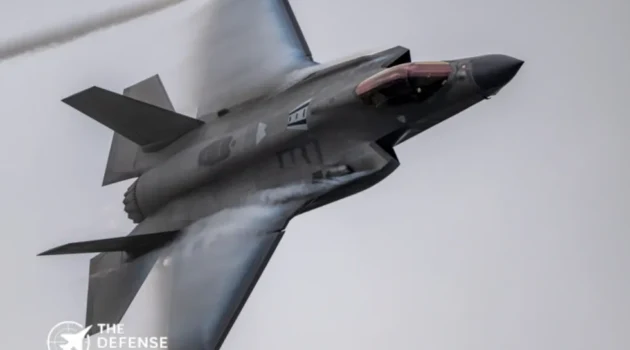
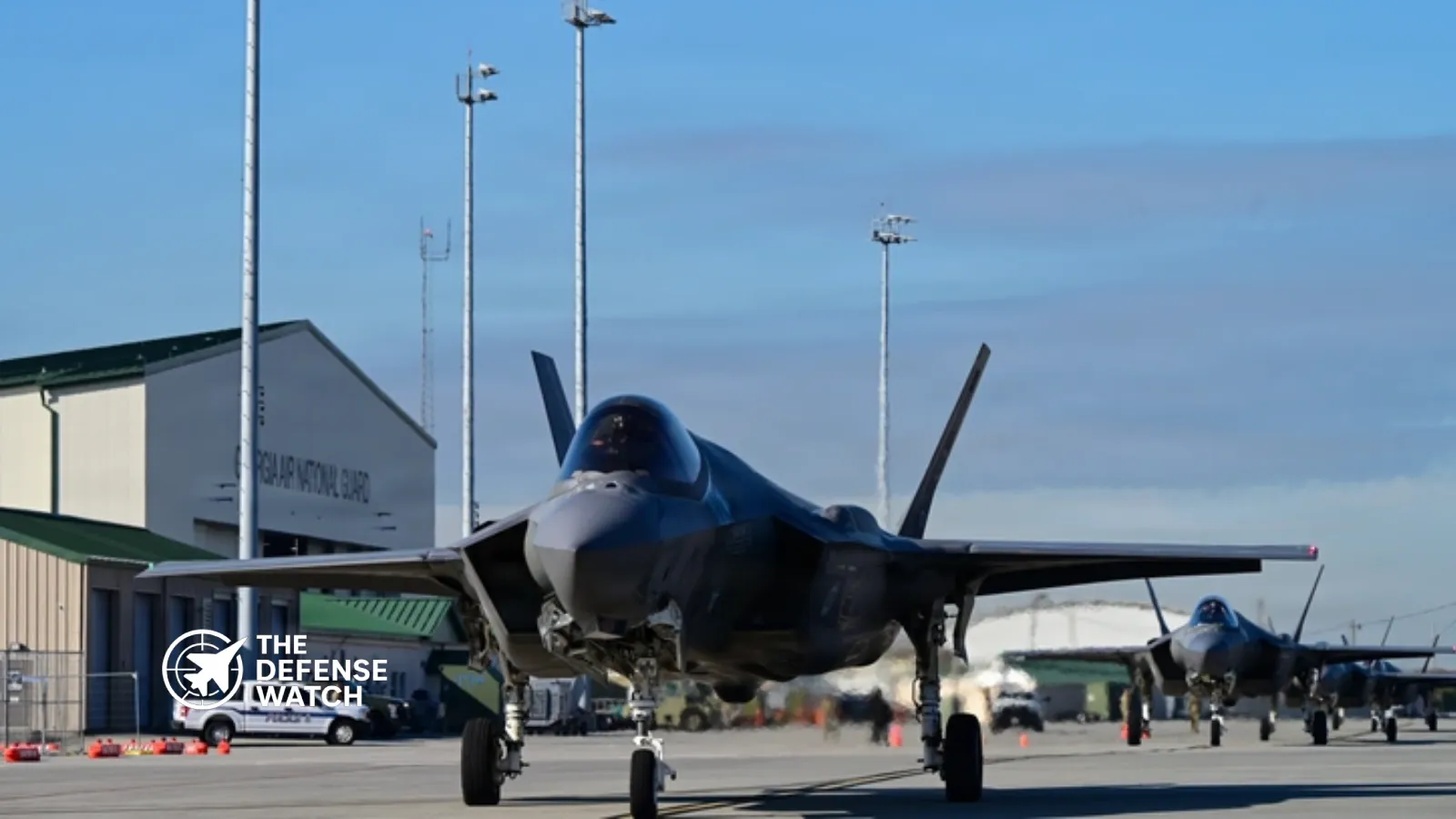
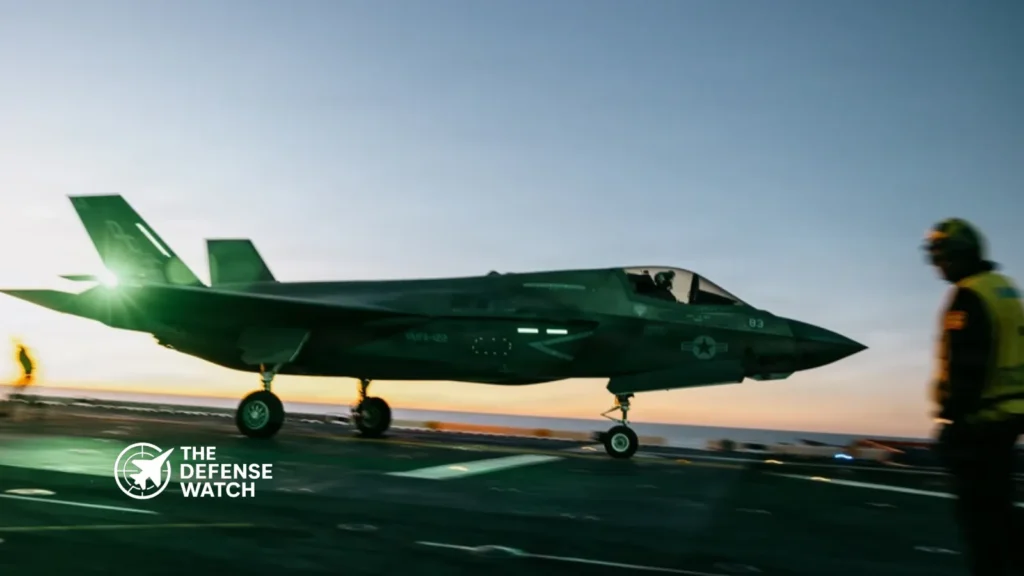
The F-35 Lightning II joint strike fighter program continues to represent a substantial portion of Lockheed Martin’s revenue base. As the world’s most advanced multirole stealth fighter, the F-35 serves as the cornerstone of air combat capabilities for the United States and numerous allied nations.
International demand for the F-35 remains robust, with partner nations continuing to place orders as they modernize their air forces. The aircraft’s advanced sensor fusion, stealth characteristics, and networked warfare capabilities make it essential for maintaining air superiority against peer and near-peer adversaries.
Lockheed Martin operates through four primary business segments: Aeronautics, Missiles and Fire Control, Rotary and Mission Systems, and Space. The Aeronautics segment, which produces the F-35, F-22, and other combat aircraft, represents a significant driver of company performance.
Industry Context and Competitive Landscape
Lockheed Martin’s strong forecast comes as defense contractors broadly anticipate continued growth driven by elevated geopolitical tensions and increased allied defense spending. Competitors RTX Corporation and Northrop Grumman have similarly reaffirmed their commitment to dividends, though investment strategies vary across the sector.
The company’s guidance excludes potential impacts from government shutdowns or other uncertain factors. As the largest defense contractor by revenue, Lockheed Martin derives approximately 80 percent of its income from U.S. government contracts, with the remainder from international sales and foreign military sales programs.
The defense industrial base faces ongoing challenges in scaling production to meet unprecedented demand while managing supply chain constraints and workforce availability. Lockheed Martin’s ability to expand PAC-3 production represents a test case for broader Pentagon acquisition reform efforts aimed at accelerating defense manufacturing.
Looking Ahead: Strategic Priorities for 2026
Lockheed Martin emphasized operational performance and alignment with customer national defense priorities as key focus areas for 2026. The company aims to deliver reliable capabilities that strengthen deterrence and provide combat advantage to U.S. and allied militaries.
With sales growth projected at approximately 5 percent and free cash flow expected between $6.5 billion and $6.8 billion, Lockheed Martin appears well-positioned to execute its strategic objectives while maintaining shareholder returns. The record backlog provides visibility into future revenue streams and supports continued investment in advanced technologies.
(adsbygoogle = window.adsbygoogle || []).push({});The company faces headwinds from classified program losses that affected 2025 results, including a $950 million loss in the Aeronautics segment. Management indicated these losses materially impacted quarterly and annual operating profit comparisons but expressed confidence in improved performance going forward.
As global security challenges persist and allied defense budgets expand, Lockheed Martin’s portfolio of advanced weapon systems positions the company for sustained demand. The successful execution of production ramp plans for the PAC-3 missile and continued F-35 deliveries will be critical to achieving the optimistic 2026 forecast.