Executive Summary:
The U.S. Army used the African Lion 26 exercise in Morocco to test autonomous combat systems, including robotic ground vehicles and AI-enabled battlefield technologies. The drills demonstrated Washington’s growing focus on integrating unmanned systems into future combat operations while strengthening interoperability with allied forces.
U.S. Army Tests Autonomous Combat Systems During African Lion 26
The U.S. Army autonomous combat systems program took a major step forward during the African Lion 26 multinational exercise in Morocco, where American forces evaluated robotic and AI-enabled battlefield technologies under realistic operational conditions.
African Lion 26, led by the United States Africa Command (AFRICOM), is one of the largest military exercises conducted on the African continent. The annual event brings together U.S. troops and partner nations to improve interoperability, readiness, and regional security cooperation.
This year’s exercise placed a strong emphasis on autonomous warfare technologies, reflecting the Pentagon’s accelerating effort to modernize ground combat operations amid growing global competition with near-peer adversaries.
Autonomous Systems Take Center Stage
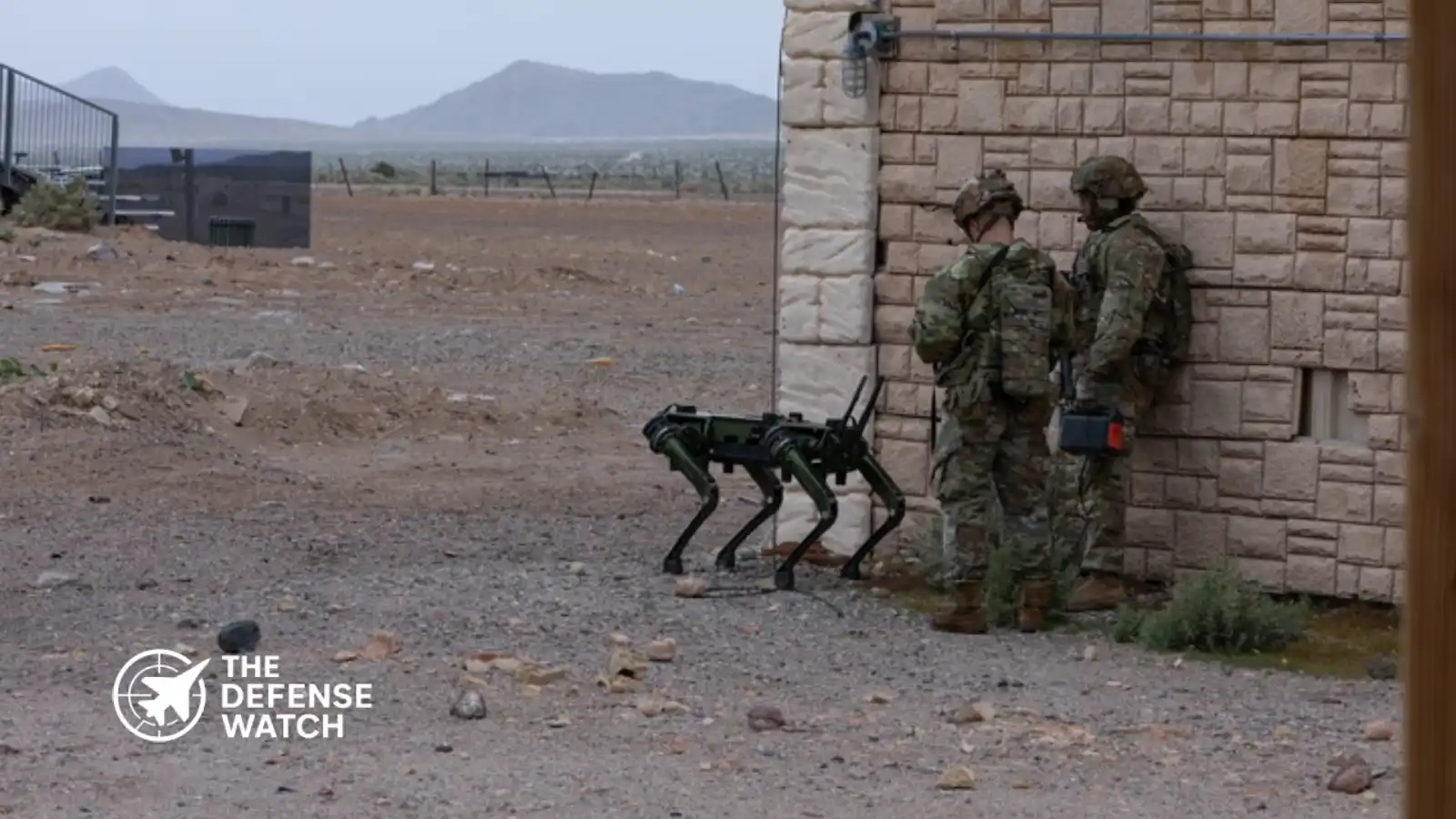
According to reports from the exercise, U.S. forces deployed multiple autonomous combat systems designed to support reconnaissance, logistics, surveillance, and battlefield coordination missions.
The systems reportedly included unmanned ground vehicles (UGVs), autonomous reconnaissance platforms, and AI-assisted command-and-control technologies capable of operating in contested environments.
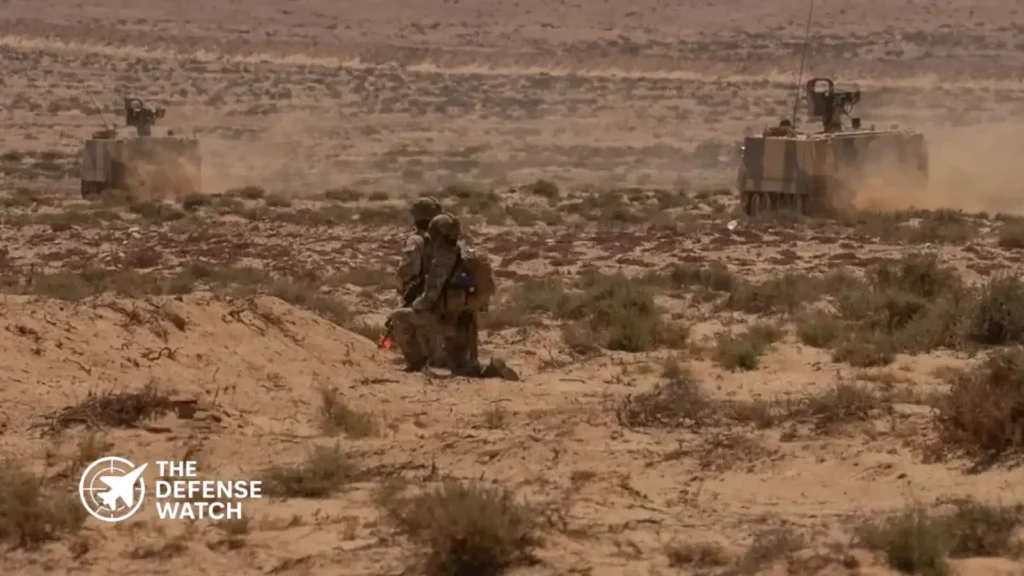
Military planners increasingly view autonomous systems as critical tools for reducing troop exposure, improving battlefield awareness, and sustaining operational tempo during high-intensity conflicts.
The U.S. Army has spent several years testing robotic systems through initiatives such as Project Convergence and the Army Futures Command modernization strategy. African Lion 26 provided another opportunity to evaluate how these technologies perform alongside multinational partner forces in desert and semi-arid terrain conditions similar to potential future operational theaters.
Why Morocco Matters Strategically
Morocco has become an increasingly important defense partner for the United States in North Africa. Its geographic position near the Mediterranean, Atlantic approaches, and Sahel region makes it strategically valuable for NATO and AFRICOM operations.
Testing autonomous combat systems in Morocco offers operational advantages because the terrain closely resembles environments where future expeditionary missions could occur. The exercise also allows U.S. commanders to study how AI-enabled systems function under extreme heat, dust, and long-range maneuver conditions.
The growing use of autonomous platforms also reflects broader shifts in global military doctrine. Armed forces worldwide, including China and Russia, are rapidly investing in AI-assisted warfare capabilities, autonomous drones, and robotic combat support systems.
For the Pentagon, exercises like African Lion 26 are not only about regional security cooperation. They also serve as large-scale experimentation environments for next-generation military technologies.
AI And Battlefield Integration
One of the most significant aspects of the exercise was the integration of AI-driven battlefield management systems with autonomous platforms.
Modern military operations increasingly depend on rapid sensor-to-shooter decision cycles. Autonomous systems can process battlefield data faster than traditional human-operated systems, enabling commanders to identify threats and coordinate responses more efficiently.
However, the operational deployment of AI-enabled combat systems continues to raise doctrinal and ethical questions. Defense analysts have warned that military organizations must balance automation with human oversight, particularly in lethal decision-making scenarios.
The U.S. Department of Defense has repeatedly stated that autonomous weapons systems will remain subject to human judgment and command authority.
African Lion 26 therefore represents both a technology demonstration and a practical test of how human operators interact with increasingly autonomous battlefield tools.
Growing Role Of Multinational Exercises
Large-scale exercises like African Lion have evolved beyond conventional training events. They now function as strategic laboratories for testing interoperability among allied militaries using advanced technologies.
The integration of autonomous systems into multinational exercises also helps partner nations better understand future battlefield concepts likely to dominate military operations over the next decade.
For AFRICOM, the exercise supports broader goals of regional stability while reinforcing U.S. influence across Africa amid expanding Russian and Chinese activity on the continent.
The U.S. Army autonomous combat systems showcased during African Lion 26 indicate that future military operations will likely feature a combination of human soldiers, robotic support vehicles, AI-enabled sensors, and unmanned aerial systems operating as integrated battlefield networks.
Analysis: A Broader Pentagon Modernization Push
The timing of the African Lion 26 autonomous systems testing aligns with the Pentagon’s broader modernization agenda focused on preparing for large-scale, technology-driven conflicts.
Recent conflicts in Ukraine and the Middle East have demonstrated the growing importance of drones, AI-assisted targeting, electronic warfare, and autonomous reconnaissance systems in modern combat.
The U.S. Army appears increasingly focused on ensuring its forces can operate in highly contested environments where traditional communications and logistics networks may be disrupted.
Autonomous systems offer several advantages in such scenarios, including persistent surveillance, reduced manpower requirements, and enhanced operational flexibility.
Still, significant challenges remain. Autonomous combat platforms require secure communications, resilient software architectures, and protection against cyber and electronic warfare attacks. Any vulnerabilities in those systems could create operational risks during real-world deployments.
African Lion 26 provided the Army with valuable operational data that could influence future procurement programs, doctrine development, and battlefield integration strategies.