

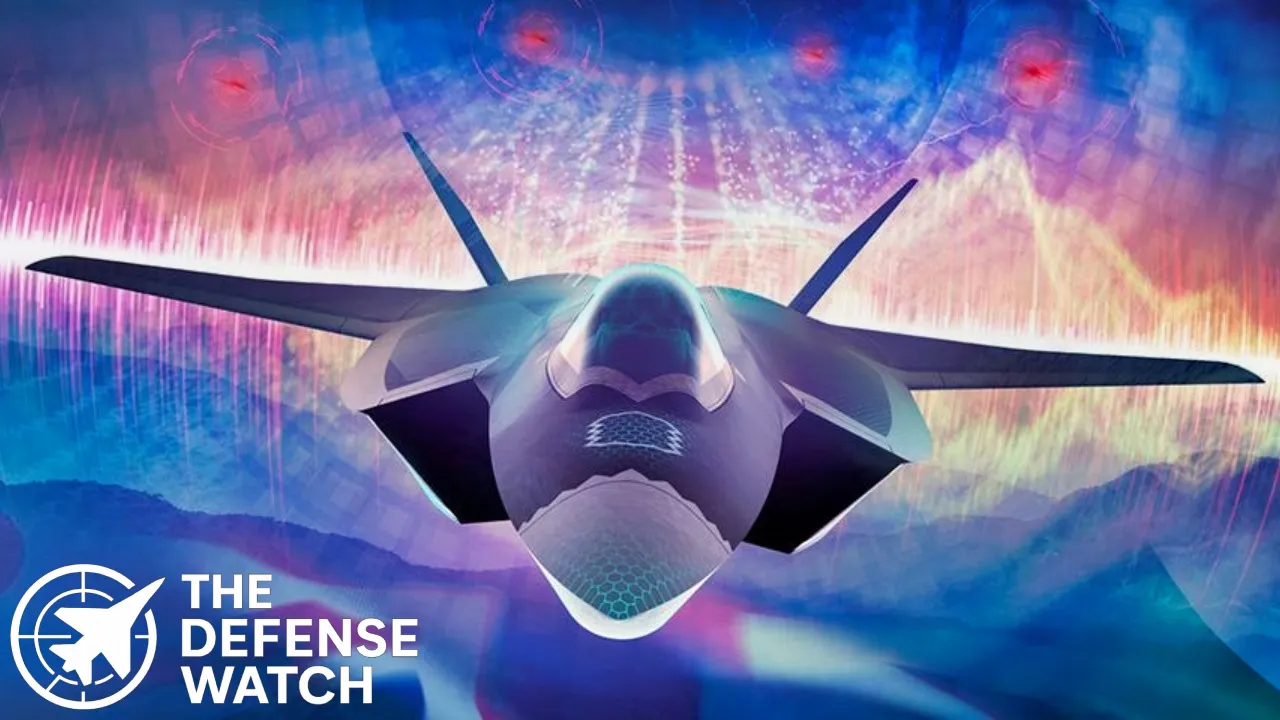
Europe’s GCAP 6th-Generation Fighter Faces Cost and Integration Challenges
WARSAW, POLAND – The Global Combat Air Program (GCAP), a joint initiative between the United Kingdom, Japan, and Italy to develop a next-generation 6th-generation stealth fighter, is facing mounting concerns over affordability and integration of supporting unmanned systems. The program, which has been described as one of the most ambitious multinational fighter projects in recent history, is navigating complex technical and budgetary challenges as partner nations pursue unique requirements.
Background: Multinational Collaboration and Complexity
The GCAP program is designed to produce a common stealth fighter platform for multiple partner nations while allowing each country to develop its own “loyal wingman” drones, also known as Collaborative Combat Aircraft (CCAs). Japan’s Mitsubishi Heavy Industries (MHI) has unveiled concepts such as the ARMDC-20X missile-like drone and a high-performance tactical unmanned aerial vehicle, both intended to operate alongside manned GCAP fighters.
GCAP Sixth-Generation Stealth Fighter – Full Specifications
- Primary Effect / Kill Mechanism: Kinetic strike, air dominance, electronic warfare
- Operational Range / Engagement Envelope: ~1,500–2,000 km
- Autonomy / Guidance Level: Human-in-loop with AI decision support
- Power / Propulsion Type: Adaptive-cycle twin-engine turbine
The program’s multinational structure adds layers of complexity. While the core fighter design aims for consistency across the UK, Italy, and Japan, each nation’s unique drone systems must integrate seamlessly with the aircraft. This creates interoperability challenges that experts warn could significantly strain the program’s budget.
Integration and Budget Concerns
At a recent International Fighter Conference in Rome, Eurofighter CEO Jorge Tamarit-Degenhardt emphasized the risks of integrating multiple, disparate drone designs. “Can we develop CCA integration in different configurations in different countries? We cannot do everything at the same time. We don’t have infinite resources,” he said.

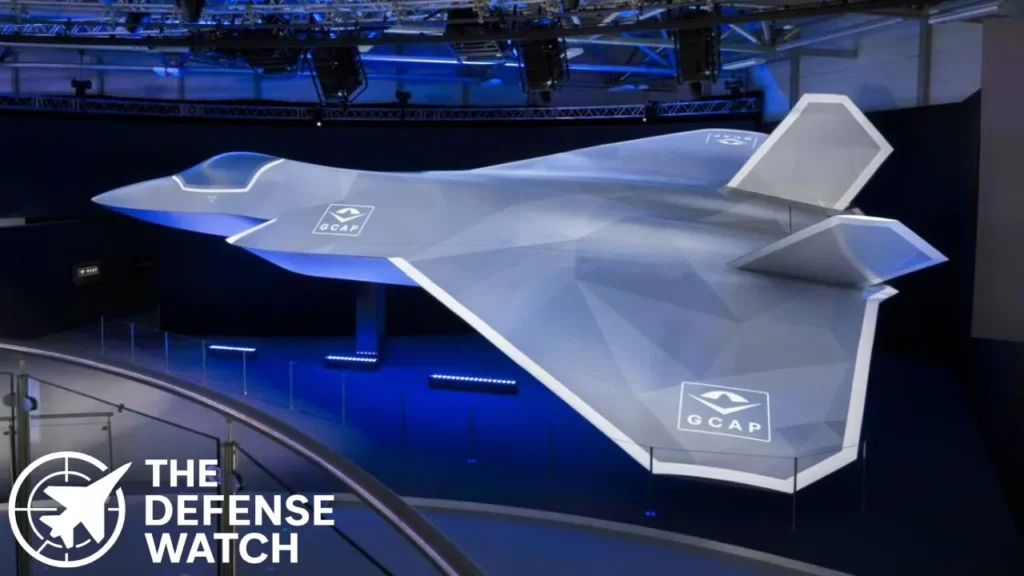
GCAP 6th Generation Fighter. RAF Group Captain Bill Sanders, the UK Ministry of Defense official overseeing the GCAP program, echoed concerns about cost-efficiency. Writing in the Journal of the Joint Airpower Competence Centre, Sanders highlighted the importance of balancing advanced capabilities with cost-effectiveness. He emphasized that the program must justify expenses while providing adaptable and multi-use capabilities across conflict scenarios.
Germany’s Potential Participation
Adding further complexity, Germany is reportedly considering withdrawing from the French-led SCAF program to join GCAP, either as a buyer or as a developer of CCAs. While German involvement could bring additional industrial expertise, it would also necessitate late-stage adjustments to the program, further complicating budget and schedule forecasts.
Weapons and Cost Management
Analysts note that maintaining affordability will require careful management of the GCAP’s weapons bay to accommodate both high-end and lower-cost munitions. Ensuring a favorable cost-per-kill ratio is seen as critical to maintaining the fighter’s relevance in extended conflicts, particularly as nations look for multi-role aircraft that deliver both strategic and tactical flexibility.
Looking Ahead
While GCAP remains a flagship European and Japanese effort to develop cutting-edge air combat capabilities, its long-term success will depend on navigating multinational integration, cost control, and the deployment of compatible drone systems. With key treaties and agreements still pending and partner nations balancing industrial and political priorities, the program’s trajectory will remain under close scrutiny.


10 comments
[…] for AESA radar retrofits on its Su-30SMs, integrating Virupaksha systems to rival fifth-generation stealth fighters. These enhancements, detailed in recent analyses, ensure the platform’s viability against […]
[…] F-35 remains the world’s most capable multirole stealth fighter due to its unrivaled sensor fusion, electronic warfare suite, network-centric connectivity, and […]
[…] Kubilius strongly advocated for incorporating Ukrainian military expertise into European defense planning. He warned that failure to integrate Ukraine’s battle-tested capabilities would […]
[…] agreements between Ukrainian and European defense […]
[…] proposal arrives at a time when European defense ministries are reassessing stockpiles, industrial capacity, and NATO readiness benchmarks. The […]
[…] The F-35A’s advanced systems were central to the drills, Air Force sources said. The aircraft’s sensor fusion and low-observable features supported situational awareness even where satellite and radar coverage is limited. Onboard thermal management, self-heating components and environmental controls helped the jets handle the extreme cold that challenges legacy aircraft. […]
[…] program has been slow and uneven in development. The lead vessel, Sankt-Petersburg, faced significant technical challenges and was eventually retired. Kronstadt, the first serial production submarine, was commissioned in […]
[…] Defence Minister Ruben Brekelmans characterized the challenge facing governments as a “prisoner’s dilemma,” where nations are caught between implementing […]
[…] contract award timing coincides with ongoing European defense consolidation efforts. Multiple NATO members are evaluating armed drone requirements, potentially […]
[…] emphasis on rapid dispersal and distributed operations reflects broader European defense planning in response to potential large-scale conventional conflict. Fixed airbases represent […]