Executive Summary:
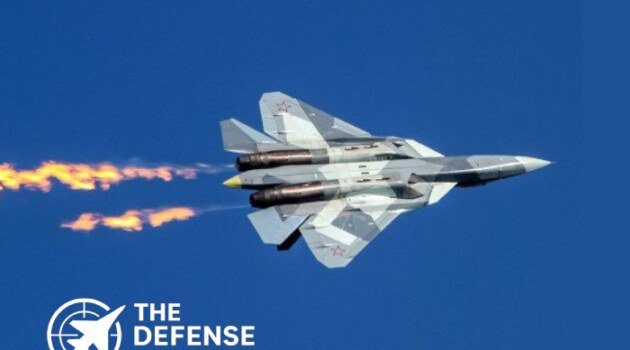
India has confirmed it is not pursuing the procurement of Russia’s Su-57E fifth-generation fighter in the near term. Instead, New Delhi is prioritizing upgrades for its Su-30MKI fleet, additional Rafale fighters, and development of the indigenous Advanced Medium Combat Aircraft (AMCA), reflecting a long-term strategy focused on capability enhancement and domestic defense production.
India Prioritizes Su-30MKI Modernization Over Su-57E Fighter Purchase
India’s decision to postpone any potential acquisition of Russia’s Su-57E fighter jet signals a significant shift in its fighter modernization roadmap. Rather than introducing another foreign combat aircraft into its inventory, New Delhi is concentrating on upgrading its existing fleet while accelerating indigenous aerospace development.
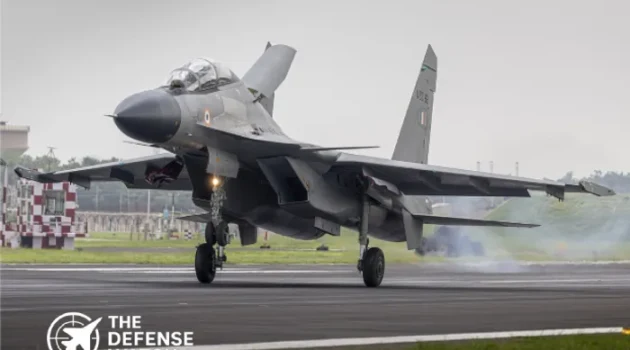
The announcement came from India’s Defense Ministry Secretary Rajesh Kumar Singh, who confirmed that the government is not considering the purchase of a new Sukhoi model at this stage. Instead, the Ministry’s immediate focus is on modernizing approximately 260 Su-30MKI multirole fighters currently serving with the Indian Air Force (IAF).
The move aligns with India’s broader modernization strategy, which emphasizes extending the operational life of proven platforms while investing in domestic defense manufacturing.
India Focuses On Upgrading Its Largest Fighter Fleet
The Su-30MKI remains the backbone of the Indian Air Force, accounting for a substantial portion of its frontline combat capability. Originally developed jointly by Russia and India, the aircraft has undergone continuous upgrades since entering service.
The planned modernization program is expected to introduce improvements across multiple areas, including:
- Advanced mission computers
- Modern active electronically scanned array (AESA) radar technology
- Enhanced electronic warfare systems
- Improved long-range weapons integration
- Updated cockpit avionics
- Expanded network-centric warfare capabilities
By upgrading the existing fleet instead of purchasing an entirely new fighter platform, India can improve operational capability while reducing logistical complexity and controlling long-term sustainment costs.
Defense planners have increasingly emphasized maximizing the effectiveness of aircraft already in service, particularly as regional security dynamics continue to evolve.
Su-57E Purchase Not Under Consideration
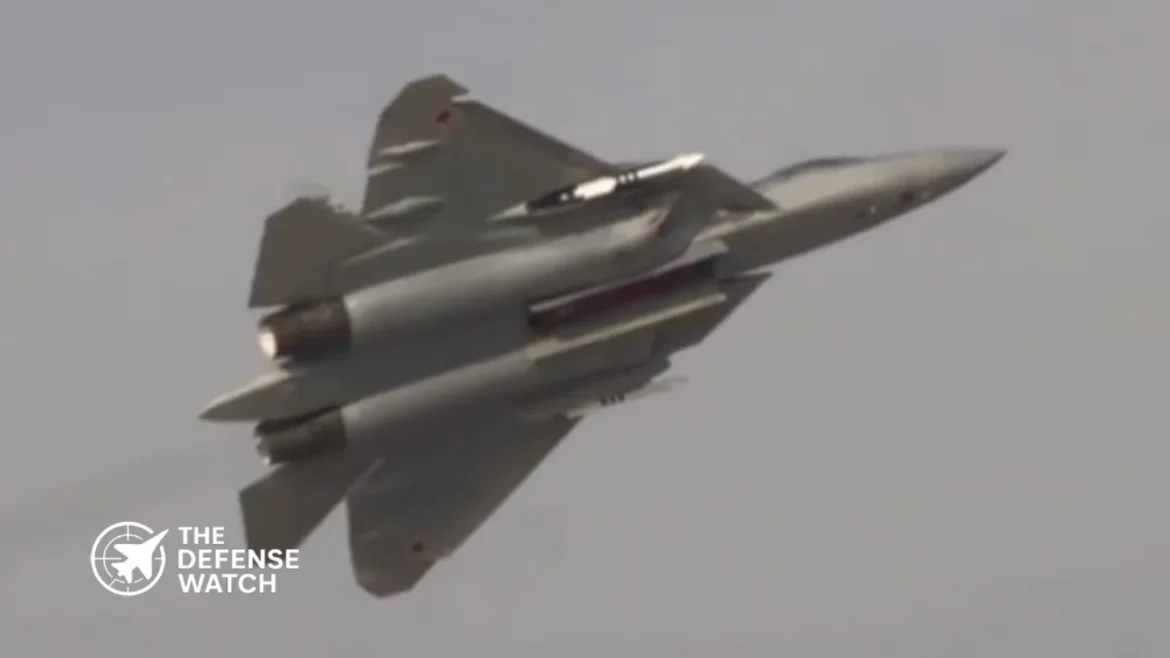
Russia has actively promoted the export version of its fifth-generation Su-57E fighter to international customers, with India frequently mentioned as a potential buyer because of its longstanding defense relationship with Moscow.
However, Rajesh Kumar Singh stated that India is not evaluating a new Sukhoi aircraft at present.
The statement effectively removes the Su-57E from India’s near-term procurement agenda, although it does not necessarily rule out future discussions should operational requirements change.
The announcement also reflects India’s preference to balance foreign acquisitions with indigenous defense development rather than expanding dependence on another imported combat aircraft.
Rafale Fleet Expansion Remains A Priority
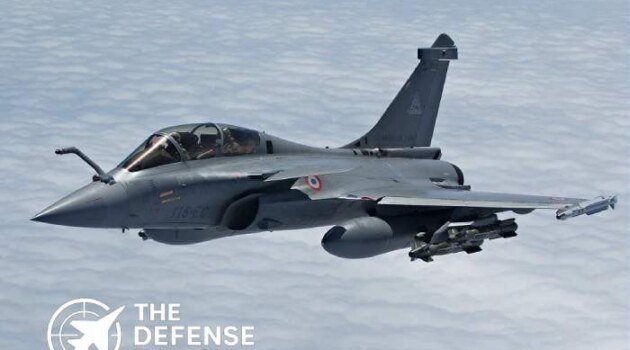
While ruling out the Su-57E for now, India continues to strengthen its fighter inventory through additional procurement of the French-built Rafale.
The Indian Air Force already operates Rafale fighters, and New Delhi has approved further acquisitions to expand advanced combat capabilities while addressing squadron strength requirements.
The Rafale offers modern sensors, advanced electronic warfare capabilities, precision strike weapons, and interoperability with India’s existing Western-origin systems.
Combined with upgraded Su-30MKIs, additional Rafales provide the IAF with a capable mix of heavy and multirole fighters during the transition toward future indigenous platforms.
AMCA Represents India’s Long-Term Vision
India’s long-term fighter modernization strategy increasingly centers on the Advanced Medium Combat Aircraft (AMCA) program.
The AMCA is India’s indigenous fifth-generation fighter project, designed to incorporate low observable characteristics, advanced sensors, internal weapons carriage, and modern network-centric capabilities.
Unlike purchasing another foreign fifth-generation aircraft, investing in AMCA supports India’s broader objectives under its domestic defense manufacturing initiatives by strengthening the national aerospace industry and reducing future dependence on overseas suppliers.
Although the AMCA remains under development, it represents the centerpiece of India’s next-generation combat aviation plans.
Analysis: Modernization Over Fleet Expansion
India’s latest position highlights an increasingly pragmatic procurement strategy.
Rather than introducing another complex fighter type into service, the government appears focused on maximizing existing investments while preparing for domestically produced next-generation aircraft.
Upgrading approximately 260 Su-30MKIs provides a substantial capability increase across the Air Force without requiring the infrastructure, training, maintenance, and supply chain associated with operating an entirely new fleet.
At the same time, additional Rafales help address immediate operational needs while the AMCA progresses through development.
This balanced approach allows India to maintain combat readiness in the near term while supporting longer-term industrial and technological goals.
From a force planning perspective, the decision also simplifies logistics by concentrating resources on aircraft already integrated into the Indian Air Force rather than introducing another high-end platform.
As regional air forces continue to modernize, India’s strategy suggests that enhancing existing capabilities and accelerating indigenous aerospace development remain higher priorities than pursuing a near-term purchase of the Russian Su-57E.
Executive Summary:
The Pentagon is moving to replenish U.S. long range precision missile inventories after extensive combat operations during the Iran war reportedly consumed much of the Army’s available stockpile. The development highlights the growing importance of industrial capacity and munitions production in sustaining modern high intensity conflicts.
Pentagon Moves To Restore Long Range Precision Missile Inventory
The long range precision missile inventory has become a renewed focus for the Pentagon after reports indicated that U.S. forces expended much of their stockpile during the five month military campaign against Iran. According to multiple sources familiar with internal military data, the Army used nearly all available Army Tactical Missile Systems (ATACMS) and Precision Strike Missiles (PrSM) during sustained combat operations.
The reported depletion has prompted senior defense leaders to accelerate efforts to replenish critical munitions while maintaining readiness for other global contingencies, particularly in the Indo Pacific and Europe. Pentagon officials have continued to state that U.S. forces remain capable of executing assigned missions worldwide despite increased demand on missile inventories.
Precision Weapons Played A Central Role
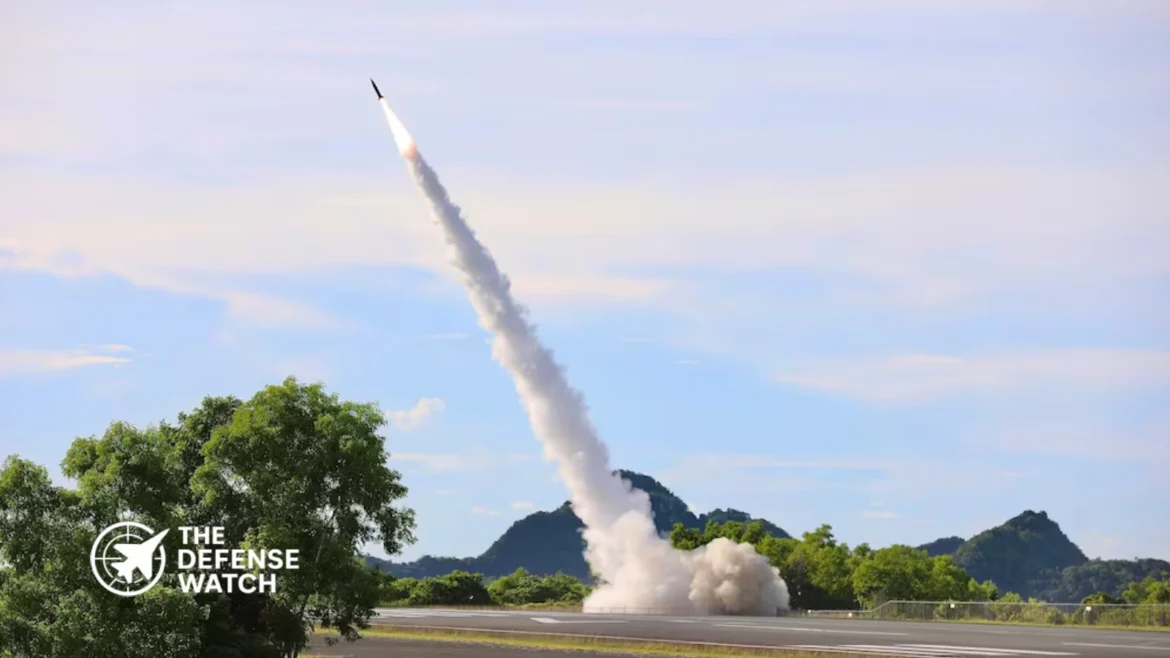
ATACMS and the newer Precision Strike Missile are among the U.S. Army’s most valuable long range surface to surface strike weapons. Fired from both the M142 HIMARS and M270 Multiple Launch Rocket System, they enable commanders to strike command posts, logistics hubs, air defense sites, and other high value targets from stand off distances.
The PrSM entered combat for the first time earlier this year during operations against Iran, representing a major milestone in the Army’s long range fires modernization program. The missile offers greater range, improved accuracy, and future growth potential compared with the aging ATACMS it is designed to replace.
Military analysts note that these weapons are especially important for any future conflict involving highly contested environments where long range precision fires are essential to suppress enemy defenses before air and ground operations begin.
Production Capacity Faces New Pressure
One of the key lessons emerging from the Iran conflict is that modern warfare can consume precision guided munitions at a pace far exceeding peacetime production rates.
Defense officials have increasingly emphasized expanding manufacturing capacity for missiles, interceptors, and other advanced weapons. Industry partners including Lockheed Martin have already been increasing production of the Precision Strike Missile before the conflict, but rebuilding inventories is expected to require sustained investment and expanded industrial output.
A recent analysis by the Center for Strategic and International Studies estimated that restoring several critical U.S. missile inventories could take years because production of complex precision weapons cannot be rapidly expanded overnight.
Strategic Implications Beyond The Middle East
The reported drawdown has implications extending well beyond the Middle East.
Long range precision missiles form an important element of U.S. deterrence strategy against potential peer competitors. Defense planners have repeatedly identified these weapons as critical capabilities for operations in the Indo Pacific, where long distances and heavily defended targets require precision stand off strike systems.
Although officials have not disclosed remaining inventory levels, they continue to stress that the U.S. military retains sufficient combat capability while replenishment efforts continue. Pentagon spokesperson Sean Parnell recently said the Department has the resources needed to execute missions as directed by the President.
Analysis: Industrial Capacity Is Becoming A Strategic Weapon
The reported consumption of long range precision missiles underscores a broader shift in defense planning. Modern conflicts are increasingly testing not only battlefield capabilities but also the resilience of national defense industries.
Advanced precision weapons require specialized manufacturing, complex supply chains, and long production timelines. Even for the world’s largest defense budget, replacing sophisticated missiles cannot happen quickly.
For U.S. military planners, maintaining credible deterrence now depends on two equally important factors: possessing advanced weapons and sustaining the industrial capacity to replace them during prolonged operations. As defense budgets increasingly prioritize munitions production, manufacturing capacity itself is becoming a strategic advantage.
The Pentagon’s renewed emphasis on expanding missile production reflects this reality, ensuring that future operational demands do not outpace the nation’s ability to replenish critical precision strike capabilities.
Executive Summary:
The European Union’s member states increased combined defense spending to €418 billion in 2025, marking a 20% annual increase, according to the European Defence Agency. The trend reflects Europe’s sustained effort to strengthen military readiness, expand industrial capacity, and improve collective defense capabilities, with spending projected to approach €547 billion by 2029 if current growth continues.EU Defense Spending Climbs To Record Levels
EU defense spending reached €418 billion in 2025, representing approximately 2.2% of the European Union’s combined GDP, according to newly released data from the European Defence Agency (EDA). The increase marks the eleventh consecutive year of higher military expenditure across the EU’s 27 member states.
The EDA projects spending will continue rising to approximately €454 billion in 2026, with current trends indicating total defense expenditure could approach €547 billion by 2029. Officials say the increase reflects sustained efforts to strengthen military readiness amid a changing European security environment.
Investment Shifts Toward Equipment And Research
The latest figures show that growth is not limited to overall defense budgets.
Defense equipment procurement climbed to €115 billion in 2025, while investment spending accounted for more than 32% of total defense expenditure, exceeding the EDA’s collective benchmark. Collaborative procurement represented roughly 24% of equipment purchases among participating countries.
Research and development spending also continued to expand, reaching €17 billion in 2025 and projected to increase to €20 billion in 2026. According to the agency, defense investment is expected to account for 36% of total military expenditure next year.
Most Member States Now Meet NATO’s 2 Percent Benchmark
The report notes that 23 of the EU’s 27 member states spent at least 2% of GDP on defense during 2025, a significant increase from previous years. The figures illustrate how European governments have continued raising military budgets following several years of heightened security concerns across the continent.
EDA Chief Executive André Denk said member states are making unprecedented investments that, together with broader EU initiatives under the Defense Readiness 2030 framework, are intended to strengthen defense capabilities, industrial production, readiness, and resilience.
Analysis: More Spending Does Not Automatically Mean More Capability
While the record increase demonstrates political commitment, the effectiveness of EU defense spending will depend on how efficiently governments translate larger budgets into deployable military capability.
Europe has historically faced challenges in fragmented procurement, multiple weapons platforms, and overlapping national programs. Although collaborative procurement has improved, it still accounts for less than one quarter of total equipment purchases, indicating significant room for greater coordination.
Industrial production capacity will also become increasingly important. Expanding ammunition output, missile production, air defense manufacturing, and defense electronics requires long term investment beyond annual budget increases. Simply allocating additional funding does not immediately translate into operational capability if supply chains and manufacturing capacity remain constrained.
For NATO and U.S. defense planners, Europe’s higher spending could gradually strengthen burden sharing across the alliance. Increased European procurement may improve readiness while creating additional opportunities for joint industrial programs involving both European and American defense companies.
The continued emphasis on research and development is equally significant. Higher R&D investment supports emerging technologies including autonomous systems, advanced sensors, cyber defense, electronic warfare, and next generation air and missile defense capabilities that are expected to shape future military modernization.
Looking Ahead
The projected rise toward nearly €547 billion by 2029 suggests Europe’s defense buildup remains a multi year effort rather than a short term response. Whether these investments ultimately deliver stronger collective military capability will depend on sustained political commitment, coordinated procurement, and continued expansion of the European defense industrial base.
Executive Summary:
The Federal Aviation Administration is investigating a safety incident involving Marine One and a regional passenger aircraft operating near Ronald Reagan Washington National Airport. The review will determine whether established airspace separation procedures for presidential helicopter operations were correctly followed, even though both aircraft landed safely without coming into dangerous proximity.
FAA Investigates Marine One Safety Incident Near Reagan National
The FAA Marine One safety incident is under federal investigation after presidential helicopter operations near Washington, D.C., coincided with commercial airline departures from Ronald Reagan Washington National Airport.
According to the Federal Aviation Administration, the incident occurred Tuesday afternoon when Marine One, carrying President Donald Trump, departed from the White House while an Envoy Air regional flight departed Reagan National shortly afterward. Although both aircraft maintained safe flight paths and landed without incident, investigators are examining whether mandatory airspace separation requirements were properly observed.
The review comes as aviation authorities continue implementing stricter procedures around one of the nation’s busiest and most complex airspaces following the fatal January 2025 collision involving an Army helicopter and a regional passenger aircraft.
What Happened?
FAA officials said Marine One lifted off from the White House at approximately 2:33 p.m. local time. About one minute later, Envoy Air Flight 3742 departed Ronald Reagan Washington National Airport.
Federal regulations generally require aircraft to maintain at least 1.5 miles of horizontal separation and 500 feet of vertical separation. While preliminary information indicates the two aircraft were not converging and never reached a point considered a near midair collision, investigators believe the required minimum separation may not have been maintained throughout the operation.
A second regional aircraft was reportedly delayed as a precaution while controllers managed traffic in the area.
Why Marine One Flights Require Special Airspace Procedures
Marine One flights involve some of the most tightly controlled airspace management procedures in the United States.
Whenever the President travels by helicopter between the White House and Joint Base Andrews or other destinations, the FAA coordinates with the U.S. Secret Service, military flight crews, and air traffic controllers to temporarily restrict nearby civilian operations.
These procedures are designed to accomplish two objectives:
- Maintain safe aircraft separation.
- Protect presidential security through controlled airspace.
Following the January 2025 midair collision near Reagan National that killed 67 people, the FAA introduced additional restrictions that significantly reduced simultaneous helicopter and commercial jet operations around the airport. Those reforms were intended to minimize the risk of conflicting traffic in Washington’s highly congested airspace.
FAA Review Will Focus on Air Traffic Procedures
The FAA has confirmed that its Safety Review Team will evaluate the circumstances surrounding the event.
Investigators are expected to review:
- Air traffic control communications.
- Flight tracking and radar data.
- Timing of aircraft departures.
- Compliance with established presidential movement procedures.
FAA officials emphasized that the event does not currently appear to qualify as a near miss because the aircraft were never on converging flight paths. Nevertheless, any deviation from required separation standards triggers a formal safety review under federal procedures.
The White House had not publicly commented on the investigation at the time of reporting.
Defense and Aviation Perspective
While the incident does not indicate an operational failure aboard Marine One itself, it underscores the growing complexity of managing military, VIP, and civilian aviation in the Washington metropolitan area.
Marine One missions require seamless coordination among multiple federal agencies, including the U.S. Marine Corps, FAA air traffic controllers, the Secret Service, and airport operators. As commercial traffic continues to increase, maintaining procedural discipline becomes even more important around sensitive government flight operations.
The investigation also highlights the broader shift toward proactive aviation safety oversight following the extensive reforms introduced after the 2025 Washington air collision. Rather than waiting for accidents, regulators are increasingly examining procedural deviations that could reveal systemic weaknesses before they lead to more serious events.
From a defense aviation perspective, the review demonstrates that presidential airlift missions remain subject to rigorous civilian aviation safety standards despite their military and national security role. Such investigations are a normal part of aviation safety management and help refine coordination between military and civilian airspace users.
What Happens Next?
The FAA’s Safety Review Team will determine whether established procedures were correctly followed and whether additional operational changes or recommendations are necessary.
At present:
- Both aircraft landed safely.
- No injuries were reported.
- Officials have stated the aircraft did not come dangerously close.
- The investigation remains ongoing.
Executive Summary:
Lockheed Martin is negotiating with North American suppliers to secure domestic sources of scandium and germanium, two minerals used in advanced military systems. The effort follows the Trump administration’s push to strengthen U.S. defense supply chains and reduce dependence on Chinese critical mineral imports.
Lockheed Martin Pursues US Critical Mineral Supplies
Lockheed Martin critical minerals have become a growing focus of the U.S. defense industrial base as the company works to strengthen supply chain resilience for future weapons production.
Lockheed Martin is negotiating with multiple North American companies to secure long term supplies of scandium and germanium, two strategic minerals used across a range of military platforms, including aircraft structures, infrared sensors, and other advanced defense technologies.
The discussions come as the Trump administration increases pressure on defense contractors to reduce dependence on Chinese sourced materials ahead of tighter federal procurement requirements scheduled to take effect in 2027.
Scandium And Germanium Are Increasingly Strategic
The reported negotiations involve different suppliers for each mineral.
Reuters reported that NioCorp Developments has reached a preliminary agreement to provide Lockheed Martin with approximately 15 metric tons of scandium annually from its planned Elk Creek project in Nebraska, which is expected to begin production in 2028. That volume would represent a significant share of current global scandium demand.
For germanium, Lockheed is reportedly in discussions with Teck Resources and Canadian processor 5N Plus. Germanium is widely used in infrared optics, thermal imaging equipment, and electronic systems supporting modern military capabilities.
Lockheed Martin said it continually evaluates the global critical minerals supply chain to ensure access to materials that support customer missions, although it did not comment directly on specific negotiations.
Policy Changes Are Driving Defense Supply Chain Shifts
The negotiations reflect broader changes in U.S. defense procurement policy rather than an isolated commercial decision.
In July, President Donald Trump signed an executive order tightening waiver rules that previously allowed defense contractors to source certain critical materials from prohibited foreign suppliers. Under the new framework, contractors must demonstrate efforts to identify alternative suppliers and improve transparency throughout their supply chains.
The administration has also directed the Pentagon to improve visibility into lower tier suppliers and identify vulnerabilities that could affect military production during future conflicts.
These measures are part of a broader strategy aimed at reducing U.S. dependence on Chinese controlled supply chains for materials considered essential to national security.
Domestic Capacity Still Faces Major Challenges
While government policy increasingly favors domestic sourcing, building a competitive U.S. supply chain remains difficult.
China continues to dominate global production and processing for many critical minerals, often benefiting from lower production costs and more mature refining infrastructure. Reuters reported that pricing and contract duration remain among the key issues in Lockheed Martin’s discussions with prospective suppliers.
Industry experts also note that North American mining and processing capacity remains limited, making it challenging for defense contractors to transition rapidly to domestic sources before new procurement restrictions take effect in early 2027.
Why It Matters For The Defense Industry
Beyond the immediate commercial negotiations, Lockheed Martin’s reported efforts highlight a broader shift in defense acquisition priorities.
Modern military platforms, including advanced fighters, missile systems, electronic warfare equipment, and precision sensors, increasingly depend on specialized minerals that have become strategic assets in geopolitical competition.
Securing reliable domestic supplies could improve long term production resilience for major U.S. defense programs while reducing exposure to export controls, geopolitical disruptions, and supply chain bottlenecks.
Although negotiations remain ongoing, the reported talks demonstrate how critical mineral security is becoming an integral part of defense industrial planning rather than simply a raw materials issue. As Washington continues reshaping defense procurement policy, access to strategic minerals is likely to play a larger role in future weapons production and industrial competitiveness.
Executive Summary:
The U.S. Department of War has launched the Join the Fight campaign to encourage Americans to pursue military service across the armed forces. The initiative supports recruiting efforts by emphasizing national defense, readiness, and career opportunities while reflecting the department’s broader modernization and personnel priorities.
Join The Fight Campaign Highlights U.S. Military Recruitment Priorities
The Join the Fight campaign marks the latest effort by the U.S. Department of War to strengthen military recruitment and expand public awareness of military service opportunities. Featured prominently on War.gov, the campaign serves as a central recruiting initiative directing prospective applicants toward careers across the U.S. armed forces while reinforcing the department’s focus on readiness and national security.
The campaign arrives as the department continues to emphasize maintaining a capable and prepared force amid an evolving global security environment. Rather than focusing on a single military branch, Join the Fight presents military service as a unified national mission supported by the Army, Navy, Air Force, Marine Corps, Space Force, Coast Guard, National Guard, and Reserve components through their respective recruiting organizations.
Recruitment Remains Central To Force Readiness
Personnel recruitment remains one of the most significant long term challenges facing modern militaries. Advanced weapons, artificial intelligence, and next generation platforms require highly trained operators, making sustained recruiting and retention increasingly important alongside investments in new technology.
The Join the Fight campaign reflects this reality by placing equal emphasis on people and capability. While recent defense strategies frequently highlight modernization programs, those systems ultimately depend on qualified service members to operate, maintain, and support them.
From an operational perspective, the campaign demonstrates that force readiness extends beyond procurement programs. Recruiting sufficient personnel is as critical to military preparedness as acquiring advanced aircraft, ships, missile defense systems, or space capabilities.
What The Campaign Offers
According to the Department of War, the Join the Fight platform serves as an information hub for Americans interested in military service. Visitors can learn about:
- Military career opportunities
- Service branches and missions
- Benefits of military service
- Education and training opportunities
- Pathways to enlistment
- Resources for prospective recruits
The campaign also directs users toward official recruiting resources where they can explore eligibility requirements, career fields, and application procedures.
Part Of A Broader Defense Outreach Strategy
The launch aligns with broader Department of War efforts to improve public engagement through its redesigned War.gov platform, which integrates news, feature stories, recruiting information, contracts, and defense updates into a single digital portal. Recent content published on the site includes operational updates, military exercises, acquisition announcements, and personnel initiatives, illustrating a comprehensive communications strategy.
The recruitment campaign complements these efforts by connecting public interest generated through defense news with official pathways for military service.
Analysis: Why Join The Fight Matters
Although Join the Fight is fundamentally a recruitment initiative, it reflects several broader trends shaping U.S. defense policy.
First, recruiting has become a strategic issue rather than simply an administrative function. Military modernization depends not only on technological superiority but also on attracting individuals capable of operating increasingly sophisticated systems.
Second, centralized digital recruitment allows the department to present a unified message while directing potential recruits toward official service specific channels. This approach can improve consistency of information and reduce reliance on fragmented recruiting resources.
Third, campaigns such as Join the Fight reinforce the relationship between national security and human capital. Defense planning often focuses on budgets and equipment, yet trained personnel remain the foundation of military capability. As the United States continues investing in advanced defense technologies, maintaining a strong volunteer force remains equally essential.
Looking Ahead
The Department of War has not announced specific recruiting targets tied to the Join the Fight campaign. However, the initiative signals continued emphasis on expanding awareness of military careers while supporting long term force readiness.
As defense priorities increasingly center on competition across multiple domains, including land, sea, air, space, and cyberspace, recruiting qualified personnel will remain a key element of sustaining U.S. military capability alongside ongoing modernization programs.
The Pentagon acknowledges that America’s drone manufacturing capacity remains well behind Ukraine’s wartime production, even as Washington accelerates domestic industrial investment.
Executive Summary:
The Pentagon says the United States remains years away from matching Ukraine’s wartime drone production despite investing more than $1 billion in domestic manufacturing. Officials argue that stricter U.S. supply chain rules and efforts to build an American industrial base will strengthen long term military readiness while reducing dependence on foreign components.
Pentagon Says U.S. Drone Production Still Trails Ukraine
The U.S. drone production effort remains in its early stages, according to senior Pentagon officials, who acknowledge that America’s defense industry is still years away from matching the scale of Ukraine’s wartime manufacturing.
Speaking to Reuters, Travis Metz, Deputy Director and Chief Operating Officer of the Defense Innovation Unit (DIU) and head of the Pentagon’s Drone Dominance Program, said Ukraine is expected to manufacture between six million and seven million first person view (FPV) attack drones during 2026, equivalent to roughly 500,000 drones every month. By comparison, the Pentagon’s $1.1 billion initiative will have ordered fewer than 200,000 drones by February under its current procurement plan.
The figures illustrate how rapidly Ukraine has transformed its drone industry since Russia’s full scale invasion, creating one of the world’s largest producers of inexpensive, combat proven unmanned systems.
Domestic Manufacturing Becomes Pentagon Priority
The Pentagon’s strategy extends beyond increasing production volume.
Officials are now emphasizing a resilient domestic industrial base capable of supplying military drones without relying on Chinese manufactured components such as electric motors, batteries, and other critical electronics.
Under new procurement rules introduced on July 23, companies participating in the Pentagon’s Drone Dominance Program must ensure their aircraft exclude banned Chinese parts. The requirement marks a significantly tougher standard than earlier acquisition rounds, where officials believe many systems still incorporated Chinese components.
According to Metz, building an entirely American supply chain represents one of the most difficult phases of expanding U.S. drone production, particularly for specialized electronic components that remain globally concentrated.
Ukraine Experience Feeding American Industry
Rather than simply purchasing foreign built drones, the Pentagon is encouraging Ukrainian manufacturers to establish production partnerships inside the United States.
Reuters reports that all six Ukrainian companies invited to participate in the upcoming Gauntlet II evaluation at Fort Carson, Colorado, have entered, or are moving toward, joint ventures with American manufacturers. These partnerships are intended to transfer battlefield experience gained in Ukraine into U.S. manufacturing facilities while creating domestic jobs and production capacity.
Examples include:
- Ukrainian company F Drones partnering with Ohio based Ukrainian Defense Drones.
- General Cherry forming a joint venture with New Hampshire based Wilcox Industries.
Winning future Pentagon contracts will require increasing levels of localized U.S. manufacturing, reinforcing Washington’s broader effort to strengthen the domestic defense industrial base.
Why Ukraine Produces So Many Drones
Ukraine’s extraordinary manufacturing scale reflects wartime necessity.
Low cost FPV drones have become one of the defining weapons of the conflict, allowing Ukrainian forces to conduct reconnaissance, strike armored vehicles, attack logistics routes, and intercept enemy drones at relatively low cost.
Unlike traditional defense procurement systems, Ukraine rapidly adapted commercial technology, decentralized production, and accelerated battlefield feedback into new drone designs.
This flexible ecosystem has enabled manufacturers to produce millions of expendable systems at speeds unmatched by most Western defense industries.
Analysis: The Challenge Is Industrial, Not Technological
The Pentagon’s assessment highlights an important distinction.
The United States possesses world leading aerospace companies and advanced defense technologies. The challenge is not inventing better drones. Instead, it is creating an industrial ecosystem capable of producing affordable, expendable unmanned aircraft in wartime quantities.
For decades, U.S. procurement prioritized sophisticated, high value platforms with lengthy development cycles. Modern conflicts, particularly in Ukraine, have demonstrated the operational value of inexpensive drones that can be produced rapidly and replaced just as quickly.
Building this manufacturing capacity requires more than increased funding. It demands secure supply chains, qualified suppliers, workforce expansion, domestic component production, and procurement processes that move faster than traditional acquisition programs.
The Pentagon’s insistence on eliminating Chinese sourced components may initially slow production growth, but it also reflects a strategic effort to reduce vulnerabilities during future conflicts. If successful, the approach could produce a more resilient American drone industry capable of sustaining large scale operations without dependence on overseas suppliers.
Looking Ahead
Despite the current production gap, Pentagon officials remain confident the United States can eventually compete with Ukraine’s manufacturing scale.
The Drone Dominance Program is expected to continue expanding through partnerships with American industry and Ukrainian manufacturers, while future procurement rounds emphasize domestically produced components and scalable manufacturing.
The effort reflects a broader shift across the U.S. defense establishment toward rebuilding industrial capacity for an era where low cost autonomous systems are increasingly central to modern warfare.
Executive Summary:
Lockheed Martin and RTX have raised their 2026 financial forecasts as the Pentagon increases pressure on defense manufacturers to replenish U.S. weapons inventories depleted by recent military operations and allied support efforts. Record order backlogs and expanding missile production illustrate a broader shift toward sustained defense industrial expansion across the United States and allied markets.
Pentagon Weapons Restocking Drives Lockheed Martin And RTX To Raise 2026 Outlook
Lockheed Martin and RTX have increased their 2026 revenue and profit guidance as growing Pentagon demand for missiles and air defense systems continues to reshape the U.S. defense industrial base.
The stronger outlook follows second quarter earnings from both companies and reflects sustained procurement driven by U.S. military requirements, allied modernization programs, and efforts to rebuild munitions inventories after years of high operational demand. Reuters first reported the updated forecasts on July 23.
Missile Production Remains The Primary Growth Driver
Lockheed Martin reported particularly strong growth in its Missiles and Fire Control business.
Revenue in the segment increased nearly 20 percent to approximately $4.1 billion, supported by higher production of:
- PAC-3 Missile Segment Enhancement interceptors
- Precision Strike Missiles (PrSM)
- THAAD missile interceptors
The company recently secured a major U.S. government agreement valued at approximately $35 billion to significantly expand THAAD interceptor production, providing additional long term manufacturing workload.
Sales also increased in Lockheed Martin’s Aeronautics business, where higher F-35 production contributed to improved quarterly performance.
RTX Benefits From Defense And Commercial Aerospace Demand
RTX also raised its full year expectations following strong performance across both defense and commercial aerospace businesses.
Its defense portfolio continued to benefit from demand for:
- Air defense systems
- Missile production
- Precision weapons
- Military sensors
At the same time, commercial aerospace remained strong because airlines continue operating older aircraft longer while waiting for new deliveries, increasing demand for maintenance and overhaul services.
RTX reported a total backlog of $289 billion, including:
Segment Backlog Commercial Aerospace $170 Billion Defense $119 Billion Total $289 Billion Lockheed Martin Backlog Reaches Record Levels
One of the clearest indicators of future production is backlog.
Lockheed Martin’s backlog climbed to approximately $230.4 billion, a year over year increase of more than 38 percent, reflecting both domestic procurement and international orders.
Updated Lockheed Martin Guidance
Metric Previous Guidance Updated 2026 Guidance Revenue $77.5B to $80B $79.75B to $81.75B EPS $29.35 to $30.25 $29.95 to $30.65 Backlog $166.5B (prior year) $230.4B RTX likewise increased its full year sales forecast to $95 billion to $96 billion while raising adjusted earnings guidance, citing continued strength across defense and aerospace operations.
Why Pentagon Restocking Matters
The higher forecasts are closely tied to the Pentagon’s broader effort to replenish precision munitions consumed during recent operations and ongoing security commitments.
Since 2022, the United States has supplied substantial quantities of military equipment to partners while also supporting its own operational requirements. These demands have highlighted the importance of maintaining larger inventories of advanced missiles and interceptors.
Senior Defense Department officials have repeatedly emphasized the need for industry to accelerate production rates, shorten delivery timelines, and invest in manufacturing capacity capable of supporting prolonged high demand.
Analysis: A Structural Shift In The U.S. Defense Industrial Base
The significance of these earnings extends beyond quarterly financial performance.
For decades, many major defense manufacturers optimized production for relatively stable procurement cycles. Today’s security environment increasingly favors sustained manufacturing capacity rather than temporary production surges.
Several long term trends are becoming apparent:
- Precision guided missile production is becoming a strategic national priority.
- Air defense interceptors remain among the Pentagon’s highest demand items.
- Long term procurement contracts are giving manufacturers greater confidence to expand factories and supplier networks.
- European allies continue increasing purchases of U.S. missile systems as NATO members modernize their inventories.
Record order backlogs at Lockheed Martin and RTX suggest demand extends well beyond immediate replenishment requirements. These backlogs provide production visibility for several years while encouraging investment throughout the broader supplier base, including propulsion manufacturers, electronics producers, and precision component suppliers.
Another notable development is the closer alignment between Pentagon procurement policy and industrial planning. Multi year agreements allow companies to expand facilities and workforce with greater confidence than annual procurement cycles traditionally permitted.
Although supply chain constraints have eased compared with previous years, scaling missile production remains technically challenging. Rocket motors, advanced seekers, specialized electronics, and energetic materials all require highly specialized suppliers whose expansion takes time. Consequently, increased funding alone does not immediately translate into higher production volumes.
For defense planners, these results indicate that rebuilding U.S. inventories is evolving into a multi year industrial effort rather than a short term procurement surge.
Outlook
Lockheed Martin and RTX’s updated forecasts reinforce expectations that missile production, air defense systems, and advanced military aircraft will remain central priorities for both the Pentagon and allied governments through the remainder of the decade.
With record order backlogs and continued government support for expanding manufacturing capacity, both companies appear positioned to play a central role in strengthening U.S. and allied defense readiness as global security requirements continue to drive sustained procurement activity.
Executive Summary:
The U.S. Army is expanding efforts to improve financial accountability after audits uncovered inaccurate equipment records, accounting errors, and weak inventory controls. The initiative is central to the Pentagon’s broader campaign to achieve a clean department-wide financial audit by 2028 while strengthening operational readiness.
U.S. Army Audit Reform Highlights Pentagon’s Push For Financial Accountability
The U.S. Army audit has become one of the Pentagon’s most significant management priorities as military leaders work to correct decades of financial reporting weaknesses before the Department of Defense’s 2028 audit objective.
A Reuters investigation published on July 22 reported that Army officials continue to uncover inaccurate inventory records, duplicate assets, and accounting inconsistencies while expanding internal audits across logistics and financial management systems. Although these findings do not indicate widespread fraud, they illustrate the scale of modernization required to improve accountability across one of the world’s largest military organizations.
The reforms are intended not only to satisfy congressional oversight requirements but also to ensure commanders have more reliable information when making operational and procurement decisions.
Why The Army’s Audit Matters
For years, the Department of Defense has struggled to pass a comprehensive financial audit. The Army, which manages hundreds of billions of dollars in equipment, facilities, and supplies worldwide, represents the department’s largest and most complex component.
According to Reuters, auditors found numerous examples of inaccurate inventory records, including duplicate equipment entries, incorrect valuations, and discrepancies involving military vehicles and other assets. Some databases reportedly listed unrealistic quantities or incorrect financial figures, highlighting weaknesses in legacy accounting systems and data management.
Army officials say many of these issues stem from decades-old information technology systems that were developed independently and often cannot communicate effectively with one another.
While such errors may appear administrative, they can directly affect logistics planning, procurement decisions, and lifecycle management of military equipment.
Pentagon’s Broader Financial Reform
The Army’s effort forms part of the Pentagon’s department-wide campaign to improve financial accountability.
Since Congress required annual financial audits, the Department of Defense has invested heavily in modernizing financial systems, standardizing business processes, and improving asset tracking. Despite incremental progress, the department has yet to achieve a clean audit opinion because of the enormous size and complexity of its global operations.
Defense leaders have identified 2028 as a key milestone for substantially improving audit performance.
Recent reforms include:
- Modernizing financial management software.
- Improving equipment tracking through standardized databases.
- Reducing duplicate inventory records.
- Strengthening internal controls for procurement and logistics.
- Increasing accountability across Army commands.
Army officials emphasize that correcting data quality issues is a continuous process rather than a one-time audit exercise.
Operational Readiness Depends On Accurate Data
Although financial audits are often viewed as administrative exercises, they have direct implications for military readiness.
Reliable inventory records help commanders understand exactly what equipment is available, where it is located, and whether it is operational. Inaccurate records can complicate maintenance planning, procurement priorities, and deployment decisions.
As the United States continues supporting allies overseas while modernizing its own forces, maintaining accurate logistics information has become increasingly important.
The Army has also expanded digital modernization initiatives designed to connect logistics, maintenance, supply chain, and financial management systems into more integrated networks.
Analysis: Why Audit Reform Is Becoming A Readiness Issue
The significance of the current U.S. Army audit extends beyond accounting compliance.
Modern warfare increasingly depends on rapid logistics, predictive maintenance, and real-time visibility of military assets. Financial accountability and operational effectiveness are becoming closely linked because both rely on accurate data.
The Army’s inventory modernization reflects a broader trend across the Department of Defense, where digital transformation now supports not only budgeting but also force readiness and strategic planning.
Improving financial records enables better forecasting of maintenance costs, procurement requirements, and equipment replacement cycles. It also provides Congress with greater confidence when approving defense budgets worth hundreds of billions of dollars annually.
While achieving a clean audit remains challenging given the Pentagon’s global footprint, continued improvements in financial transparency could strengthen public trust and enhance oversight without reducing military capability.
Rather than focusing solely on correcting accounting errors, Army leaders increasingly view audit reform as an investment in better decision making across logistics, acquisition, and force management.
Looking Ahead
Army officials acknowledge that significant work remains before financial systems fully meet audit standards.
Future reforms are expected to focus on replacing legacy software, integrating enterprise resource planning systems, improving asset visibility, and strengthening internal controls throughout the Army’s supply chain.
As the Pentagon approaches its 2028 financial accountability target, the Army’s progress will likely serve as a key indicator of whether broader Department of Defense modernization efforts are producing measurable improvements.
Executive Summary:
Germany has unveiled a new strategy that will allow the federal government to take direct equity stakes in defense startups through a dedicated investment vehicle. Announced on July 22, 2026, the initiative is designed to accelerate military innovation, improve access to capital for emerging defense companies, and strengthen Germany’s long term defense industrial base amid heightened European security concerns.
Germany Announces New Defense Startup Investment Strategy
Germany’s government has announced a significant policy shift by creating a federal investment vehicle that will enable the state to acquire direct stakes in defense startups and scale ups developing technologies with clear military applications. The initiative forms part of a broader national startup strategy approved by the cabinet and reflects Berlin’s increasing emphasis on rapidly expanding defense innovation following Russia’s war in Ukraine and Europe’s changing security environment.
According to government documents reviewed by Reuters, defense and security startups are becoming increasingly important contributors to Germany’s military readiness. Officials argue that younger technology companies can often develop and field new capabilities much faster than traditional defense procurement programs.
The government has not disclosed the size of the planned investment fund.
State Equity Marks A Significant Policy Shift
Rather than relying solely on grants or procurement contracts, Germany intends to become a direct investor in selected defense technology firms.
The investment vehicle will target startups developing products with identifiable military applications, helping companies overcome one of Europe’s biggest defense innovation challenges, securing growth capital while remaining headquartered in Europe.
Economy Minister Katherina Reiche said Germany continues to attract far less private venture capital than the United States, making it difficult for promising firms to scale into globally competitive defense companies.
Startup Strategy Extends Beyond Defense
The defense initiative is one element of a broader national startup strategy led by Germany’s Economy Ministry.
The plan includes more than 150 measures intended to:
Initiative Purpose Direct federal investment vehicle Support defense startups and scale ups Future Fund extension beyond 2030 Expand venture financing Reduced bureaucracy Simplify startup formation Improved access to skilled workers Increase innovation capacity Greater private capital mobilization Support technology, biotechnology and defense sectors Government figures show Germany recorded 3,053 newly founded startups during the first half of 2026, a 52 percent increase compared with the second half of 2025. However, venture capital investment totaled approximately €7.2 billion in 2025, well below investment levels seen in the United States and the United Kingdom.
Ukraine War Continues To Shape European Defense Innovation
The conflict in Ukraine has significantly influenced Germany’s evolving defense policy.
German companies including Helsing and ARX Robotics have supplied advanced military systems for operational use in Ukraine, where rapidly evolving battlefield requirements have demonstrated the value of agile software development, autonomous systems, artificial intelligence, and unmanned platforms.
For policymakers, Ukraine has become a practical demonstration that emerging defense technology firms can deliver operational capabilities on much shorter timelines than traditional acquisition programs.
Why The New Strategy Matters
Germany’s decision represents more than a financing initiative. It reflects a broader transformation in how European governments view defense technology development.
Historically, European defense industries have relied heavily on established prime contractors, while venture-backed startups often struggled to secure long term financing. Many companies ultimately sought larger investment rounds from U.S. investors, raising concerns about retaining critical technologies and intellectual property within Europe.
By becoming a direct investor, Berlin is attempting to close what defense economists frequently describe as the “scale up gap,” the period when promising companies require substantial capital to transition from prototype development to full production.
If implemented effectively, the policy could:
- Accelerate fielding of emerging military technologies.
- Strengthen Germany’s domestic defense industrial base.
- Improve Europe’s technological sovereignty.
- Reduce dependence on foreign investment for strategically important defense firms.
- Support NATO capability development through faster innovation cycles.
The strategy also aligns with broader European efforts to expand defense production and modernize military capabilities as allies increase defense spending and seek greater resilience across critical supply chains.
Implications For The Global Defense Industry
Germany’s approach reflects a growing international trend in which governments play a more active role in supporting emerging defense technology companies.
The United States has long relied on organizations such as the Defense Innovation Unit (DIU), AFWERX, and other rapid acquisition initiatives to bridge commercial innovation with military requirements. Germany’s new strategy differs by allowing direct government equity participation, signaling a more interventionist industrial policy.
For European defense startups, the measure could improve access to patient capital while providing greater confidence to private investors considering dual use technologies.
Whether the initiative succeeds will depend on how quickly investment decisions are made and whether procurement reforms allow successful startups to transition from development into sustained military production.
Newer Posts