(adsbygoogle = window.adsbygoogle || []).push({});Executive Summary:
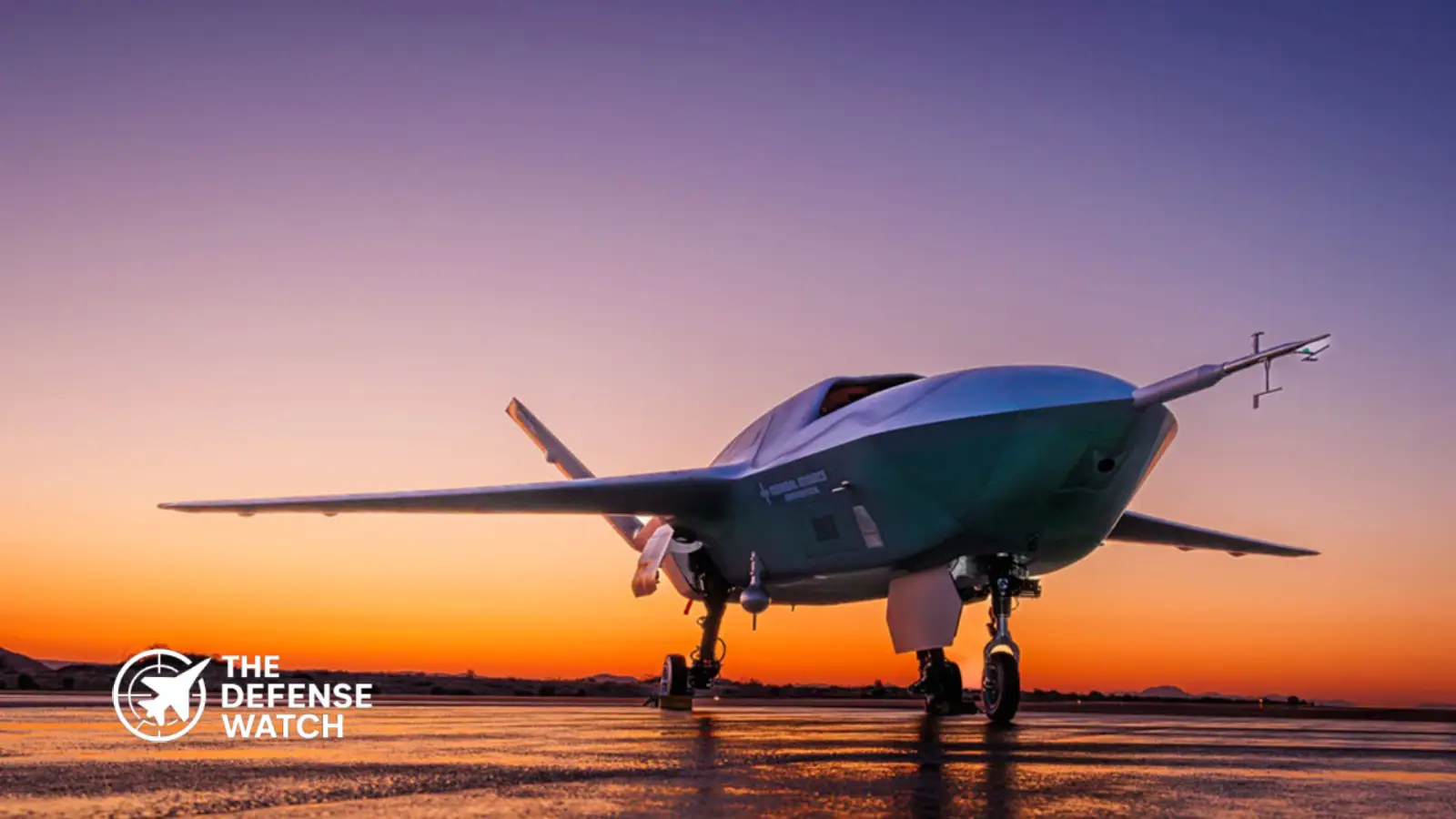
The U.S. Air Force has awarded General Atomics Aeronautical Systems Inc. (GA-ASI) a production contract for the FQ-42A Dark Merlin, marking a major milestone for the service’s Collaborative Combat Aircraft (CCA) initiative. The award moves the autonomous combat aircraft from prototype testing into operational production and signals the Air Force’s commitment to fielding large numbers of uncrewed fighter wingmen alongside manned aircraft.
The production award follows more than two years of rapid development and testing under the Air Force’s CCA program, which seeks to pair autonomous aircraft with advanced fighters such as the F-35 Lightning II and F-22 Raptor. General Atomics announced that the initial production order will begin deliveries of operational FQ-42A aircraft to the Air Force, transitioning the platform from its earlier YFQ-42A developmental designation into a production configuration.
The award comes after the Air Force selected both General Atomics and Anduril Industries for the first production phase of Increment 1 of the CCA program. The service intends to field at least 150 autonomous combat aircraft under the initial procurement effort, with both the FQ-42A and Anduril’s FQ-44 expected to support operational testing and eventual deployment.
Deep Technical & Strategic Context Analysis
The FQ-42A Dark Merlin represents one of the most significant shifts in U.S. tactical airpower since the introduction of fifth-generation fighters. Rather than replacing crewed aircraft, the platform is designed to operate as an autonomous force multiplier capable of conducting sensing, electronic warfare, strike, decoy, and air-to-air support missions under the supervision of a human pilot.
The aircraft traces its lineage to General Atomics‘ XQ-67A and broader Gambit family of autonomous aircraft. Open-source imagery and company disclosures indicate the platform incorporates a low-observable configuration featuring a dorsal air intake, internal weapons carriage, and modular mission systems architecture. The design has been optimized for affordability and production scalability while retaining sufficient survivability to operate inside contested environments. Planned armament is believed to include internal carriage of AIM-120 AMRAAM missiles and other mission-specific payloads.
Strategically, the program addresses one of the Air Force’s most pressing challenges: generating combat mass against near-peer adversaries without relying solely on increasingly expensive crewed aircraft. Air Force officials have repeatedly described CCA as the next phase of human-machine teaming, allowing fighters to extend sensor coverage, increase survivability, and distribute risk across multiple autonomous platforms during high-intensity operations.
The production decision is particularly notable because it comes after a compressed development timeline. General Atomics was selected to build production-representative test aircraft in 2024, conducted the first CCA flight in 2025, and subsequently demonstrated autonomous mission software integration, push-button takeoffs and landings, and manned-unmanned teaming scenarios before securing production approval.
Contract Breakdown & Details
Program Overview
- Contract Recipient: General Atomics Aeronautical Systems Inc.
- Customer: United States Air Force
- Platform: FQ-42A Dark Merlin
- Program: Collaborative Combat Aircraft (CCA) Increment 1
- Contract Purpose: Production and delivery of operational autonomous combat aircraft
- Program Status: Transition from developmental YFQ-42A configuration to production FQ-42A aircraft
Key Capabilities
- Semi-autonomous and autonomous mission execution
- Human-machine teaming with crewed fighters
- Modular open-systems architecture
- Rapid mission payload integration
- Advanced autonomy software compatibility
- Potential air-to-air and strike mission capability
- Distributed sensing and electronic warfare support
Development Milestones
- April 2024: General Atomics selected to build CCA test aircraft.
- August 2025: First successful Air Force CCA flight completed.
- February 2026: First mission autonomy software flight demonstrated.
- June 2026: Production contract awarded for FQ-42A aircraft.
Industry Significance
The award validates the Air Force’s acquisition strategy of rapidly developing autonomous combat aircraft through competitive prototyping rather than traditional fighter procurement timelines. Moving from prototype selection in 2024 to production authorization in 2026 represents one of the fastest transitions from concept to production seen in a modern U.S. combat aircraft program.
Competitive Landscape
The Air Force selected two separate autonomous fighter designs for Increment 1:
- FQ-42A Dark Merlin (General Atomics)
- FQ-44 (Anduril Industries)
The dual-vendor approach is intended to preserve competition, reduce program risk, and accelerate fielding of operational autonomous combat aircraft across the force.


(adsbygoogle = window.adsbygoogle || []).push({});Executive Summary:
Renault and Thales have launched a strategic partnership to mass produce the Toutatis loitering munition, marking a significant expansion of France’s defense industrial base. The agreement combines Renault’s automotive manufacturing expertise with Thales’ defense technology capabilities to scale production and strengthen Europe’s growing demand for unmanned systems.
Renault And Thales Deepen Defense Partnership
Renault drone production is entering a new phase as the French automaker partners with Thales to manufacture the Toutatis loitering munition, a short range remotely operated strike drone designed for modern high intensity warfare.
The agreement was announced during the Eurosatory 2026 defense exhibition near Paris. Under the partnership, Renault will manufacture the Toutatis system at one of its French production facilities, with output expected to reach approximately 1,000 units per month beginning as early as 2027. The companies said the project will significantly expand France’s industrial capacity in a strategically important defense sector.
The deal marks the second major defense collaboration between Renault and Thales. The two companies are already working together on the development of the 4 TROOP military vehicle, unveiled earlier at Eurosatory 2026.
What Is The Toutatis Loitering Munition?
Developed by Thales, the Toutatis is a short range loitering munition designed to support military forces operating in contested environments.
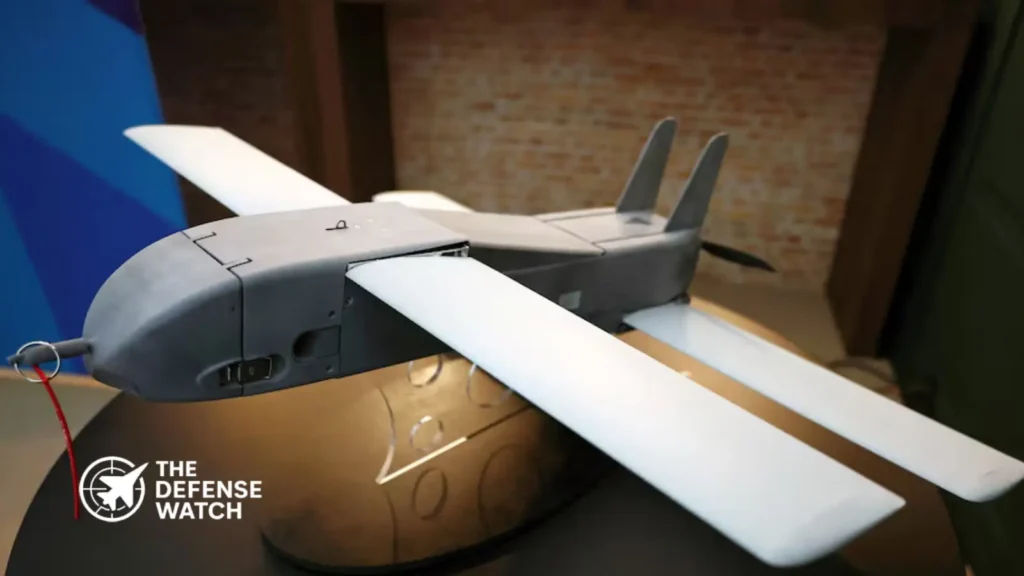
According to Thales and Renault, the system can be deployed by individual soldiers or launched from combat vehicles, aircraft, and naval platforms. It is designed to resist electromagnetic jamming and can carry mission specific warheads against a variety of targets, including armored vehicles. The platform can also operate as part of coordinated drone swarms while maintaining human control over engagement decisions.
Loitering munitions have become a central feature of modern warfare, particularly following their extensive use during the war in Ukraine, where relatively low cost drones have demonstrated the ability to destroy high value military assets.
Why Renault’s Entry Matters
The partnership reflects a broader trend across Europe as governments seek to rapidly increase defense production capacity in response to evolving security challenges.
Rather than building new defense factories from scratch, European governments and defense companies are increasingly turning to established industrial manufacturers with proven large scale production expertise. Renault brings decades of experience in high volume manufacturing, supply chain management, and cost optimization.
Involvement will allow production of the Toutatis drone to transition from limited 3D printed manufacturing methods to more efficient plastic injection molding processes. The companies expect this shift to reduce production costs while simplifying the design through a significant reduction in component count.
This approach highlights an emerging defense industrial strategy across Europe, leveraging civilian manufacturing infrastructure to accelerate military production timelines.
Strategic Implications For France And Europe
The Renault and Thales agreement aligns with France’s effort to strengthen a sovereign domestic drone industry and reduce dependence on foreign suppliers. The companies described the initiative as part of a broader effort to establish a national drone production ecosystem capable of supporting future military requirements.
While France currently has no major procurement program specifically tied to the Toutatis drone, international demand for loitering munitions continues to grow as armed forces seek affordable precision strike capabilities. Reuters reported that much of the expected production will target export markets.
The announcement also comes amid a wider acceleration of European defense investment following Russia’s invasion of Ukraine and increasing concerns about long term security requirements across the continent. Governments and industry leaders are placing greater emphasis on scalable production capacity, resilient supply chains, and rapid fielding of new technologies.
Analysis: A New Model For Defense Manufacturing
Beyond the immediate production numbers, the Renault Thales partnership may represent one of the clearest examples of how Europe intends to expand defense output in the coming decade.
Traditional defense manufacturers often face production bottlenecks when demand rises sharply. By integrating automotive manufacturing expertise into defense programs, companies can access established industrial processes, workforce experience, and supply networks that would otherwise take years to develop.
The Toutatis program demonstrates how commercial industrial capacity can be adapted for military requirements without requiring entirely new production infrastructure. If successful, the model could be replicated across other European defense programs involving drones, autonomous systems, tactical vehicles, and munitions.
The partnership also signals that future defense competitiveness may depend not only on advanced technology but on the ability to manufacture systems rapidly, affordably, and at scale. In an era where attritable drones are becoming increasingly important on the battlefield, production capacity itself is emerging as a strategic capability.
Conclusion
The Renault and Thales agreement marks a significant step in France’s effort to expand domestic drone production and strengthen its defense industrial base. By combining automotive manufacturing expertise with advanced defense technology, the partnership aims to deliver large scale production of the Toutatis loitering munition while supporting broader European defense modernization efforts.
As demand for unmanned systems continues to rise, the success of the program could serve as a model for future collaborations between civilian industry and defense manufacturers across Europe.
Executive Summary:
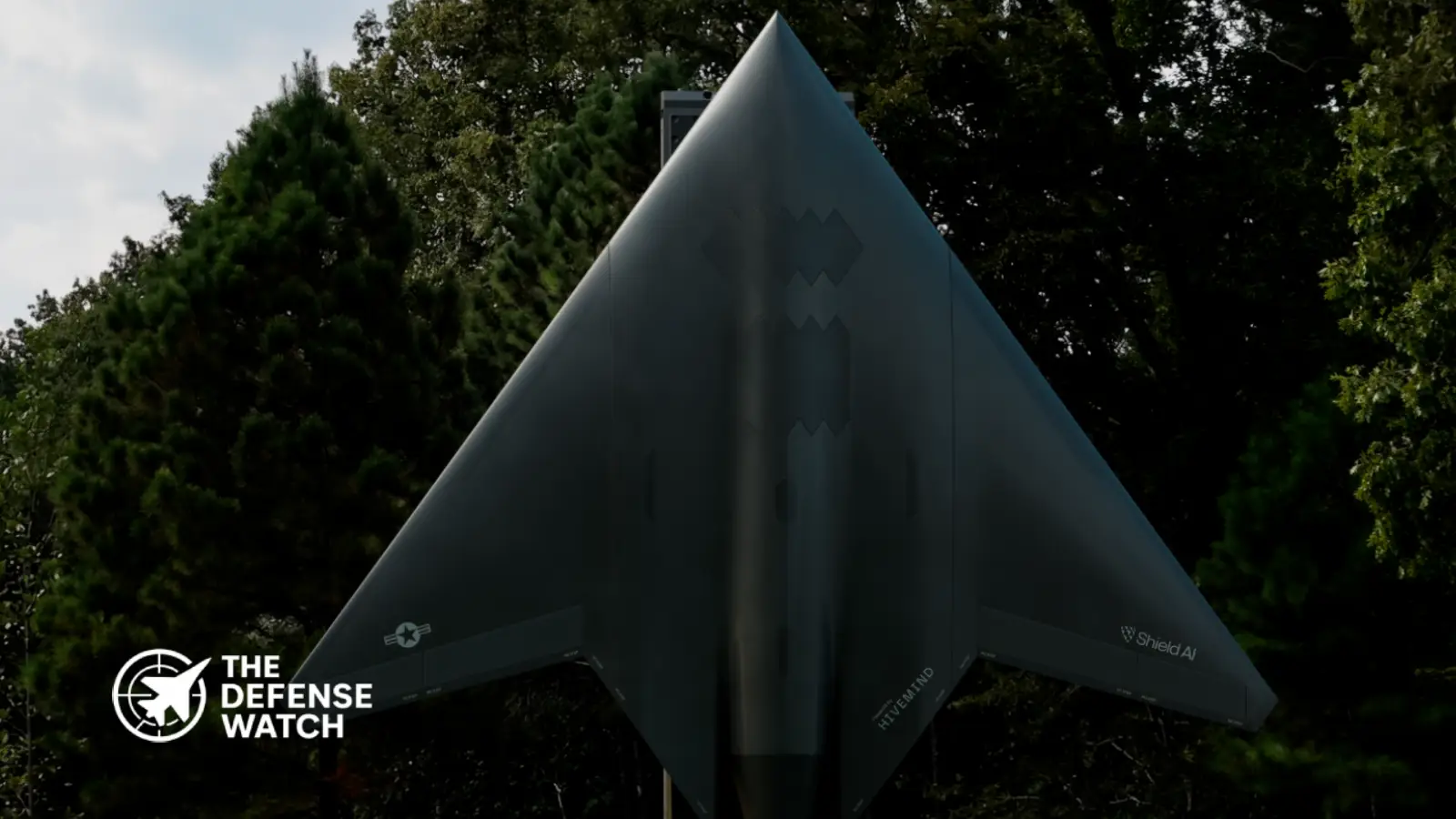
Poland could become a key European support hub for Shield AI X-BAT unmanned aircraft system after Prime Minister Donald Tusk announced that the U.S. defense technology company is considering establishing a service center in the country.
The move aligns with Warsaw’s broader effort to expand its drone capabilities and strengthen NATO’s eastern flank through greater investment in unmanned systems, maintenance infrastructure, and defense industrial cooperation.
Shield AI X-BAT Drone Program Gains Momentum In Poland
The X-BAT drone program moved closer to a potential long-term presence in Poland after Prime Minister Donald Tusk said U.S. defense technology company Shield AI is considering establishing a service and support center in the country, according to Reuters reporting on June 16.
The announcement reflects Poland’s growing importance within NATO’s defense industrial network as European allies accelerate investments in unmanned systems following lessons learned from ongoing conflicts in Eastern Europe and the Middle East.
The proposed facility would support operations, maintenance, and sustainment activities for X-BAT drones while potentially serving regional NATO customers operating similar platforms.
What Is The X-BAT Drone?
The X-BAT is a vertical takeoff and landing (VTOL) unmanned aerial system developed by Shield AI Industries for intelligence, surveillance, reconnaissance, and strike-support missions.
Key characteristics include:
Capability Description Launch Method Vertical takeoff and landing Runway Requirement None Mission Type ISR, reconnaissance, targeting Operational Use Contested and austere environments NATO Relevance Rapid deployment and distributed operations Unlike conventional fixed-wing drones, the X-BAT can operate from confined locations without prepared runways, making it particularly attractive for dispersed military operations along NATO’s eastern flank.
Its operational concept aligns with modern military requirements emphasizing survivability, mobility, and rapid deployment in contested environments.
Poland’s Expanding Role In NATO’s Drone Strategy
The potential Shield AI investment comes as Poland continues one of Europe’s most ambitious military modernization efforts.
Warsaw has increasingly positioned itself as a leading advocate for drone integration across military operations. Prime Minister Tusk has repeatedly highlighted the growing importance of unmanned systems, while Poland has announced plans to expand domestic drone capabilities and establish a larger unmanned warfare ecosystem.
The country’s strategic location on NATO’s eastern frontier gives it particular relevance for drone operations supporting surveillance, border security, and rapid response missions.
Recent security concerns have further reinforced Warsaw’s focus on airspace monitoring and counter-drone capabilities. Polish authorities have pointed to repeated drone-related incidents and evolving regional threats as drivers behind new investments in unmanned technologies and integrated air defense networks.
Why A Polish Service Center Matters
Establishing a maintenance and support hub in Poland would provide several operational advantages.
Reduced Sustainment Timelines
A regional service center would shorten maintenance cycles and reduce dependence on transatlantic logistics chains.
For NATO operators, faster repair and support turnaround can significantly improve aircraft availability during periods of heightened operational demand.
Strengthening NATO’s Eastern Flank
Poland has emerged as a central logistics and defense hub for NATO’s eastern members.
Locating drone support infrastructure closer to operational theaters improves responsiveness and resilience while reducing transportation costs and deployment timelines.
Industrial Cooperation Opportunities
The project could create opportunities for cooperation between Shield AI and Poland’s defense industry.
Such partnerships increasingly form part of European procurement decisions, particularly as governments seek domestic industrial participation alongside foreign technology acquisition.
Strategic Analysis: A Broader Shift In Defense Procurement
The proposed service center reflects a wider transformation occurring across NATO.
Traditionally, European defense procurement focused heavily on major platforms such as fighter aircraft, tanks, and missile systems. However, combat experience from Ukraine and other conflicts has demonstrated that drones now represent a critical layer of modern military capability.
This has produced three notable trends:
Sustainment Is Becoming As Important As Acquisition
Military planners increasingly recognize that buying drones is only the first step.
Long-term effectiveness depends on maintenance networks, spare parts availability, software support, and operator training infrastructure.
A Polish service center would address this requirement directly.
Regional Support Networks Are Expanding
Rather than relying exclusively on U.S.-based support, NATO members are developing distributed maintenance ecosystems across Europe.
This approach improves resilience and reduces vulnerabilities associated with long supply chains.
Defense Technology Firms Are Deepening Their European Presence
Companies such as Shield AI are increasingly pursuing local industrial footprints across Europe.
This strategy helps satisfy government requirements for industrial participation while improving access to growing European defense budgets.
Operational Implications For NATO
If established, the Polish facility could become part of a broader NATO unmanned systems support architecture.
The alliance has placed increasing emphasis on surveillance, reconnaissance, and autonomous systems as part of efforts to strengthen deterrence and improve situational awareness across its eastern territories.
A regional support center would complement these objectives by ensuring higher readiness rates for deployed drone fleets.
For Poland, the initiative would further cement its role as one of NATO’s most active contributors to defense modernization and one of Europe’s fastest-growing defense markets.
Looking Ahead
No formal investment decision or timeline has been publicly announced. However, Tusk’s comments indicate discussions are advancing as Poland continues expanding its drone capabilities and defense industrial base.
Should Shield AI proceed, the project would represent another step in NATO’s broader effort to build a more resilient and regionally distributed unmanned warfare infrastructure, with Poland positioned as a key node on the alliance’s eastern flank.
(adsbygoogle = window.adsbygoogle || []).push({});Executive Summary:
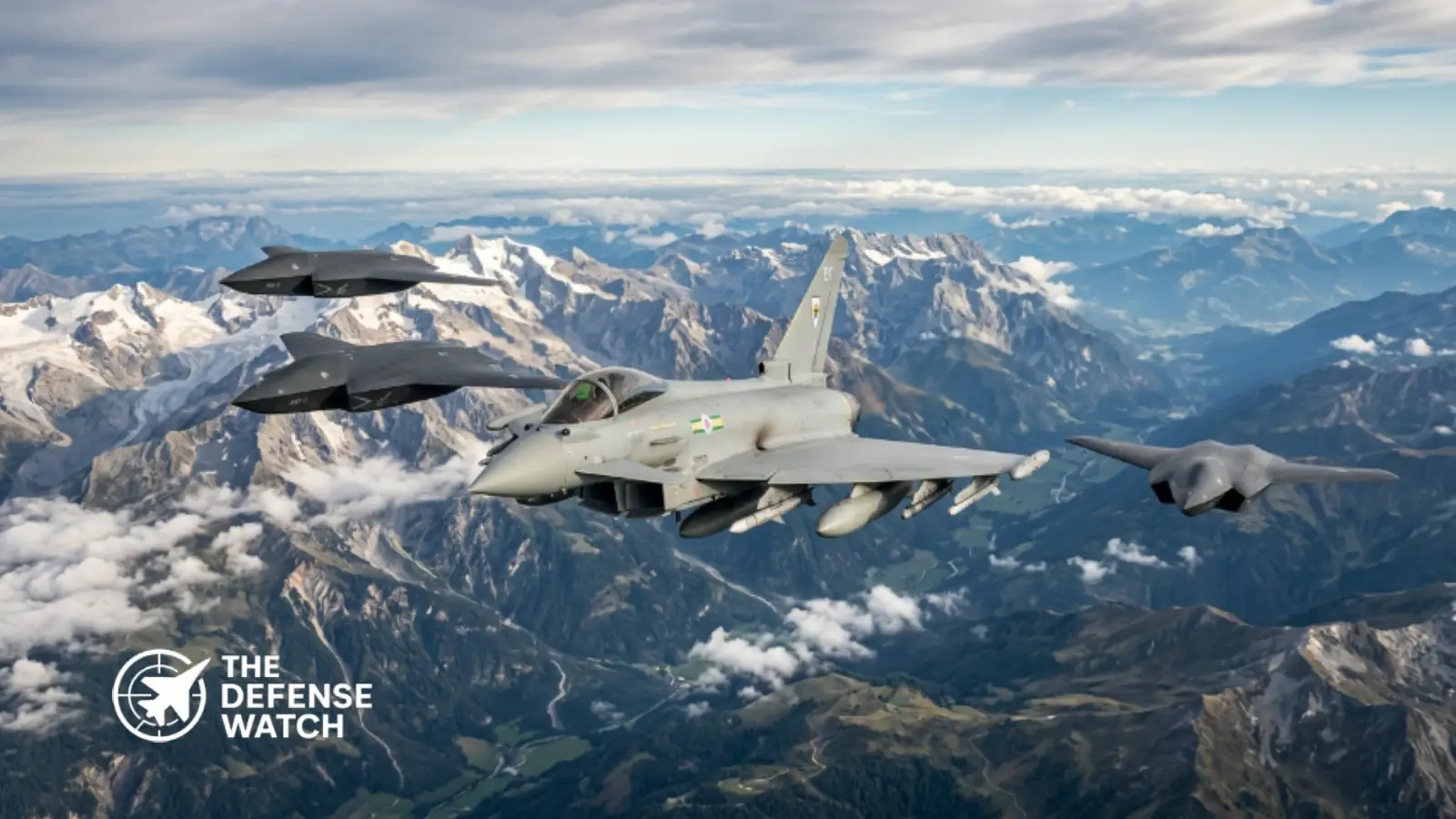
Europe is accelerating development of AI-enabled wingman aircraft, also known as Collaborative Combat Aircraft (CCA), as governments seek to strengthen military capabilities following lessons from the war in Ukraine and growing concerns about long-term security requirements. Major defense companies including Airbus, Boeing, Helsing, and General Atomics showcased competing concepts during the 2026 Berlin Air Show, highlighting a strategic shift toward manned-unmanned teaming in future air combat.
Europe Places Wingman Aircraft At The Center Of Future Airpower Plans
The emergence of wingman aircraft has become one of the most significant themes in European defense modernization efforts. At the 2026 Berlin Air Show, autonomous combat drones designed to operate alongside manned fighter aircraft dominated industry presentations and military discussions, reflecting a broader transformation in how future air campaigns may be conducted.
Known as Collaborative Combat Aircraft, these systems are designed to accompany fighter jets, carrying additional sensors, electronic warfare payloads, communications equipment, and weapons. Rather than replacing crewed aircraft, wingman platforms are intended to expand combat capacity while reducing operational risk to pilots.
The renewed focus comes as European governments continue expanding defense spending in response to the security environment created by Russia’s invasion of Ukraine and broader concerns about long-term military readiness.
(adsbygoogle = window.adsbygoogle || []).push({});What Are Collaborative Combat Aircraft?
Collaborative Combat Aircraft represent a new category of military aviation that combines artificial intelligence, autonomous flight technologies, and networked warfare concepts.
Their primary functions include:
| Capability | Operational Role |
|---|---|
| Intelligence Collection | Extends sensor coverage beyond manned aircraft |
| Electronic Warfare | Jamming and suppression of enemy systems |
| Weapons Carriage | Additional missiles and precision munitions |
| Decoy Operations | Drawing enemy fire away from crewed platforms |
| Communications Relay | Expanding battlefield networking capabilities |
| Air Defense Support | Assisting in interception and target tracking |
Unlike traditional drones operated remotely by ground crews, many future wingman aircraft are expected to perform significant portions of their mission autonomously while remaining under human command authority. This approach aims to reduce pilot workload while increasing combat effectiveness in highly contested environments.
(adsbygoogle = window.adsbygoogle || []).push({});Airbus, Helsing, Boeing, And General Atomics Compete For European Programs
Several major defense companies are positioning themselves for future European procurement programs.
Airbus Wingman
Airbus has emerged as one of Europe’s most visible advocates of the wingman concept. The company previously unveiled its Wingman design as a stealthy unmanned aircraft intended to operate alongside the Eurofighter Typhoon and future combat aircraft. Planned missions include reconnaissance, electronic attack, air-to-air combat support, and strike operations.
Boeing MQ-28 Ghost Bat
Boeing continues promoting the MQ-28 Ghost Bat, originally developed in Australia. The aircraft is among the most mature loyal wingman programs currently flying and is expected to enter operational service later this decade. Reuters reported that Germany is evaluating the platform as part of its future force structure discussions.
- (adsbygoogle = window.adsbygoogle || []).push({});
Helsing’s AI-Centric Approach
German defense technology company Helsing is emphasizing software-defined autonomy and artificial intelligence as key differentiators. Its approach aligns closely with Europe’s desire for sovereign control over critical AI systems and military decision-making architectures.
General Atomics Expansion
General Atomics continues promoting advanced CCA concepts derived from its long experience in unmanned aviation. The company remains one of the leading competitors in both U.S. and allied collaborative combat aircraft programs.
Strategic Drivers Behind Europe’s Wingman Aircraft Push
Several strategic factors are accelerating European investment.
Lessons From Ukraine
The war in Ukraine has demonstrated the growing influence of unmanned systems across the battlefield. Drones now perform intelligence gathering, strike missions, electronic warfare tasks, and air defense support roles at a scale rarely seen in previous conflicts. These developments have reinforced military interest in integrating autonomous systems into future air operations.
Pressure To Expand NATO Capabilities
European NATO members are facing increasing expectations to contribute more airpower and military capabilities. Recent statements from senior alliance officials have highlighted the need for greater European contributions in both manned and unmanned aviation assets.
Defense Industrial Sovereignty
A major political objective behind many European programs is reducing dependence on foreign military technologies. Wingman aircraft offer an opportunity for Europe to develop indigenous autonomy software, mission systems, sensors, and electronic warfare capabilities while strengthening domestic defense industries.
(adsbygoogle = window.adsbygoogle || []).push({});Challenges Facing European Wingman Programs
Despite growing momentum, significant obstacles remain.
Program Fragmentation
Europe continues to struggle with defense industrial fragmentation. The difficulties surrounding the Future Combat Air System (FCAS) and disagreements within other multinational programs highlight the challenges of coordinating large-scale aerospace projects across multiple nations and companies.
Engine And Supply Chain Constraints
Industry studies have identified a shortage of suitable European-made small turbofan engines for future loyal wingman platforms. Dependence on export-controlled technologies remains a concern for governments seeking greater strategic autonomy.
AI Integration And Certification
Building autonomous aircraft capable of operating safely alongside crewed fighters remains a complex technical challenge. Developers must validate artificial intelligence systems, ensure secure communications, and establish rules governing autonomous behavior in combat environments.
These requirements will likely extend development timelines and increase certification costs before operational deployment becomes possible.
Why Wingman Aircraft Matter For Future Air Warfare
The military significance of wingman aircraft extends beyond Europe.
Future fighter fleets are expected to become increasingly expensive and difficult to replace. Collaborative Combat Aircraft offer a potential solution by allowing a single crewed fighter to command multiple autonomous aircraft, effectively multiplying combat mass without proportionally increasing pilot requirements.
For example, a formation consisting of one fighter and several autonomous wingmen could conduct reconnaissance, electronic attack, missile engagements, and decoy operations simultaneously. This distributed approach complicates enemy targeting while expanding operational flexibility.
The concept also aligns with emerging U.S. Air Force doctrine, which views Collaborative Combat Aircraft as a central component of future air superiority operations. European adoption suggests growing convergence among Western air forces regarding the future structure of combat aviation.
Outlook
Operational deployment of European wingman aircraft remains several years away. However, the Berlin Air Show demonstrated that autonomous combat aircraft have moved from conceptual discussions into active procurement and industrial competition.
As defense budgets rise and military planners seek affordable ways to increase combat capacity, Collaborative Combat Aircraft are increasingly viewed as a critical element of future airpower. The race now centers not on whether wingman aircraft will enter service, but on which companies and nations will shape the next generation of manned-unmanned air combat systems.

(adsbygoogle = window.adsbygoogle || []).push({});Executive Summary:
Thales has unveiled the LGR275 PROXY, a new 70mm laser guided rocket designed specifically for counter drone operations. Introduced at Eurosatory 2026, the system adds a proximity sensing capability to the company’s existing laser guided rocket family, aiming to provide a lower cost option for defeating increasingly common unmanned aerial threats.
Thales Launches LGR275 PROXY Counter Drone Rocket At Eurosatory 2026
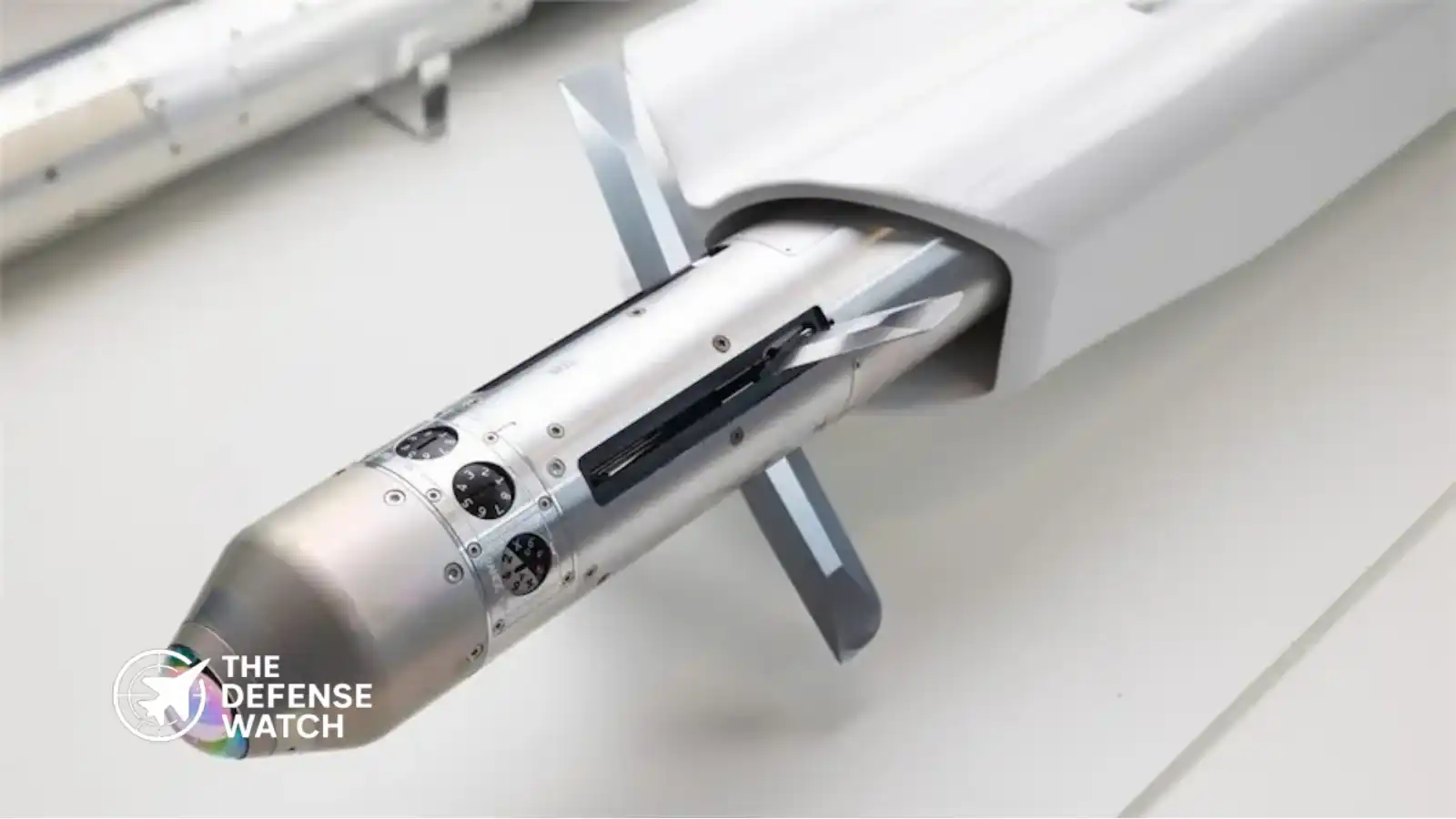
Thales has introduced the LGR275 PROXY, a new 70mm laser guided rocket optimized for counter unmanned aerial system (C-UAS) missions. The system was officially unveiled during Eurosatory 2026 and represents the latest evolution of the company’s laser guided rocket portfolio.
According to Thales, the LGR275 PROXY is designed to address one of the most pressing challenges facing modern air defense forces: defeating low cost drones without relying on significantly more expensive interceptor missiles. The rocket combines semi active laser guidance with a new proximity sensing capability and a warhead tailored for aerial targets.
The development reflects lessons learned from recent conflicts in Europe and the Middle East, where inexpensive drones have repeatedly challenged conventional air defense systems.
(adsbygoogle = window.adsbygoogle || []).push({});New Proximity Sensor Designed For Drone Engagements
A key feature of the LGR275 PROXY is the integration of a proximity sensor positioned behind the rocket’s guidance section.
Unlike traditional laser guided rockets that typically require a direct hit, the new sensor allows the warhead to detonate when the rocket passes within a defined distance of an aerial target. This significantly increases the probability of successfully engaging small and maneuvering drones.
Thales officials stated that the sensor was specifically developed to improve performance against unmanned aircraft, particularly smaller drone classes that can be difficult to destroy through direct impact alone.
(adsbygoogle = window.adsbygoogle || []).push({});Key Reported Characteristics
| Feature | LGR275 PROXY |
|---|---|
| Caliber | 70 mm (2.75 inch) |
| Guidance | Semi active laser guidance |
| Target Type | Unmanned aerial systems |
| Sensor | Integrated proximity sensor |
| Mission Types | Air-to-air and surface-to-air |
| Manufacturer | Thales Belgium |
Specifications based on information released by Thales and industry reporting as of June 2026.
(adsbygoogle = window.adsbygoogle || []).push({});Addressing The Cost Exchange Problem
The emergence of mass produced drones has created a growing economic challenge for military planners.
Many air defense systems rely on interceptors costing tens or hundreds of thousands of dollars to defeat targets that may cost only a fraction of that amount. This unfavorable cost exchange ratio has become increasingly visible in conflicts involving one way attack drones and loitering munitions.
The LGR275 PROXY is intended to help close that gap. By leveraging an existing 70mm rocket architecture and adding specialized counter drone capabilities, Thales aims to provide armed forces with a more affordable interception option that can be fielded in larger quantities.
This approach mirrors broader international efforts to expand the use of guided rockets for air defense missions. In the United States, systems such as the Advanced Precision Kill Weapon System (APKWS) and L3Harris’ VAMPIRE have demonstrated growing interest in lower cost precision rockets as drone interceptors.
(adsbygoogle = window.adsbygoogle || []).push({});Integration With SkyDefender Air Defense Architecture
Thales confirmed that the LGR275 PROXY will be integrated into its SkyDefender air defense ecosystem.
SkyDefender is designed as a layered counter UAS architecture that combines sensors, command and control systems, electronic warfare tools, and kinetic effectors. The addition of the new rocket provides another engagement option within that broader defensive framework.
The ability to conduct both air-to-air and surface-to-air engagements also expands operational flexibility. The rocket can potentially be employed from multiple launch platforms depending on customer requirements and integration choices.
(adsbygoogle = window.adsbygoogle || []).push({});Strategic Implications For NATO And Allied Forces
The introduction of the LGR275 PROXY highlights a wider shift in Western defense procurement priorities.
Over the past several years, NATO militaries have increasingly focused on building layered defenses against drones ranging from small commercial quadcopters to larger one way attack systems. Traditional missile based air defense remains essential against aircraft and cruise missiles, but many defense organizations now recognize the need for lower cost interceptors optimized for drone threats.
For European forces, the LGR275 PROXY could offer a domestically produced alternative within a growing market for counter drone weapons. Its compatibility with existing laser guidance technologies may also simplify integration across a variety of launch platforms.
From a U.S. perspective, the development underscores a broader trend toward precision guided rockets as air defense weapons. The increasing use of 70mm guided rockets by NATO allies suggests that future counter drone operations may rely on a mix of missiles, guns, electronic warfare systems, and guided rockets rather than any single solution.
(adsbygoogle = window.adsbygoogle || []).push({});Production Expansion Planned Through 2028
Thales Belgium has announced plans to increase production capacity for its guided rocket family to meet growing international demand.
The company stated that output will rise substantially between 2026 and 2028 as armed forces seek additional counter drone capabilities and precision munitions. The production increase is intended to support both domestic and export customers while strengthening supply chain resilience.
The move reflects continued growth in the global market for affordable precision weapons capable of countering unmanned threats across multiple operational environments.
Executive Summary:
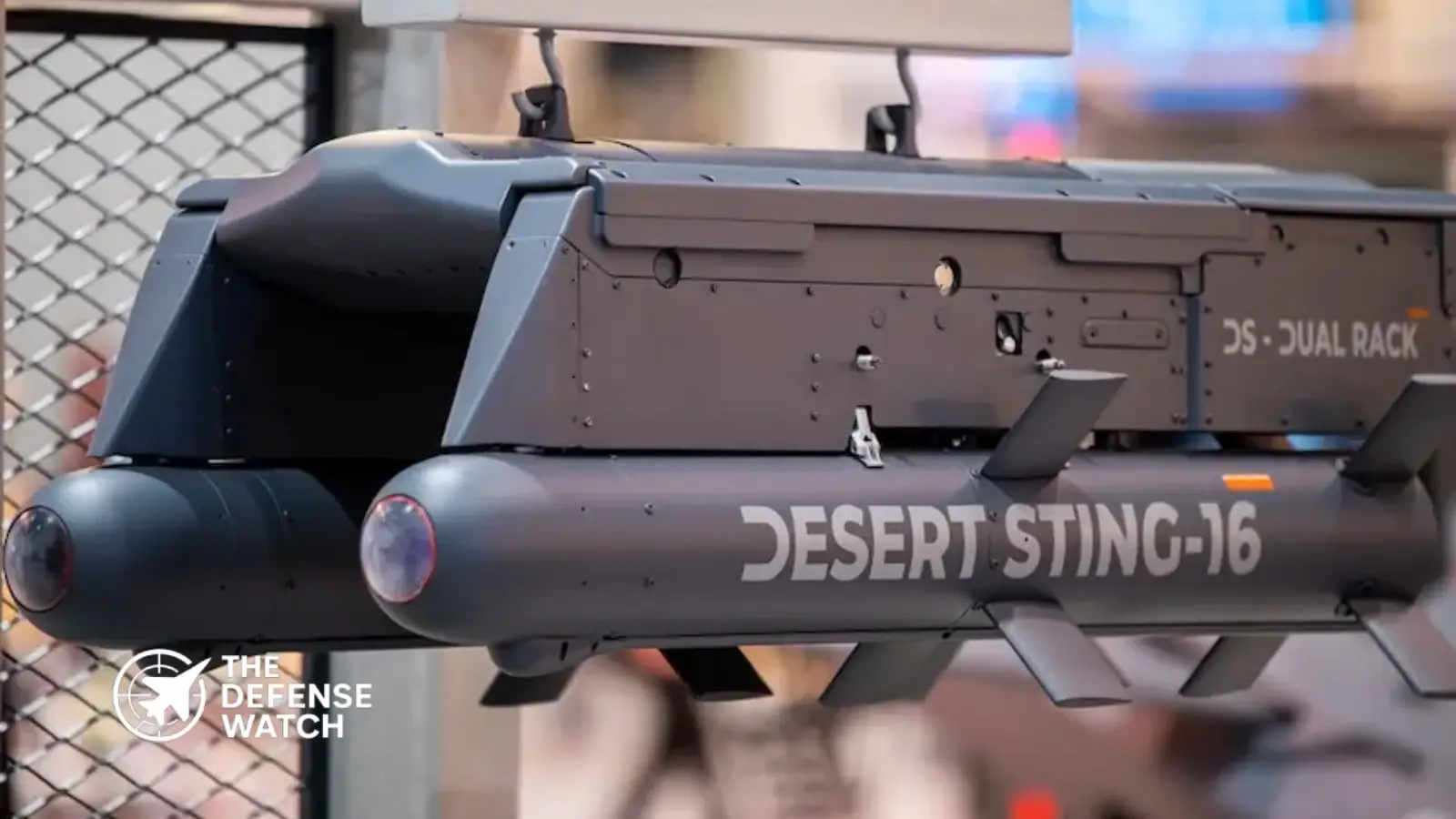
UAE-based EDGE Group has integrated its Desert Sting 16 precision-guided glide munition onto the Bayraktar TB2 unmanned aircraft developed by Baykar. The move expands the TB2’s available weapons portfolio and reflects growing defense cooperation between the United Arab Emirates and Türkiye as both companies seek to enhance export-focused unmanned warfare capabilities.
EDGE Integrates Desert Sting 16 On Bayraktar TB2
The Desert Sting 16 integration marks another step in the growing partnership between UAE-based defense technology company EDGE and Turkish drone manufacturer Baykar. The companies have confirmed the integration of the Desert Sting 16 precision-guided munition onto the Bayraktar TB2 unmanned aerial vehicle (UAV), adding a new precision strike option to one of the world’s most widely deployed drone platforms.
The effort is part of a broader strategic alliance between the two defense firms focused on expanding cooperation in advanced unmanned systems and precision-guided weapons. Initial plans for the integration were announced in early 2024, with both companies highlighting the potential for additional payloads and future collaboration across Baykar’s UAV portfolio.
What Is The Desert Sting 16?
The Desert Sting 16 is a lightweight precision-guided glide munition developed by EDGE. The weapon uses inertial navigation and satellite guidance, while a semi-active laser seeker can be added for increased targeting accuracy against designated targets. According to defense industry reporting, the munition can engage targets at ranges of up to approximately 15 kilometers when released from altitude and is designed to deliver precise effects while minimizing collateral damage.
Its relatively low weight makes it particularly suitable for medium-sized UAVs such as the Bayraktar TB2, allowing operators to maintain endurance while adding precision strike capability.
Why The Integration Matters
The Bayraktar TB2 has become one of the most successful export UAVs in recent years. The platform has been adopted by multiple armed forces worldwide for intelligence, surveillance, reconnaissance, and strike missions. Integrating the Desert Sting 16 expands the aircraft’s available weapons portfolio and gives current and future operators additional mission flexibility.
From an operational perspective, broader weapon compatibility is increasingly important in the global UAV market. Many defense customers seek flexible platforms capable of integrating both domestic and foreign munitions rather than relying on a single supplier ecosystem.
The integration also reflects a wider trend in the defense industry toward modular payload architectures. UAV manufacturers are increasingly designing platforms that can accommodate multiple sensors, weapons, and mission systems to meet diverse customer requirements.
Growing UAE-Türkiye Defense Cooperation
Beyond the technical achievement, the project highlights the expanding defense relationship between the UAE and Türkiye. EDGE and Baykar have steadily deepened cooperation through agreements covering weapons integration, unmanned systems, and joint market opportunities. Recent agreements announced in 2026 also include plans to integrate EDGE’s AL TARIQ precision-guided munitions onto the larger Bayraktar AKINCI unmanned combat aerial vehicle.
This pattern suggests that both companies view weapons integration as a long-term strategic effort rather than a single program. As unmanned systems become central to military modernization efforts worldwide, partnerships that combine proven UAV platforms with diverse precision-guided munitions are likely to attract increased attention from export customers.
Strategic Analysis
The Desert Sting 16 integration demonstrates how the global UAV market is evolving beyond platform performance alone. Today, a drone’s value increasingly depends on the breadth of weapons, sensors, and mission systems it can support.
For Baykar, expanding the TB2’s weapon options enhances the platform’s attractiveness in competitive export markets. For EDGE, integration with a globally recognized UAV opens additional opportunities for its precision-guided munitions among existing and future TB2 operators.
The development also underscores a broader industry shift toward multinational defense partnerships. Rather than developing every subsystem domestically, manufacturers are increasingly combining strengths across national defense industries to accelerate capability growth and improve market access.
As unmanned aircraft continue to assume larger roles in modern military operations, the combination of proven UAV platforms and flexible precision-guided weapons is expected to remain a key factor shaping procurement decisions worldwide.

(adsbygoogle = window.adsbygoogle || []).push({});Executive Summary:
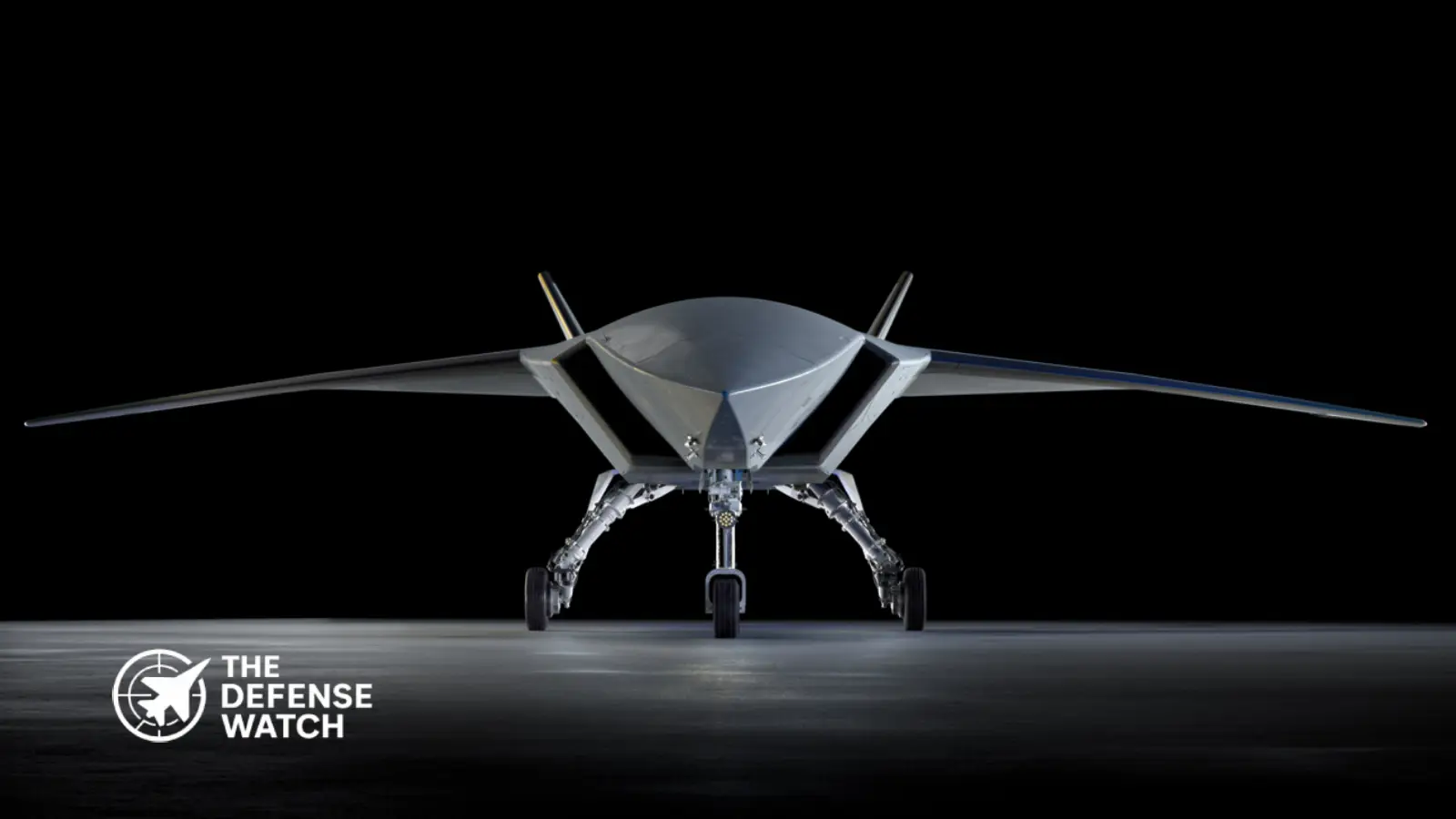
Boeing has unveiled a significantly upgraded MQ-28 Ghost Bat collaborative combat aircraft, adding larger wings, internal weapons stations, and extended operational range.
The enhancements strengthen the platform’s ability to support crewed aircraft, carry additional payloads, and meet growing demand for autonomous combat aircraft among allied air forces.
Boeing MQ-28 Ghost Bat Upgrade Expands Combat Reach
Boeing’s MQ-28 Ghost Bat collaborative combat aircraft has received a major capability upgrade aimed at increasing range, payload capacity, and mission flexibility as global militaries accelerate investment in autonomous air combat systems.
The company unveiled the latest enhancements during the ILA Berlin Air Show 2026, presenting a roadmap that significantly expands the aircraft’s operational capabilities while preserving its role as a force multiplier for crewed fighter aircraft.
Developed in partnership with the Royal Australian Air Force (RAAF), the MQ-28 Ghost Bat is designed to operate alongside manned aircraft, conducting missions that include intelligence gathering, electronic warfare, air combat support, and strike operations.
According to Boeing, the upgraded configuration introduces a wing that is more than 25 percent larger than previous variants, allowing the aircraft to carry an additional 2,000 pounds of fuel, mission payloads, or stores. The increase provides operators greater flexibility to balance endurance and combat loadouts based on mission requirements.
(adsbygoogle = window.adsbygoogle || []).push({});Internal Weapons Bays Add New Combat Capability
One of the most significant additions is the introduction of internal weapons stations.
The upgraded MQ-28 can now be configured to carry up to two AIM-120 AMRAAM air-to-air missiles or four Small Diameter Bombs internally. By carrying weapons inside the airframe rather than on external hardpoints, the aircraft can retain lower observable characteristics while expanding its combat role.
The move reflects a broader trend across next generation unmanned combat aircraft programs, where survivability and weapons integration are becoming increasingly important requirements.
Boeing officials stated that the new capabilities are part of a spiral development approach, enabling future upgrades to be integrated incrementally as operational requirements evolve.
(adsbygoogle = window.adsbygoogle || []).push({});Beyond-Line-of-Sight Operations Expand Mission Flexibility
Another notable enhancement is the addition of beyond-line-of-sight communications capability.
This allows operators to control and coordinate MQ-28 missions over significantly greater distances than earlier configurations, expanding operational flexibility in large theaters such as the Indo-Pacific.
The capability is particularly important for collaborative combat aircraft, which are expected to operate alongside advanced fighters, airborne early warning aircraft, and other networked platforms across dispersed battlespaces.
As air forces increasingly emphasize distributed operations, secure long-range connectivity has become a key requirement for future autonomous systems.
(adsbygoogle = window.adsbygoogle || []).push({});Growing Importance Of Collaborative Combat Aircraft
The latest MQ-28 improvements come as collaborative combat aircraft programs gain momentum across the United States, Australia, Europe, and Asia.
Military planners view autonomous wingmen as a cost-effective way to increase combat mass without procuring large numbers of expensive crewed aircraft. These systems can perform reconnaissance, electronic attack, decoy missions, and strike operations while reducing risk to pilots.
The MQ-28 has emerged as one of the most mature programs in this rapidly evolving sector. Boeing and the RAAF have already completed extensive flight testing, including autonomous teaming demonstrations, operational deployments, and missile firing trials.
The platform has also undergone radar cross-section validation testing to verify its survivability characteristics in contested environments.
(adsbygoogle = window.adsbygoogle || []).push({});From a strategic perspective, the latest upgrades indicate Boeing is positioning the Ghost Bat not only for Australian requirements but also for a growing international market. Germany has shown interest in collaborative combat aircraft concepts, and Boeing recently expanded its industrial partnerships in Europe to support future opportunities.
Why The Upgrade Matters
The significance of the MQ-28 upgrade extends beyond individual performance improvements.
Modern air warfare increasingly depends on a combination of crewed and uncrewed systems operating as an integrated force. Larger payload capacity, longer endurance, internal weapons carriage, and improved connectivity directly enhance the aircraft’s ability to perform that role.
Rather than serving solely as a reconnaissance platform, the upgraded Ghost Bat moves closer to becoming a true combat asset capable of contributing meaningful firepower while supporting manned aircraft in high-threat environments.
As air forces prepare for future conflicts involving advanced air defenses and long-range engagements, collaborative combat aircraft such as the MQ-28 are expected to play an increasingly central role in force structure planning.
(adsbygoogle = window.adsbygoogle || []).push({});Executive Summary:
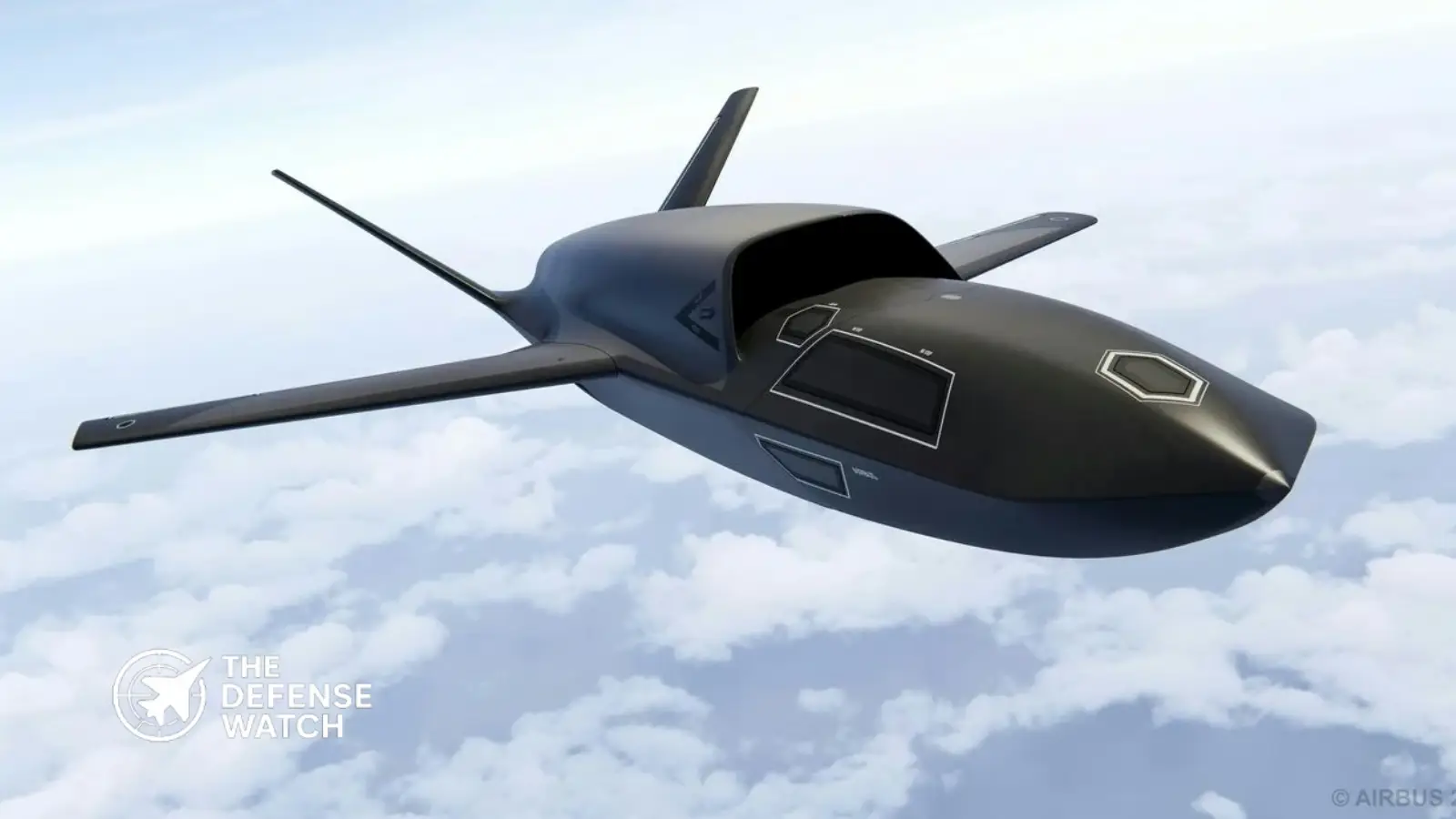
Airbus has unveiled its most comprehensive military drone portfolio to date at ILA Berlin 2026, led by the new U760 Ravenstorm combat drone and autonomous U145 helicopter.
The announcement highlights Europe’s growing focus on sovereign unmanned systems, collaborative combat aircraft, and AI-enabled defense technologies amid rising security demands.
Airbus Drone Portfolio Takes Center Stage At ILA Berlin 2026
Airbus drone portfolio capabilities were on full display at ILA Berlin 2026 as the European aerospace giant showcased a broad range of unmanned systems designed for surveillance, reconnaissance, intelligence gathering, and future multi-domain operations.
The exhibition comes as European governments continue investing in defense modernization programs following years of increased security concerns across the continent. Airbus positioned its unmanned systems lineup as a key component of Europe’s effort to strengthen technological sovereignty while expanding operational flexibility for military forces.
The company presented platforms covering multiple mission categories, ranging from small tactical drones to long-endurance strategic systems capable of supporting joint military operations.
(adsbygoogle = window.adsbygoogle || []).push({});Broad UAV Portfolio Targets Multiple Mission Sets
At the center of Airbus’ display was the company’s growing family of unmanned aerial systems designed to support land, air, and maritime operations.
The portfolio includes tactical reconnaissance drones, larger intelligence and surveillance platforms, and collaborative systems intended to operate alongside manned aircraft. Airbus emphasized interoperability and mission adaptability, reflecting the evolving requirements of modern armed forces.
Military planners increasingly seek UAVs capable of conducting intelligence, surveillance, target acquisition, reconnaissance, communications relay, and battle damage assessment missions within a single operational framework. Airbus’ presentation highlighted how its systems can contribute to these requirements across varying operational environments.
The company’s unmanned systems strategy aligns with broader NATO and European defense priorities focused on improving situational awareness and accelerating decision-making during military operations.
(adsbygoogle = window.adsbygoogle || []).push({});Eurodrone Remains A Key Strategic Program
A major element of the Airbus drone portfolio is the Eurodrone program, one of Europe’s most significant collaborative defense aviation projects.
Developed jointly by Germany, France, Italy, and Spain, Eurodrone is intended to provide a sovereign medium-altitude, long-endurance (MALE) capability for European armed forces. Airbus serves as the program’s industrial lead alongside major European defense partners.
The aircraft is designed to perform long-duration intelligence, surveillance, reconnaissance, and target acquisition missions while operating in controlled airspace. The program aims to provide European nations with an alternative to reliance on imported strategic UAV systems.
Eurodrone continues to be viewed as a cornerstone of Europe’s future airborne intelligence architecture and remains one of the continent’s most closely watched defense aviation programs.
(adsbygoogle = window.adsbygoogle || []).push({});Growing Demand For Autonomous And Unmanned Systems
The Airbus drone portfolio arrives at a time when military organizations worldwide are accelerating investments in autonomous and remotely operated systems.
Recent conflicts have demonstrated the growing importance of drones across tactical and strategic levels of warfare. UAVs are increasingly used for reconnaissance, electronic warfare support, targeting assistance, and operational intelligence.
European governments have responded by increasing procurement budgets and supporting domestic industrial capabilities. Airbus’ emphasis on a fully European drone ecosystem reflects these trends and addresses concerns about supply chain security, operational independence, and long-term sustainment.
From a strategic perspective, the company’s approach extends beyond individual platforms. Airbus is positioning itself as a provider of integrated unmanned solutions capable of supporting networked military operations and future multi-domain battle management systems.
(adsbygoogle = window.adsbygoogle || []).push({});Analysis: Why The Airbus Drone Portfolio Matters
The significance of Airbus’ showcase extends beyond product marketing.
Europe’s defense sector is entering a period of rapid transformation driven by higher military spending, changing security requirements, and increasing demand for indigenous defense technologies. In this environment, unmanned systems have become a central pillar of modernization efforts.
Airbus’ decision to present its entire UAV ecosystem at ILA Berlin demonstrates how drone technology is moving from a niche capability to a core military requirement.
The company’s strategy also reflects a broader industrial competition underway between European manufacturers and established global drone producers. While many nations continue to procure proven foreign systems, European governments increasingly seek locally developed alternatives that provide greater control over technology, maintenance, and operational data.
Another notable aspect is the emphasis on scalability. Modern militaries require drone fleets spanning multiple operational levels, from small tactical units to strategic intelligence platforms. Airbus appears focused on addressing this full spectrum rather than relying on a single flagship program.
As European defense budgets continue to rise, companies capable of offering integrated and sovereign unmanned solutions may gain a significant advantage in upcoming procurement competitions.
(adsbygoogle = window.adsbygoogle || []).push({});Outlook For European UAV Development
The Airbus drone portfolio showcased at ILA Berlin 2026 highlights the company’s ambition to play a leading role in Europe’s expanding unmanned aviation sector.
With programs such as Eurodrone advancing and demand for military UAVs continuing to grow, Airbus is positioning itself to support future European requirements across surveillance, reconnaissance, intelligence gathering, and multi-domain operations.
The exhibition also reinforces a broader trend within European defense policy: strengthening indigenous industrial capabilities while reducing dependence on external suppliers for critical military technologies.
As governments across Europe continue modernizing their armed forces, unmanned systems are expected to remain a major investment priority, creating opportunities for both established aerospace firms and emerging defense technology providers.
(adsbygoogle = window.adsbygoogle || []).push({});Executive Summary:
The United Kingdom has confirmed that the majority of funding for its largest-ever drone package for Ukraine will be directed to British-based manufacturers, including Tekever, Windracers, and Malloy Aeronautics. The initiative aims to deliver at least 120,000 drones to Ukraine in 2026 while simultaneously strengthening the UK’s domestic defense industrial base and sustaining high-skilled jobs.
UK Ukraine Drone Deal Drives Investment Into Domestic Drone Industry
The UK Ukraine drone deal is set to become one of the most significant defense industrial initiatives undertaken by London since the start of Russia’s full-scale invasion of Ukraine.
According to a statement presented to Parliament by Minister for Defence Readiness and Industry Luke Pollard, the majority of spending associated with the United Kingdom’s largest drone support package for Ukraine will remain within the country, benefiting British manufacturers and expanding domestic production capacity.
The package, first announced during the Ukraine Defence Contact Group meeting in April, will provide at least 120,000 drones to Ukrainian forces during 2026. Deliveries are already underway.
Pollard stated that the government intends to use the initiative not only to support Ukraine’s battlefield requirements but also to strengthen Britain’s long-term defense manufacturing capabilities.
(adsbygoogle = window.adsbygoogle || []).push({});British Firms Selected For Major Drone Production Effort
Three companies were specifically identified as key beneficiaries of the program:
Tekever
Tekever has become one of Europe’s most recognized drone manufacturers following the operational success of its AR3 and AR5 unmanned aerial systems.
The company’s long-endurance reconnaissance drones have been employed extensively by Ukrainian forces for intelligence, surveillance, and maritime monitoring missions. The systems have reportedly supported operations against Russian naval assets in the Black Sea and along key frontline sectors.
Tekever has steadily expanded its manufacturing footprint in the United Kingdom, positioning itself as a major supplier of tactical and operational-level surveillance drones.
(adsbygoogle = window.adsbygoogle || []).push({});Windracers
Windracers, headquartered at Solent Airport in Hampshire, produces the ULTRA autonomous cargo aircraft.
Designed for logistics and resupply missions, the twin-engine aircraft can transport cargo autonomously across challenging environments. Military planners increasingly view autonomous logistics platforms as critical force multipliers capable of reducing risk to personnel while sustaining frontline operations.
The inclusion of Windracers highlights the growing importance of autonomous logistics technologies within modern military operations.
Malloy Aeronautics
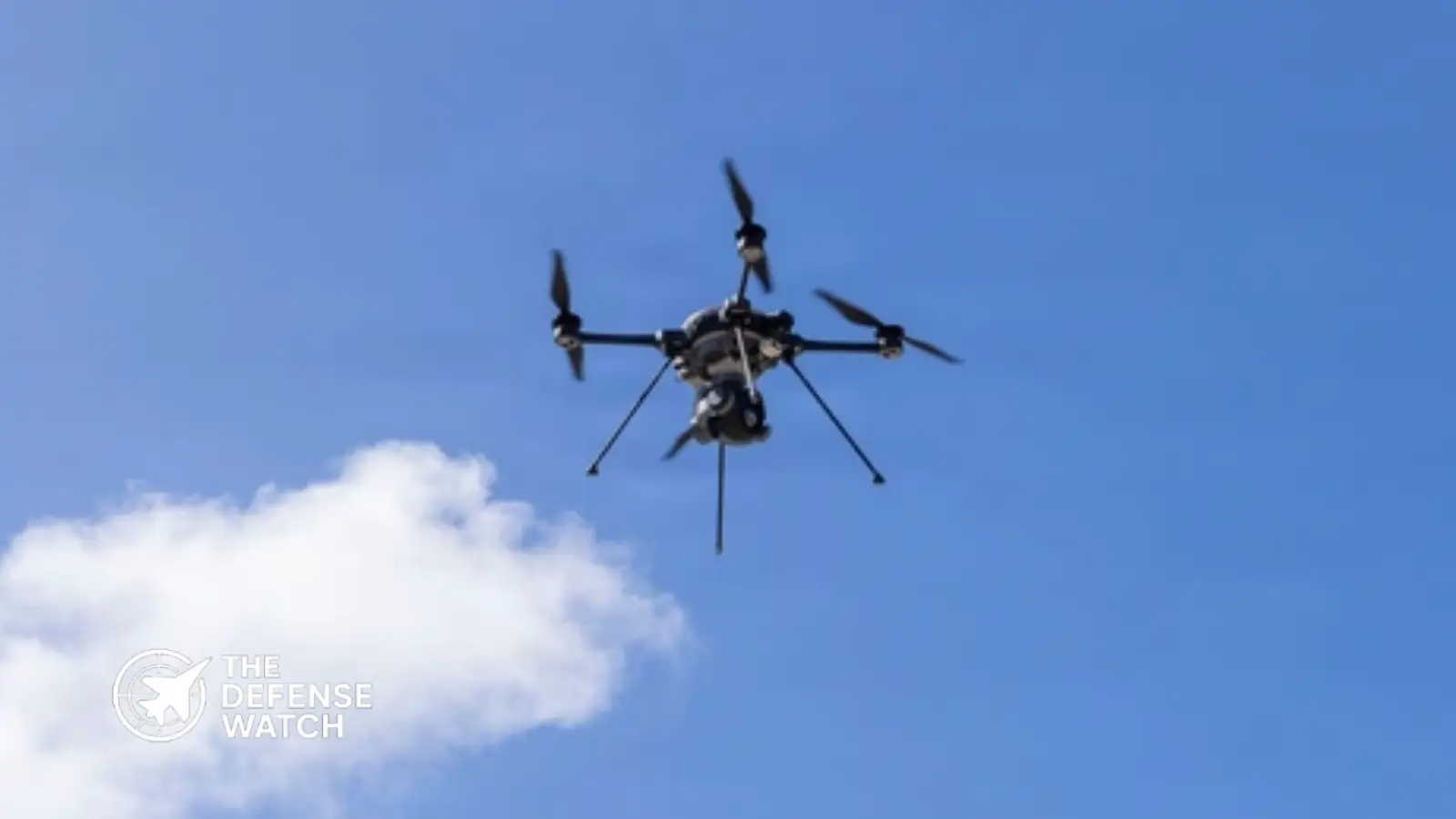
Malloy Aeronautics, acquired by BAE Systems in 2024, develops heavy-lift quadcopter systems including the T150 and T400 platforms.
These drones are designed to transport supplies, ammunition, and equipment to forward positions. Ukrainian forces have employed heavy-lift unmanned systems to address logistical challenges created by contested battlefields and persistent artillery threats.
The company’s integration into BAE Systems has also increased its ability to scale production and support larger defense programs.
Why The Deal Matters Beyond Ukraine
While the immediate objective of the Ukraine drone package is to support Kyiv’s military requirements, the program reflects a broader shift in Western defense procurement strategies.
Governments across NATO are increasingly using operational assistance programs to stimulate domestic defense production and secure long-term manufacturing capacity.
The war in Ukraine has demonstrated that modern conflicts can consume drones at unprecedented rates. Both Ukraine and Russia have used thousands of unmanned systems each month for reconnaissance, strike missions, electronic warfare support, and logistics operations.
As a result, industrial scalability has become nearly as important as technological sophistication.
The UK’s approach mirrors similar efforts in the United States and across Europe, where governments are investing heavily in drone production lines, supply chains, and advanced manufacturing facilities.
(adsbygoogle = window.adsbygoogle || []).push({});Growing Demand For Military Drones Across Europe
The UK Ukraine drone deal also reflects the broader transformation of Europe’s defense landscape.
Since 2022, military planners have accelerated procurement of tactical reconnaissance drones, loitering munitions, autonomous logistics platforms, and electronic warfare-enabled unmanned systems.
Lessons learned from Ukraine continue to influence procurement decisions throughout NATO, particularly regarding affordability, rapid production, and operational adaptability.
Unlike traditional defense acquisition programs that often require years of development, drone technologies can be updated and fielded at a much faster pace. This agility has become a key factor in military modernization strategies.
For British industry, the program offers an opportunity to demonstrate production capacity while securing future export opportunities in a rapidly expanding global drone market.
Strengthening The UK’s Defense Industrial Base
The government’s emphasis on domestic suppliers underscores a growing recognition that industrial resilience is a strategic asset.
Pollard told Parliament that directing investment toward UK-based firms would support high-skilled employment while strengthening production capacity across the defense sector.
The strategy seeks to ensure that emergency support for Ukraine generates lasting economic and industrial benefits within the United Kingdom.
As demand for unmanned systems continues to grow globally, British manufacturers positioned within the UK Ukraine drone deal could emerge as important players in future NATO and allied procurement programs.
(adsbygoogle = window.adsbygoogle || []).push({});Strategic Outlook
The delivery of at least 120,000 drones represents one of the largest unmanned system support initiatives announced by any Western nation for Ukraine.
Beyond the immediate military impact, the program highlights how governments are increasingly linking defense assistance, industrial policy, and long-term national security objectives.
For Ukraine, the package provides a substantial influx of unmanned capabilities. For Britain, it serves as an opportunity to strengthen domestic manufacturing capacity and reinforce its position within the rapidly evolving global drone sector.
(adsbygoogle = window.adsbygoogle || []).push({});Executive Summary:
Airbus Helicopters has introduced the U145, an autonomous and uncrewed version of its widely used H145 helicopter. Unveiled at ILA Berlin 2026, the platform is designed to support cargo logistics, surveillance, disaster response, and military operations while advancing Airbus’ broader autonomous aviation strategy.
Airbus Unveils U145 Autonomous Helicopter At ILA Berlin 2026
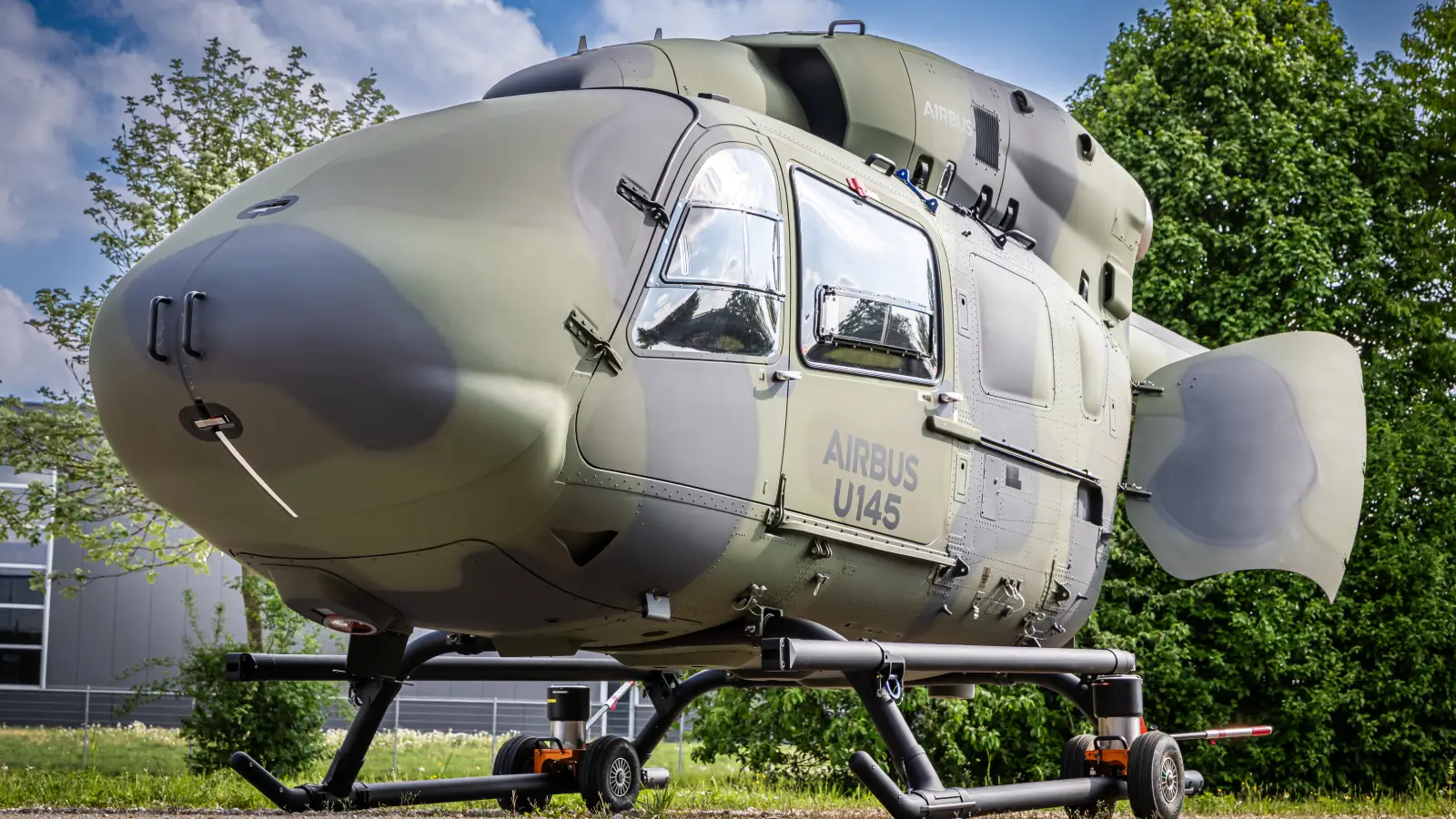
The Airbus U145 autonomous helicopter marks a significant step in the evolution of rotary-wing unmanned aviation. Revealed by Airbus Helicopters during the ILA Berlin Air Show, the new platform transforms the proven H145 helicopter into an uncrewed aircraft system capable of conducting autonomous missions across military and civilian sectors.
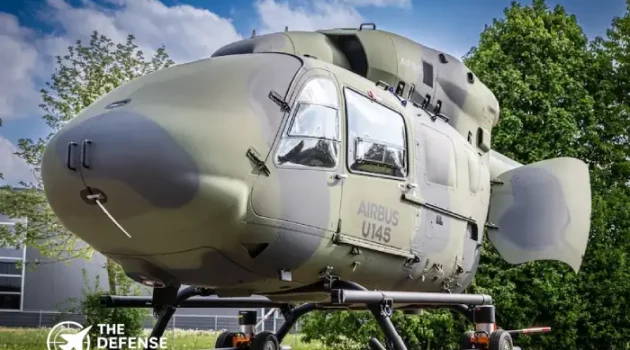
Airbus displayed a full-scale mock-up of the U145 at the event and announced plans for a maiden flight by the end of 2026 with a safety pilot onboard. Entry into operational service is expected in the early 2030s.
According to Airbus Helicopters CEO Matthieu Louvot, the U145 combines the payload capacity, airframe maturity, and operational experience of the H145 with the autonomy capabilities typically associated with advanced unmanned aerial systems.
- (adsbygoogle = window.adsbygoogle || []).push({});
Designed For Autonomous Cargo And Military Missions
Unlike the conventional H145, the U145 removes the physical cockpit entirely and replaces it with a dedicated sensor suite and artificial intelligence-driven autonomy system. Airbus says the aircraft is being optimized primarily for high-volume cargo transportation, particularly in environments where crewed operations may be risky or inefficient.
The aircraft incorporates several structural modifications, including:
- Integrated nose cargo door
- Foldable loading table
- Dedicated cargo floor
- Autonomous navigation and mission management systems
These changes are intended to streamline logistics operations while maximizing payload flexibility.
With a maximum takeoff weight of 3,800 kilograms, the U145 offers significantly greater lift capacity than many conventional unmanned aircraft currently in service.
(adsbygoogle = window.adsbygoogle || []).push({});Expanding Beyond Logistics
Although logistics support is the primary focus, Airbus is positioning the U145 as a modular platform capable of supporting a wide range of future missions.
Potential applications include:
- Military resupply operations
- Armed reconnaissance
- Intelligence, surveillance, and reconnaissance (ISR)
- Disaster response
- Firefighting support
- Drone mothership missions
- Crewed-uncrewed teaming operations
Airbus confirmed it is working with MBDA on concepts involving air-launched effects and drone mothership capabilities, reflecting growing interest among Western militaries in distributed and networked battlefield operations.
(adsbygoogle = window.adsbygoogle || []).push({});Part Of Airbus’ Broader Autonomous Aviation Strategy
The U145 represents Airbus’ second major effort to convert an existing helicopter into an autonomous platform. It follows the VSR700 program, which adapted the Cabri G2 helicopter into an unmanned system.
The announcement also aligns with Airbus’ ongoing investments in crewed-uncrewed teaming technologies. In 2025, the company unveiled HTeaming, a modular system designed to allow helicopter crews to control unmanned aircraft during flight. Together, these initiatives indicate Airbus is building an integrated ecosystem that connects crewed helicopters, autonomous aircraft, and future battlefield networks.
From a defense modernization perspective, the U145 reflects a broader industry trend toward autonomous logistics and operational support platforms. Armed forces increasingly view uncrewed rotorcraft as a way to reduce personnel risk while maintaining supply chains in contested environments.
(adsbygoogle = window.adsbygoogle || []).push({});Implications For Future Military Aviation
The launch of the Airbus U145 autonomous helicopter comes as military organizations across NATO and allied nations accelerate investment in autonomous aviation technologies.
The platform’s reliance on an already established helicopter design could offer several advantages. By leveraging the H145’s extensive operational history, Airbus may reduce technical risk, simplify maintenance planning, and accelerate certification compared with developing a completely new aircraft from scratch. The H145 family currently numbers more than 1,800 aircraft worldwide and has accumulated over 8.5 million flight hours across military, public service, and civilian missions.
As defense planners seek resilient logistics solutions and scalable autonomous capabilities, the U145 could emerge as a notable contender in the growing market for medium-lift uncrewed rotorcraft.