Executive Summary:
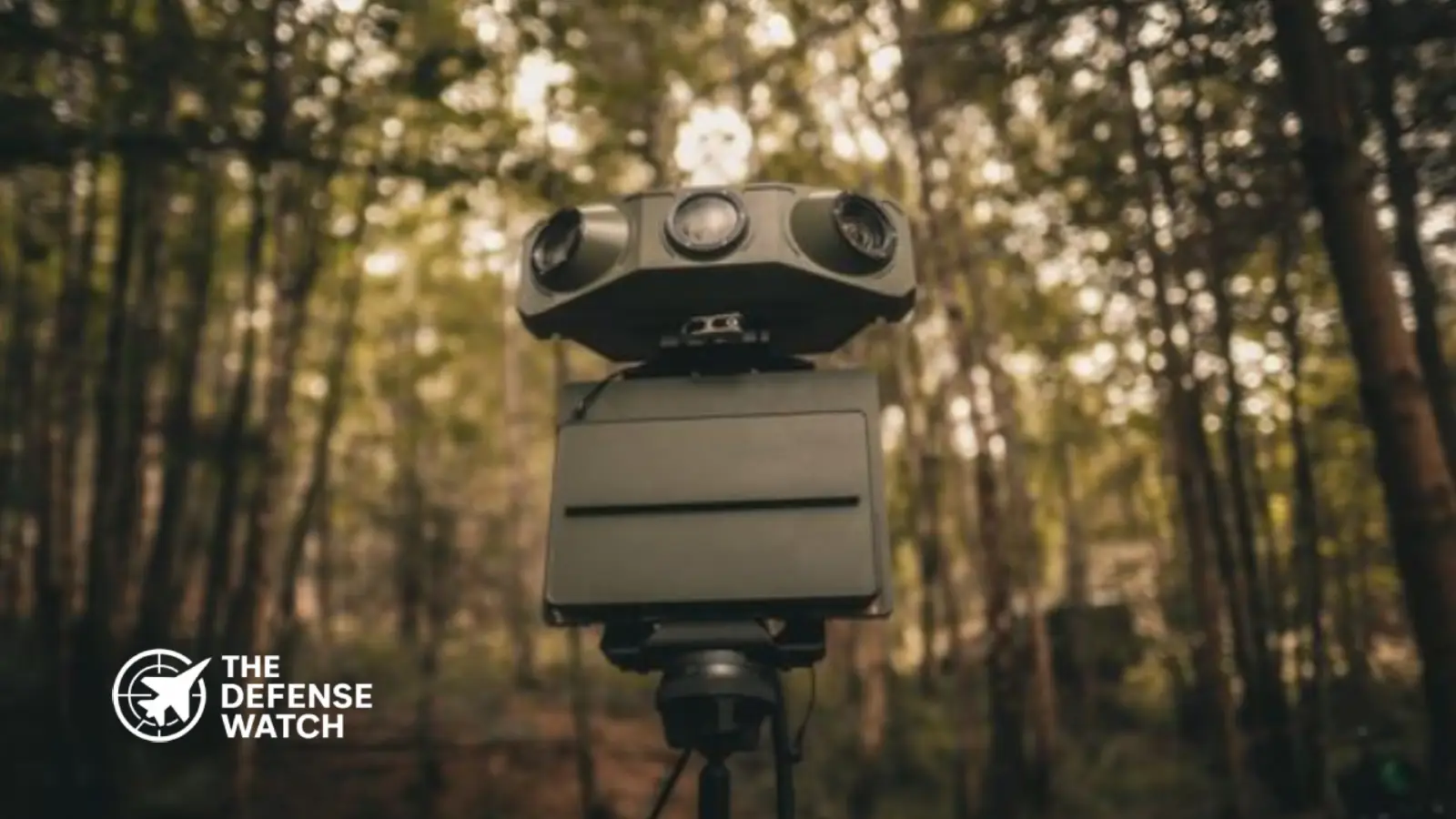
Australia is acquiring a new counter unmanned aircraft system (C-UAS) sensor capability from a United Kingdom defense company as drone threats continue to evolve across modern battlefields.
The move supports the Australian Defence Force’s broader effort to build a layered counter drone architecture capable of detecting, tracking, identifying, and defeating hostile unmanned aerial systems.
Australia Expands Counter Drone Sensor Capability
Australia’s counter drone system modernization effort has taken another step forward with the planned acquisition of a new C-UAS sensor system from a United Kingdom defense supplier. The procurement reflects growing concern among Western militaries about the rapid proliferation of unmanned aerial vehicles and the increasingly sophisticated tactics employed by state and non-state actors.
The Australian Defence Force (ADF) has made counter drone capabilities a priority as lessons from conflicts in Ukraine, the Middle East, and other operational theaters demonstrate the growing effectiveness of low-cost drones against military forces and critical infrastructure.
According to reporting by Janes, the acquisition will provide Australia with enhanced detection and situational awareness capabilities, strengthening its ability to identify and respond to emerging aerial threats.
Growing Demand For Counter UAS Systems
The global demand for counter unmanned aircraft systems has accelerated as drones become more accessible, affordable, and capable.
Military planners increasingly view drone threats as a challenge that requires a layered response. Detection and tracking sensors are often the first line of defense, providing operators with the information needed to assess threats before deploying electronic warfare systems, kinetic interceptors, or directed-energy weapons.
Australia has already invested in multiple counter drone initiatives in recent years. The Australian Army has tested and acquired various drone detection technologies, including advanced radio-frequency sensing systems capable of identifying and locating hostile UAVs. These efforts form part of a wider national strategy aimed at protecting military bases, deployed forces, and critical infrastructure from airborne threats.
Why The New Sensor System Matters
The significance of the new C-UAS sensor system extends beyond a single procurement.
Modern drone threats are becoming increasingly difficult to detect because many systems are smaller, quieter, and capable of operating autonomously. Traditional air defense networks were primarily designed to track larger aircraft and missiles, creating gaps that small drones can exploit.
Advanced sensor systems help close these gaps by providing:
- Early warning of drone activity
- Improved target identification
- Enhanced tracking accuracy
- Integration with command-and-control networks
- Support for layered air defense operations
These capabilities are particularly important for expeditionary operations where military units may face persistent surveillance or attack from small unmanned aircraft.
Australia Pursues Layered Counter Drone Architecture
The acquisition aligns with Australia’s broader push toward a layered counter drone architecture.
Recent defense programs have emphasized integrating sensors, command-and-control systems, electronic warfare tools, and kinetic effectors into a unified network capable of addressing diverse drone threats. Australia’s LAND 156 program, for example, seeks a scalable counter small-UAS capability that combines multiple sensors and defeat mechanisms into a coherent operational framework.
Defense officials have increasingly highlighted the need for systems that can detect, classify, track, and neutralize drones operating in complex environments.
The addition of a UK-developed sensor system could provide the ADF with greater operational flexibility while also supporting interoperability with allied nations that are pursuing similar counter drone solutions.
Strategic Implications For Australia And Allies
Beyond its technical capabilities, the acquisition reflects broader strategic trends among Western defense partners.
Australia, the United Kingdom, and the United States continue to deepen defense cooperation across multiple domains, including emerging technologies, intelligence sharing, and military modernization programs.
Counter drone technology has become a key area of collaboration because UAV threats affect military operations, homeland security, and critical infrastructure protection alike.
The growing emphasis on sensor networks also highlights an important lesson from recent conflicts: successful counter drone operations depend as much on rapid detection and situational awareness as they do on the systems used to defeat hostile aircraft.
As drone technology continues to evolve, nations that can rapidly identify and track threats will maintain a significant operational advantage.
Outlook
Australia’s decision to acquire a new counter drone sensor capability underscores the increasing importance of C-UAS technologies in contemporary defense planning.
With drone threats expanding in scale, sophistication, and accessibility, investments in advanced sensor systems are likely to remain a central element of Australia’s military modernization strategy.
The latest procurement reinforces Canberra’s commitment to building a resilient, layered defense architecture capable of protecting both deployed forces and critical national assets against emerging aerial threats.