(adsbygoogle = window.adsbygoogle || []).push({});Executive Summary:
Denmark’s F35 procurement program has exceeded initial cost estimates by approximately 2 point 2 billion dollars, according to a national audit review. The report points to rising acquisition and long term sustainment expenses tied to the Lockheed Martin built fighter fleet. The findings raise fresh concerns over lifecycle affordability and defense budget planning.
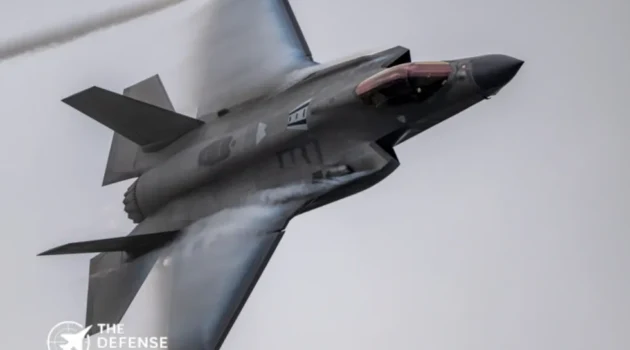
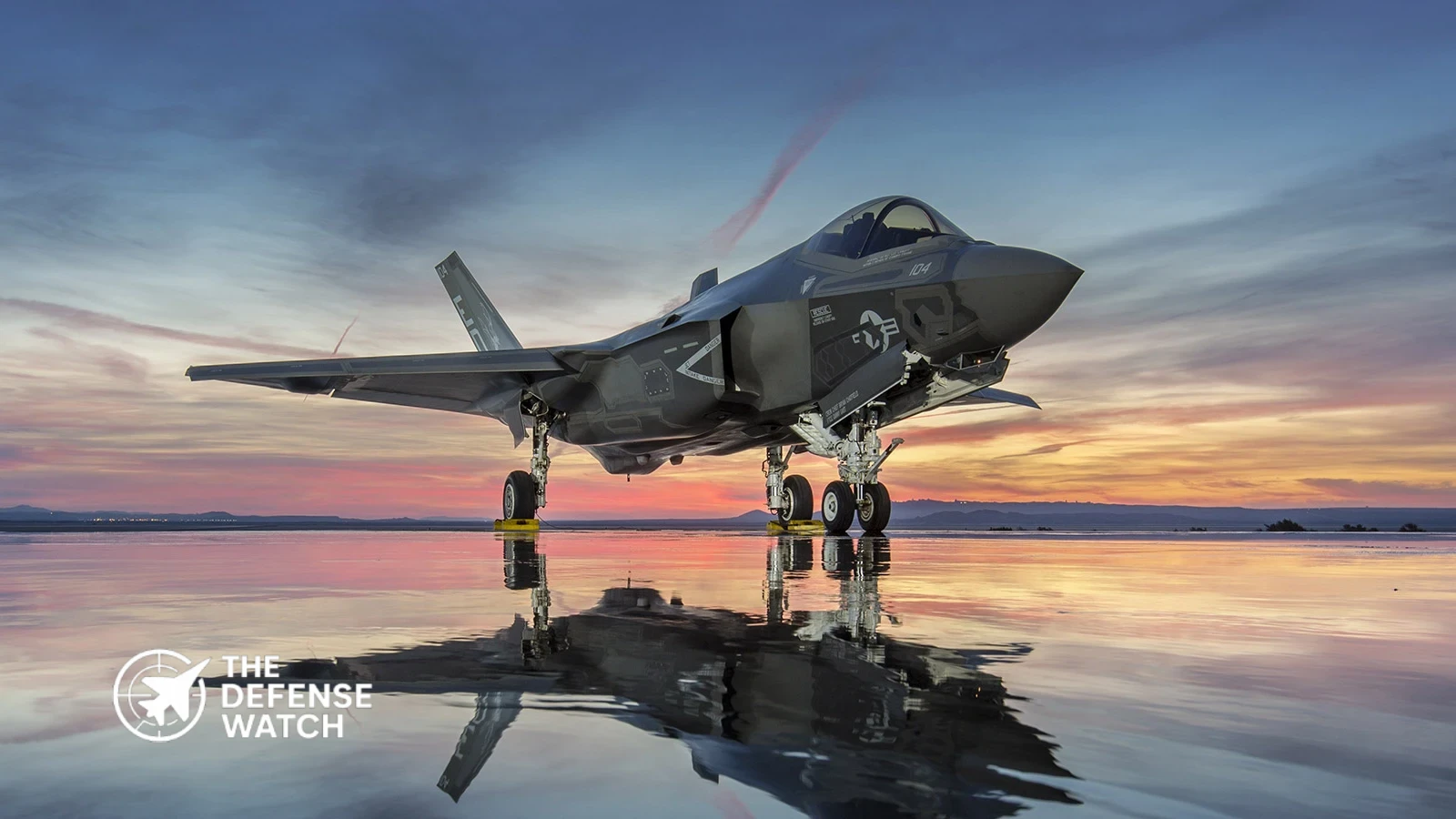
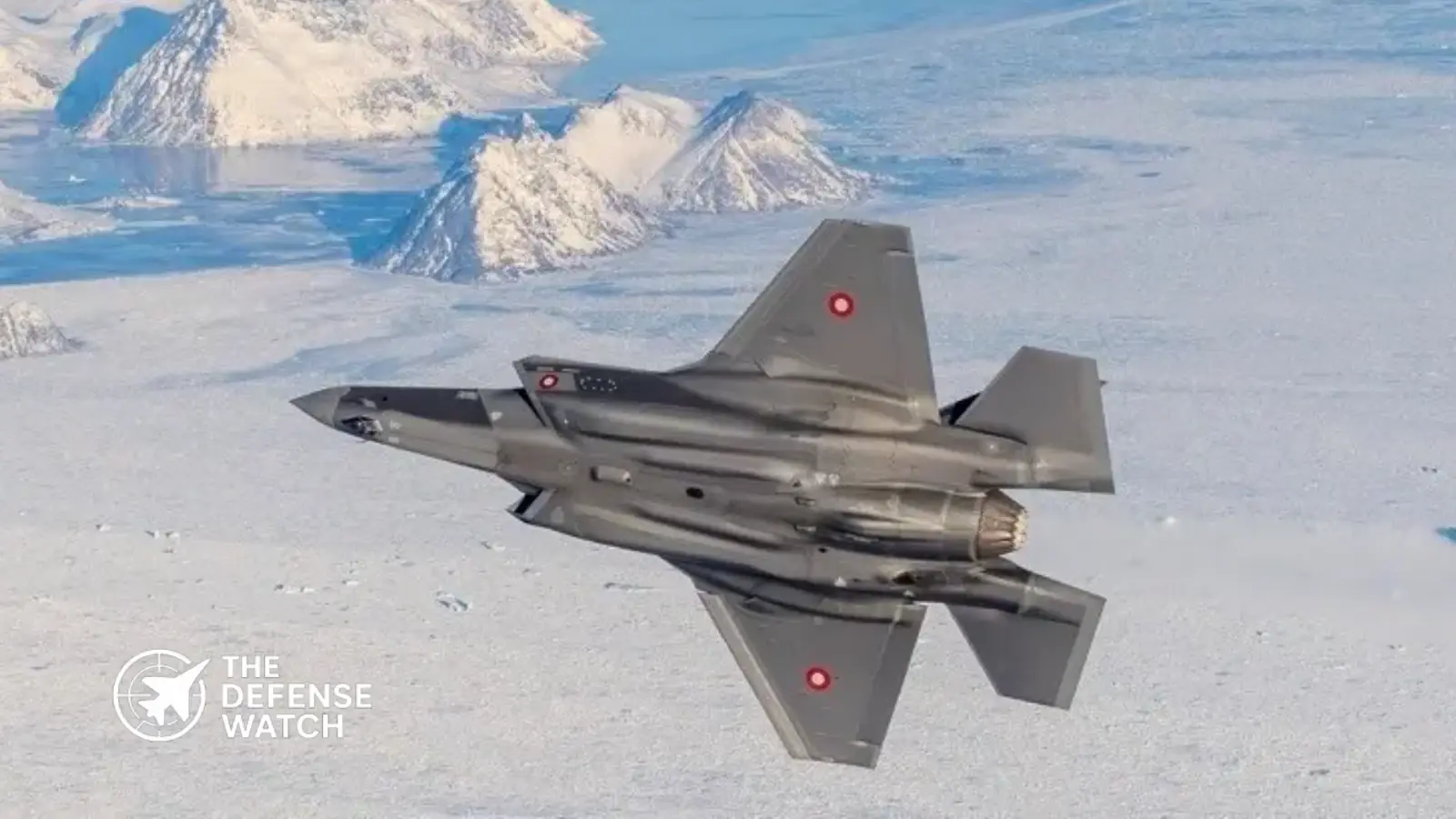
Denmark F35 costs have increased significantly, with new audit findings showing a multi billion dollar rise in the country’s fighter acquisition program led by Lockheed Martin and the F35 Lightning II fleet. The report, published by the Danish National Audit Office, highlights higher than expected expenses across procurement and long term sustainment, underscoring broader challenges in managing next generation combat aircraft programs.
The findings arrive as European NATO members continue expanding fifth generation capabilities while facing inflationary pressure on defense budgets and supply chain constraints.
Rising Costs in Denmark’s F35 Program
A national audit review in Denmark found that total expected costs for the F35 program have increased by roughly 2 point 2 billion dollars compared to earlier projections. The review was conducted by the Danish National Audit Office, which tracks public spending and defense procurement performance.
The increase is attributed to a combination of factors including updated lifecycle estimates, infrastructure requirements, and long term maintenance assumptions tied to operating a fifth generation stealth fighter fleet.
(adsbygoogle = window.adsbygoogle || []).push({});While the initial procurement phase remains on schedule, long term sustainment is emerging as the primary cost driver.
What Is Driving the Cost Increase
The audit identifies several structural pressures affecting the program:
First, sustainment costs for advanced stealth aircraft are higher than early planning models anticipated. The F35 fleet requires specialized maintenance facilities, secure software updates, and continuous systems integration.
Second, inflation in defense supply chains has increased the cost of parts, logistics, and training infrastructure.
Third, Denmark’s expansion of operational readiness requirements has led to additional investments in basing and support systems.
Together, these factors have created a wider gap between initial procurement estimates and full lifecycle cost projections.
(adsbygoogle = window.adsbygoogle || []).push({});Strategic Role of the F35 Fleet
Denmark is transitioning from legacy fourth generation aircraft to the F35 Lightning II platform as part of its NATO modernization commitments. The aircraft is designed for multirole operations including air superiority, strike missions, and intelligence collection.
The F35 program is central to Denmark’s long term defense posture, ensuring interoperability with allied NATO forces and enhancing participation in joint operations across Europe and the North Atlantic.
However, the rising cost profile highlights the broader challenge facing multiple NATO members that have adopted the platform, balancing capability gains against long term affordability.
(adsbygoogle = window.adsbygoogle || []).push({});Broader NATO Procurement Pressure
The Danish case reflects a wider trend across Europe and NATO allies investing in fifth generation airpower. Several countries have reported upward revisions in total program costs as fleets mature and sustainment phases expand.
Defense analysts note that while platforms like the F35 deliver advanced stealth and sensor fusion capabilities, they also introduce long term financial commitments that extend decades beyond initial purchase contracts.
This creates pressure on defense ministries to adjust long term budgeting strategies and procurement planning models.
(adsbygoogle = window.adsbygoogle || []).push({});Operational Impact for Denmark
Despite rising costs, Denmark continues to move forward with its F35 transition. The aircraft is expected to form the backbone of its combat air capability for decades, replacing older fighter platforms and integrating into NATO air policing and rapid response missions.
The audit does not indicate program cancellation risk, but it emphasizes the importance of clearer long term cost forecasting and improved budget transparency.
For planners, the key challenge is ensuring sustained funding for readiness, training, and upgrades without compromising other defense priorities.
Analysis
The findings come from an official audit authority, providing a high level of credibility and transparency in public defense spending analysis. The data aligns with broader international assessments of fifth generation aircraft lifecycle costs.
Programs like the F35 Lightning II continue to be central to Western airpower strategy, but also highlight the growing complexity of defense acquisition in an era of advanced systems integration and long term sustainment dependency.