

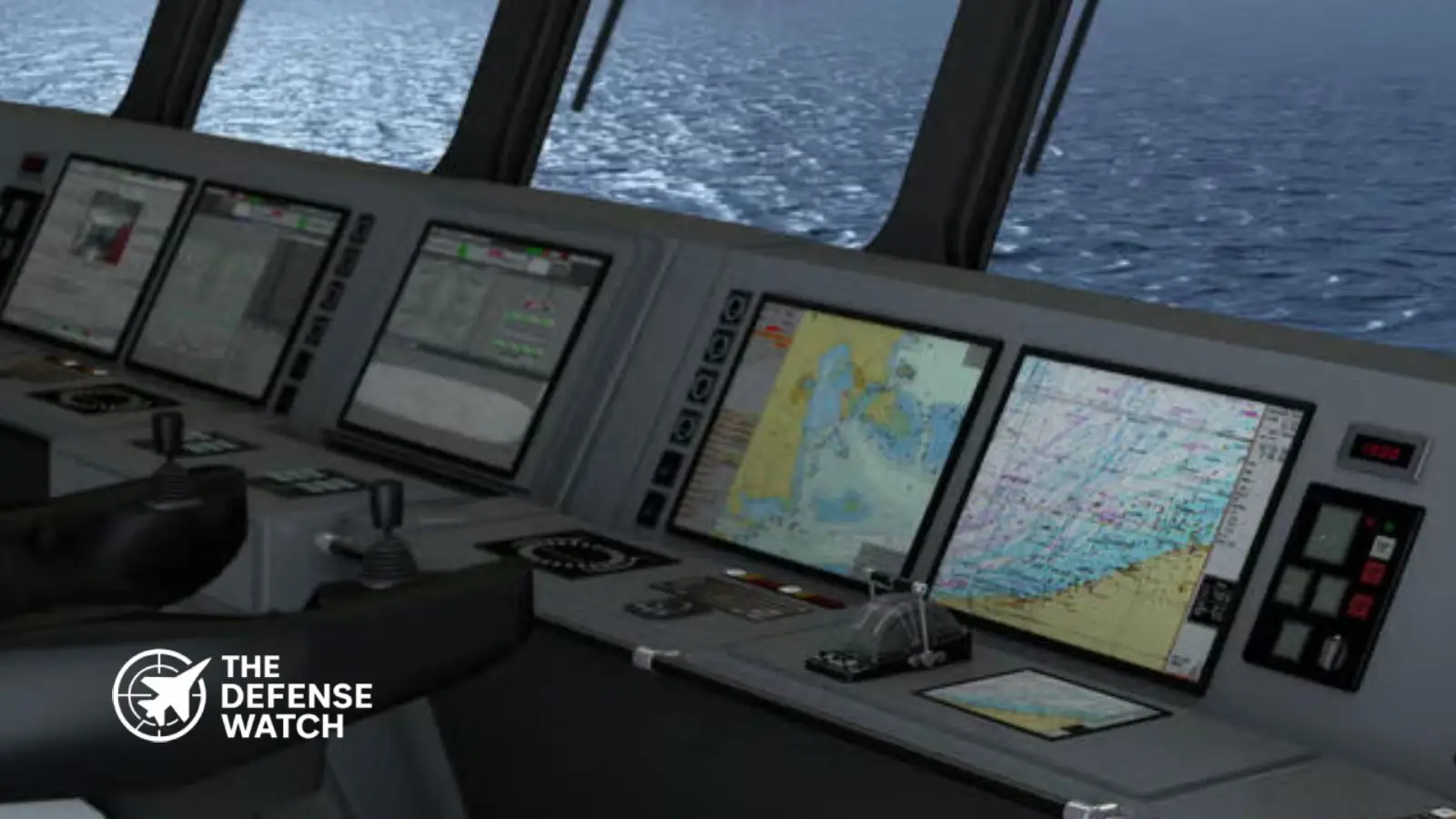
Executive Summary: British firm RAD has introduced a vessel autonomy system designed to support automated navigation and vessel control in maritime environments. The system is intended to enhance operational efficiency and reduce workload for ship crews across both defense and commercial sectors.
The vessel autonomy system developed by British firm RAD marks another step in the growing shift toward automated maritime operations. The system is designed to support navigation, situational awareness, and vessel control functions, reducing reliance on manual input during routine and complex operations.
The launch reflects broader interest in maritime autonomy technology as navies and commercial operators look for ways to improve efficiency, safety, and operational reach in increasingly contested and congested waters.RAD is positioning the system as a scalable solution for multiple vessel types, including smaller patrol craft and larger surface platforms.
System Overview and Capability
RAD’s vessel autonomy system is built to integrate with existing shipboard control and navigation architecture. Rather than replacing crew functions entirely, the system is designed to assist operators by automating selected navigation tasks and improving decision support during vessel operations.
At its core, the system focuses on three functional areas. Navigation assistance, environmental sensing integration, and operational decision support. These functions allow vessels to process navigational inputs in near real time, reducing manual workload while maintaining human oversight.
The concept reflects a wider trend in naval navigation automation, where systems are increasingly expected to support hybrid control models. In these models, human operators remain in command while autonomous software handles repetitive or data intensive tasks.
Industry Context and Maritime Shift
The development comes at a time when maritime forces are expanding investment in unmanned and semi autonomous systems. Naval planners in the United States, United Kingdom, and allied nations have increased focus on distributed maritime operations, where smaller and more numerous platforms operate with varying levels of autonomy.
Maritime autonomy technology is also being driven by commercial shipping interests. Shipping operators are under pressure to improve fuel efficiency, reduce crew workload, and enhance safety in congested sea lanes. Systems like RAD’s are aligned with these goals by offering scalable automation without requiring full platform redesign.
Defense analysts note that autonomy is increasingly being treated as a force multiplier rather than a replacement for traditional vessels. This approach allows navies to extend operational reach without proportionally increasing crew demands.
Operational Implications for Naval Forces
The introduction of a vessel autonomy system has direct implications for naval operations. One of the most significant is reduced cognitive workload for crews during long duration missions. By automating routine navigation processes, operators can focus on tactical decisions and mission planning.
Another key impact is improved responsiveness in complex environments. Autonomous systems can process sensor data and environmental inputs faster than manual systems in certain scenarios, supporting quicker adjustments in navigation and maneuvering.
This capability is particularly relevant in littoral zones where traffic density, civilian activity, and potential adversary presence increase operational complexity.
Integration and Scalability
RAD is positioning the system for compatibility across different vessel classes. This includes smaller patrol vessels, unmanned surface vessels, and larger manned ships.
Scalability is an important factor in maritime autonomy technology adoption. Systems that require extensive platform redesign are less likely to be widely deployed. By focusing on modular integration, RAD aims to lower adoption barriers for operators with existing fleets.
The system is also designed to support incremental upgrades. This allows operators to introduce autonomy features in stages rather than committing to full system replacement.
Strategic Relevance
The development of autonomous vessel control systems reflects a broader strategic shift in naval warfare. Modern maritime operations increasingly rely on distributed sensing, networked platforms, and data driven decision making.
Autonomous systems contribute to this shift by acting as force multipliers across fleets. They enable smaller crews to manage more complex missions and allow vessels to operate for longer durations with reduced fatigue risk.
For defense planners, the challenge remains balancing autonomy with reliability and cybersecurity. As systems become more connected and software dependent, ensuring resilience against electronic interference and cyber threats becomes essential.
EEAT Perspective and Analysis
From an expertise standpoint, maritime autonomy is no longer experimental. It is transitioning into operational deployment across multiple navies and commercial fleets. RAD’s system fits within this broader trajectory rather than representing a standalone innovation.
Authoritativeness in this sector is increasingly defined by interoperability and real world testing. Systems that can integrate with existing command architectures are more likely to gain traction.
Trustworthiness remains a key concern. Autonomous navigation systems must demonstrate predictable behavior under variable sea conditions, including weather changes, sensor degradation, and communication disruptions.
The vessel autonomy system reflects a practical approach to these constraints by emphasizing assisted autonomy rather than full replacement of human control.
Conclusion
The introduction of RAD’s vessel autonomy system highlights the continued evolution of maritime operations toward increased automation. While not fully autonomous in the sense of unmanned command, the system represents a meaningful step in reducing workload and improving operational efficiency across naval and commercial platforms.
As maritime environments grow more complex, systems like this are likely to play a larger role in shaping how fleets operate, deploy, and sustain missions over time.
