Executive Summary:
South Korea is seeking to acquire 70 AIM-120C-8 Advanced Medium Range Air-to-Air Missiles through a proposed $292 million U.S. Foreign Military Sales package. The procurement would enhance the Republic of Korea Air Force’s beyond-visual-range combat capability while reinforcing interoperability with U.S. forces amid evolving regional security challenges.
South Korea Seeks AIM-120C-8 Procurement To Strengthen Air Defense
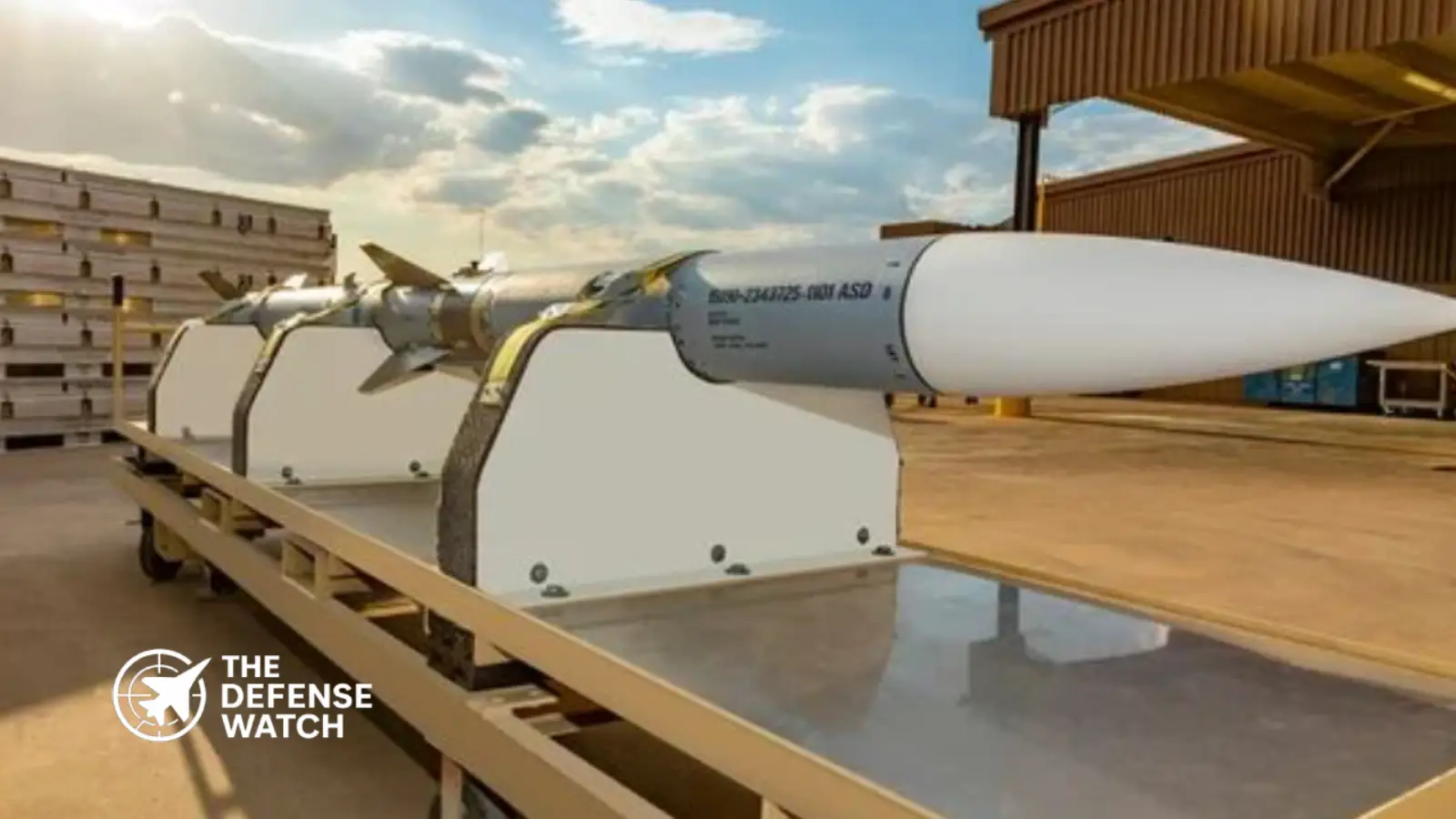
South Korea’s AIM-120C-8 procurement effort has advanced after the U.S. State Department approved a potential Foreign Military Sale (FMS) package valued at approximately $292 million. The proposed deal includes 70 AIM-120C-8 Advanced Medium Range Air-to-Air Missiles (AMRAAMs), two missile guidance sections, and associated support equipment. The package has been forwarded to the U.S. Congress for review.
According to the U.S. government notification, the acquisition also includes missile containers, control sections, spare parts, technical documentation, software, logistics support, and engineering services. RTX Corporation has been identified as the principal contractor for the program.
The proposed sale represents another step in South Korea’s long-term effort to modernize its air combat inventory and maintain readiness against increasingly sophisticated regional aerial threats.
What The AIM-120C-8 Brings To The Republic Of Korea Air Force
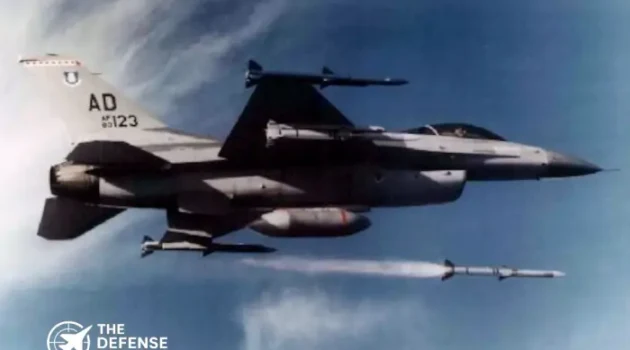
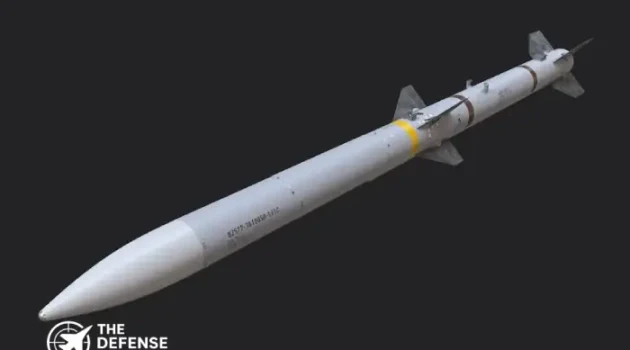
The AIM-120C-8 is the export variant of the AIM-120D AMRAAM, one of the most advanced beyond-visual-range air-to-air missiles in operational service today. Janes reports that the missile features an estimated range exceeding 160 kilometers and incorporates a Form, Fit, and Function Refresh (F3R) architecture that introduces upgraded processors and redesigned electronic components.
These improvements enhance missile processing capability, reliability, and long-term sustainment while preserving compatibility with existing launch platforms.
For the Republic of Korea Air Force (ROKAF), the AIM-120C-8 procurement could strengthen engagement capabilities against hostile aircraft before visual contact is established. The missile is compatible with several frontline South Korean combat aircraft, including the F-35A Lightning II, F-15K Slam Eagle, and upgraded KF-16 fighter fleets.
Strategic Significance Beyond The Missile Count
While the acquisition involves 70 missiles, the broader significance lies in sustaining South Korea’s qualitative air combat advantage.
The Korean Peninsula remains one of the world’s most heavily militarized regions. Beyond North Korea’s continued missile and military modernization programs, regional air forces across East Asia are fielding longer-range air-to-air weapons, advanced sensors, and fifth-generation combat aircraft.
Against that backdrop, modern air-to-air missile inventories are increasingly viewed as strategic assets rather than routine munitions stocks.
The proposed AIM-120C-8 procurement helps ensure that South Korean fighter aircraft can fully exploit the capabilities of advanced airborne sensors and networked battlefield systems. In modern air warfare, missile performance, sensor integration, and data sharing are often as important as aircraft performance itself.
The deal also reinforces interoperability between South Korean and U.S. forces, a key objective repeatedly highlighted by Washington in major defense cooperation programs. The U.S. State Department stated that the sale would improve South Korea’s ability to meet current and future threats while enhancing regional deterrence and interoperability with U.S. military forces.
Part Of A Broader Defense Modernization Strategy
The AIM-120C-8 procurement aligns with South Korea’s wider military modernization agenda, which includes investments in advanced fighters, missile defense systems, indigenous aerospace programs, and next-generation command-and-control networks.
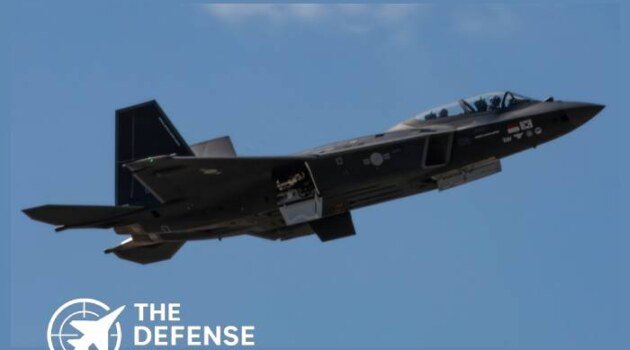
Seoul has simultaneously expanded development of the KF-21 Boramae fighter program while continuing to strengthen its F-35 fleet and integrated air defense architecture.
From a strategic perspective, acquiring additional AMRAAM inventories provides a relatively fast and cost-effective method of increasing combat readiness compared with major platform acquisitions that can take years to field.
Importantly, U.S. officials indicated that the proposed sale would not alter the fundamental military balance in the Indo-Pacific region, a standard assessment frequently included in Foreign Military Sales notifications.
Outlook
Congressional review remains the next major step before the AIM-120C-8 procurement can move forward under the Foreign Military Sales process. If finalized, the acquisition would provide South Korea with one of the most capable export versions of the AMRAAM family and further strengthen the country’s air defense posture.
As regional militaries continue to invest heavily in advanced fighter aircraft and long-range air combat systems, missile inventories are becoming an increasingly important measure of operational readiness. South Korea’s pursuit of additional AIM-120C-8 missiles reflects that reality and highlights the growing emphasis on maintaining air superiority in the Indo-Pacific security environment.