European Defense Sector Challenges Intensify Amid Rising Demand
The European defense sector challenges are becoming increasingly visible as governments attempt to expand military capabilities in response to shifting security dynamics. While defense budgets across Europe have risen sharply since 2022, industrial capacity, coordination, and supply chains have struggled to keep pace.
- Europe faces major defense production bottlenecks despite rising military spending since 2022.
- Fragmented procurement across EU states limits economies of scale and slows modernization.
- Supply chain constraints, especially in munitions and electronics, remain a critical vulnerability.
- Workforce shortages and regulatory delays are hindering rapid industrial expansion.
- Strategic dependence on U.S. systems continues to shape Europe’s defense posture.
According to data from NATO and the European Defence Agency, many European nations are still working to translate financial commitments into deployable capability. The result is a widening gap between political intent and operational readiness.
Fragmentation Undermines Efficiency
One of the most persistent European defense sector challenges is fragmentation across national industries. Unlike the United States, where procurement is largely centralized, Europe operates through a patchwork of national programs and competing industrial champions.
This leads to duplication of platforms, inconsistent standards, and reduced economies of scale. For example, Europe fields multiple main battle tank designs, fighter aircraft programs, and naval platforms, often developed in parallel rather than jointly.
The European Commission has acknowledged this issue, noting that collaborative procurement accounts for a relatively small share of total defense spending. Efforts such as the European Defence Fund aim to address this, but progress remains gradual.
Analysis:
Fragmentation is not just an economic inefficiency. It directly affects interoperability within NATO. In high-intensity conflict scenarios, differences in equipment, logistics, and maintenance systems can complicate joint operations, slowing response times and increasing costs.
Production Bottlenecks Limit Output
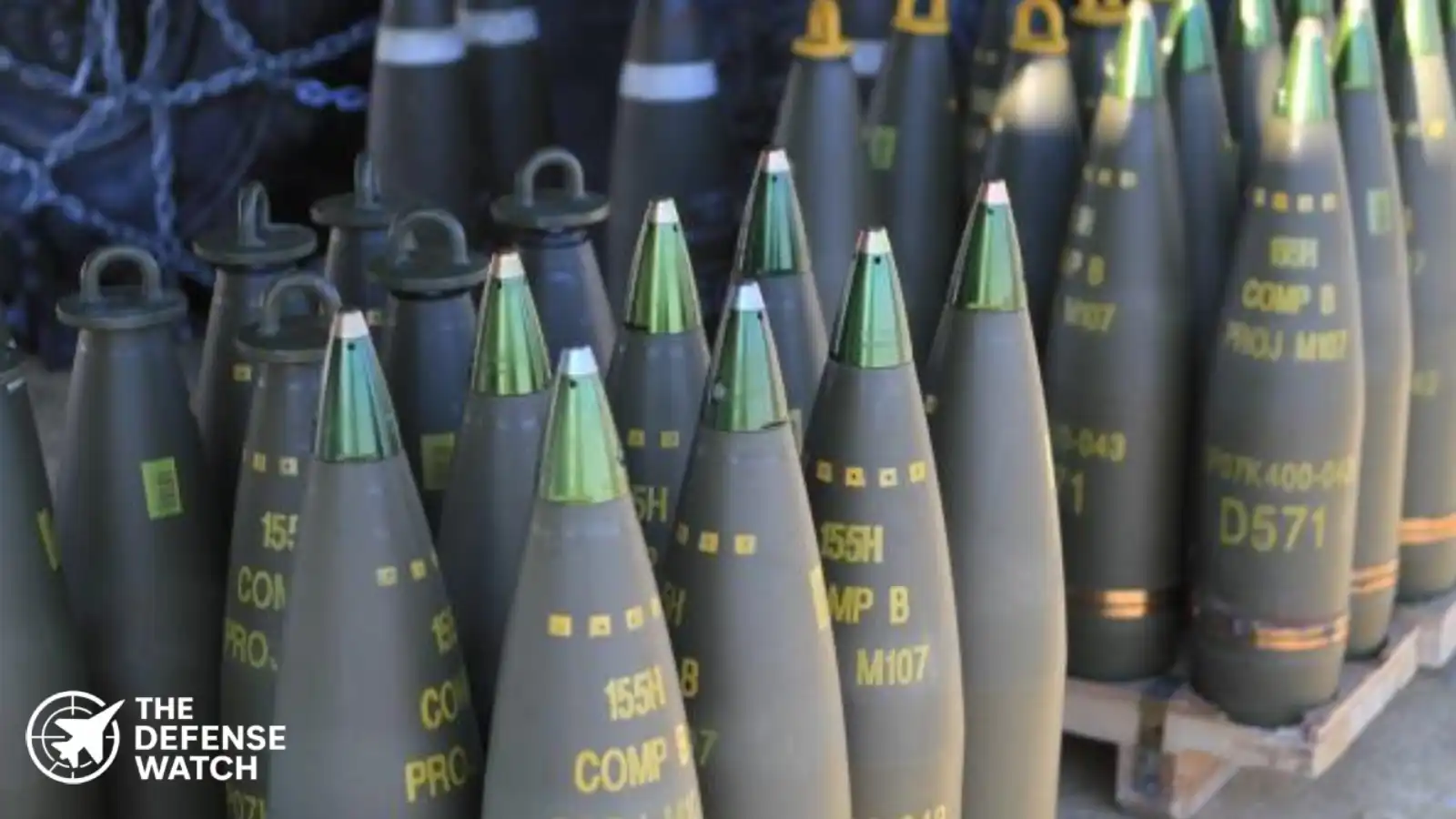
A second major factor shaping European defense sector challenges is limited industrial production capacity. The war in Ukraine exposed critical shortages in artillery shells, air defense systems, and spare parts.
Despite increased orders, scaling production has proven difficult. Defense manufacturers face long lead times for expanding facilities, securing raw materials, and hiring skilled labor.
For instance, European ammunition production has struggled to meet demand targets set by the European Union. Reports from industry groups indicate that output increases are constrained by both infrastructure and supply chain limitations.
Analysis:
This bottleneck highlights a structural issue. European defense industries were optimized for peacetime efficiency, not sustained high-volume conflict. Reconfiguring production lines for wartime output requires long-term investment and policy consistency, which cannot be achieved quickly.
Supply Chain Vulnerabilities Persist
Supply chain disruptions remain a central element of European defense sector challenges. Critical components such as semiconductors, explosives, and specialized metals often depend on global suppliers.
The COVID-19 pandemic and subsequent geopolitical tensions exposed these vulnerabilities. Defense firms now face delays in sourcing key inputs, which slows production timelines across multiple programs.
In some cases, reliance on non-European suppliers raises strategic concerns. Governments are increasingly focused on reshoring or diversifying supply chains, but such transitions are complex and costly.
Analysis:
Supply chain resilience is becoming as important as platform capability. Without secure access to components, even advanced systems cannot be produced or maintained at scale. This shifts defense planning toward industrial security as a core priority.
Workforce and Skills Gap
Another pressing issue within European defense sector challenges is the shortage of skilled labor. Expanding production requires engineers, technicians, and specialized manufacturing personnel, many of whom are in short supply.
Industry reports indicate that aging workforces and limited recruitment pipelines are slowing expansion efforts. Training new workers takes time, further delaying production increases.
Governments and companies are investing in workforce development programs, but results will take years to materialize.
Analysis:
The skills gap reflects a broader trend across advanced manufacturing sectors. Defense industries compete with commercial technology firms for talent, often facing disadvantages in salary and flexibility. Addressing this imbalance is essential for long-term growth.
Regulatory and Procurement Delays
Complex regulatory frameworks and lengthy procurement processes also contribute to European defense sector challenges. Approval timelines for new programs can stretch over several years, delaying deployment.
While oversight is necessary, excessive bureaucracy can hinder responsiveness, particularly in rapidly evolving threat environments.
Recent initiatives aim to streamline procurement and accelerate decision-making, but implementation varies across member states.
Analysis:
Speed is increasingly a strategic factor. Adversaries capable of rapid innovation and deployment can exploit delays in Western procurement systems. Reforming these processes is critical to maintaining technological and operational parity.
Strategic Dependence on External Suppliers
Despite efforts to strengthen autonomy, Europe remains reliant on external partners, particularly the United States, for key defense capabilities. This includes advanced missile systems, intelligence assets, and certain aircraft platforms.
This dependence shapes procurement decisions and limits strategic flexibility. While transatlantic cooperation remains strong, European policymakers continue to debate the balance between autonomy and alliance integration.
Analysis:
Strategic dependence is not inherently negative, but it introduces risk in scenarios where priorities diverge. Building indigenous capabilities is therefore seen as both an economic and security imperative.
Outlook: Structural Reform Required
The European defense sector challenges are unlikely to be resolved in the short term. Addressing fragmentation, scaling production, securing supply chains, and closing skills gaps will require sustained political commitment and coordinated policy action.
Efforts at the EU and NATO levels are beginning to align priorities, but implementation remains uneven. The coming years will test whether Europe can translate increased spending into tangible military capability.