• Home
  • About
  • Defense Systems
  • Manufacturer
  • Comparisons
  • Compare 
  • Tools
TheDefenseWatch.com
  • Aerospace & Aviation
  • Military & Ordnance
  • Naval & Maritime
  • Cyber & Space Defense
  • Policy & Strategy
  • Global News
  • Tools Library
    • Smart Calculator
    • Drone Flight Time Calculator
    • Drone Range Calculator
    • Counter-Drone Jammer Effective Range Calculator
    • Counter-Battery Radar Detection Calculator
    • Artillery Fire Correction Calculator
    • Thermal Camera Detection Range Calculator
    • Missile Range & Time-of-Flight Calculator
    • Radar Detection Range Calculator
    • FPV Strike Drone Payload vs Range Calculator
    • Loitering Munition Endurance Calculator
    • Sniper Ballistic Drop & Windage Calculator
    • Bullet Drop Calculator
    • U.S. Army Combat Fitness Test (ACFT) Calculator
    • Military Pension Calculator
    • Military Retirement Calculator
    • Military Pension Calculator
    • Large Number Calculator
Font ResizerAa

TheDefenseWatch.com

The Defense Watch | U.S. & Global Defense News, Analysis & Military Updates

Search
  • Home
  • About
  • Defense Systems
  • Manufacturer
  • Comparisons
  • Compare 
  • Tools

Stay Updated

Get the latest update

Subscribe

Explore

  • Drone
  • Fighter Jets & Military Aircraft
  • Hypersonic Weapons
  • Aircraft Carriers
  • Strategic History & Missions
  • Tools Library
Home » Australia Reinforces UAE Air Defense With AIM-120 AMRAAM Missiles To Counter Iranian Drone Threats
Asian Defense & Security

Australia Reinforces UAE Air Defense With AIM-120 AMRAAM Missiles To Counter Iranian Drone Threats

Kaleem Sheikh | Regional Defense Correspondent
Last updated: September 9, 2026 4:40 pm
Kaleem Sheikh | Regional Defense Correspondent
Share
8 Min Read
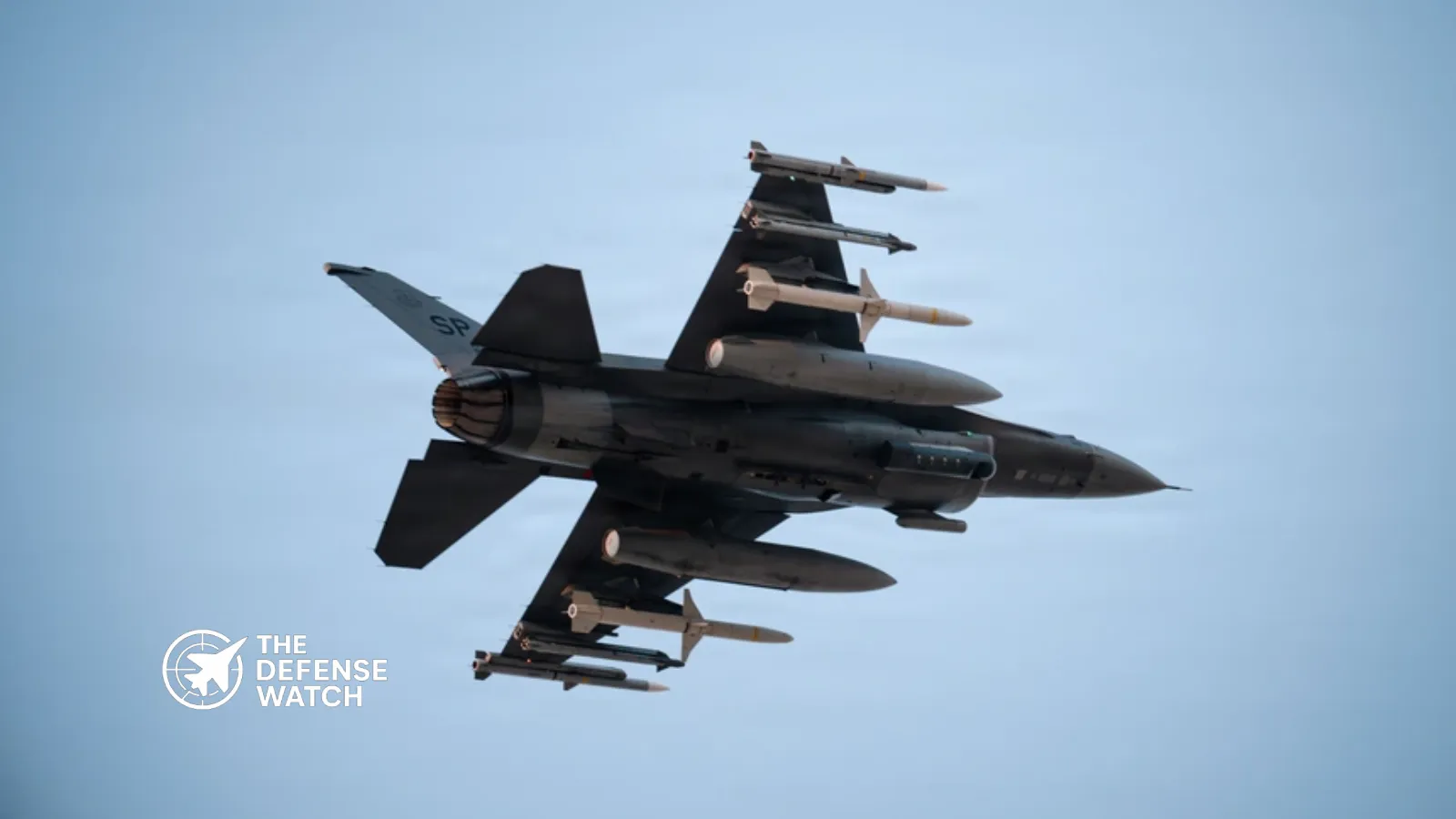
AIM-120 AMRAAM missiles
Image: dvidshub
SHARE
KEY FACTS AT A GLANCE
  • Australia has provided AIM-120 AMRAAM missiles to strengthen the United Arab Emirates air defense against Iranian drones and aerial threats.
  • The AIM-120 AMRAAM is an advanced active radar-guided air-to-air missile widely used by Western fighter aircraft and integrated air defense systems.
  • The move reflects growing international concern about Iran’s expanding drone and missile capabilities across the Middle East.
  • UAE operates modern Western fighter fleets including F-16 and Mirage 2000 aircraft capable of employing AMRAAM missiles.
  • The transfer strengthens regional air defense networks aimed at countering unmanned aerial threats.

Australia Supplies AIM-120 AMRAAM Missiles To Strengthen UAE Air Defense

The transfer of AIM-120 AMRAAM missiles from Australia to the United Arab Emirates marks a new step in strengthening UAE air defense against Iranian drones and other aerial threats. The move reflects growing concern among regional and Western partners about the increasing use of unmanned systems in Middle Eastern conflicts.

Contents
  • Australia Supplies AIM-120 AMRAAM Missiles To Strengthen UAE Air Defense
  • The Big Picture
  • What’s Happening
  • Why It Matters
  • Strategic Implications
  • Competitor View
  • Capability Gap
  • What To Watch Next
  • The Bottom Line
(adsbygoogle = window.adsbygoogle || []).push({});

Australia’s decision highlights expanding defense cooperation between Western partners and Gulf states seeking to improve their ability to intercept drones, cruise missiles, and hostile aircraft.

The Big Picture

Drone warfare has become a defining feature of modern conflict across the Middle East. Iran and its regional partners have invested heavily in low cost unmanned aerial systems capable of conducting reconnaissance and long range strike missions.

These drones have already appeared in multiple conflicts and security incidents involving Gulf infrastructure, shipping lanes, and military facilities. Countries in the region are therefore expanding layered air defense systems capable of detecting and destroying small, fast moving targets.

- Advertisement -
  • AIM-120 AMRAAM Missile

    AIM-120 AMRAAM Missile

    • Guidance System: Active Radar Homing, Inertial Navigation
    • Maximum Speed: Mach 4+
    • Launch Compatibility: F-15, F-16, F/A-18, F-22, F-35
    • Warhead Technology: High-Explosive Fragmentation
    • View Details →
    8.0

    Missiles such as the AIM-120 AMRAAM play a critical role in this evolving defensive architecture. Originally developed for air to air combat, the missile has also been adapted for ground based air defense systems such as NASAMS.

    By supplying additional missiles to the UAE, Australia contributes to a broader effort by Western aligned nations to strengthen regional deterrence against drone and missile threats.

    What’s Happening

    Australia has reportedly supplied AIM-120 Advanced Medium Range Air-to-Air Missiles (AMRAAM) to support the UAE air defense system as regional tensions involving Iran continue to rise.

    The missile is one of the most widely deployed air-to-air weapons in Western inventories. Developed by the United States and produced by Raytheon, it uses active radar guidance to engage targets beyond visual range.

    AMRAAM missiles can intercept:

    • fighter aircraft
    • cruise missiles
    • unmanned aerial vehicles
    • other aerial threats

    The UAE operates several advanced fighter aircraft capable of employing the missile, including its fleet of F-16 Block 60 fighters and Mirage 2000 aircraft.

    The additional missiles strengthen the UAE’s ability to counter drone swarms and other aerial attacks that may originate from regional adversaries.

    Why It Matters

    The supply of AIM-120 AMRAAM missiles highlights how air defense priorities are shifting as drones become more common on the battlefield.

    • AIM-120 AMRAAM Missile

      AIM-120 AMRAAM Missile

      • Guidance System: Active Radar Homing, Inertial Navigation
      • Maximum Speed: Mach 4+
      • Launch Compatibility: F-15, F-16, F/A-18, F-22, F-35
      • Warhead Technology: High-Explosive Fragmentation
      • View Details →
      8.0

      Traditional air defense networks focused heavily on high performance aircraft and ballistic missiles. However, modern threats increasingly involve smaller systems such as loitering munitions and one way attack drones.

      (adsbygoogle = window.adsbygoogle || []).push({});

      These platforms often fly at low altitude and can appear in large numbers, making interception more difficult.

      Missiles like the AMRAAM offer several advantages in this environment:

      • high speed interception
      • advanced radar guidance
      • compatibility with multiple launch platforms
      • proven combat reliability

      For countries such as the UAE, expanding missile inventories is essential to maintain sustained air defense operations during prolonged security crises.

      Strategic Implications

      The transfer of missiles reflects a wider international effort to strengthen Gulf security against Iran’s expanding drone and missile arsenal.

      Iran has developed a diverse portfolio of unmanned systems ranging from reconnaissance drones to long range strike platforms capable of carrying explosive payloads. These systems have been exported or shared with regional partners and proxy groups.

      Improving the UAE air defense system helps close potential vulnerabilities in protecting critical infrastructure such as:

      • energy facilities
      • military bases
      • ports and shipping routes
      • major urban centers

      Enhanced air defense coverage also contributes to broader regional deterrence by raising the cost of any attempted drone or missile attacks.

      Competitor View

      From Tehran’s perspective, the reinforcement of Gulf air defense systems fits into a broader pattern of Western aligned states strengthening military cooperation against Iranian capabilities.

      • AIM-120 AMRAAM Missile

        AIM-120 AMRAAM Missile

        • Guidance System: Active Radar Homing, Inertial Navigation
        • Maximum Speed: Mach 4+
        • Launch Compatibility: F-15, F-16, F/A-18, F-22, F-35
        • Warhead Technology: High-Explosive Fragmentation
        • View Details →
        8.0

        Iran has repeatedly emphasized the strategic value of its drone and missile forces as asymmetric tools that can challenge technologically superior adversaries.

        Expanded missile inventories among Gulf states may therefore encourage Iran to further invest in:

        • larger drone swarms
        • stealthier unmanned systems
        • longer range strike capabilities
        • electronic warfare measures

        This dynamic reflects the continuing competition between offensive drone capabilities and defensive interception technologies.

        Capability Gap

        The deployment of additional AIM-120 AMRAAM missiles addresses a key operational challenge facing many modern air defense systems: the ability to counter large numbers of low cost aerial threats.

        Drone attacks often rely on saturation tactics designed to overwhelm defensive systems. Each interception consumes a missile, meaning defenders must maintain significant stockpiles to sustain operations.

        (adsbygoogle = window.adsbygoogle || []).push({});

        While AMRAAM provides a reliable interception capability, it remains a relatively expensive weapon compared with many drones. This cost imbalance has driven many countries to explore complementary defenses such as:

        • directed energy systems
        • short range interceptors
        • electronic warfare tools

        Despite these limitations, AMRAAM remains one of the most trusted missile systems available for high probability aerial interception.

        What To Watch Next

        Several developments may shape how this capability evolves in the coming years.

        First, Gulf states are likely to continue expanding integrated air defense networks linking fighter aircraft, ground based missile systems, and early warning radars.

        • AIM-120 AMRAAM Missile

          AIM-120 AMRAAM Missile

          • Guidance System: Active Radar Homing, Inertial Navigation
          • Maximum Speed: Mach 4+
          • Launch Compatibility: F-15, F-16, F/A-18, F-22, F-35
          • Warhead Technology: High-Explosive Fragmentation
          • View Details →
          8.0

          Second, drone detection and counter drone technologies will receive increasing investment as unmanned threats grow more sophisticated.

          Finally, deeper defense cooperation between Western countries and Gulf partners may result in additional missile transfers, training programs, and joint exercises focused on air defense readiness.

          The Bottom Line

          Australia’s delivery of AIM-120 AMRAAM missiles strengthens the UAE air defense system and underscores the growing importance of counter drone capabilities in Middle Eastern security.

TAGGED:AMRAAMAustralia defense policyIranian dronesMissile DefenseUAE Air Defense
Share This Article
Facebook Copy Link Print
ByKaleem Sheikh | Regional Defense Correspondent
Follow:
Kaleem Sheikh is a regional defense correspondent at TheDefenseWatch.com covering defense and security developments across Asia and the Middle East, including military operations, procurement, and regional security issues.
Leave a Comment

Leave a Reply Cancel reply

Your email address will not be published. Required fields are marked *

Latest Defense Systems

  • YU-20 Tanker YU-20 Tanker
  • China KJ-500 Aircraft China KJ-500 Aircraft
  • SPY-6 Radar SPY-6 Radar
  • Boeing VC-25B Presidential Aircraft Boeing VC-25B Presidential Aircraft
  • SM-3 Block IB Missile SM-3 Block IB Missile
  • USS Abraham Lincoln Aircraft Carrier USS Abraham Lincoln Aircraft Carrier
  • M142 HIMARS M142 HIMARS
  • Terrex S5 Infantry Vehicle Terrex S5 Infantry Vehicle
  • A-29 Super Tucano Aircraft A-29 Super Tucano Aircraft

Recent Compares

  • Tejas vs Gripen: Key Differences and Capabilities Tejas vs Gripen: Key Differences and Capabilities View Comparison →
  • Tejas vs MiG-21 Bison: How India Replaced Its Iconic Supersonic Fighter Tejas vs MiG-21 Bison: How India Replaced Its Iconic Supersonic Fighter View Comparison →
  • F-35 vs F-16: Stealth, Sensors and Combat Roles F-35 vs F-16: Stealth, Sensors and Combat Roles View Comparison →
  • Tejas Fighter Jet vs F-16 Fighting Falcon: Capability Compared Tejas Fighter Jet vs F-16 Fighting Falcon: Capability Compared View Comparison →
  • Rafale Fighter Jet vs F-16 Fighting Falcon : Which Fighter Has the Edge? Rafale Fighter Jet vs F-16 Fighting Falcon : Which Fighter Has the Edge? View Comparison →
  • Su-57 Fighter Jet vs J-20 Fighter Jet: Stealth and Air Combat Compared Su-57 Fighter Jet vs J-20 Fighter Jet: Stealth and Air Combat Compared View Comparison →
  • Mirage 2000 vs Tejas Mk1A: Legacy Combat Power vs Indigenous Modernization Mirage 2000 vs Tejas Mk1A: Legacy Combat Power vs Indigenous Modernization View Comparison →
  • Rafale Fighter Jet vs F-22 Raptor: Which Air Dominance Fighter Has the Edge? Rafale Fighter Jet vs F-22 Raptor: Which Air Dominance Fighter Has the Edge? View Comparison →
  • Tejas Fighter Jet vs. Rafale Fighter Jet: India’s Indigenous Fighter Meets France’s Proven Multirole Combat Aircraft Tejas Fighter Jet vs. Rafale Fighter Jet: India’s Indigenous Fighter Meets France’s Proven Multirole Combat Aircraft View Comparison →
  • F-22 Raptor vs. F-35 Joint Strike Fighter: Which Fifth Generation Fighter Has the Edge? F-22 Raptor vs. F-35 Joint Strike Fighter: Which Fifth Generation Fighter Has the Edge? View Comparison →

Recent Posts

  • L3Harris Wins $55 Million U.S. Army Contract for NOVA Night-Vision Goggles
  • Lockheed Martin Outlines Layered Air Defense Plans, Debuts PAC-3 Edge
  • China-Egypt Air Drills Highlight J-16, KJ-500 Teaming Against Rafale Fighters
  • China’s Airshow China 2026 to Feature New PLA Aircraft and Naval Equipment
  • Raytheon Tests Faster Coyote Interceptor With New Rocket Motor

You Might Also Like

THAAD interceptor production increase
Military & OrdnanceMissile Defense Systems

Lockheed Martin, U.S. Department of War Agree to Quadruple THAAD Interceptor Production

September 7, 2026
U.S. Army soldiers and Lockheed Martin NGC2 prototype operators conduct cross-domain sensor-to-shooter integration during Balikatan 2026 in the Indo-Pacific theater.
Asian Defense & Security

Lockheed Martin Deploys NGC2 Prototype To Compress Sensor-To-Shooter Timelines Across The Indo-Pacific

September 17, 2026
110kN aero engine
Asian Defense & Security

India’s Defense Industry Advances Independent 110kN Aero Engine Mission

September 8, 2026
Standing NATO Maritime Group 1
Asian Defense & Security

Pakistan’s Combat-Tested Jets Drive Global Weapons Sales Talks

January 20, 2026

Logo

Copyright © 2026 TheDefenseWatch.com

Helpful Links

  • Home
  • About Us
  • Privacy Policy
  • Terms of Use / Disclaimer
  • U.S. Privacy Notice – CCPA Compliance

Defense Systems

  • Defense Systems
  • Comparisons 
  • Manufacturer
  • Tactical Calculators

Popuplar

Which 5 Air Forces Possess the Costliest Fighter Jet Fleets in the World
Evolving Strategic Value: Carrier Strike Groups in the Indo-Pacific’s Future Security Architecture
Autonomous Weapon Systems Spark U.S. Ethics Debate Amid Rapid Military AI Integration

We report on developments involving military forces, governments, defense companies, research organizations, and security institutions around the world. 

Welcome Back!

Sign in to your account

Username or Email Address
Password

Lost your password?