Executive Summary:
Anduril Industries has announced that its Fury FQ-44 autonomous drone fighter has entered production, marking an important milestone in the U.S. Air Force’s Collaborative Combat Aircraft (CCA) initiative. The move demonstrates growing momentum behind autonomous air combat systems designed to operate alongside crewed fighters while increasing combat capacity and reducing operational risk.
Anduril Fury FQ-44 Drone Fighter Enters Production
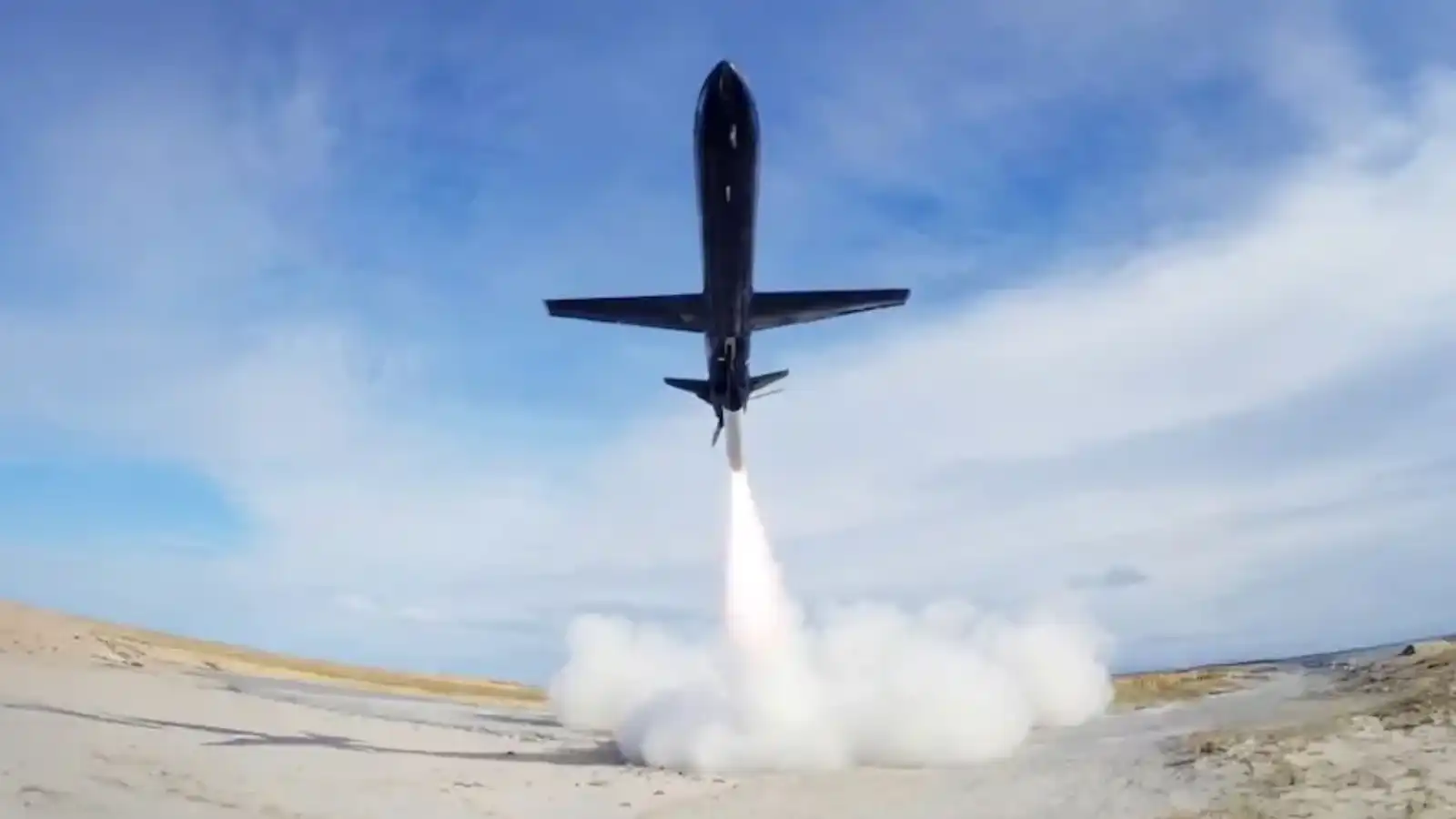
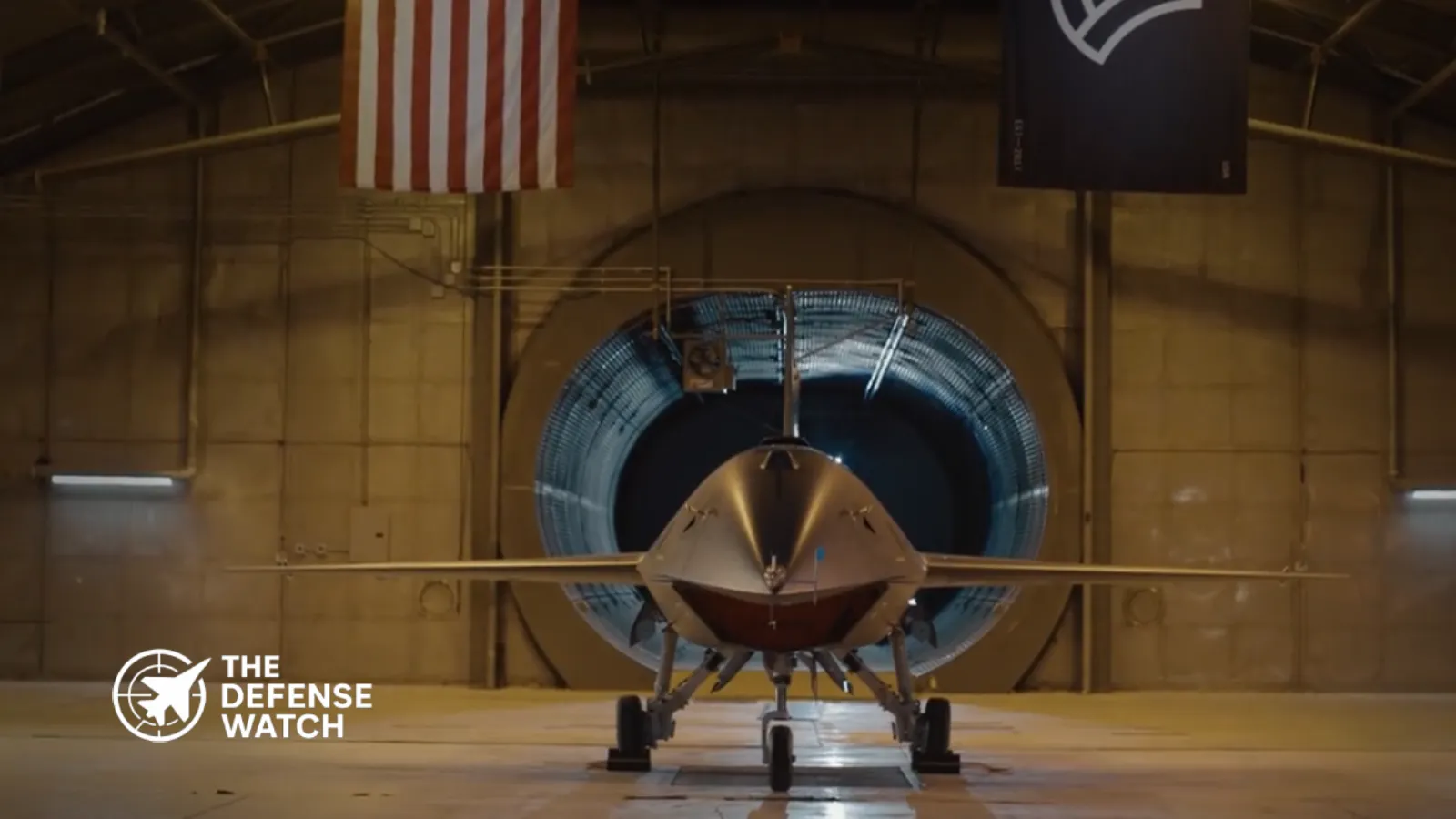
Anduril’s Fury FQ-44 drone fighter has officially moved into production, representing one of the most significant developments in the U.S. Air Force’s Collaborative Combat Aircraft (CCA) program. The announcement, made by the company and reported by multiple defense publications, signals that autonomous combat aircraft are transitioning from prototype demonstrations toward operational manufacturing.
- Anduril Fury FQ-44 Drone Fighter Enters Production
- Fury Is Designed For The Collaborative Combat Aircraft Mission
- Production Marks A Shift From Demonstration To Manufacturing
- Key Characteristics Of The Fury FQ-44
- Why Collaborative Combat Aircraft Matter
- Analysis: Production Is The Real Strategic Milestone
- Expanding The U.S. Defense Industrial Base
- Operational Implications
- Outlook
The production milestone comes as the U.S. Department of the Air Force accelerates efforts to field autonomous aircraft capable of flying alongside fifth and sixth generation fighters. Rather than replacing human pilots, these aircraft are intended to expand combat mass, improve survivability, and perform high risk missions without exposing aircrews to unnecessary danger.
Fury Is Designed For The Collaborative Combat Aircraft Mission
The Fury FQ-44 was developed specifically to meet the operational requirements of the Air Force’s Collaborative Combat Aircraft concept.
Unlike traditional unmanned aerial vehicles focused on surveillance or precision strikes, Fury is designed as an autonomous tactical aircraft capable of operating as a loyal wingman alongside crewed fighters including the F-35A Lightning II and the future Next Generation Air Dominance (NGAD) platform.
The aircraft combines high performance flight characteristics with advanced onboard autonomy, allowing it to execute assigned missions while remaining under human command and supervision.
According to Anduril, the aircraft has been engineered for rapid manufacturing, lower operating costs, and scalable production, enabling the Air Force to acquire larger autonomous fleets than would be economically feasible with traditional fighter aircraft.
Production Marks A Shift From Demonstration To Manufacturing
Moving into production represents more than a manufacturing milestone.
It demonstrates that Anduril has progressed beyond design validation and prototype testing toward establishing an industrial production capability capable of supporting future government procurement.
The company has emphasized digital engineering, software defined architecture, and advanced manufacturing techniques to reduce development timelines while enabling continuous software upgrades throughout the aircraft’s operational life.
This approach mirrors broader Department of Defense efforts to modernize defense acquisition through rapid development cycles rather than traditional decade long procurement programs.
Key Characteristics Of The Fury FQ-44
Capability Details Manufacturer Anduril Industries Aircraft Type Autonomous Collaborative Combat Aircraft Primary Role Loyal wingman and autonomous combat aircraft Mission Set Air to air support, strike support, electronic warfare, ISR Program U.S. Air Force Collaborative Combat Aircraft Design Philosophy Software defined, modular, scalable production Why Collaborative Combat Aircraft Matter
The Collaborative Combat Aircraft initiative represents one of the Air Force’s highest modernization priorities.
Future air operations are expected to involve highly contested environments protected by integrated air defense systems, advanced electronic warfare, and long range missile threats.
Instead of relying solely on expensive crewed fighters, commanders envision formations where multiple autonomous aircraft accompany each pilot.
These drones can perform missions including:
- Forward reconnaissance
- Electronic attack
- Decoy operations
- Missile carrying
- Air defense suppression
- Precision strike support
Because autonomous aircraft are expected to cost significantly less than advanced fighters, larger fleets can be deployed to increase combat mass while preserving high value crewed aircraft.
Analysis: Production Is The Real Strategic Milestone
While prototype flights often attract headlines, manufacturing readiness may ultimately prove more important.
Numerous autonomous aircraft programs have demonstrated promising technology, but relatively few have progressed into production capable of supporting sustained military procurement.
The Fury’s transition toward manufacturing indicates confidence in both its technical maturity and Anduril’s industrial capacity.
For the Department of the Air Force, this reduces one of the largest risks facing emerging autonomous programs: the gap between successful demonstrations and large scale fielding.
Equally important is the company’s emphasis on software defined development. Unlike conventional aircraft that receive major capability upgrades every several years, software centric autonomous platforms can potentially receive more frequent updates, allowing them to adapt more rapidly to evolving threats.
Expanding The U.S. Defense Industrial Base
The production announcement also reflects broader Pentagon efforts to diversify the American defense industrial base.
Traditional military aircraft manufacturing has long been dominated by a small number of major aerospace contractors.
The emergence of companies such as Anduril introduces additional manufacturing capacity, digital engineering approaches, and faster acquisition models that defense officials increasingly view as necessary to maintain technological competitiveness.
The Collaborative Combat Aircraft program itself has encouraged participation from both established defense companies and newer technology firms capable of delivering innovative autonomous systems.
Operational Implications
Once fielded, autonomous combat aircraft like Fury could significantly alter how future air campaigns are conducted.
Rather than deploying only limited numbers of expensive fighters, commanders could employ mixed formations consisting of crewed aircraft controlling multiple autonomous teammates.
Potential operational benefits include:
- Increased aircraft available during combat operations
- Greater survivability for human pilots
- Expanded missile capacity
- Distributed sensing across larger areas
- Faster response to evolving battlefield conditions
- Lower operating costs compared with additional crewed fighters
Although autonomous aircraft remain under human oversight, advances in onboard artificial intelligence enable them to execute many routine tactical tasks while reducing pilot workload.
Outlook
The Fury FQ-44’s transition into production represents an important step for both Anduril Industries and the U.S. Air Force’s broader autonomous aviation strategy.
As the Collaborative Combat Aircraft program progresses through testing, integration, and eventual operational deployment, production readiness will become an increasingly important measure of program maturity.
The United States continues investing heavily in autonomous combat aviation as part of its long term effort to maintain air superiority against increasingly capable peer competitors. The ability to manufacture these systems at scale may ultimately prove just as critical as the aircraft’s autonomous capabilities themselves.