Japan, Australia Advance Manned-Unmanned Teaming With MQ-28A
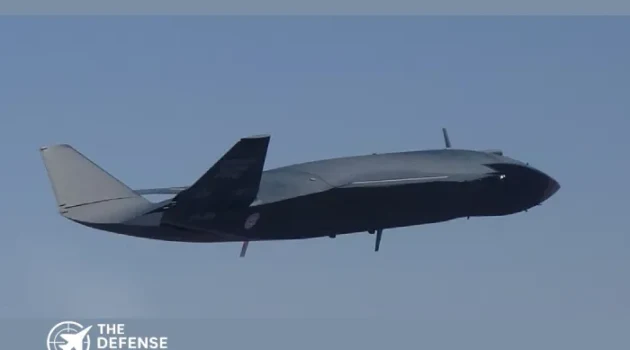
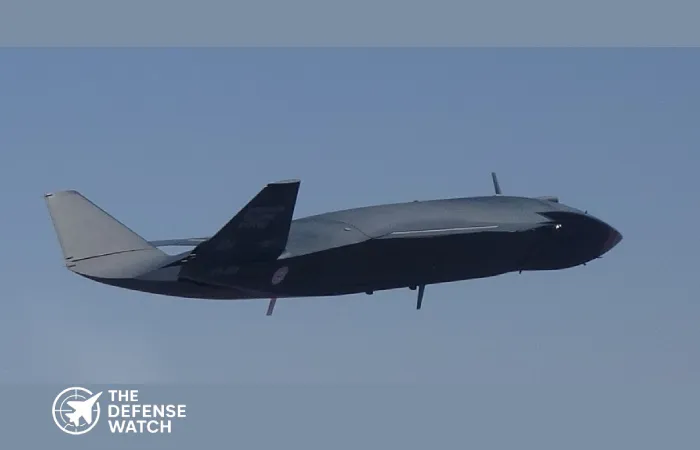
Japan and Australia have expanded defense cooperation by signing an implementing arrangement that will let the Japan Air Self-Defense Force (JASDF) take part in activities related to the Boeing MQ-28A Ghost Bat collaborative combat aircraft under Australia’s fiscal year 2026 program. This collaboration is meant to deepen Japan’s operational understanding of manned-unmanned teaming, sometimes referred to as MUM-T, and the challenges of operating unmanned autonomous systems alongside manned aircraft.
Under the April 18 implementing arrangement signed by Australia’s Defence Minister Richard Marles and Japan’s Defence Minister Koizumi Shinjiro, the two countries will work within the framework of their existing defence-equipment and services sharing agreement first concluded in May 2025. The arrangement establishes the legal and procedural groundwork for joint research, training, and exposure to flight-test processes involving the MQ-28A Ghost Bat in Australia.
- Japan and Australia signed an implementing arrangement on April 18 to cooperate on the MQ-28A Ghost Bat collaborative combat aircraft.
- The agreement allows JASDF personnel to participate in research, training, and flight test related activities in Australia during fiscal year 2026.
- The focus is on gaining operational experience in manned unmanned teaming and integration of autonomous aircraft with crewed fighters.
- Cooperation is conducted under the 2025 Japan Australia defense equipment and services sharing framework.
- Sensitive operational details and activity timelines have not been publicly disclosed.
The MQ-28A Ghost Bat is an advanced collaborative combat aircraft developed by Boeing Defence Australia in partnership with the Royal Australian Air Force (RAAF). Designed to operate alongside crewed fighters, the MQ-28A is intended to extend the reach of airborne missions and provide reconnaissance, surveillance, electronic warfare, and combat support capabilities.
The JASDF’s participation will focus on gathering operational insight and exposure to the technical and tactical aspects of CCA employment. Activities are expected to include education on flight-test processes, mission planning, and technical integration challenges, giving Japanese personnel direct experience with a loyal wingman-type system. The arrangement stops short of technology transfer, acquisition, or shared command structures, keeping the cooperation within training and observational parameters.
Strategic Context and Indo-Pacific Security
This cooperation reflects the broader defence partnership between Japan and Australia rooted in shared concerns over regional security dynamics in the Indo-Pacific. Both countries have strengthened interoperability and joint training in recent years under the 2022 Australia-Japan Joint Declaration on Security Cooperation, including personnel exchanges, joint exercises, and capability collaboration ranging from maritime security to advanced platform integration.
Japan’s interest in manned-unmanned teaming is part of a wider global shift toward integrating autonomous systems into military operations. Allied nations, including the United States, have pursued similar concepts such as loyal wingman programs that pair autonomous platforms with crewed fighters to increase force lethality and mission flexibility.
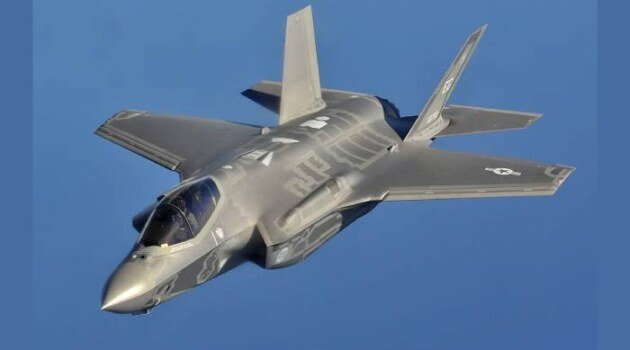
The MQ-28A Ghost Bat itself has been in development since 2021, undergoing extensive flight testing and demonstration missions, including collaborative operations with RAAF F-35A and E-7A Wedgetail aircraft. The platform represents one of the most mature collaborative combat aircraft efforts outside of US programs, with a focus on autonomy, mission adaptability, and connectivity.
What This Means for Japan’s Defense Posture
For Japan, involvement in MQ-28A activities offers direct operational insight without breaching domestic legal limits on defence cooperation and equipment acquisition. By embedding JASDF personnel in Australia’s test activities, Tokyo gains empirical understanding of MUM-T concepts and unmanned system integration that will inform future capability assessments, doctrine, and potential acquisition paths.
At this stage, specific timelines for when activities will begin remain under discussion between the two defence ministries, and sensitive details on coordination and scheduling have not been publicly disclosed.