

Executive Summary
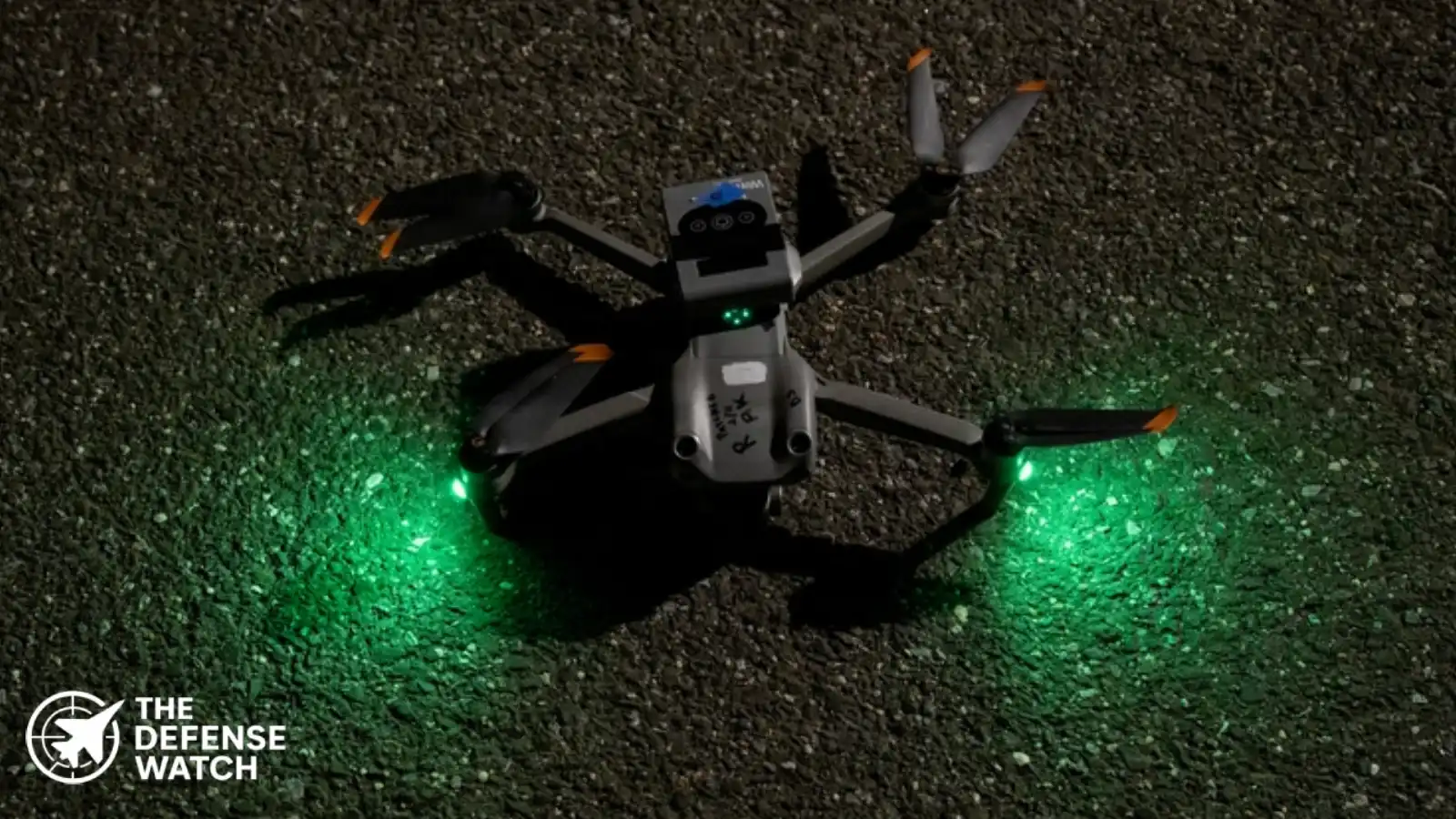
Joint Interagency Task Force 401 (JITF-401) has conducted counter-unmanned aerial system (C-UAS) testing at a U.S. military base to refine layered air defense capabilities. The initiative focuses on integrating kinetic and non-kinetic systems to counter increasingly complex drone threats. The effort reflects a broader push to adapt U.S. air defense doctrine to low-cost, high-volume unmanned systems.
JITF-401 Conducts Counter-UAS Testing to Enhance Layered Air Defense
Joint Interagency Task Force 401 (JITF-401) has carried out a series of counter-UAS evaluations aimed at improving the U.S. military’s ability to detect, track, and neutralize unmanned aerial threats. Conducted at a controlled U.S. base environment, the testing campaign focused on validating a layered defense architecture designed to counter both individual drones and coordinated swarm attacks.
The exercise brought together multiple government agencies and defense stakeholders, reflecting the growing need for interagency coordination in addressing drone threats that span military, homeland security, and civilian domains.
Integrated Systems Approach to Counter Drone Threats
The testing emphasized a multi-layered defense concept, combining kinetic interceptors with non-kinetic solutions such as electronic warfare and directed energy.
Key components evaluated include:
- Short-range air defense systems for rapid kinetic engagement
- Electronic warfare (EW) tools to disrupt drone communications and navigation
- Directed energy weapons (DEWs) for low-cost, repeatable engagements
- Advanced radar and sensor fusion for early detection and tracking
- Command and control (C2) integration for real-time threat response
This layered approach aims to provide redundancy and scalability, ensuring that if one system fails or is saturated, others can compensate.
Technical Advantages of Layered Counter-UAS Systems
The testing highlighted several operational benefits over legacy air defense approaches:
- Ability to counter low-altitude, slow-moving targets often missed by traditional radar
- Reduced cost-per-engagement using non-kinetic systems like EW and lasers
- Improved response times through automated detection and tracking
- Enhanced resilience against swarm attacks
- Integration of multi-domain data sources for better situational awareness
Comparison: Layered Counter-UAS vs Legacy Air Defense Systems
| Capability | Layered Counter-UAS Systems | Legacy Air Defense Systems |
|---|---|---|
| Range | Short to medium (optimized for low-altitude threats) | Medium to long-range (optimized for aircraft/missiles) |
| Payload | Mixed (kinetic + non-kinetic) | Primarily kinetic interceptors |
| Status | Under active development and testing (2026) | Operational but limited against drones |
| Key Technology | EW, DEWs, AI-enabled sensors, C2 integration | Radar-guided missiles, gun systems |
Addressing the Evolving Drone Threat Landscape
The rise of low-cost unmanned systems has reshaped the threat environment. Adversaries increasingly deploy commercially derived drones, modified for reconnaissance or attack roles. In recent conflicts, drone swarms have demonstrated the ability to overwhelm traditional air defenses.
JITF-401’s testing reflects a shift toward cost-effective, scalable solutions capable of addressing these asymmetric threats. The integration of non-kinetic capabilities is particularly important in reducing reliance on expensive interceptors.
Strategic Context: Adapting to Modern Warfare
The counter-UAS initiative aligns with broader U.S. defense priorities to counter peer and near-peer adversaries employing unmanned systems at scale. Drone proliferation has expanded across regions, including the Middle East and Eastern Europe, where unmanned platforms are used for surveillance, targeting, and direct attack.
By advancing layered air defense, the U.S. aims to:
- Protect forward operating bases and critical infrastructure
- Maintain air superiority in contested environments
- Counter hybrid warfare tactics involving unmanned systems
- Reduce operational costs associated with traditional missile defense
The work of JITF-401 underscores the growing importance of integrated air and missile defense (IAMD) frameworks that extend beyond conventional threats to include drones and loitering munitions.
Outlook
As testing continues, JITF-401 is expected to refine system interoperability and expand the range of threats addressed. Future efforts will likely focus on AI-driven targeting, improved sensor fusion, and enhanced autonomy in threat response.
The results of these tests will inform procurement and deployment decisions, shaping the next generation of U.S. counter-UAS and layered air defense capabilities.
