

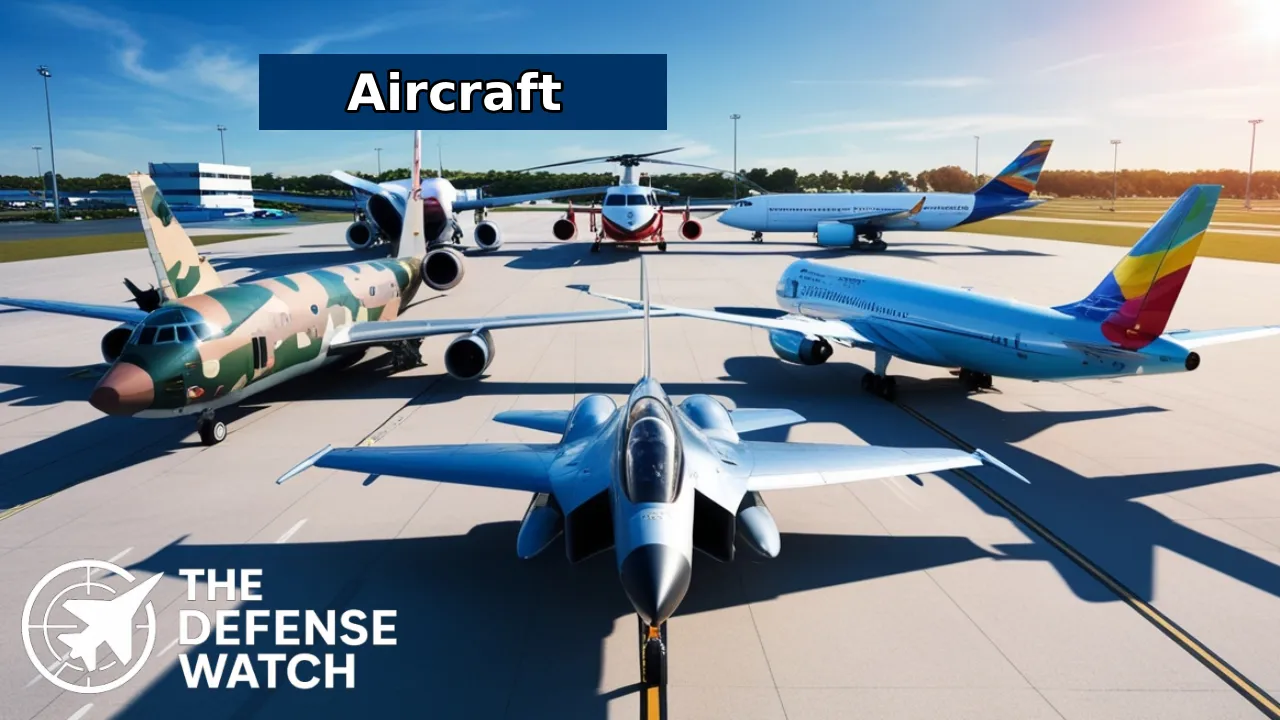
Understanding Aircraft in Modern Aviation
An aircraft is one of humanity’s most transformative engineering achievements—an innovation that reshaped warfare, commerce, travel, and global mobility. From commercial airliners connecting continents to military aircraft securing national airspace, the aircraft remains central to how nations project power, move people, and respond to crises.
In 2025, aircraft are more advanced than ever, combining aerodynamic efficiency, digital avionics, artificial intelligence, stealth shaping, and long-range sensors. They serve as vital tools in humanitarian missions, commercial logistics, border defense, and strategic deterrence. Understanding what an aircraft is—and how different types operate—is essential to grasping the broader picture of global airpower and modern aerospace technology.
What Is an Aircraft?
An aircraft is any machine capable of sustained flight within Earth’s atmosphere. Unlike spacecraft, aircraft rely on aerodynamic lift created by wings, rotor blades, or the displacement of air. They operate using engines, flight-control systems, and aerodynamic surfaces allowing pilots—or autonomous systems—to maneuver safely through the sky.
Core Components of an Aircraft
Every aircraft, regardless of mission, features several key elements:
- Fuselage: Main body containing cockpit, systems, and payload
- Wings or Rotors: Generate aerodynamic lift
- Propulsion: Jet engines, turboprops, pistons, or electric motors
- Landing Gear: For ground operations
- Flight Controls: Allow altitude, speed, and directional changes
Aircraft range from light recreational flyers to sophisticated military platforms capable of stealth penetration or intelligence gathering.
Major Types of Aircraft
1. Fixed-Wing Aircraft
Fixed-wing aircraft use forward motion and aerodynamic lift to stay airborne. These include everything from small trainers to large airliners and advanced fighter jets.
Examples:
Airbus A320, Boeing 787, F-35 Lightning II, C-130 Hercules.
Advantages:
- High speed
- Long range
- Efficient fuel consumption
- Ideal for commercial transport and long-distance operations
2. Rotary-Wing Aircraft (Helicopters)
Rotary-wing aircraft generate lift through spinning rotor blades, enabling vertical takeoff, hovering, and tight maneuvering.
Examples:
UH-60 Black Hawk, AH-64 Apache, CH-47 Chinook.
Advantages:
- Operate without runways
- Superior mobility in complex terrain
- Ideal for rescue, assault, medevac, and close air support
3. Unmanned Aircraft Systems (Drones/UAVs)
UAVs operate remotely or autonomously, becoming crucial assets for surveillance, intelligence, and precision strike missions.
Examples:
MQ-9 Reaper, Bayraktar TB2, small quadcopter drones.
Advantages:
- Long endurance
- Lower operational risk
- Cost-effective for surveillance and combat
4. Tiltrotor & Hybrid Aircraft
Tiltrotors combine helicopter takeoff capabilities with airplane speed and range.
Example:
V-22 Osprey.
5. Gliders & Ultralights
Lightweight aircraft used in sport aviation, training, and specialized missions.
Military Aircraft and Their Strategic Roles
Military aircraft represent some of the most advanced machines ever built. They provide nations with capabilities ranging from aerial dominance to humanitarian relief.
Key Military Aircraft Categories
Fighter Aircraft
Designed for air-to-air combat and air superiority.
Examples: F-22 Raptor, Rafale, J-20.
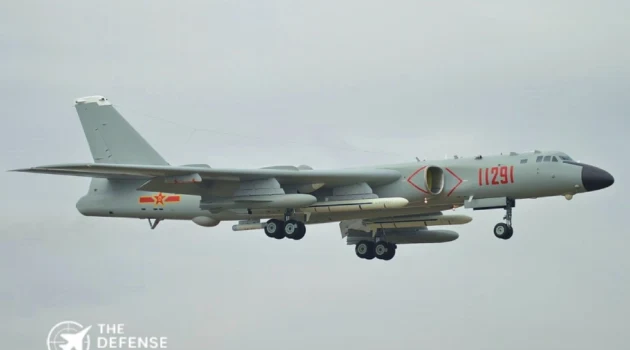
Bombers
Deliver large payloads over long distances.
Examples: B-52H Stratofortress, B-2 Spirit.
Transport Aircraft
Carry troops, equipment, and humanitarian cargo.
Examples: C-17 Globemaster III.
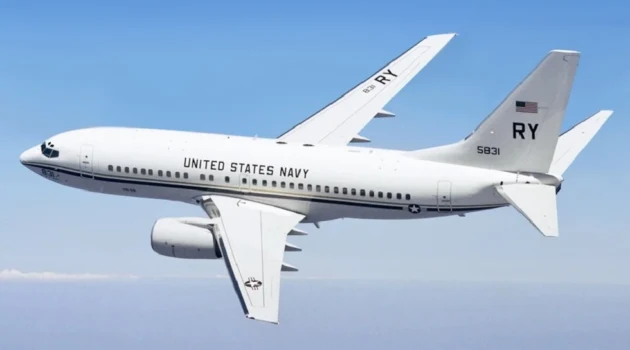
Maritime Patrol Aircraft
Support naval operations and anti-submarine warfare.
Examples: P-8A Poseidon.
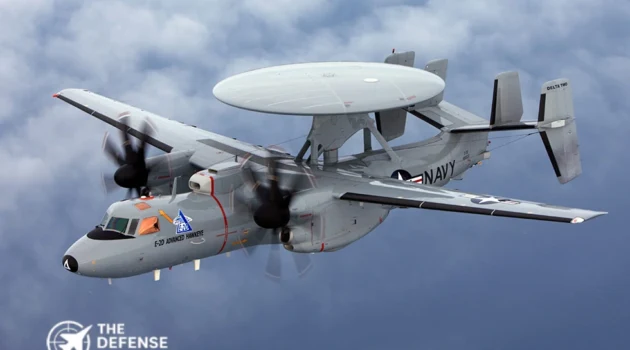
AEW&C and ISR Aircraft
Provide early warning and intelligence collection.
Examples: E-3 AWACS, E-7 Wedgetail.
Combat & Utility Helicopters
Support ground forces, rescue missions, and special operations.
Why Aircraft Are Essential in Modern Warfare
Aircraft remain critical to defense planning because they:
- Secure air superiority, a prerequisite for modern operations
- Deliver precision strikes against high-value targets
- Support troop movement and logistics
- Provide ISR (Intelligence, Surveillance, Reconnaissance)
- Enhance deterrence and rapid reaction capability
As threats evolve, aircraft are increasingly integrated into joint-force networks with satellites, radars, and unmanned systems.
Fixed-Wing vs Rotary-Wing Aircraft: Key Differences
Fixed-Wing
- Fast (Mach 0.8–2+)
- Long-range capability
- Best for transport, strike, and surveillance
Rotary-Wing
- Vertical takeoff and hover
- Operate in complex environments
- Best for assault, medevac, and close support
Each serves a distinct mission set, and modern militaries require both for balanced airpower.
Evolution of Aircraft Technology: From Early Flight to 2026
Early Innovations (1900s–1930s)
The Wright Brothers’ 1903 flight marked the first controlled powered flight. Aircraft rapidly evolved during World War I for reconnaissance and combat.
World War II and the Jet Age
Wartime demand accelerated aircraft development, leading to early jet fighters and long-range bombers.
Cold War Era (1950s–1990s)
Supersonic aircraft, nuclear-capable bombers, and early stealth technology emerged during this period.
21st Century: Stealth, Digital Avionics, and Network Warfare
Platforms like the F-35 integrated multi-role capability with sensor fusion, data links, and low-observable design.
2025 and Beyond: AI-Driven and Autonomous Systems
The next generation of aircraft will introduce:
- AI copilots
- Loyal wingman drones
- Directed-energy weapons
- Hypersonic propulsion
- Adaptive cycle engines
Aircraft remain essential components of national security—and the future promises even more disruptive innovations.
Global Aircraft Trends
The aviation sector is experiencing rapid transformation driven by geopolitical tensions, commercial demand, and emerging technologies.
Commercial Aviation Recovery and Growth
Global air travel has returned to pre-pandemic levels, prompting major airlines to renew fleets for efficiency and sustainability.
Rising Defense Procurement
Europe, Asia, and the Middle East are increasing military aircraft orders due to a shifting global security environment.
UAV Expansion
Drones dominate reconnaissance and precision-strike missions across modern conflict zones.
Sustainability and Electric Aircraft Development
Civilian programs are exploring hybrid and electric propulsion to reduce emissions.
FAQs
An aircraft is any machine capable of sustained flight in the atmosphere using wings, rotors, or aerodynamic lift.
Fixed-wing, rotary-wing, drones, tiltrotor, and gliders.
Military aircraft include combat systems, sensors, weapons, and armor for defense operations.
High-performance fighter jets and specialized reconnaissance aircraft typically reach the highest speeds.
Not fully. UAVs will augment manned aircraft, especially for high-risk missions.
Fixed-Wing Aircraft – Airplanes that generate lift via stationary wings (e.g., commercial jets, fighter jets).
Rotary-Wing Aircraft – Helicopters that use spinning rotor blades to lift and maneuver.
Unmanned Aerial Vehicles (UAVs/Drones) – Remotely piloted or autonomous aircraft for surveillance or strike missions.
Tiltrotor/Hybrid Aircraft – Combine vertical takeoff of helicopters with the speed and range of fixed-wing planes (e.g., V-22 Osprey).
An aircraft is a broad term for any machine capable of sustained flight, including airplanes, helicopters, drones, gliders, and tiltrotors.
An airplane (or aeroplane) is a specific type of fixed-wing aircraft that relies on forward motion and wings to generate lift. All airplanes are aircraft, but not all aircraft are airplanes.

25 comments
[…] leads production, working in coordination with ELTA Systems (an Israel Aerospace Industries unit) and mPrest Systems. Meanwhile, U.S. involvement has deepened: a significant portion of the […]
[…] than a steam piston-driven system. This flexibility proves crucial as the Navy integrates new aircraft types, including heavier strike fighters and lighter unmanned aerial vehicles, into carrier air […]
[…] Poland, the 96-aircraft order will make it the 19th global operator of the Apache and the largest fleet outside the United […]
[…] the official US military aircraft designation system, the “Y” prefix denotes prototype status, “F” indicates a fighter […]
[…] that the Pentagon report all past and future near-miss incidents involving military and commercial aircraft over the last […]
[…] After multiple attempts to re establish command links failed, Turkish authorities determined the aircraft posed a potential hazard to civilian aviation and nearby populated […]
[…] RDAF’s transport aircraft delivered personnel in full military gear, signaling a rapid-response capability. The deployment aligns with Denmark’s broader […]
[…] a long-endurance airborne early warning and control platform. The company states that both aircraft types together would be required to deliver the full jobs and industrial benefit claims tied to the […]
[…] to ground stations or command centers. These systems aim to support both observation and engagement roles in complex environments where crewed aircraft may face higher […]
[…] Mexico becomes the first Latin American nation to adopt this advanced tactical transport. The aircraft joins a global fleet of more than 560 C‑130J and C‑130J‑30 airlifters operated by more than 20 countries, […]
[…] The command frequently handles electronic warfare and self protection procurements for joint and allied programs, reflecting its role as a central authority for naval aviation technology. […]
[…] government and the Aviation Industry Corporation of China (AVIC) have been positioning the J‑35 for export after advancing production […]
[…] activities will proceed with host-nation approval and close coordination with civil and military aviation authorities throughout the region. AFCENT emphasized that safety, precision, and respect for […]
[…] officials have previously emphasized the role of digital training ecosystems in extending aircraft service life while meeting evolving operational […]
[…] European maintenance, repair, and overhaul provider with decades of experience supporting military aircraft fleets. The company has long been involved in F-16 sustainment programs for European air forces and […]
[…] Aviation data firm Cirium reports 150 Bombardier Global Express aircraft currently operate in U.S. airspace, flown by 115 operators. Across all Canadian manufacturers, approximately 5,425 aircraft registered in the United States could potentially face operational restrictions. […]
[…] sensor technology enhances the effectiveness of Taiwan’s fighter fleet without requiring new aircraft platforms. The Legion-ES system provides capabilities that complement existing onboard radar […]
[…] The A3R system automates the traditional aerial refueling boom operation, reducing manual workload for air refueling operators while enhancing precision and safety. The full certification covers both daytime and night operations, reflecting rigorous testing across a wide range of mission profiles and receiver aircraft types. […]
[…] selection of a commercial helicopter derivative as the training platform reflects broader trends in military aviation toward leveraging mature civil technologies where appropriate. This approach can reduce development risk, lower acquisition costs, and benefit […]
[…] Footage circulating on social media shows what appears to be a Su‑57E flying alongside multiple Su‑35s. The sorties are likely part of familiarization or evaluation flights as Algeria continues to integrate the new aircraft type. […]
[…] 26, 2026. Selected candidates will begin their program in late August 2026, joining a tradition of military aviation technical education spanning more than seven […]
[…] early warning, airspace surveillance, and command and control support across the alliance. Its role includes detection of aircraft and coordination of allied air assets. The E-3A fleet is supported by personnel from multiple NATO […]
[…] Basquin, Chief Executive aviation and CEO France at Babcock, said the award reflects the company’s established expertise in […]
[…] Aircraft types reportedly include fighters, bombers, tankers, ISR platforms, and strategic airlift […]
[…] through engineering, repairs, and program management. The deal reflects ongoing reliance on industry partners for lifecycle aircraft […]