(adsbygoogle = window.adsbygoogle || []).push({});Executive Summary
The U.S. Army is seeking funding for 857 Terminal High Altitude Area Defense (THAAD) interceptors as part of a major expansion of America’s missile defense inventory. The move reflects growing concerns over ballistic and hypersonic missile threats in the Indo-Pacific and signals a broader Pentagon effort to strengthen both operational readiness and defense industrial capacity.
U.S. Army Requests 857 THAAD Interceptors As Missile Defense Demand Surges
The U.S. Army’s reported request for 857 THAAD interceptors represents one of the largest missile defense procurement efforts in the history of the program, highlighting Washington’s growing focus on layered air and missile defense across the Indo-Pacific theater.
- U.S. Army Requests 857 THAAD Interceptors As Missile Defense Demand Surges
- THAAD Remains A Critical Layer In U.S. Missile Defense Architecture
- Indo-Pacific Requirements Are Driving Procurement Growth
- Production Capacity Has Become A Strategic Priority
- Lessons From Recent Missile Defense Operations
- Strategic Implications For The Indo-Pacific
- A Shift Toward Sustained Missile Defense Readiness
According to defense reporting and budget-related disclosures, the planned procurement increase is tied to broader Pentagon efforts to expand strategic missile defense inventories while addressing concerns over stockpile depth, industrial capacity, and sustained readiness in a high-intensity conflict environment.
The request comes as U.S. military planners increasingly emphasize the need for larger inventories of advanced interceptors capable of defending forward-deployed forces, strategic bases, and allied territories against expanding ballistic missile arsenals.
THAAD Remains A Critical Layer In U.S. Missile Defense Architecture
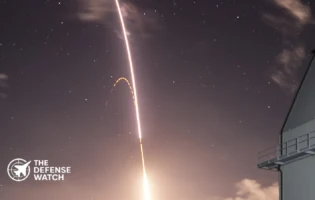
Developed by Lockheed Martin, the Terminal High Altitude Area Defense system is designed to intercept short, medium, and intermediate-range ballistic missiles during their terminal phase of flight.
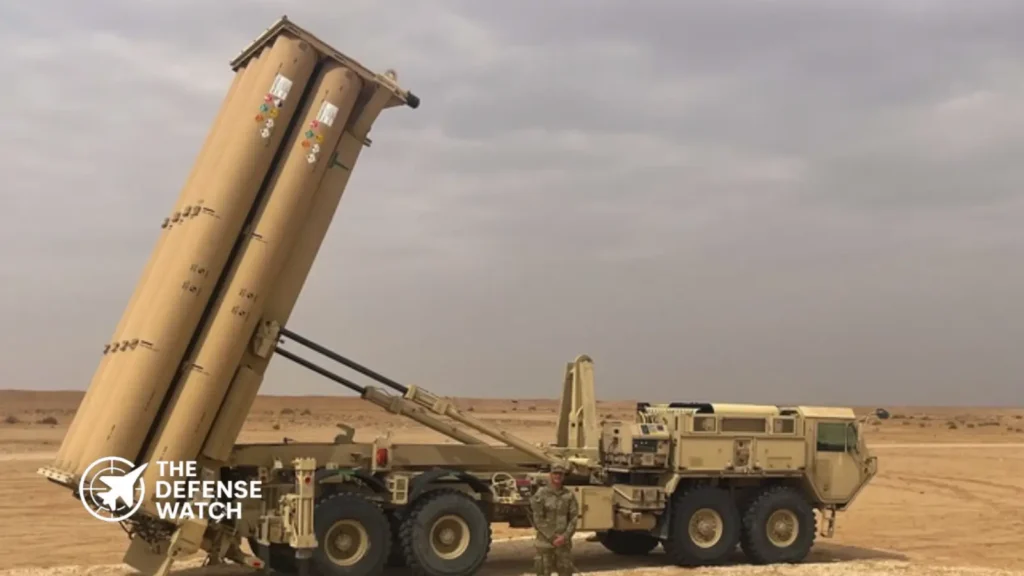
Unlike traditional missile systems that rely on explosive warheads, THAAD uses a hit-to-kill approach, destroying incoming targets through direct kinetic impact. The system is capable of engaging threats both inside and outside Earth’s atmosphere, providing commanders with a higher-altitude defensive layer than systems such as Patriot PAC-3 MSE.
A typical THAAD battery includes:
| Component | Function |
|---|---|
| THAAD Launchers | Fire interceptor missiles |
| THAAD Interceptors | Engage incoming ballistic threats |
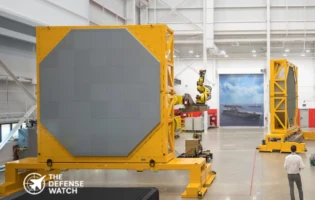
| AN/TPY-2 Radar | Long-range detection and tracking |
| Fire Control System | Battle management and engagement coordination |
| Communications Network | Integration with broader missile defense architecture |
The system currently serves as a key component of the U.S. Army’s integrated air and missile defense network and is deployed in several strategically important regions.
Indo-Pacific Requirements Are Driving Procurement Growth
The scale of the reported 857-interceptor request reflects growing concern among defense planners regarding missile threats in the Western Pacific.
China continues to expand its inventory of ballistic missiles, anti-ship ballistic missiles, and emerging hypersonic systems designed to challenge U.S. power projection capabilities. At the same time, North Korea continues testing increasingly capable missile systems capable of threatening U.S. regional bases and allied territory.
(adsbygoogle = window.adsbygoogle || []).push({});For U.S. commanders, missile defense is no longer viewed as a niche capability. It has become a foundational requirement for maintaining freedom of maneuver across the Indo-Pacific.
The Army has already taken steps to strengthen regional missile defense by expanding Patriot formations, investing in Integrated Battle Command System (IBCS) networks, deploying Indirect Fire Protection Capability (IFPC) systems, and increasing procurement of PAC-3 MSE interceptors.
The THAAD expansion appears to fit within this broader modernization effort.
Production Capacity Has Become A Strategic Priority
The procurement request also highlights a growing Pentagon focus on defense industrial resilience.
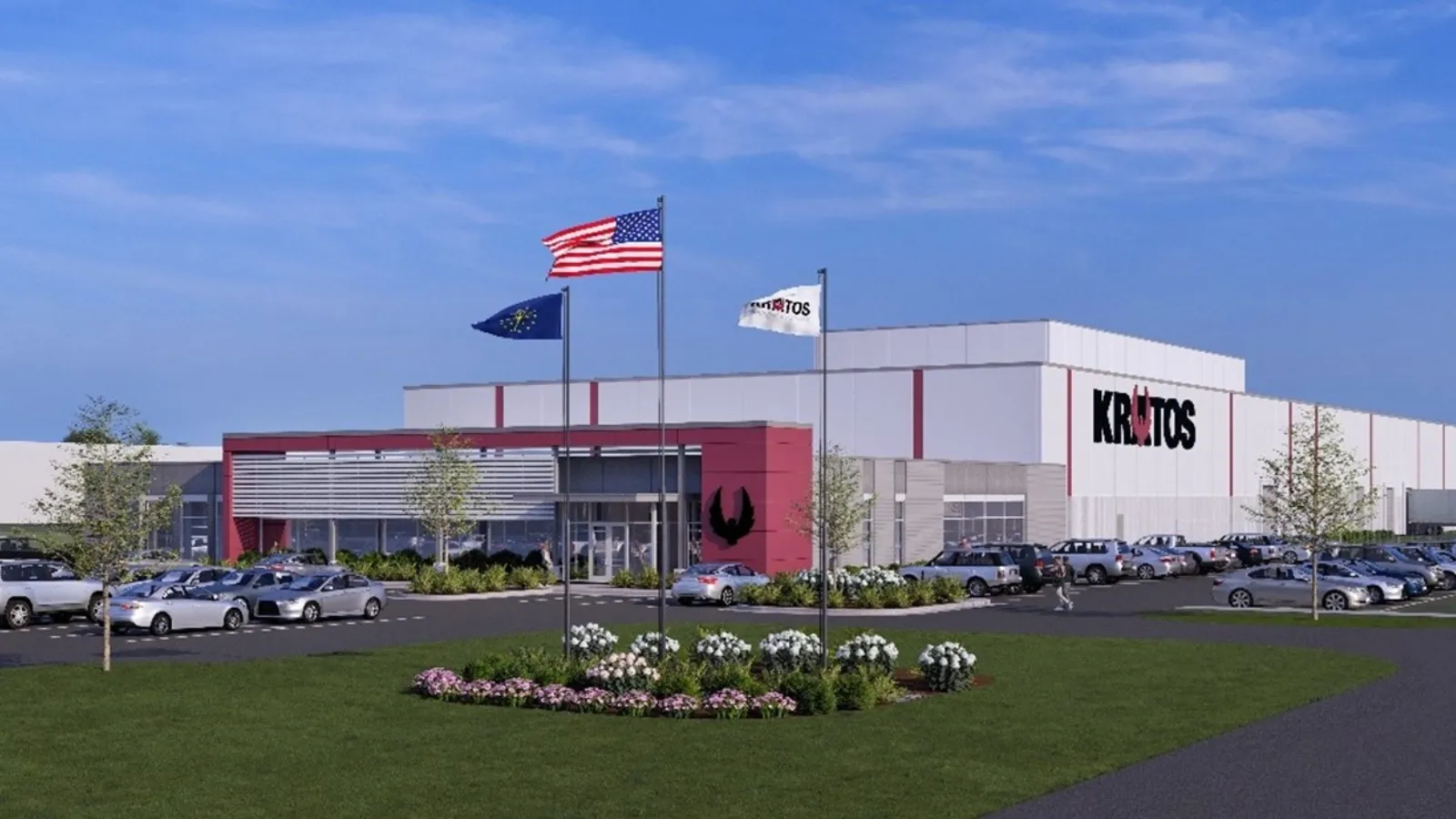
In January 2026, Lockheed Martin announced a framework agreement to increase THAAD interceptor production from approximately 96 missiles annually to as many as 400 per year over a multi-year period. The expansion includes major investments in manufacturing facilities, workforce growth, and advanced production technologies.
A separate initiative launched in March 2026 seeks to quadruple production of THAAD infrared seekers, one of the most technically complex components of the interceptor. Defense officials described the effort as necessary to remove supply chain bottlenecks and support future production targets.
Key Production Expansion Measures
- THAAD interceptor output planned to increase from 96 to 400 annually
- Expanded seeker manufacturing capacity
- Multi-year industrial investment programs
- New missile production facilities and automation upgrades
- Increased workforce recruitment across missile manufacturing sites
These measures indicate that Washington is increasingly treating missile production capacity as a strategic asset rather than simply a procurement issue.
Lessons From Recent Missile Defense Operations
Another factor influencing procurement decisions is the growing operational demand placed on U.S. missile defense inventories.
Recent reporting and defense assessments have highlighted concerns regarding interceptor consumption rates during large-scale regional contingencies. Analysts have warned that modern conflicts involving extensive missile exchanges can rapidly deplete inventories of advanced interceptors.
This has elevated concerns regarding what military planners often describe as “magazine depth,” the ability to sustain defensive operations over extended periods without exhausting available stocks.
For the Pentagon, the challenge is not simply developing sophisticated missile defenses. It is ensuring sufficient inventory exists to support prolonged operations across multiple theaters simultaneously.
Strategic Implications For The Indo-Pacific
The reported request for 857 THAAD interceptors suggests the United States is preparing for a future security environment characterized by larger missile salvos, longer-duration conflicts, and more contested operating environments.
(adsbygoogle = window.adsbygoogle || []).push({});From a strategic perspective, THAAD plays a unique role because it bridges the gap between lower-tier systems such as Patriot and higher-tier missile defense architectures operated by the U.S. Navy.
The system provides an additional engagement opportunity against incoming ballistic threats while helping preserve lower-cost interceptors for other targets. This layered approach has become increasingly important as adversaries field larger and more diverse missile arsenals.
For allies and partners across the Indo-Pacific, expanded THAAD inventories could also strengthen confidence in U.S. extended deterrence commitments by ensuring sufficient missile defense capacity remains available during a crisis.
A Shift Toward Sustained Missile Defense Readiness
The scale of the Army’s reported THAAD procurement request underscores a broader shift occurring across the U.S. defense establishment.
Rather than focusing solely on next-generation weapons development, Pentagon planners are increasingly prioritizing stockpile depth, production scalability, and long-term sustainment. The combination of expanded interceptor procurement, industrial base investment, and missile defense modernization suggests Washington is preparing for a strategic environment where missile defense readiness will be measured not only by technological superiority but also by production capacity and inventory resilience.
If approved by Congress, the acquisition of 857 THAAD interceptors would represent a significant expansion of U.S. missile defense capabilities and further reinforce the Indo-Pacific’s position as the central focus of American defense planning.