
Executive Summary:
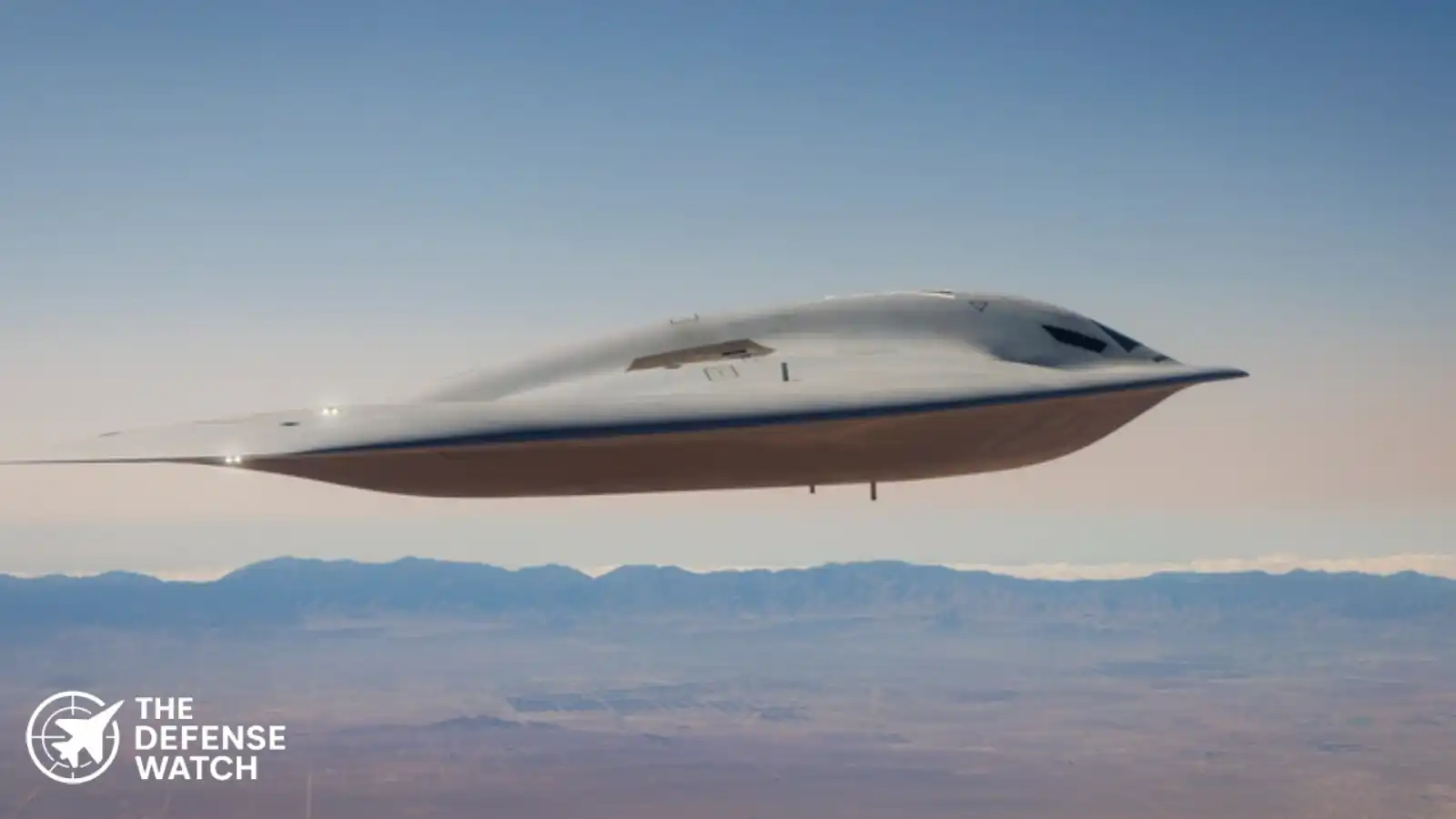
The U.S. Air Force has begun a new phase of B-21 Raider testing by integrating operational test pilots into the flight test program at Edwards Air Force Base, California. The milestone moves the stealth bomber beyond pure developmental testing and toward evaluation of real-world combat effectiveness, weapons integration, and operational utility. The transition is a critical step as the Air Force prepares the B-21 for future deployment as the backbone of America’s long-range strike force.
U.S. Air Force Begins Combat-Focused B-21 Raider Testing
The U.S. Air Force has initiated combat-focused testing of the B-21 Raider after an operational test pilot completed a flight alongside a developmental test pilot at Edwards Air Force Base, California. The flight marks the first publicly acknowledged integration of operational testers into the Raider program, signaling a shift toward evaluating how the aircraft will perform in actual combat scenarios rather than solely assessing flight characteristics.
According to Air Force officials, the addition of operational testers enables the service to assess the bomber’s combat utility earlier in the development process. This combined developmental and operational testing approach is intended to accelerate capability validation while reducing risk before the aircraft enters operational service.
The milestone comes as the B-21 program continues to expand its flight test campaign with multiple aircraft and increasingly complex mission evaluations. The second B-21 test aircraft joined the program in 2025, enabling parallel testing activities focused on mission systems and weapons integration.
-
Why Operational Testing Matters
Developmental testing determines whether an aircraft can safely fly and whether its systems perform according to design specifications. Operational testing answers a different question: can the platform successfully accomplish combat missions under realistic conditions?
The inclusion of operational test pilots allows the Air Force to evaluate:
Testing Area Purpose Mission Systems Assess sensor, communications, and battle management performance Weapons Integration Validate employment of conventional and strategic weapons Crew Operations Examine workload, mission planning, and decision-making Combat Effectiveness Measure performance against realistic operational scenarios Sustainment Evaluate maintenance and deployment requirements This phase is particularly important because the B-21 is expected to operate inside heavily defended airspace where advanced integrated air defense systems, electronic warfare assets, and long-range missile networks pose significant challenges.
B-21 Raider’s Role in U.S. Strategic Deterrence
Developed by Northrop Grumman, the B-21 Raider is designed to become the centerpiece of the U.S. Air Force’s future bomber fleet.
The aircraft will gradually replace portions of the aging B-1B Lancer and B-2 Spirit fleets while complementing upgraded B-52 Stratofortress bombers. The Raider is also expected to serve as a key component of the U.S. nuclear triad, providing both conventional and nuclear strike capabilities.
Air Force plans currently call for a minimum procurement of 100 aircraft, although some defense analysts and military leaders have argued that a larger fleet may ultimately be required to meet global operational demands.
-
Program Momentum Continues to Build
The operational test flight follows a series of major milestones achieved during the past year.
- Arrival of the second flight test aircraft at Edwards Air Force Base.
- Expansion of testing into mission systems and weapons integration.
- Successful aerial refueling evaluations with KC-135 Stratotankers.
- Continued progress toward initial operational deployment later this decade.
The aerial refueling campaign is especially significant because it validates one of the bomber’s most important operational requirements: the ability to conduct long-duration global strike missions without relying on forward basing.
Analysis: A Shift Toward Warfighting Capability
The integration of operational testers reflects a broader trend across major U.S. defense acquisition programs. Rather than waiting until late-stage development, the Air Force is increasingly blending developmental and operational testing to identify deficiencies earlier and speed fielding timelines.
For the B-21, this approach carries strategic significance.
The aircraft is expected to operate in environments shaped by rapidly modernizing Chinese and Russian air defense networks. As a result, survivability, sensor fusion, electronic warfare performance, and weapons employment are as important as basic flight performance.
Moving operational testers into the cockpit at this stage allows the Air Force to evaluate these combat-relevant capabilities before production ramps further. It also helps ensure that future bomber crews receive an aircraft optimized not only for engineering requirements but also for operational realities.
The timing is notable as the Pentagon continues to emphasize long-range strike capabilities as a core element of deterrence in the Indo-Pacific. The B-21’s combination of stealth, range, payload capacity, and open-systems architecture is intended to provide adaptability against evolving threats for decades.
Unlike earlier stealth bombers, the Raider was designed from the outset with digital engineering methods and a modular architecture that allows future upgrades without extensive redesigns. This approach aims to shorten modernization cycles and maintain relevance against rapidly changing technologies.
Outlook
The first operational test pilot flight represents more than a symbolic milestone. It marks the beginning of the Air Force’s effort to determine whether the B-21 can deliver the combat capability expected of America’s first new strategic bomber in more than three decades.
As testing expands to include mission systems, weapons integration, aerial refueling, and operational employment scenarios, the Raider is moving steadily from a developmental aircraft toward an operational weapon system. If current progress continues, the B-21 is expected to become a central element of U.S. long-range strike and strategic deterrence capabilities throughout the coming decades.
Get real time update about this post category directly on your device, subscribe now.

-

