
(adsbygoogle = window.adsbygoogle || []).push({});Executive Summary:
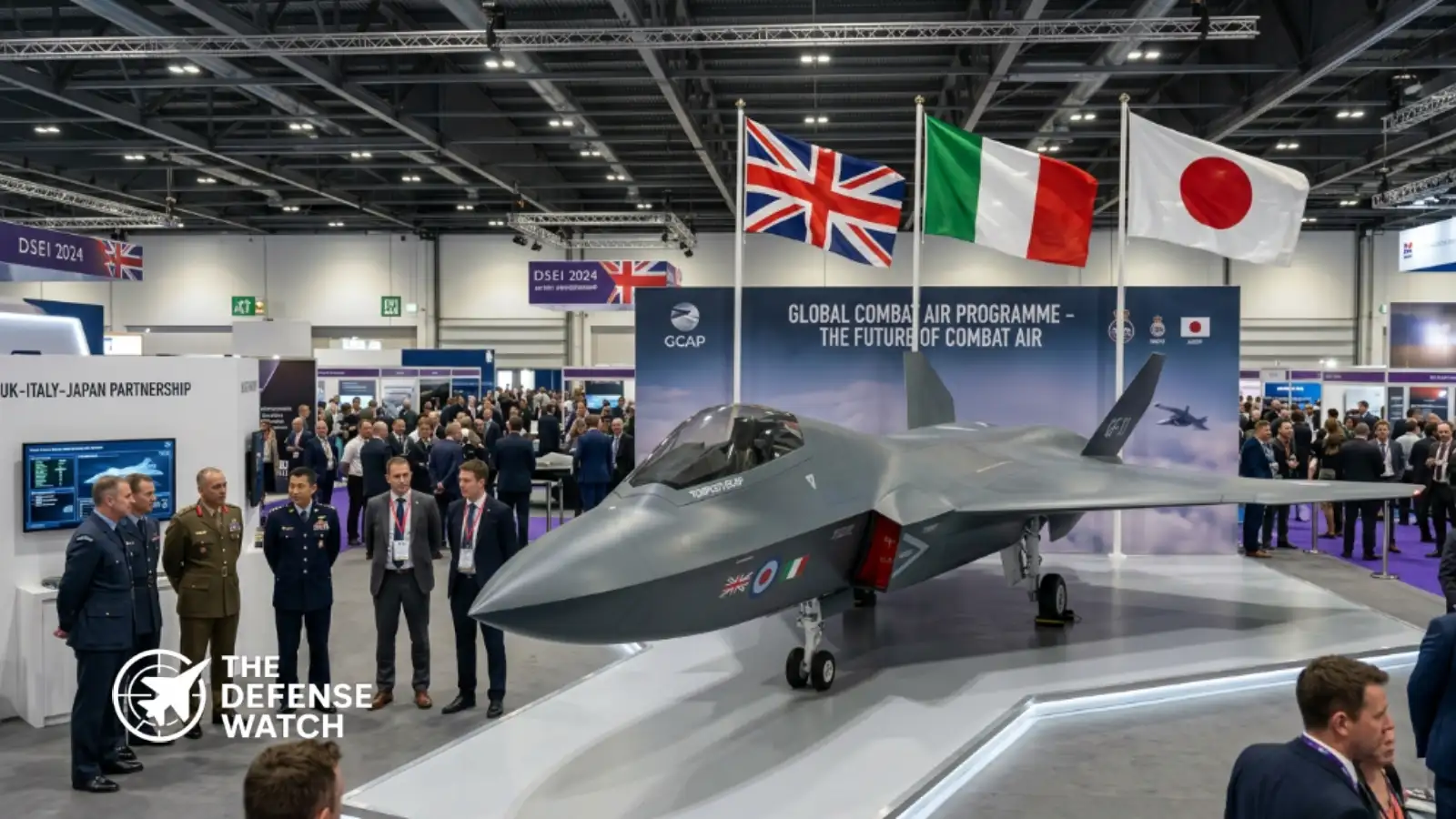
The United Kingdom has committed more than £6 billion (over US$8 billion) to the Global Combat Air Programme (GCAP), reinforcing its long term investment in developing a sixth generation combat aircraft alongside Italy and Japan. The funding supports research, technology development, and industrial capacity as the three nations work toward fielding the aircraft by 2035.
UK Commits More Than $8 Billion To Advance GCAP Sixth Generation Fighter
The UK GCAP fighter program received a major financial boost after the British government confirmed it will invest more than £6 billion (approximately US$8 billion) over the next four years to accelerate development of the Global Combat Air Programme (GCAP). The announcement was made as part of the government’s broader defense spending plans and reinforces Britain’s commitment to one of the world’s most ambitious future combat aviation projects.
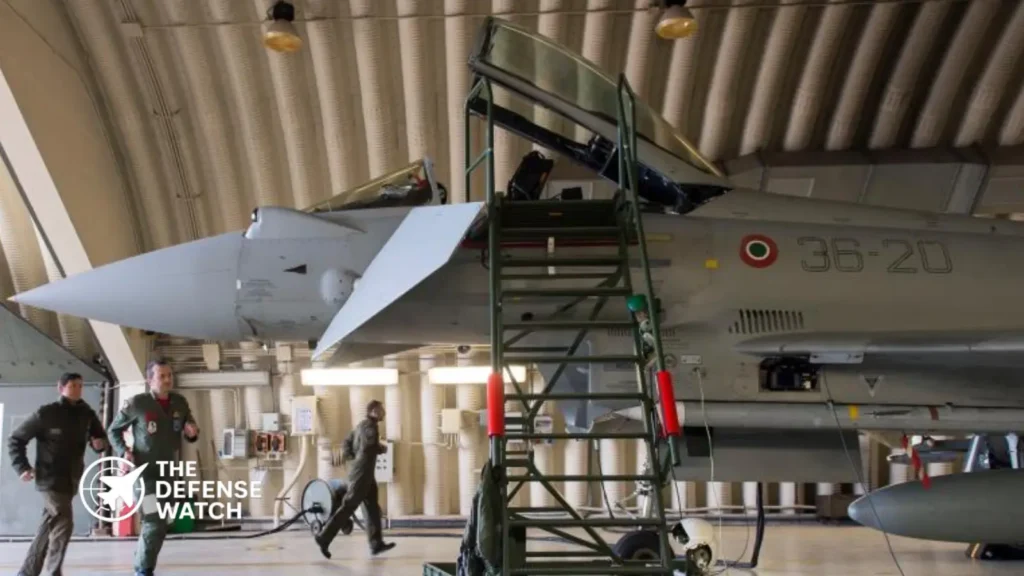
GCAP is a trilateral initiative involving the United Kingdom, Italy, and Japan. It aims to develop a sixth generation combat aircraft capable of replacing the Royal Air Force’s Eurofighter Typhoon fleet while delivering advanced air superiority capabilities well into the second half of the century.
The funding demonstrates London’s intention to maintain sovereign combat aircraft design expertise while strengthening defense industrial cooperation with key allies in Europe and the Indo Pacific.
Major Investment Supports Long Term Fighter Development
The latest funding package will finance research, engineering, testing, and industrial infrastructure needed to mature technologies required for a sixth generation fighter.
According to the UK government, the investment forms part of a wider defense modernization strategy intended to maintain technological superiority amid increasingly contested security environments.
(adsbygoogle = window.adsbygoogle || []).push({});Key objectives include:
Program Element Details Investment More than £6 billion (over US$8 billion) Timeframe Next four years Partner Nations United Kingdom, Italy, Japan Planned Entry Into Service 2035 Primary Mission Air superiority and multi domain operations The program is managed through the GCAP International Government Organisation (GIGO), which coordinates government requirements while industry partners jointly develop the aircraft.
GCAP Brings Together Leading Aerospace Companies
The industrial partnership combines some of the world’s most experienced combat aircraft manufacturers.
Principal industry participants include:
- BAE Systems (United Kingdom)
- Leonardo (Italy)
- Japan Aircraft Industrial Enhancement Company (JAIEC)
- Rolls Royce
- Mitsubishi Heavy Industries
- Avio Aero
- IHI Corporation
- MBDA
- Mitsubishi Electric
- Leonardo Electronics
Each company contributes specialized expertise spanning aircraft design, propulsion, sensors, electronic warfare, mission systems, advanced manufacturing, and weapons integration.
The collaborative approach distributes development costs while enabling each nation to retain critical aerospace capabilities.
Sixth Generation Capabilities Extend Beyond Traditional Fighters
Unlike previous fighter development programs, GCAP is designed around highly networked operations rather than standalone aircraft performance.
Although final specifications remain under development, officials have consistently outlined several core capability areas:
- Advanced stealth across multiple threat spectrums
- Artificial intelligence assisted mission management
- Long range operations
- Secure multi domain data sharing
- Open mission systems architecture
- Integration with autonomous collaborative combat aircraft
- Advanced electronic warfare capabilities
- Increased onboard power generation for future sensors and directed energy technologies
The aircraft is expected to function as a command node capable of coordinating unmanned systems, space based assets, and joint force operations simultaneously.
Strategic Importance For The United Kingdom
The latest investment underscores Britain’s determination to preserve an independent combat aircraft design capability after decades of participation in multinational fighter programs.
The UK defense industrial base employs tens of thousands of workers across aerospace manufacturing, propulsion systems, avionics, software engineering, and weapons integration. Sustained investment in GCAP helps retain highly specialized engineering skills that might otherwise erode between major aircraft programs.
Government officials have also emphasized the program’s anticipated contribution to economic growth through exports, high value manufacturing, and technological innovation extending beyond defense applications.
Why GCAP Matters For Global Defense
Beyond replacing legacy fighter fleets, GCAP reflects broader shifts in international defense cooperation.
Unlike traditional alliance structures centered primarily on NATO, the program establishes a long term strategic partnership linking Europe with the Indo Pacific. The United Kingdom, Italy, and Japan face increasingly similar challenges involving advanced air defense systems, long range precision weapons, electronic warfare, and rapidly evolving military technologies.
For the United States, GCAP represents an important complementary capability rather than direct competition. While the U.S. Air Force continues development of its Next Generation Air Dominance (NGAD) family of systems, allied sixth generation platforms can improve burden sharing and interoperability across future coalition operations.
The program also diversifies the global market for advanced combat aircraft. Instead of relying exclusively on American or domestic designs, partner nations are pooling technological expertise to create an alternative high end fighter platform capable of supporting allied air forces for decades.
atOptions = { ‘key’ : ‘e7d18db8b7513fb2a224cf4c3f18bbf0’, ‘format’ : ‘iframe’, ‘height’ : 90, ‘width’ : 728, ‘params’ : {} };From an industrial perspective, GCAP demonstrates a new model for multinational defense acquisition. Rather than one nation leading development with others joining later, Britain, Italy, and Japan are jointly defining operational requirements, governance, technology development, and industrial participation from the outset. This approach could reduce duplication while improving interoperability among partner militaries.
Development Timeline Remains Focused On 2035
The three governments continue targeting operational service entry by 2035, an ambitious schedule given the technological complexity involved.
Major milestones expected over the coming years include:
- Continued digital design validation
- Prototype development
- Flight testing
- Sensor integration
- Engine maturation
- Mission systems testing
- Autonomous systems integration
Maintaining schedule discipline will be critical as participating nations seek to replace aging combat aircraft before capability gaps emerge during the 2030s.
(adsbygoogle = window.adsbygoogle || []).push({});Outlook
The UK’s commitment of more than £6 billion marks one of the largest investments yet in the Global Combat Air Programme and signals continued political support for sixth generation fighter development.
As GCAP progresses from technology maturation toward prototype production, the program is expected to become a cornerstone of British, Italian, and Japanese airpower modernization. Its success will depend not only on delivering an advanced aircraft, but also on integrating emerging technologies such as artificial intelligence, collaborative autonomous systems, and next generation electronic warfare into a coherent operational capability.

Executive Summary:
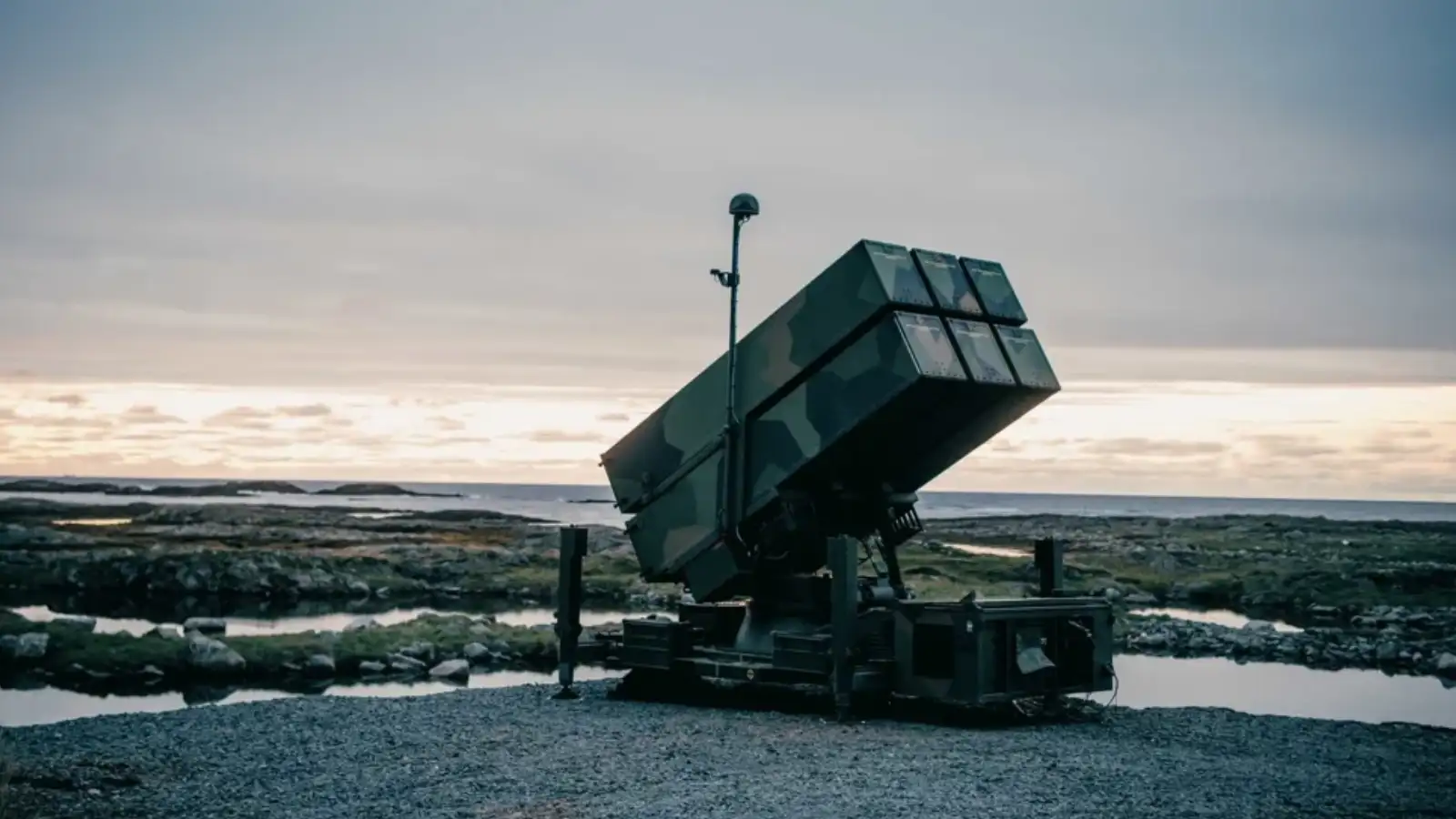
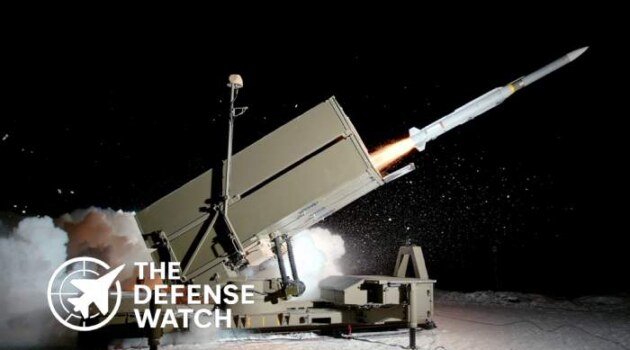
Kongsberg Defence & Aerospace has secured a contract worth approximately $400 million to deliver the NASAMS air defense system to Kuwait through the U.S. Foreign Military Sales (FMS) program. The agreement, signed with Raytheon, will strengthen Kuwait’s layered air defense architecture by providing a combat-proven medium range air defense capability against aircraft, cruise missiles, and unmanned aerial systems.
Kongsberg Secures NASAMS Air Defense Contract For Kuwait
Kongsberg Defence & Aerospace has signed a contract with Raytheon to deliver the National Advanced Surface-to-Air Missile System (NASAMS) to Kuwait under the U.S. Foreign Military Sales (FMS) program, marking one of the company’s latest international air defense export successes.
According to Kongsberg, the contract is valued at approximately $400 million for the Norwegian defense company. The agreement will see NASAMS integrated into Kuwait’s existing layered air defense architecture, improving protection for critical infrastructure, military installations, and population centers against a broad range of aerial threats.
Raytheon serves as the U.S. prime contractor under the Foreign Military Sales framework, while Kongsberg provides core elements of the NASAMS system, reflecting the long standing industrial partnership between the two companies.
Kuwait Expands Layered Air Defense Capability
The acquisition comes as Gulf states continue investing in integrated air and missile defense amid an increasingly complex regional security environment.
Kongsberg said NASAMS will complement Kuwait’s broader air defense network by filling the medium range layer between short range and long range systems. Company officials described the acquisition as addressing Kuwait’s requirement for a modern, flexible, and combat proven capability capable of responding to evolving aerial threats.
According to Reuters, Kuwait has faced heightened regional security concerns following recent missile and drone attacks linked to broader Middle East tensions, reinforcing demand for advanced air defense capabilities.
What NASAMS Brings To Kuwait
NASAMS is jointly developed by Kongsberg and Raytheon and is among the world’s most widely deployed medium range ground based air defense systems.
Its open architecture enables operators to integrate multiple sensors, launchers, and missile types into a single command and control network.
Key NASAMS capabilities
Capability Details Primary Role Medium range integrated air defense Developer Kongsberg Defence & Aerospace and Raytheon Architecture Open, network centric Targets Aircraft, helicopters, cruise missiles, drones Missile Options AIM-120 AMRAAM, AMRAAM ER, AIM-9X and future effectors Command System Fire Distribution Center (FDC) NASAMS is designed so radars, launchers, and command centers can be geographically dispersed while remaining connected through secure digital networks. This distributed architecture improves survivability and expands the defended area compared with more centralized systems.
Strategic Importance Of The U.S. Foreign Military Sales Framework
The contract highlights how the U.S. Foreign Military Sales program enables allied nations to acquire advanced defense capabilities while maintaining interoperability with U.S. and NATO systems.
Under the arrangement:
- Raytheon acts as the U.S. contracting authority.
- Kongsberg supplies major NASAMS system components.
- The U.S. government manages procurement and program oversight.
- Kuwait receives a standardized, fully supported capability integrated with American defense logistics.
This approach simplifies long term sustainment while strengthening defense industrial cooperation between the United States, Norway, and Kuwait.
Analysis: Why This Deal Matters
Although the contract’s value is modest compared with large strategic missile defense programs, its operational significance is considerable.
Modern conflicts have demonstrated that defending against mixed attacks involving cruise missiles, one way attack drones, and conventional aircraft requires layered, networked air defense rather than reliance on a single interceptor system.
NASAMS occupies an important role within that architecture. It provides medium range protection at lower operating costs than strategic systems while remaining flexible enough to incorporate new interceptors, sensors, and command software throughout its service life.
For Kuwait, integrating NASAMS strengthens resilience against diverse aerial threats without replacing existing long range defenses. Instead, it improves engagement capacity across multiple threat layers, allowing high value interceptors to be reserved for more demanding targets while NASAMS handles aircraft, cruise missiles, and many unmanned systems.
From a broader U.S. perspective, the contract also reinforces Washington’s strategy of promoting interoperable air defense among regional partners. The continued expansion of NASAMS across allied nations improves common training, logistics, missile inventories, and command and control integration, reducing operational complexity during coalition operations.
For Kongsberg, the award further expands NASAMS’ international footprint, reinforcing its position as one of the leading medium range air defense systems in global service.
NASAMS Continues Global Expansion
Kongsberg describes NASAMS as one of the world’s most operationally proven medium range air defense systems.
The system is currently fielded by numerous allied nations and has been continuously upgraded through the introduction of new radar technologies, enhanced command and control software, and additional missile options. Its modular design allows operators to modernize individual components without replacing the entire system, extending operational relevance against evolving threats.
The Kuwait contract adds another international operator to the growing NASAMS user community and further strengthens defense cooperation between Norway, the United States, and regional partners.
Executive Summary:
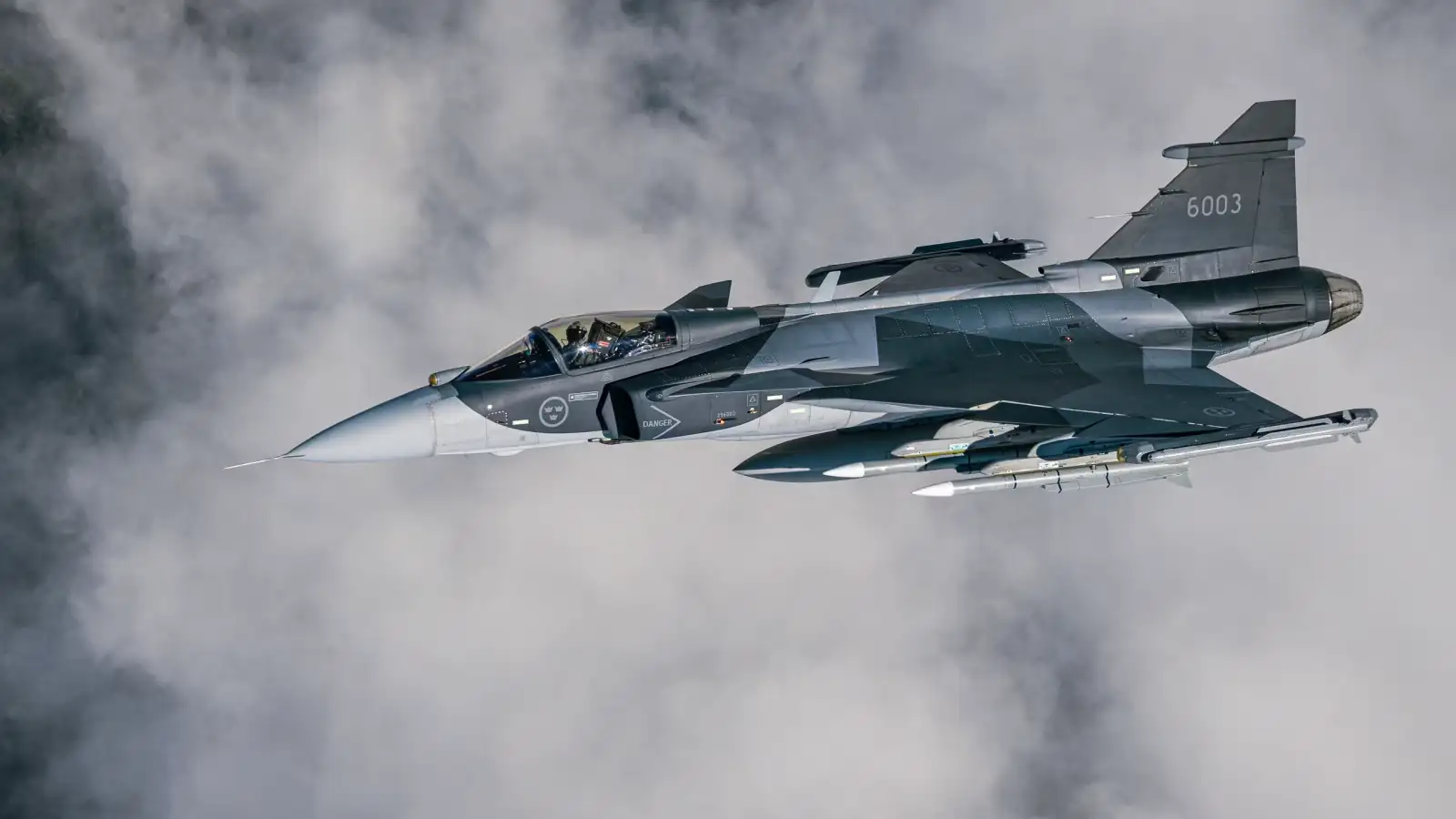
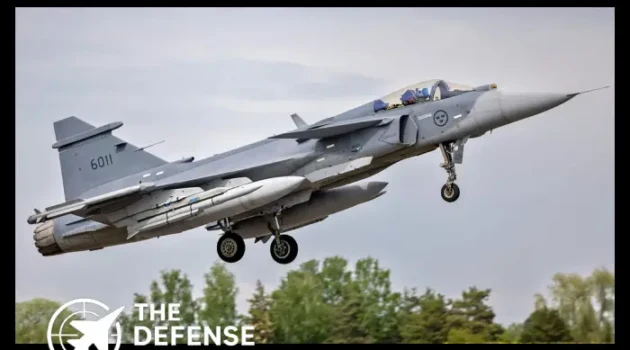
Sweden has placed an order with Saab for 16 Gripen E multirole fighter aircraft that will ultimately be transferred to Ukraine under a government backed procurement program valued at approximately SEK 24.6 billion (about US$2.6 billion). Deliveries are scheduled for 2029 through 2030, marking one of the most significant long term investments in rebuilding Ukraine’s future combat aviation capability.
Saab Gripen E Contract Marks Major Step In Ukraine’s Long Term Air Force Modernization
Saab has signed a contract with the Swedish Defence Materiel Administration (FMV) to supply 16 Gripen E fighter aircraft for Ukraine, representing one of the largest Western combat aircraft commitments announced for Kyiv since Russia’s full scale invasion. The agreement, valued at approximately SEK 24.6 billion (around US$2.6 billion), was announced by Saab and will be recorded in the company’s third quarter 2026 order intake.
According to Saab, deliveries to FMV are scheduled between 2029 and 2030, after which the aircraft will be transferred to Ukraine. The package includes the fighter aircraft, spare parts, associated equipment, and logistical support required to establish operational capability.
Saab President and CEO Micael Johansson said the agreement will provide Ukraine with a modern combat aircraft capable of significantly strengthening its air defense while supporting the country’s long term security.
I am deeply proud that Sweden and Saab can now enable the provision of Gripen E to Ukraine, bringing a world class fighter that will transform the Ukrainian Air Force’s capability, Johansson said in Saab’s official announcement.
Contract Includes Aircraft, Spare Parts And Support Equipment
The agreement covers substantially more than the aircraft themselves.
The procurement package includes:
Item Details Aircraft 16 Saab Gripen E fighters Contract Value Approximately SEK 24.6 billion (about US$2.6 billion) Customer Swedish Defence Materiel Administration (FMV) End User Ukrainian Air Force Deliveries 2029 to 2030 Included Items Spare parts, support equipment, associated systems The procurement through Sweden’s FMV allows Stockholm to manage acquisition and delivery before transferring the aircraft to Ukraine as part of its long term military assistance program.
Why The Gripen E Matters
The Gripen E represents Saab’s latest generation multirole fighter and incorporates numerous improvements over earlier Gripen C and D variants.
Among its principal characteristics are:
- Active Electronically Scanned Array (AESA) radar
- Advanced electronic warfare suite
- Extended combat range
- Increased payload capacity
- Modern sensor fusion architecture
- Software driven open mission system
- Network enabled operations
Unlike many heavier Western fighters, the Gripen was designed from the outset to operate under dispersed conditions.
According to Saab, the aircraft can conduct missions from short runways, highways, and temporary operating locations, enabling continued operations even if major air bases come under attack.
This concept aligns closely with Sweden’s long standing doctrine of dispersed air operations developed during the Cold War.
Designed For High Availability In Contested Environments
A distinguishing feature of the Gripen family is its emphasis on rapid turnaround and simplified maintenance.
Saab states that the aircraft requires comparatively small maintenance crews while enabling quick rearming and refueling between sorties.
These characteristics become particularly valuable during prolonged high intensity conflicts where infrastructure may be degraded and maintenance resources remain limited.
The Gripen E’s software centric architecture also enables continuous capability upgrades without requiring extensive redesign of core aircraft systems, allowing operators to integrate new weapons and sensors more efficiently over the aircraft’s service life.
Strategic Implications For Ukraine
Although deliveries will not begin until 2029, the contract reflects planning beyond Ukraine’s immediate wartime requirements.
Rather than addressing today’s operational needs alone, the agreement contributes to building the future structure of the Ukrainian Air Force around modern Western aircraft capable of integrating with NATO compatible command, communications, and weapons systems.
The timeline also provides an opportunity for Ukrainian pilots, maintenance personnel, and logistics specialists to complete extensive training before aircraft enter operational service.
Transitioning from Soviet designed fighters to advanced Western platforms requires not only pilot conversion but also entirely new maintenance procedures, spare parts supply chains, mission planning software, technical documentation, and weapons integration.
Broader Significance For European Defense
The agreement carries importance beyond Ukraine.
For Sweden, it represents another demonstration of Stockholm’s expanding role as a supplier of advanced military capability following its accession to NATO.
For Saab, the contract secures a major production commitment for the Gripen E program while reinforcing the aircraft’s relevance in Europe’s evolving defense landscape.
From a broader industrial perspective, sustained Gripen production helps preserve European combat aircraft manufacturing capacity alongside other major fighter programs. Maintaining multiple design and production lines across Europe supports resilience, competition, and technological innovation within the continent’s aerospace sector.
Operational Considerations
Even after delivery, integrating a new fighter fleet is a multi year undertaking.
Ukraine will need to establish:
- Maintenance facilities
- Ground support infrastructure
- Spare parts inventories
- Pilot conversion programs
- Weapons integration
- Mission planning systems
- Technical training pipelines
Because the Gripen E is designed for interoperability with a wide range of NATO compatible weapons and data links, it offers flexibility for future capability expansion as Ukraine continues modernizing its armed forces.
Its dispersed operating concept could also improve survivability by reducing reliance on a limited number of large air bases that remain vulnerable to long range missile attacks.
Looking Ahead
The Saab contract signals that Western support for Ukraine increasingly extends beyond immediate battlefield requirements toward long term force development.
While the first aircraft will not arrive until the end of the decade, the agreement establishes the framework for introducing a modern fighter capability designed for sustained operations in contested environments. Combined with pilot training, logistical preparation, and future weapons integration, the Gripen E program is expected to become a key element of Ukraine’s long term air power modernization strategy.
Executive Summary:
Rheinmetall has secured a new contract from Ukraine worth the high double digit millions of euros to supply 155 mm artillery shells and propellant charges. The agreement reinforces Ukraine’s long term ammunition supply while highlighting Europe’s accelerating investment in domestic artillery production capacity.
Rheinmetall Wins New Ukraine Ammunition Contract
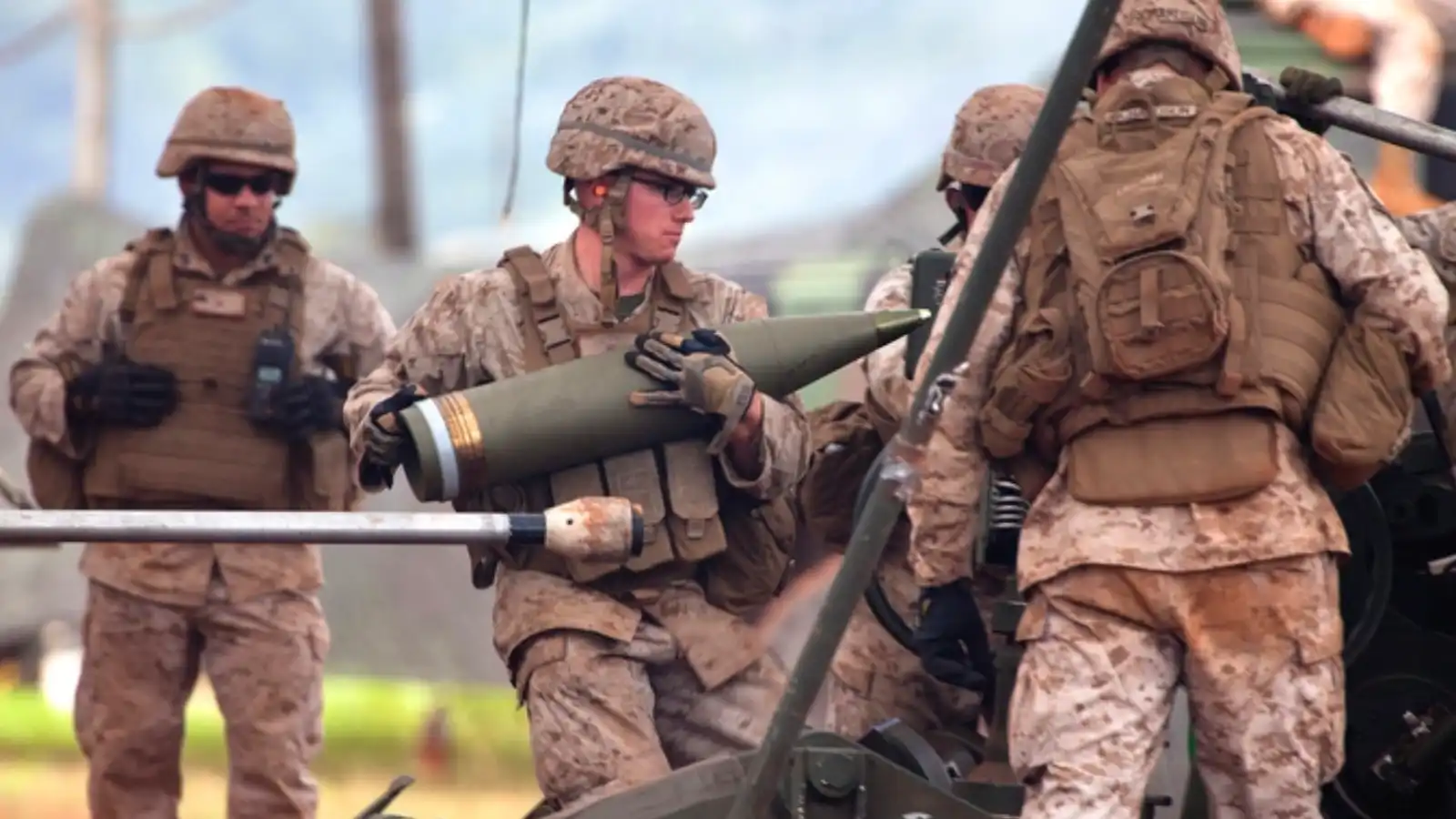
Rheinmetall Ukraine ammunition production continues to expand after the German defense company announced a new contract to supply Ukraine with 155 mm artillery shells and propellant charges valued in the high double digit millions of euros.
According to Rheinmetall, the contract will be recognized during the second quarter of 2026, with deliveries scheduled for completion in the first quarter of 2027. Production is already underway at the company’s Rheinmetall Expal Munitions facility in Spain.
The agreement covers a low five figure quantity of 155 mm artillery projectiles together with compatible propellant charges, providing Ukraine with additional ammunition for NATO standard artillery systems currently deployed on the battlefield.
What The Contract Includes
Rheinmetall said the order includes:
- 155 mm ER02A1 B/B artillery projectiles
- M203 propellant charges
- Production at Rheinmetall Expal Munitions in Spain
- Deliveries completed by the first quarter of 2027
The ammunition is compatible with numerous NATO standard 155 mm artillery systems already fielded across Europe and by Ukraine, supporting interoperability with Western supplied howitzers.
Why The Contract Matters
Although the financial value is modest compared with some of Rheinmetall’s larger framework agreements, the contract reflects an increasingly important trend within Europe’s defense industrial base.
Rather than relying on one time emergency transfers from national stockpiles, Ukraine is increasingly placing direct production orders with European manufacturers. This approach provides greater predictability for both suppliers and military planners while allowing manufacturers to maintain continuous production lines.
For Rheinmetall, the order also demonstrates how sustained demand for artillery ammunition remains a central driver of its business strategy. Since 2022, the company has invested heavily in expanding ammunition production across Europe as NATO members rebuild depleted inventories and continue supporting Ukraine.
Rheinmetall Continues Expanding Shell Production
The company has positioned itself as one of the world’s leading producers of large caliber ammunition.
According to Rheinmetall, its long term production expansion aims to increase annual output to approximately 1.5 million 155 mm artillery shells by 2030, supported by investments in existing facilities and new manufacturing sites across Europe.
That expansion reflects a broader shift in European defense planning, where sustained industrial capacity is becoming as strategically important as individual weapons systems.
Artillery ammunition consumption during the war in Ukraine has underscored the importance of maintaining resilient manufacturing capacity capable of supporting prolonged high intensity operations. As a result, governments across NATO have placed greater emphasis on long term procurement contracts that provide manufacturers with stable production demand.
Broader Strategic Context
The latest order comes as European governments continue increasing defense spending and strengthening their defense industrial bases.
Demand for 155 mm ammunition remains particularly high because it serves as the standard caliber for many NATO artillery systems, making interoperability and logistics significantly easier for allied nations supporting Ukraine.
For Ukraine, securing additional production capacity outside its borders reduces dependence on limited existing inventories while ensuring future deliveries remain tied to expanding industrial output rather than shrinking national stockpiles.
Although Rheinmetall recently experienced market pressure following Germany’s cancellation of a major frigate program, its ammunition business continues to benefit from strong demand across Europe and NATO.
Outlook
The new Rheinmetall Ukraine ammunition contract illustrates how European defense support is increasingly shifting from emergency aid toward long term industrial production.
With manufacturing already underway in Spain and deliveries extending into 2027, the agreement contributes to Ukraine’s future ammunition pipeline while reinforcing Rheinmetall’s growing role as one of Europe’s principal suppliers of NATO standard artillery ammunition.
As European governments continue expanding defense budgets and replenishing military stockpiles, sustained ammunition production is expected to remain a key pillar of regional defense modernization.
Executive Summary:
Qatar has confirmed that approximately $6 billion in frozen Iranian assets have not yet been transferred despite ongoing diplomatic engagement. While both Iran and the United States are sending delegations to Doha, Tehran insists no direct negotiations with American officials are planned, underscoring continued political tensions despite renewed diplomatic contacts.
Qatar Says $6 Billion In Frozen Iranian Funds Not Yet Transferred
The Qatar frozen Iranian funds issue has returned to the center of regional diplomacy after Iranian officials confirmed they are sending a technical delegation to Doha this week to discuss the status of approximately $6 billion in frozen Iranian assets.
At the same time, Tehran firmly rejected reports that it would hold direct negotiations with the United States during the visit, highlighting the continued political sensitivities surrounding sanctions relief and broader US-Iran relations.
The development comes as Washington and Tehran continue indirect diplomatic engagement following a memorandum of understanding reached earlier this month, with Qatar again serving as a key intermediary.
Iran Rejects Direct Talks With Washington
Iranian Foreign Ministry spokesman Esmaeil Baghaei confirmed Monday that a technical delegation will travel to Doha to discuss implementation of the memorandum of understanding, including issues related to the release of the frozen assets.
However, Baghaei dismissed reports that direct meetings with US officials had been arranged.
“There are no negotiation meetings with the US side at any level scheduled in the coming days,” he told reporters.
His comments directly contradicted suggestions that both delegations would meet in Qatar. According to Iranian officials, discussions will focus on technical implementation rather than face-to-face diplomacy with Washington.
Qatar Says Funds Have Not Yet Been Transferred
Qatari officials confirmed that the $6 billion in frozen Iranian funds remain in place and have not yet been transferred.
The assets, originally held overseas under sanctions-related restrictions, have become one of the most closely watched elements of broader diplomatic efforts involving Iran, the United States, and regional mediators.
The issue remains politically sensitive because access to the funds is closely linked to sanctions compliance, financial oversight, and humanitarian spending arrangements negotiated between the parties.
Although discussions continue, no timeline has been announced for when the assets could become available.
United States Also Sending Delegation
US officials have confirmed that an American delegation will also travel to Doha.
Washington has characterized the visit as responding to an Iranian request for discussions, while Tehran maintains that no bilateral negotiations are planned.
The differing public narratives illustrate the diplomatic caution both governments continue to exercise.
Rather than formal negotiations, both sides appear focused on implementing existing understandings through Qatari mediation while avoiding the appearance of renewed direct political engagement.
Strategic Analysis
The Qatar frozen Iranian funds discussions represent more than a financial dispute. They remain a barometer of broader US-Iran relations and the willingness of both governments to pursue limited confidence-building measures despite continuing disagreements over sanctions, regional security, and Iran’s nuclear program.
Qatar has increasingly established itself as one of the region’s most important diplomatic intermediaries. Its ability to facilitate indirect communication has become particularly valuable during periods when direct US-Iran dialogue remains politically difficult.
The continued delay in transferring the funds also demonstrates the complexity of sanctions implementation. Even after political agreements are announced, financial transfers involving sanctioned entities require extensive legal, regulatory, and banking coordination before they can be completed.
For Washington, maintaining oversight of the funds helps balance humanitarian considerations with sanctions enforcement.
For Tehran, gaining access to the assets remains both an economic priority and a political symbol of progress in negotiations with the international community.
The differing public statements issued by both governments further illustrate that diplomatic messaging remains as important as the negotiations themselves. Each side continues to frame developments in ways that support its domestic political position while leaving room for continued indirect engagement.
Regional Implications
The outcome of discussions in Doha could influence future diplomatic efforts across the Middle East.
Although the talks are focused primarily on frozen assets and implementation of previous understandings, successful technical coordination could help preserve channels for future dialogue on broader regional security issues.
Conversely, continued delays or disagreements over implementation could reinforce existing tensions and complicate efforts to maintain diplomatic momentum.
For regional partners, Qatar’s continued role as mediator reinforces its position as a trusted facilitator capable of hosting sensitive discussions between governments that lack formal diplomatic engagement.
Outlook
Officials from both countries are expected to continue technical consultations in Doha over the coming days.
While expectations for a diplomatic breakthrough remain limited, the meetings demonstrate that indirect communication channels remain active despite public disagreements over the nature of the talks.
Whether the $6 billion in frozen Iranian funds can ultimately be transferred will depend on successful implementation of existing agreements and continued cooperation among all parties involved.
Executive Summary:
The United Kingdom has unveiled its long-awaited Defence Investment Plan, committing more than £5 billion over four years to drones and autonomous military systems. The strategy reflects lessons from recent conflicts and seeks to modernize Britain’s armed forces while strengthening NATO readiness and long-term deterrence.
UK Defence Investment Plan Prioritizes Drones And Autonomous Warfare
The UK Defence Investment Plan marks one of Britain’s most significant shifts in defense procurement in decades, placing drones, autonomous systems, artificial intelligence, and digital warfare at the center of future military capability.
Announced by Prime Minister Keir Starmer, the plan increases UK defense investment by approximately £15 billion over the next four years, bringing annual defense spending to roughly £79 billion by 2029. The investment package is intended to modernize armed forces facing increasingly complex security challenges while supporting the government’s longer term commitment to higher NATO defense spending.
The headline announcement is more than £5 billion dedicated to drones and autonomous systems, representing the largest investment of its kind in British military history.
Drone Investment Reflects Changing Battlefield
The emphasis on unmanned systems reflects the rapid evolution of modern warfare.
British officials cited recent conflicts, particularly in Ukraine and the Middle East, as evidence that relatively inexpensive drones can destroy high value military targets while dramatically changing operational planning. The Ministry of Defence said innovation cycles for drone technologies are measured in weeks rather than years, requiring faster procurement and development processes.
The funding will support capabilities across all three military services, including:
- Autonomous attack drones operating alongside Army Apache helicopters under Project NYX.
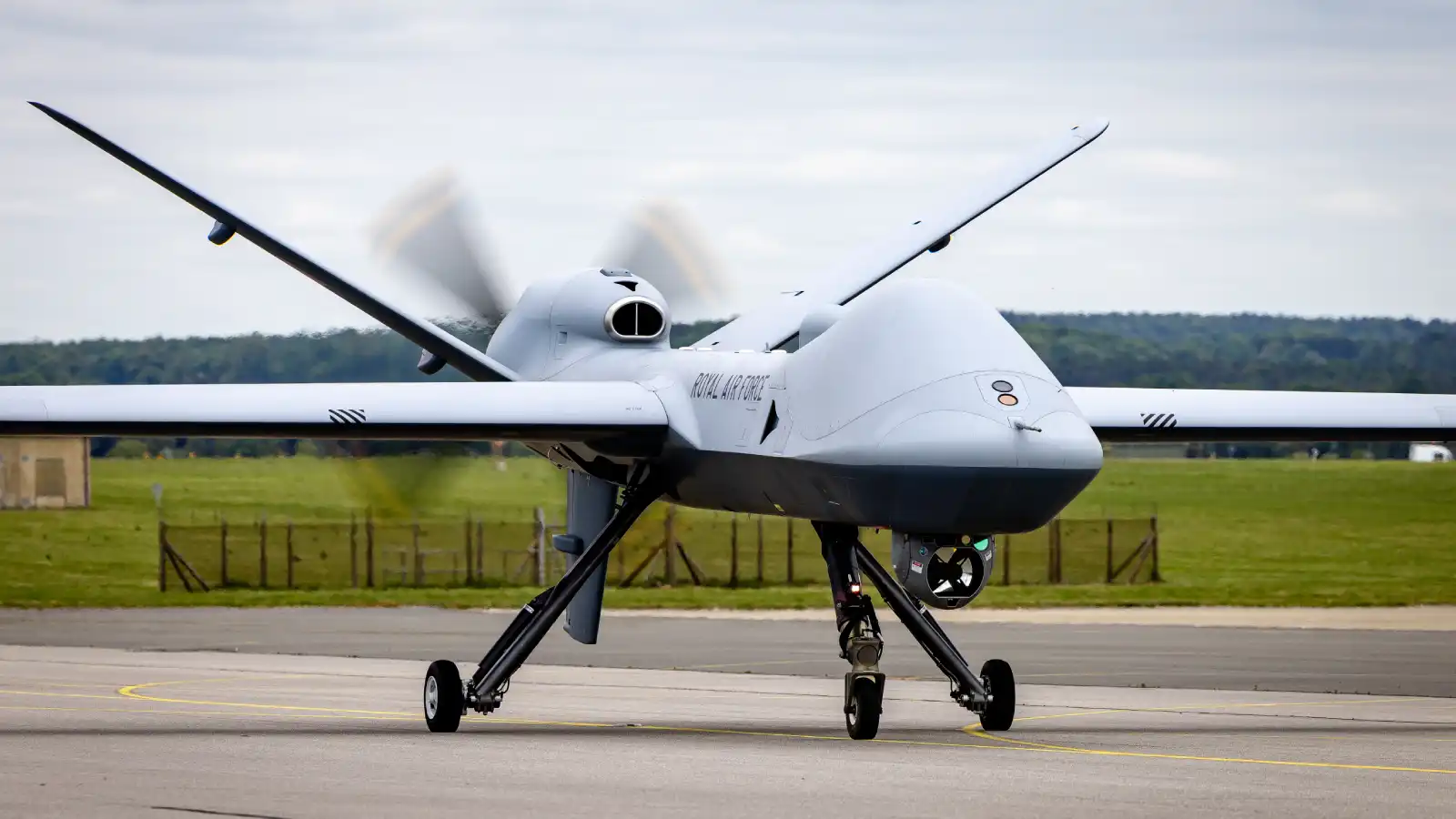
- New surveillance drones replacing the Watchkeeper fleet through Project Corvus.
- Collaborative Combat Aircraft designed to operate with crewed Royal Air Force fighters.
- Expansion of electronic warfare drones, including the Storm Shroud capability.
- Hybrid Royal Navy operations combining crewed vessels with autonomous surface and underwater platforms.
Broader Modernization Program
While drones receive the most attention, the Defence Investment Plan spans nearly every major defense domain.
The government will invest approximately:
- £!– /wp:list-item –>
- £63 billion in Britain’s nuclear deterrent, including Dreadnought submarines, SSN-AUKUS, and modernization of the nuclear warhead enterprise.
- £11 billion for munitions and long range strike weapons.
- £!– /wp:list-item –>
- £!– /wp:list-item –>
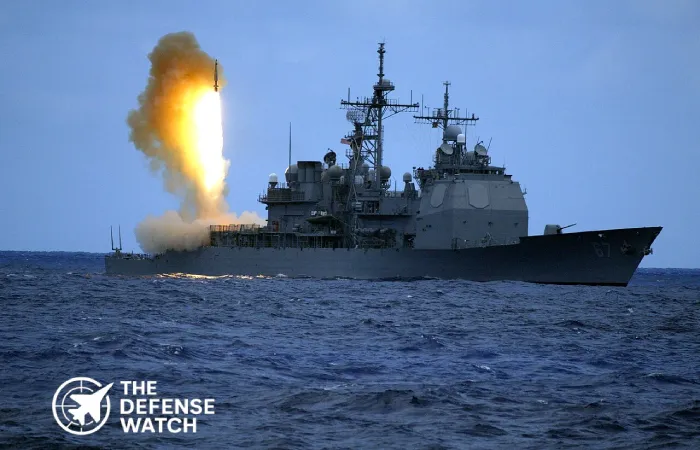
- £790 million to strengthen air and missile defense capabilities.
Together, these investments are intended to implement recommendations from the UK’s Strategic Defence Review while improving readiness across the armed forces.
Analysis: A Shift From Platforms To Networks
The UK Defence Investment Plan illustrates a broader transformation occurring across NATO militaries.
Rather than relying exclusively on increasingly expensive traditional platforms, Britain is investing heavily in networked autonomous capabilities that can complement aircraft, ships, and ground forces.
This approach mirrors operational lessons emerging from Ukraine, where low cost drones have become central to reconnaissance, targeting, electronic warfare, and precision strike missions. Instead of replacing conventional equipment, unmanned systems are increasingly viewed as force multipliers that expand operational reach while reducing risk to personnel.
The Royal Navy’s planned hybrid fleet concept and the RAF’s investment in collaborative combat aircraft also align with similar programs underway in the United States and other NATO allies, highlighting growing consensus that future military operations will integrate crewed and uncrewed systems across every domain.
Budget Challenges Remain
Despite the increased investment, the Defence Investment Plan has attracted criticism from some defense officials and former military leaders.
Reuters reported that the Ministry of Defence originally identified a funding gap of approximately £28 billion, while critics argue the final settlement may still require difficult procurement choices and could delay certain programs. Some analysts have questioned whether the additional funding fully matches Britain’s long term defense ambitions and NATO capability targets.
Nevertheless, defense industry leaders have broadly welcomed the publication of the plan after months of uncertainty, arguing that greater budget clarity should provide stronger planning certainty for suppliers and defense manufacturers.
Strategic Outlook
The Defence Investment Plan demonstrates Britain’s intention to modernize for an era increasingly defined by autonomous warfare, artificial intelligence, and integrated multi domain operations.
While major programs such as GCAP, SSN-AUKUS, and the nuclear deterrent remain central pillars of national defense, the government’s decision to dedicate more than £5 billion to drones signals that unmanned systems are becoming a core capability rather than a supporting technology.
As NATO members continue increasing defense investment in response to evolving security challenges, Britain’s modernization strategy reflects a broader alliance trend toward combining advanced autonomous technologies with traditional military power.
- £!– /wp:list-item –>
- £63 billion in Britain’s nuclear deterrent, including Dreadnought submarines, SSN-AUKUS, and modernization of the nuclear warhead enterprise.
- £11 billion for munitions and long range strike weapons.
- £!– /wp:list-item –>
- £!– /wp:list-item –>
- £790 million to strengthen air and missile defense capabilities.
Together, these investments are intended to implement recommendations from the UK’s Strategic Defence Review while improving readiness across the armed forces.
Analysis: A Shift From Platforms To Networks
The UK Defence Investment Plan illustrates a broader transformation occurring across NATO militaries.
Rather than relying exclusively on increasingly expensive traditional platforms, Britain is investing heavily in networked autonomous capabilities that can complement aircraft, ships, and ground forces.
This approach mirrors operational lessons emerging from Ukraine, where low cost drones have become central to reconnaissance, targeting, electronic warfare, and precision strike missions. Instead of replacing conventional equipment, unmanned systems are increasingly viewed as force multipliers that expand operational reach while reducing risk to personnel.
The Royal Navy’s planned hybrid fleet concept and the RAF’s investment in collaborative combat aircraft also align with similar programs underway in the United States and other NATO allies, highlighting growing consensus that future military operations will integrate crewed and uncrewed systems across every domain.
Budget Challenges Remain
Despite the increased investment, the Defence Investment Plan has attracted criticism from some defense officials and former military leaders.
Reuters reported that the Ministry of Defence originally identified a funding gap of approximately £28 billion, while critics argue the final settlement may still require difficult procurement choices and could delay certain programs. Some analysts have questioned whether the additional funding fully matches Britain’s long term defense ambitions and NATO capability targets.
Nevertheless, defense industry leaders have broadly welcomed the publication of the plan after months of uncertainty, arguing that greater budget clarity should provide stronger planning certainty for suppliers and defense manufacturers.
Strategic Outlook
The Defence Investment Plan demonstrates Britain’s intention to modernize for an era increasingly defined by autonomous warfare, artificial intelligence, and integrated multi domain operations.
While major programs such as GCAP, SSN-AUKUS, and the nuclear deterrent remain central pillars of national defense, the government’s decision to dedicate more than £5 billion to drones signals that unmanned systems are becoming a core capability rather than a supporting technology.
As NATO members continue increasing defense investment in response to evolving security challenges, Britain’s modernization strategy reflects a broader alliance trend toward combining advanced autonomous technologies with traditional military power.
(adsbygoogle = window.adsbygoogle || []).push({});Executive Summary:
Russia fields one of the most diverse fighter inventories on earth — spanning a Mach 2.83 interceptor that predates the Berlin Wall’s fall to a fifth-generation stealth jet currently receiving AI-assisted upgrades. Understanding which platforms matter operationally in 2026 requires cutting through marketing claims and reading what actually flies, what actually kills, and what the Ukraine war has quietly validated.
Russia lost the propaganda war for its air force the moment its jets failed to establish early air superiority over Ukraine. But that narrative obscures something important: the specific aircraft doing the most damage in that conflict are not the ones struggling. They are performing exactly as designed — and they are worth understanding precisely because of it.
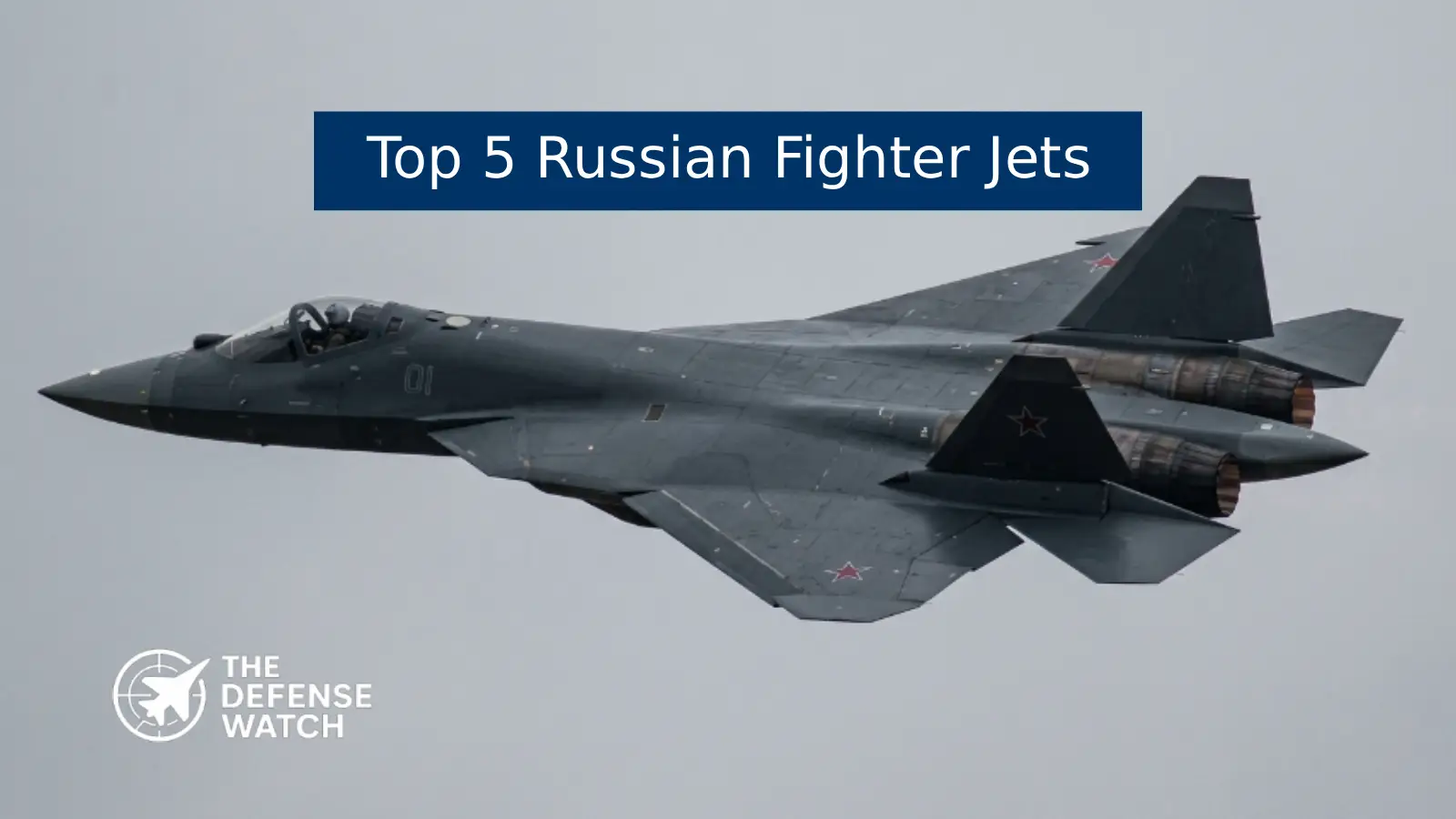
Here are the five Russian fighter jets that genuinely matter in 2026, ranked by operational impact and technical capability.
#1 — Sukhoi Su-35S “Flanker-E”: The War’s Actual Air Supremacy Workhorse
The Su-35S is Russia’s most combat-proven fighter of the current war. Classified as 4++ generation, it bridges the gap between Cold War Flanker doctrine and fifth-generation sensor integration — and it has delivered results.
- Max Speed: Mach 2.25 (~2,700 km/h)
- Combat Radius: ~1,600 km (unrefueled)
- Primary Radar: Irbis-E passive phased array, 400 km detection range
- Engines: 2× Saturn AL-41F1S with 3D thrust vectoring
- Payload: 8,000 kg across 12 hardpoints
- Unit Cost: ~$85 million (export estimate)
- Fleet Size (Russia): 130+ airframes, deliveries ongoing through 2026
According to Rostec, by early 2026 the Su-35S had downed more Ukrainian aircraft in air-to-air combat than any other Russian platform — a claimed total that includes Su-27s, MiG-29s, Su-24s, and Su-25s. In May 2026, reports emerged of a Ukrainian F-16 lost in a long-range engagement, though specific weapon details remain unconfirmed.
The Su-35S accomplishes this without stealth. Its edge is kinematic: twin AL-41F1S turbofans with full 3D thrust vectoring, generating roughly 64,000 lbf combined, make it arguably the most maneuverable production fighter in the world at high angles of attack. Paired with the Irbis-E radar — capable of detecting targets at 400 km — it holds BVR engagement range that most 4th-gen adversaries cannot match.
The strategic gaming parallel: Think of the Su-35S as a macro-dominant player in a real-time strategy game who wins not through a specific tech advantage but through raw mechanical execution and vision control. It does not need stealth if no adversary radar in its theater is good enough to matter at range.
#2 — Sukhoi Su-57 “Felon”: Russia’s Fifth-Gen Bet, Finally Paying Off
Russia’s only operational fifth-generation fighter spent years being dismissed for its production numbers. That critique is thinning. The Russian Aerospace Forces received a new batch in a “upgraded technical configuration” in early 2026, with the Su-57M1 variant expected to enter production before year-end.
⚡ Key Facts at a Glance — Su-57- Max Speed: Mach 2.0 (supercruise at Mach 1.3 without afterburner)
- Combat Radius: ~3,500 km
- Radar: N036 Byelka AESA + N036B-1-01 cheek arrays
- Engines: 2× AL-41F1 (pending full transition to AL-51F-1 / Izdeliye 30)
- Length / Wingspan: 20.1 m / 14.1 m
- Unit Cost: ~$35–50 million (domestic); ~$50–70 million (export)
- Fleet Size (Russia): ~30 airframes in service as of mid-2026
The Su-57’s defining feature is sensor architecture, not stealth alone. Its N036 Byelka AESA radar is supplemented by cheek-mounted arrays providing angular coverage that forward-facing radars cannot achieve — a design priority that reflects Russian doctrine: see broadly, engage first.
(adsbygoogle = window.adsbygoogle || []).push({});In May 2026, the Su-57 conducted at least ten cruise missile launches over Kursk Oblast, the Sea of Azov, and Crimea — its most significant confirmed combat deployment since the war began. Russia appears to be using it as a long-range strike platform from safe standoff positions, preserving airframes while extracting operational value.
The Su-57M1 upgrade cycle adds AI-assisted pilot aids, enlarged airframe sections for improved supersonic lift, and the long-delayed AL-51F-1 engine — the first clean-sheet Russian fighter engine in over 40 years. Algeria has already taken delivery of export units. Vietnam is in discussions.
The cost disruption angle is real. At $50 million per unit versus the F-35’s $110 million, the Su-57 is the rare fifth-generation platform that mid-tier air forces can actually budget for — even if the capability gap versus the F-35 in stealth fidelity and software integration remains significant.
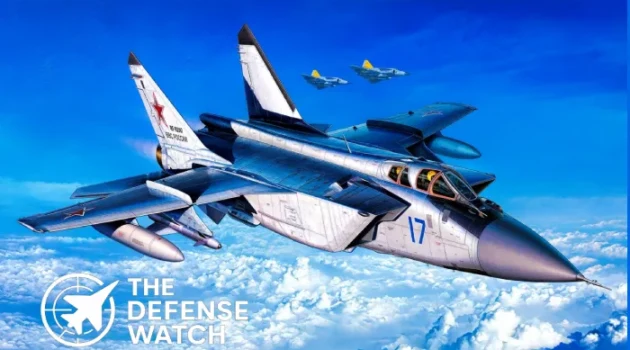
#3 — MiG-31BM “Foxhound”: The Fastest Operational Fighter on Earth
No aircraft in active global service flies faster than the MiG-31. The BM variant, an extensive avionics-focused upgrade of the original 1981 design, remains a unique tool with no Western equivalent.
⚡ Key Facts at a Glance — MiG-31BM- Max Speed: Mach 2.83 (~3,000 km/h)
- Service Ceiling: 20,600 m
- Radar: Zaslon-AM passive phased array, 320 km detection range
- Primary Weapon (BM): R-37M ultra-long-range AAM (400 km range)
- Hypersonic Carrier: Kh-47M2 Kinzhal in MiG-31K variant
- Crew: 2 (pilot + weapons system officer)
- Russia Plans: Extend service life to mid-2030s
The MiG-31BM is not a dogfighter. It is an area denial platform — a tool for intercepting high-altitude threats across Russia’s vast northern territory, where geography demands something that can sprint 1,000 km in under 20 minutes. The R-37M missile it carries has a reported engagement range exceeding 400 km, meaning the MiG-31 can attack AWACS, tankers, and standoff aircraft before they come anywhere near Russian airspace.
The MiG-31K variant introduced a second role: hypersonic delivery. Carrying the Kh-47M2 Kinzhal — essentially an air-launched Iskander-M ballistic missile — the MiG-31K has been used operationally in Ukraine. The platform’s extreme speed and high-altitude cruise profile give Kinzhal an energy head-start that dramatically extends its own speed and penetration capability.
Russia has no replacement for this mission set. The MiG-31 will remain in service into the 2030s by necessity.
#4 — Sukhoi Su-30SM “Flanker-H”: The Export Champion That Fights at Home
The Su-30SM is the aircraft that funded Russian aerospace’s post-Cold War survival. It became the backbone of India’s Air Force, Algeria’s, and Vietnam’s — and then came home as a serious multirole platform for the Russian Aerospace Forces themselves.
⚡ Key Facts at a Glance — Su-30SM- Max Speed: Mach 2.0
- Combat Radius: ~1,500 km
- Crew: 2 (tandem cockpit)
- Engines: 2× AL-31FP with 2D thrust vectoring
- Hardpoints: 12, carrying up to 8,000 kg
- Radar: N011M Bars passive phased array
- Unit Cost: ~$50 million (domestic estimate)
The twin-seat configuration is the Su-30SM’s operational signature. The weapons system officer in the rear cockpit significantly enhances sensor management and weapons employment — particularly relevant during complex multi-target BVR engagements or strike profiles requiring precision targeting coordination.
Its 12 hardpoints accommodate an exceptionally diverse weapon load: R-77 and R-73 for air-to-air, Kh-59 and Kh-31 for ground attack, and P-800 Oniks for anti-ship. That cross-domain flexibility has made it the preferred export option for air forces that cannot afford separate airframes for each mission type.
Russia has operated it extensively in Syria, refining crew tactics for strike-coordination in contested environments.
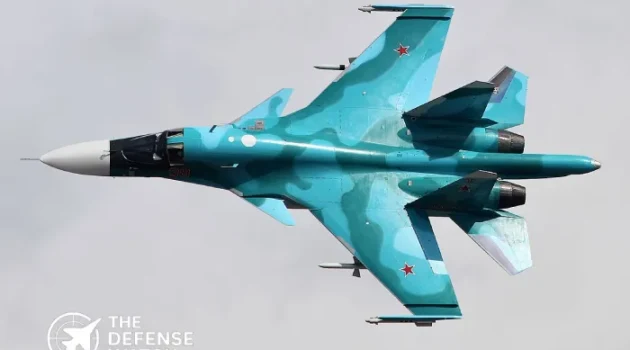
#5 — Sukhoi Su-34 “Fullback”: The Strike Fighter That Rewrote the Mission Profile
The Su-34 looks like a fighter. It carries weapons like a fighter. But inside, it is configured like a light bomber — with a side-by-side cockpit, a galley for crew meals, and a relief tube for multi-hour missions. That unusual design reflects a precise operational requirement.
⚡ Key Facts at a Glance — Su-34- Max Speed: Mach 1.8
- Combat Radius: ~1,100 km (up to 4,000 km ferry range)
- Empty Weight: 22,500 kg (heaviest Russian fighter)
- Hardpoints: 12, up to 8,000 kg weapons load
- Engines: 2× AL-31FM1, ~30,000 lbf thrust each
- Key Weapons: Kh-59, Kh-35, P-800 Oniks, Kh-31 anti-radiation missiles
- Unit Cost: ~$36–50 million (domestic estimate)
Russia has used the Su-34 more than any other aircraft in Ukraine for deep strike missions. Its capacity to carry anti-radiation missiles (suppression of enemy air defenses) while retaining air-to-air missiles for self-defense makes it a critical SEAD/DEAD platform. The Su-34M modernization adds improved targeting systems and expanded guided munitions compatibility.
Its dual-engine redundancy and hardened cockpit give crews survivability margins that single-engine platforms cannot offer on deep penetration routes. In a conflict characterized by dense ground-based air defense systems, that margin matters.
Comparative Specifications Table
Platform Generation Max Speed Combat Radius Unit Cost (Est.) Key Strength Weakness Su-35S 4++ Mach 2.25 1,600 km ~$85M (export) Supermaneuverability, 400 km radar No stealth Su-57 5th Mach 2.0 3,500 km $35–70M Stealth, multi-sensor fusion Low fleet numbers, engine gap MiG-31BM 4th (interceptor) Mach 2.83 720 km ~$50M Speed, 400+ km AAM range, Kinzhal carriage No dogfight role, aging airframe Su-30SM 4+ Mach 2.0 1,500 km ~$50M Crew endurance, cross-domain payload Older radar vs. AESA peers Su-34 4+ strike Mach 1.8 1,100 km ~$36–50M Strike endurance, SEAD, crew comfort Not an air superiority platform The Real Lesson Ukraine Taught About Russian Air Power
“The aircraft that has killed the most Ukrainian jets is not Russia’s most advanced — it is Russia’s most ready.”
The Su-35S, not the Su-57, defined Russian air-to-air performance in this war. That is not a failure of Russian aerospace ambition. It is a confirmation of a doctrine that Western air planners have sometimes underestimated: mass, readiness, and kinematic performance at scale outperform limited quantities of technically superior hardware — at least in a prolonged attritional conflict.
The MiG-31BM reinforces the same point from a different angle. A 1981 airframe, properly upgraded and purpose-matched to a genuine mission need, has remained operationally relevant through multiple conflicts across four decades. Russia kept it because no available replacement does what it does. That is a product management decision as much as a military one.
The Su-57’s restricted deployment — used primarily as a missile truck firing from within Russian airspace — tells a parallel story familiar to competitive gaming: you do not commit your highest-value asset to a contested engagement when standoff range lets you achieve the same effect safely. The Su-57 is being preserved. Whether that reflects operational caution or genuine capability concern is a question the AL-51F-1 engine program and the Su-57M1 production ramp will eventually answer.
Why This Fleet Still Matters Globally in 2026
Russia’s fighter fleet — despite attrition, sanctions, and production constraints — remains a relevant force multiplier for any nation that aligns with or purchases from Moscow. Algeria now operates Su-57s. India is in active discussions for additional Flanker-family aircraft. Vietnam, Belarus, and several Gulf-adjacent states maintain Russian platforms as core air defense infrastructure.
The fleet’s export reach means that Western air forces — and F-35 operators in particular — will train and plan against these platforms for decades. Understanding what the Su-35S actually does in combat, what the MiG-31BM’s R-37M actually threatens, and what the Su-57’s real capability ceiling is matters not just for Russian adversaries but for every defense planner watching the Indo-Pacific and European theaters simultaneously.
Russia’s air force is not winning the war in Ukraine. But Russia’s fighters, at the individual platform level, are performing specific missions with measurable effectiveness — and that is the analysis that actually informs future procurement, doctrine, and allied air combat planning.

Executive Summary:
The Eurofighter Typhoon is Europe’s most operationally active multirole fighter, flown by nine air forces and now accumulating more than one million flying hours across combat, air policing, and NATO interoperability missions. With the Tranche 5 standard and ECRS Mk2 AESA radar in development, the platform is no longer a legacy 4th-gen holdout — it is being transformed into a 4.5+ generation electromagnetic warfare node with a service horizon extending past 2040. New orders placed in 2025 alone totalled over €15 billion across Germany, Italy, Spain, Turkey, and Bangladesh.
Forty-four Typhoons for Turkey. Twenty Tranche 5 jets for Germany approved at €3.75 billion. A Bangladesh letter of intent signed December 2025. An Italian order worth €7.5 billion finalized the same month. In a year when Europe’s defense procurement machine accelerated to a pace not seen since the Cold War, the Eurofighter Typhoon was the aircraft everyone wanted most.
That’s not a coincidence. The Typhoon has spent two decades quietly accumulating one of the most operationally diverse combat records of any Western fighter — and its upgrade roadmap is now threatening to make it more capable than several fifth-generation platforms in contested electromagnetic environments.
The Hard Numbers: What Makes the Typhoon Different
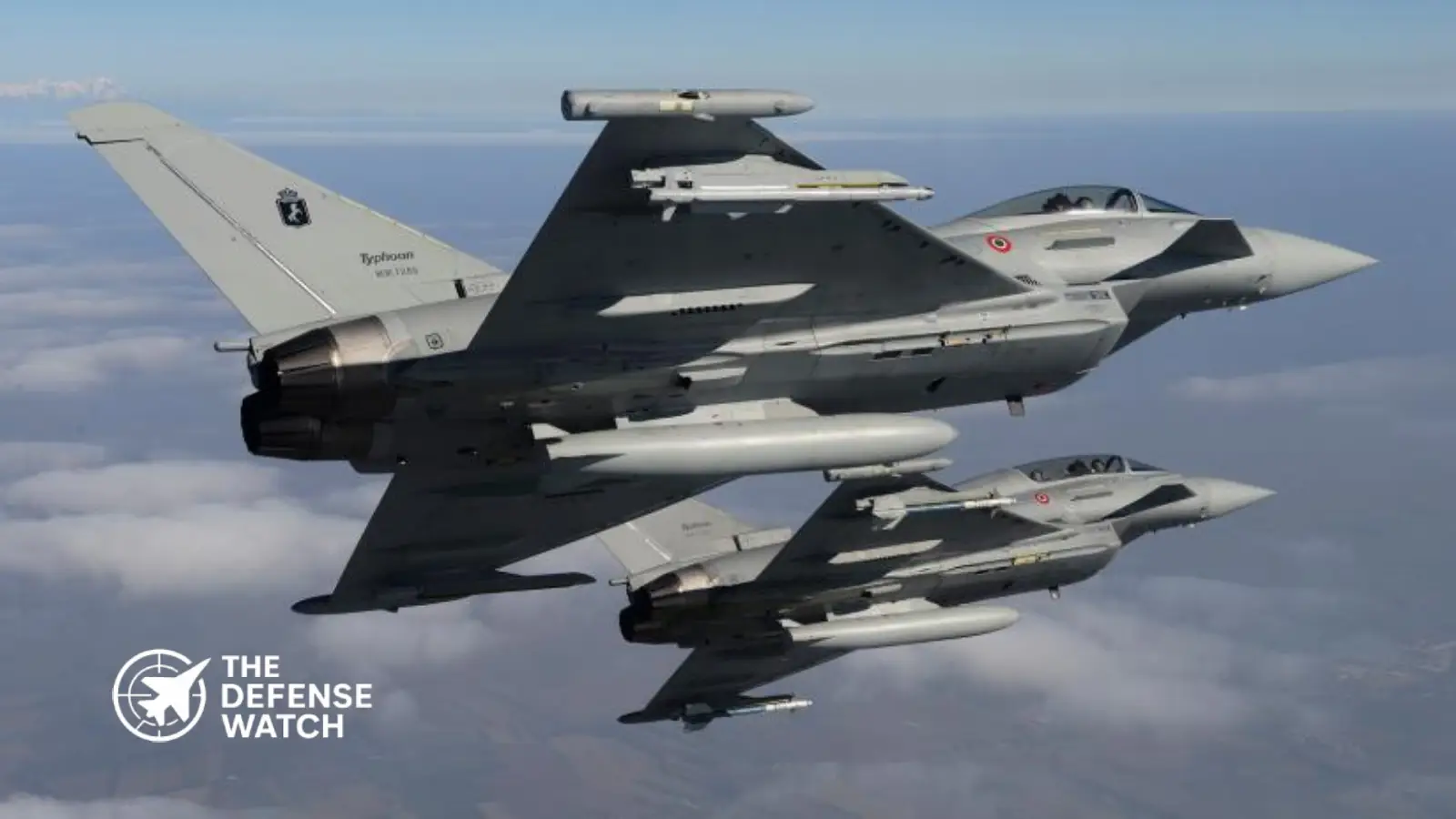
The Typhoon is a twin-engine, canard-delta multirole fighter designed from the start to be aerodynamically unstable — a deliberate engineering choice that gives it exceptional agility at the cost of requiring fly-by-wire computers to keep it airborne every millisecond. That instability is a feature.
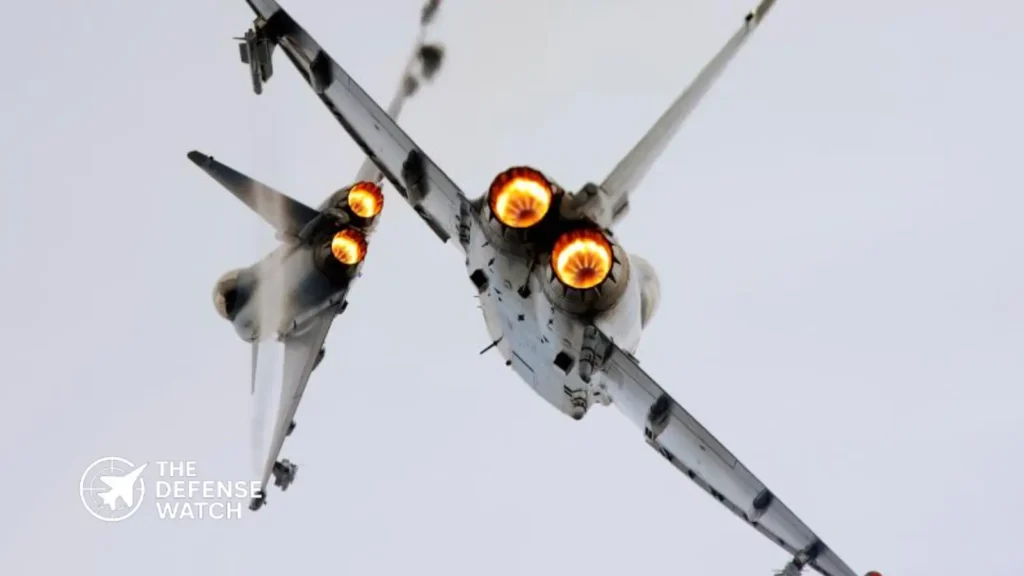
At maximum performance, the aircraft hits Mach 2.35 at altitude — faster than the F-35A (Mach 1.6) and the Dassault Rafale (Mach 1.8). Its EJ200 engines enable supercruise: sustained supersonic flight without afterburner, extending both range and survivability by reducing the aircraft’s infrared signature during cruise. Engine health monitoring is rated at 1,200 flying hours between unscheduled maintenance events.
The airframe uses composite materials for roughly 85% of its surface area, reducing radar cross-section compared to conventional metal construction while cutting structural weight by approximately 30%. Only 15% of the aircraft’s outer mold line is traditional metal. That’s a stealth-adjacent design philosophy built into the bones of a platform that predates the modern stealth era.

Weapons carriage is genuinely multi-role. The Typhoon fields up to 13 external hardpoints, capable of simultaneously carrying Meteor BVR missiles (the longest-ranged Western air-to-air missile in service), Brimstone 2 precision strike munitions, Storm Shadow/SCALP cruise missiles, and Paveway IV GPS/laser-guided bombs — all in a single sortie when configured for swing-role operations.
Technical Data: Eurofighter Typhoon vs. Primary Competitors
Metric Eurofighter Typhoon (T4/T5) Dassault Rafale F4 F-35A Lightning II Max Speed Mach 2.35 Mach 1.8 Mach 1.6 Unit Cost (approx.) ~€140M (T5) ~€120M (F4, French AF) ~$82M (FY2024 LRIP) Engine 2× EJ200 (20,000 lbf each) 2× M88-4E (16,900 lbf each) 1× F135 (43,000 lbf with AB) Radar (current/future) Captor-M → ECRS Mk0/Mk1/Mk2 RBE2-AA AESA APG-81 AESA Supercruise Yes (Mach ~1.2–1.3) Limited No SEAD/EW Role Yes (EK/ECRS Mk2) Limited No dedicated variant Operators (2026) 9 nations, 700+ aircraft 9 nations, ~220 on order 20+ nations, ~1,000+ delivered Service Horizon 2040s+ (with upgrades) 2040s (Rafale F5 planned) 2070s (platform lifecycle) Combat Debut 2011 Libya 2015 Syria 2019 USAF Cost data: Germany Tranche 5 contract (Breaking Defense, Oct 2025); Rafale French AF estimate (2025 French parliamentary review); F-35 FY2024 Selected Acquisition Report.
The ECRS Mk2: Why This Radar Changes the Calculus
Radar defines the modern air combat kill chain. The Typhoon’s long-standing weakness — its legacy mechanical Captor-M radar — is being corrected in the most aggressive terms possible.
The ECRS Mk2 (European Common Radar System Mark 2), developed by Leonardo UK and integrated by BAE Systems, is not simply a better radar. It is a multi-function active electronically scanned array that combines air-to-air search, ground targeting, and offensive electronic jamming into a single aperture. Its field of regard extends to approximately 200 degrees — about 50% wider than a conventional fixed-plate AESA — enabled by a mechanical steering pivot behind the array.
The radar uses gallium nitride (GaN) transmitter/receiver modules rather than the older gallium arsenide (GaAs) technology. GaN delivers higher power density, wider bandwidth, and better thermal efficiency. In practical terms, this allows the Mk2 to simultaneously track multiple targets, jam enemy radar emitters, and conduct SEAD (Suppression of Enemy Air Defenses) missions — all in one weapon system integration.
The ECRS Mk2 completed its first flight on a UK test and evaluation Typhoon at BAE Systems’ Warton facility in late 2024. The RAF’s Tranche 5 aircraft will receive Mk2 as standard. For Germany and Spain, the ECRS Mk1 from Hensoldt/Indra fills the same generation slot with GaN modules and enhanced signal processing.
When fully fielded, a Mk2-equipped Typhoon will be able to enter contested airspace, blind enemy integrated air defense systems, designate targets for follow-on forces, and egress — without a dedicated electronic attack aircraft in the flight package. That is a capability currently unique to the EA-18G Growler in the Western inventory.
Combat Record: What the Typhoon Has Actually Done
The Typhoon’s combat history is longer than most people realize, and more varied.
In 2011, RAF Typhoons conducted their combat debut over Libya, dropping Paveway IV bombs on armored targets — a mission that required rapid capability integration to even happen. In January 2024, four RAF Typhoons struck Houthi military facilities in Yemen with Paveway IVs during Operation Shader’s Red Sea operations. In April 2024, RAF Typhoons based in Cyprus and Romania intercepted Iranian UAVs during the 2024 Iranian drone strikes on Israel, engaging targets in Iraqi and Syrian airspace — a live ADIZ defense mission over a third-party state.
Most recently, in March 2026, an RAF Typhoon from 12 Squadron operating out of Qatar shot down an Iranian UAV approaching Qatari airspace. That engagement is not a footnote. It is proof that the Typhoon is the primary Western fighter conducting live air defense intercepts in the Persian Gulf theater right now.
During NATO Steadfast Dart 26 in February 2026, German Typhoons conducted manned-unmanned teaming (MUM-T) exercises with Turkish Bayraktar TB3 drones — the UAV provided ISTAR data to Typhoon pilots who then prosecuted precision strikes. It was the first public validation of the Typhoon’s MUM-T architecture in a NATO exercise context.
The Strategic Insight: Adaptability as the Core Doctrine
Here’s the angle that separates Typhoon operators from operators of most other fourth-generation platforms: the aircraft was designed to be upgraded in layers, not replaced in blocks.
In competitive gaming, the teams that win championships over consecutive seasons rarely do so on mechanical skill alone. They win on meta-adaptation — reading the evolving threat environment faster than opponents and restructuring their composition before the enemy can counter. Organizations like Team Liquid or FaZe Clan maintain longevity not by sticking to a single playstyle, but by systematically expanding their toolkit while preserving core strengths.
The Typhoon operates on exactly this doctrine. Its Tranche upgrade system — from Tranche 1’s basic air defense configuration through Tranche 3’s full swing-role capability to Tranche 5’s open software architecture and MUM-T integration — has kept a single airframe relevant across three decades of threat evolution. The avionics computing power in the Tranche 5/ECRS Mk2 configuration is reported to represent a 200-fold increase over Tranche 1 standard. Same aircraft. Completely different brain.
Germany’s decision in October 2025 to approve 20 Tranche 5 Typhoons at €3.75 billion — with deliveries running 2031 to 2034 — and simultaneously fund a €1.13 billion electronic warfare upgrade for 15 existing Typhoon EK aircraft illustrates this doctrine in budget form. The platform is not being retired. It is being restructured as an electromagnetic warfare node while the sixth-generation GCAP/Tempest program matures.
“The Eurofighter Typhoon is predestined to become a bridge for the next generation combat air system.” — Eurofighter GmbH Programme Directorate
That statement is no longer aspirational. With GCAP (the UK-Italy-Japan sixth-generation program) unlikely to reach initial operational capability before the mid-2030s, the Typhoon will carry NATO’s European air superiority burden for at least another 15 years. Every upgrade invested now — ECRS Mk2, Meteor integration, Striker II helmet, AREXIS EW suite — extends that bridge.
The Export Story: Why Nine Nations Have Said Yes
The Typhoon’s export trajectory tells a story that pure capability numbers cannot. Austria, Saudi Arabia, Oman, Qatar, and Kuwait all operate the platform. Turkey signed a £5.4 billion deal with the UK in October 2025 for 20 aircraft — Britain’s largest fighter export deal in nearly two decades, and Turkey’s first combat aircraft purchase from a non-American supplier.
Bangladesh signed a letter of intent with Leonardo in December 2025. The Philippines is evaluating a 32-aircraft Tranche 5 package. Egypt and Italy are negotiating 24 aircraft for approximately $3 billion.
The common thread across these customers is not price — at roughly €140 million per Tranche 5 unit, the Typhoon is not cheap. The common thread is industrial partnership. Every Typhoon sale comes with technology transfer agreements, local maintenance training, national workshare arrangements, and access to a supply chain that supports over 100,000 skilled jobs across Europe. For nations building sovereign defense industries, that package is worth the premium.
Conclusion: The Typhoon in 2026
The Eurofighter Typhoon arrived at its 2026 position through a combination of genuine capability and relentless adaptation. Its combat record spans Libya, Syria, Iraq, Yemen, and the Persian Gulf. Its order books are fuller now than they were five years ago. Its radar is being rebuilt from first principles with GaN AESA technology that puts it ahead of most competitors in the electromagnetic domain.
The narrative that the Typhoon is a transitional platform waiting to be replaced by GCAP or F-35 misses the operational reality. NATO’s European air forces cannot wait for sixth-generation fighters. The Typhoon is what they have, and the Tranche 5 program is ensuring it remains worth having.
One million flying hours logged. Hundreds of live intercepts completed. More than €15 billion in new orders signed in a single calendar year.
The storm isn’t passing. It’s intensifying.
Frequently Asked Questions
How much does a Eurofighter Typhoon cost in 2026?A Tranche 5 Eurofighter Typhoon costs approximately €140 million per unit, based on reported figures from late 2025 program reviews. Germany’s October 2025 contract for 20 Tranche 5 jets was valued at €3.75 billion (~€187 million per aircraft when including associated simulators and support equipment). Export unit pricing varies significantly by contract structure and offset agreements.
How fast is the Eurofighter Typhoon?The Typhoon reaches a maximum speed of Mach 2.35 at altitude. It also has supercruise capability — sustained supersonic flight without afterburner — which reduces the aircraft’s infrared signature during transit and extends operational range compared to non-supercruising platforms.
Has the Eurofighter Typhoon been used in combat?Yes. The Typhoon has a confirmed combat record spanning Libya (2011), Syria and Iraq (2015–present), Yemen (2024), and the Persian Gulf (2024–2026). RAF Typhoons conducted live intercepts of Iranian drones during the April 2024 Israeli strikes and shot down an Iranian UAV over Qatar in March 2026.
What is the ECRS Mk2 radar on the Typhoon?The ECRS Mk2 (European Common Radar System Mark 2) is a next-generation AESA radar developed by Leonardo UK and integrated by BAE Systems. It combines air-to-air targeting, air-to-surface modes, and offensive electronic jamming in a single system. The radar uses gallium nitride modules and has a 200-degree field of regard, making it one of the most capable radar/EW systems fitted to any 4th or 4.5th generation fighter.
How many countries operate the Eurofighter Typhoon?As of 2026, nine countries operate the Typhoon: the United Kingdom, Germany, Italy, Spain, Saudi Arabia, Oman, Qatar, Kuwait, and Austria. Turkey, Bangladesh, and the Philippines are in various stages of procurement discussions or signed agreements.
Will the Eurofighter Typhoon be replaced by GCAP?The UK and Italy plan to replace their Typhoons with the sixth-generation GCAP (Global Combat Air Programme), developed jointly with Japan. However, GCAP is not expected to reach operational service before the mid-2030s at the earliest. Tranche 5 Typhoons being ordered now will bridge that gap, with a projected service life extending into the 2040s.
¦ Key Takeaways- The U.S. Army awarded Tepa-Weston JV a $14.06 million firm-fixed-price contract to rehabilitate the Hawthorne Army Depot New Bomb Open Detonation Range in Nevada.
- Work includes unexploded ordnance removal, explosive hazard mitigation, detention basin redesign, and flood protection upgrades.
- The upgraded infrastructure must withstand a 500-year flood event while controlling offsite stormwater discharge from a 100-year storm.
- Fiscal Year 2026 Army procurement funds were obligated at award, with project completion expected by May 2028.
- The effort supports long-term safety, environmental compliance, and continued munitions disposal operations at one of the Army’s key ammunition facilities.
The U.S. Army has awarded Tepa-Weston JV of Kansas City, Missouri, a $14.06 million firm-fixed-price contract to rehabilitate critical infrastructure at the New Bomb Open Detonation Range located within Hawthorne Army Depot, Nevada.
According to the award announcement issued by Army Contracting Command at Rock Island Arsenal, Illinois, the project includes design, rehabilitation, and construction work focused on detention basins and surrounding infrastructure, as well as the removal of explosive hazards and unexploded ordnance (UXO) across the work area. Fiscal Year 2026 Army procurement funding was fully obligated at the time of award.
Work is scheduled to continue through May 31, 2028.
Deep Technical & Strategic Context Analysis
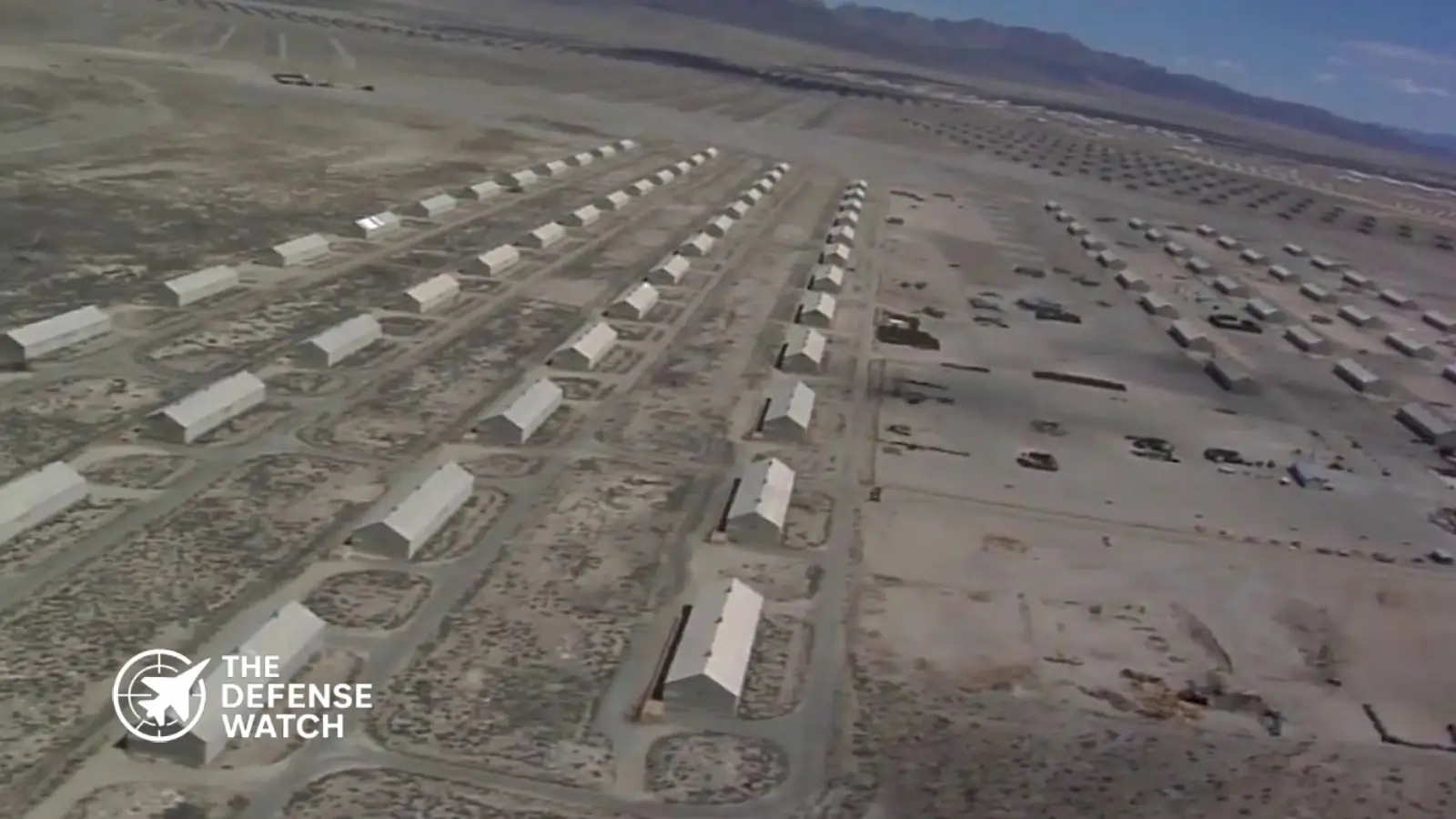
Hawthorne Army Depot is one of the largest ammunition storage and demilitarization facilities in the United States. The installation plays a critical role in the long-term storage, maintenance, disposal, and demilitarization of conventional munitions. Open detonation ranges such as the New Bomb Open Detonation Range are essential for safely destroying obsolete, damaged, unstable, or excess munitions that cannot be disassembled economically or safely through industrial demilitarization processes.
The contract highlights an often overlooked but increasingly important area of military modernization: environmental resilience and explosive safety infrastructure. Climate-driven weather extremes have forced the Department of Defense to reassess the resilience of ammunition depots, test ranges, and disposal sites across the United States. By redesigning detention basins to withstand a 500-year flood event, the Army is reducing the risk of contaminated runoff, erosion, and damage to explosive disposal areas that could interrupt critical munitions disposal operations.
The use of a firm-fixed-price contract means the contractor assumes much of the cost risk associated with project execution. Unlike cost-reimbursement contracts, the agreed price remains fixed unless specific contract modifications are approved. This structure provides greater cost predictability for the government while incentivizing efficient project management by the contractor.
Contract Breakdown & Details
Scope of Work
The awarded contract covers several major project elements:
- Removal of explosive hazards
- Identification and clearance of material potentially presenting an explosive hazard (MPPEH).
- Detection and removal of unexploded ordnance across affected work zones.
- Stormwater infrastructure modernization
- Redesign and reconstruction of detention basins.
- Upgrades intended to improve flood resilience and environmental compliance.
- Range rehabilitation
- Restoration of areas supporting open detonation operations.
- Improvements to surrounding infrastructure impacted by explosive disposal activities.
Flood Protection Requirements
The Army established demanding engineering standards for the project:
- 500-year flood survivability requirement
- Detention basin infrastructure must remain structurally resilient during an extreme flood event statistically expected once every 500 years.
- 100-year stormwater control requirement
- Systems must prevent uncontrolled offsite discharge during a 100-year storm event or the most severe storm event historically recorded at the site.
These requirements reflect growing Department of Defense emphasis on climate resilience and environmental stewardship at military installations handling hazardous materials.
Contract Details
Item Details Contractor Tepa-Weston JV Contract Value $14,060,476 Contract Type Firm-Fixed-Price Location Hawthorne Army Depot, Nevada Completion Date May 31, 2028 Funding Source Fiscal Year 2026 Army Other Procurement Funds Contracting Activity Army Contracting Command, Rock Island Arsenal, Illinois Contract Number W519TC-26-C-A042 Competition Information
- Solicitation Method: Internet-based competitive solicitation
- Number of Bids Received: One
- Award Status: Contract awarded and funded
Geographic Work Distribution
Location Share of Work Hawthorne Army Depot, Nevada 100% Why The Project Matters
While major defense headlines often focus on missiles, aircraft, and combat vehicles, ammunition infrastructure remains a foundational element of military readiness. The ability to safely store, manage, and dispose of aging munitions directly affects force modernization efforts and inventory management across the U.S. military.
Facilities such as Hawthorne Army Depot support the lifecycle management of millions of rounds of ammunition and explosive items. Investments in explosive safety systems, environmental protection measures, and resilient infrastructure help ensure that demilitarization operations continue uninterrupted while reducing operational and environmental risks.
As the Army modernizes its munitions enterprise and expands production capacity across multiple weapon programs, maintaining safe disposal and storage infrastructure will remain a critical component of sustaining long-term readiness.
Executive Summary:
The U.S. Space Force has successfully demonstrated a new level of tactically responsive space operations through the VICTUS HAZE mission. Rocket Lab launched and deployed a spacecraft within 16 hours and 42 minutes of receiving a launch order, while on orbit operations involving Rocket Lab and True Anomaly vehicles are now underway to test rapid response and space domain awareness capabilities.
U.S. Space Force Demonstrates VICTUS HAZE Responsive Launch Capability
The VICTUS HAZE mission has entered a new phase as the U.S. Space Force transitions from rapid launch execution to active on orbit operations, marking a significant milestone in the service’s Tactically Responsive Space (TacRS) initiative. According to Space Systems Command and mission partners, the operation demonstrated the ability to rapidly deploy and activate space assets in response to emerging operational requirements.
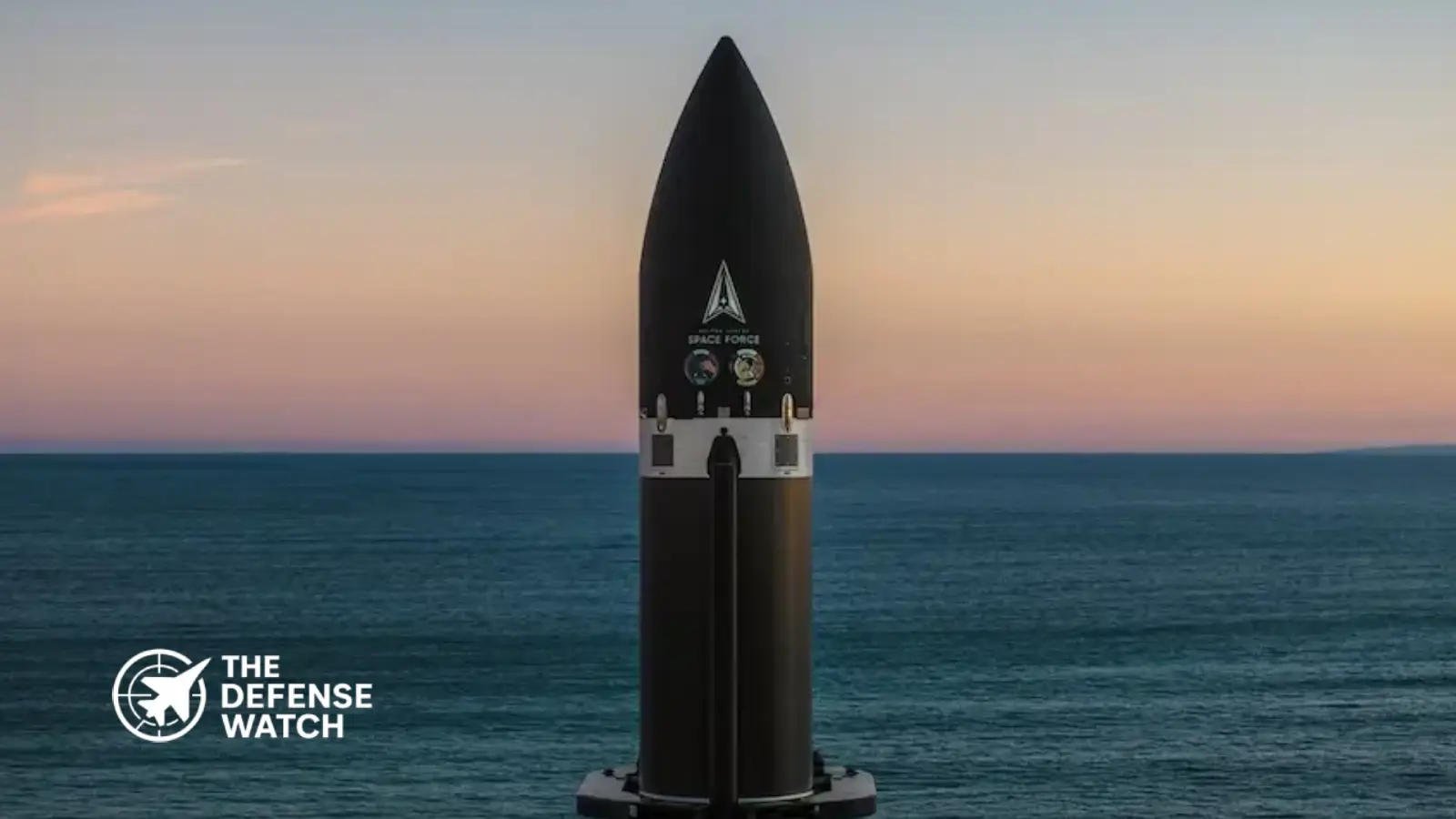
Rocket Lab successfully launched its Electron rocket carrying a Pioneer-class spacecraft for the mission after receiving a Notice to Launch from the U.S. Space Force. The company completed the launch just 16 hours and 42 minutes after receiving the order, establishing a new benchmark for responsive launch operations and surpassing the previous TacRS record by more than ten hours.
The launch took place from Rocket Lab’s Launch Complex 1 in New Zealand on June 19, deploying the spacecraft into low Earth orbit for the next stage of the exercise.
Mission Moves From Launch To Orbital Operations
With the launch phase complete, the focus has shifted to orbital activities designed to test advanced space domain awareness and rendezvous capabilities.
The Rocket Lab-built Pioneer spacecraft has completed commissioning and begun conducting Rendezvous and Proximity Operations (RPO), a highly specialized mission set involving the approach, observation, and characterization of another spacecraft in orbit. The operation is intended to simulate real-world responses to potential threats or unusual activity in space.
According to mission information released by Rocket Lab and Space Systems Command, Pioneer will maneuver near a second spacecraft and gather imagery and operational data in near real time. These activities are intended to evaluate how quickly military and commercial operators can identify and characterize objects in orbit during a crisis scenario.
The counterpart spacecraft involved in the exercise is True Anomaly’s Jackal Autonomous Orbital Vehicle, which serves as the target vehicle during portions of the mission’s proximity operations.
Why VICTUS HAZE Matters
The VICTUS HAZE mission represents more than a launch speed record. It is part of a broader effort by the U.S. Space Force to establish operationally relevant procedures for responding to threats in orbit on timelines measured in hours rather than months or years.
Space Systems Command has spent several years refining the TacRS concept through exercises and demonstrations designed to shorten launch preparation timelines and improve coordination between government and commercial providers. The objective is to ensure that critical space capabilities can be fielded rapidly when national security requirements demand it.
An important aspect of VICTUS HAZE is that Rocket Lab provided an end to end capability, including spacecraft design, manufacturing, launch services, and mission operations. This integrated approach reduces coordination complexity and may offer a model for future responsive space missions.
From an operational perspective, the ability to rapidly launch a satellite, place it into a specific orbit, and immediately begin proximity operations enhances U.S. capabilities in space domain awareness. Such capabilities can support the monitoring of potentially hostile or unidentified spacecraft and improve understanding of activity in increasingly congested orbital environments.
Growing Importance Of Responsive Space Operations
The mission arrives as military planners place greater emphasis on resilience and agility in space. Potential adversaries continue to expand their space capabilities, increasing demand for systems that can be deployed quickly and operate flexibly in contested environments.
VICTUS HAZE demonstrates that commercial launch providers and spacecraft manufacturers can support military timelines that were previously considered extremely difficult to achieve. The mission also validates processes for rapidly activating spacecraft and conducting complex orbital maneuvers shortly after launch.
The successful transition from responsive launch to active orbital operations suggests that future TacRS missions could play an increasingly important role in maintaining U.S. space readiness and operational flexibility. While the current exercise remains a demonstration, it provides valuable data that could shape future Space Force acquisition strategies and operational concepts.
Newer Posts