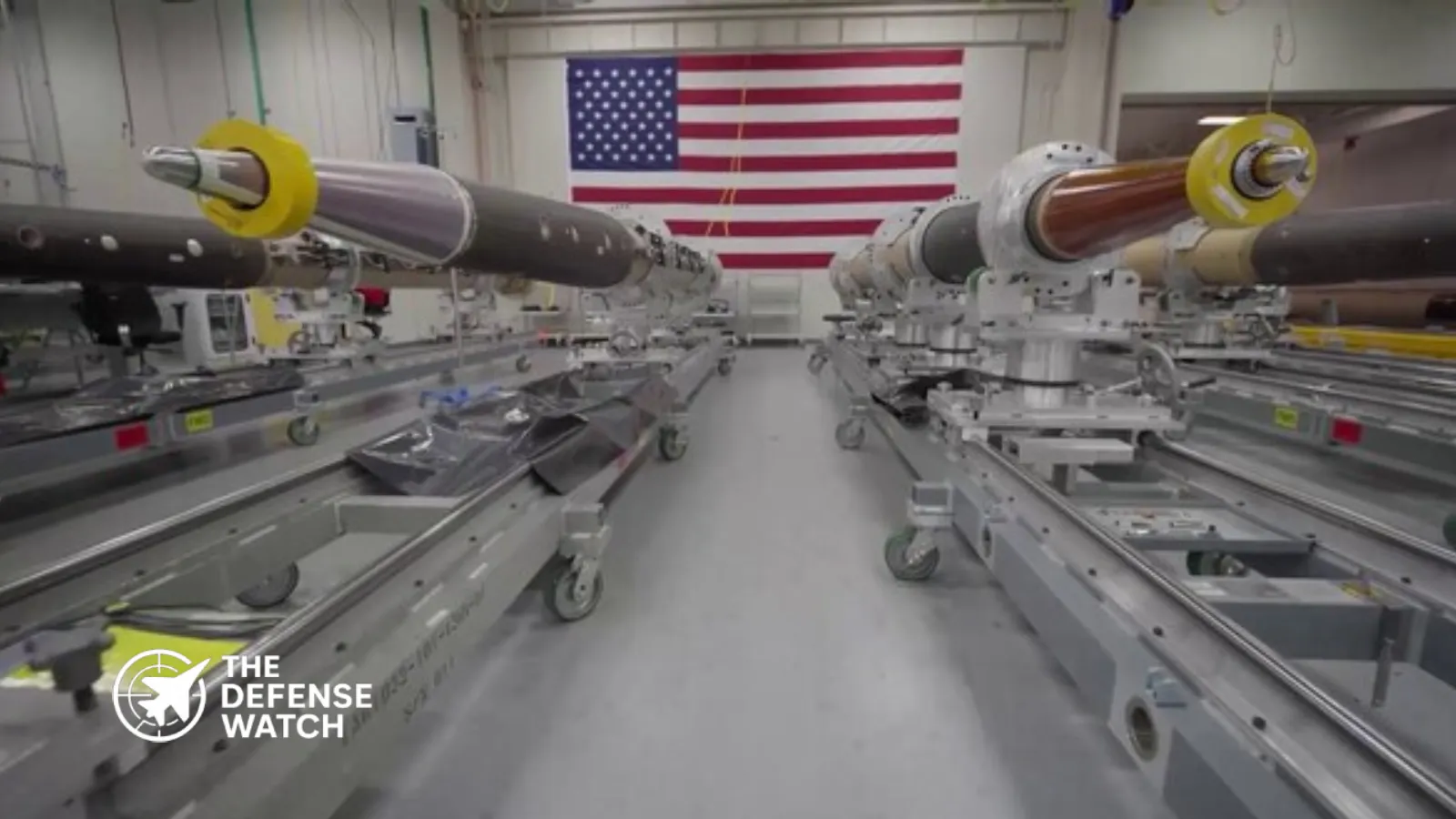
Executive Summary:
Lockheed Martin used its second quarter 2026 update to highlight major investments in missile production, advanced manufacturing, and next-generation defense technologies. The company’s expansion comes as the United States and allied nations seek to replenish missile inventories, strengthen the defense industrial base, and accelerate delivery of critical air and missile defense capabilities.
Lockheed Martin Second Quarter 2026 Highlights Reflect Expanding Defense Production
Lockheed Martin’s Second Quarter 2026 Highlights demonstrate how the company is increasing production capacity while supporting U.S. and allied military modernization efforts. The update, released on July 23, accompanies the company’s quarterly financial results and outlines investments spanning missile production, air defense, advanced manufacturing, and digital engineering.
The announcement comes as global demand for missile defense systems, tactical missiles, fifth-generation aircraft, and integrated combat capabilities continues to rise amid ongoing geopolitical tensions and increased defense spending across NATO and Indo-Pacific partners.
Major Second Quarter Highlights
Lockheed Martin identified ten major achievements during the quarter, including:
| Initiative | Operational Significance |
|---|---|
| New Munitions Production Center in Troy, Alabama | Expands THAAD interceptor manufacturing capacity |
| Next Generation Interceptor Facility in Courtland, Alabama | Supports homeland missile defense development |
| Accelerated missile production | Higher output of THAAD, PAC-3 and Precision Strike Missile programs |
| Advanced manufacturing investments | Improves production efficiency and supply chain resilience |
| Continued technology innovation | Supports future integrated air, missile and space defense capabilities |
According to the company, these investments are designed to strengthen America’s defense industrial base while improving production speed and long-term manufacturing resilience.
New Alabama Facilities Expand Missile Defense Production
One of the most significant announcements was the opening of an 87,000 square foot Munitions Production Center in Troy, Alabama.
The facility will support:
- Increased THAAD interceptor production
- Future Next Generation Interceptor manufacturing
- Expanded skilled manufacturing workforce
- Faster missile deliveries for U.S. and allied customers
Lockheed Martin also officially opened its Next Generation Interceptor facility in Courtland, Alabama, further expanding the company’s role in the Missile Defense Agency’s homeland defense modernization efforts.
These investments represent one of the largest recent expansions of U.S. missile manufacturing infrastructure.
Financial Results Underscore Strong Defense Demand
The operational milestones were accompanied by strong financial performance.
| Metric | Q2 2026 |
|---|---|
| Sales | $20.1 billion |
| Net Earnings | $1.8 billion |
| Earnings Per Share | $7.94 |
| Cash From Operations | $3.2 billion |
| Free Cash Flow | $2.9 billion |
| Record Backlog | $230 billion |
The company also raised its full-year financial outlook after reporting growth across all business segments. Much of the increase was driven by higher production volumes for missile defense systems, including PAC-3, THAAD, and Precision Strike Missile programs.
Missile Production Continues To Accelerate
Lockheed Martin’s Missiles and Fire Control business reported particularly strong performance.
Second quarter sales increased 19 percent year over year, largely because of production increases involving:
- PAC-3 Missile Segment Enhancement interceptors
- THAAD interceptors
- Precision Strike Missile (PrSM)
The company attributed much of the growth to accelerated production ramps responding to Pentagon requirements and allied procurement programs.
Why This Matters For U.S. Defense Strategy
Beyond quarterly financial results, the second quarter update highlights an important strategic trend.
The Pentagon has repeatedly emphasized rebuilding missile inventories following increased operational demand and foreign military assistance commitments. Expanding production capacity has become as strategically important as developing new weapons.
New manufacturing facilities reduce production bottlenecks while providing greater surge capacity during future crises. They also strengthen domestic supply chains, an area that has received growing attention since disruptions experienced during the pandemic and subsequent global conflicts.
Missile defense systems such as THAAD remain central to U.S. regional deterrence strategies in Europe, the Middle East, and the Indo-Pacific. Increasing interceptor output directly supports those operational requirements while improving readiness for both homeland defense and allied deployments.
Similarly, continued investment in the Next Generation Interceptor program reflects Washington’s long-term focus on countering increasingly sophisticated ballistic missile threats. The system is intended to replace aging Ground-Based Interceptors protecting the U.S. homeland against long-range missile attacks.
Defense Industrial Base Becomes A Strategic Capability
The broader significance of Lockheed Martin’s investments extends beyond individual weapons programs.
Defense planners increasingly view industrial capacity as a component of national security. Recent conflicts have demonstrated that sustained military operations require large-scale production of missiles, interceptors, and precision-guided weapons over extended periods.
By expanding manufacturing infrastructure before future demand peaks, Lockheed Martin positions itself to support both U.S. military modernization and allied procurement programs. Similar production expansions are occurring across the American defense sector as contractors respond to increased Pentagon funding and long-term procurement commitments.
Outlook
Lockheed Martin’s second quarter 2026 update presents a picture of a defense contractor focused on scaling production rather than simply developing new technologies. Record backlog levels, expanded manufacturing facilities, and growing missile production illustrate how industry priorities are increasingly aligned with Pentagon efforts to strengthen supply resilience and sustain long-term military readiness.
As defense budgets remain elevated and allied demand for advanced missile defense systems continues to grow, investments in manufacturing capacity are likely to play an increasingly important role in maintaining the United States’ technological and industrial advantage.