Executive Summary:
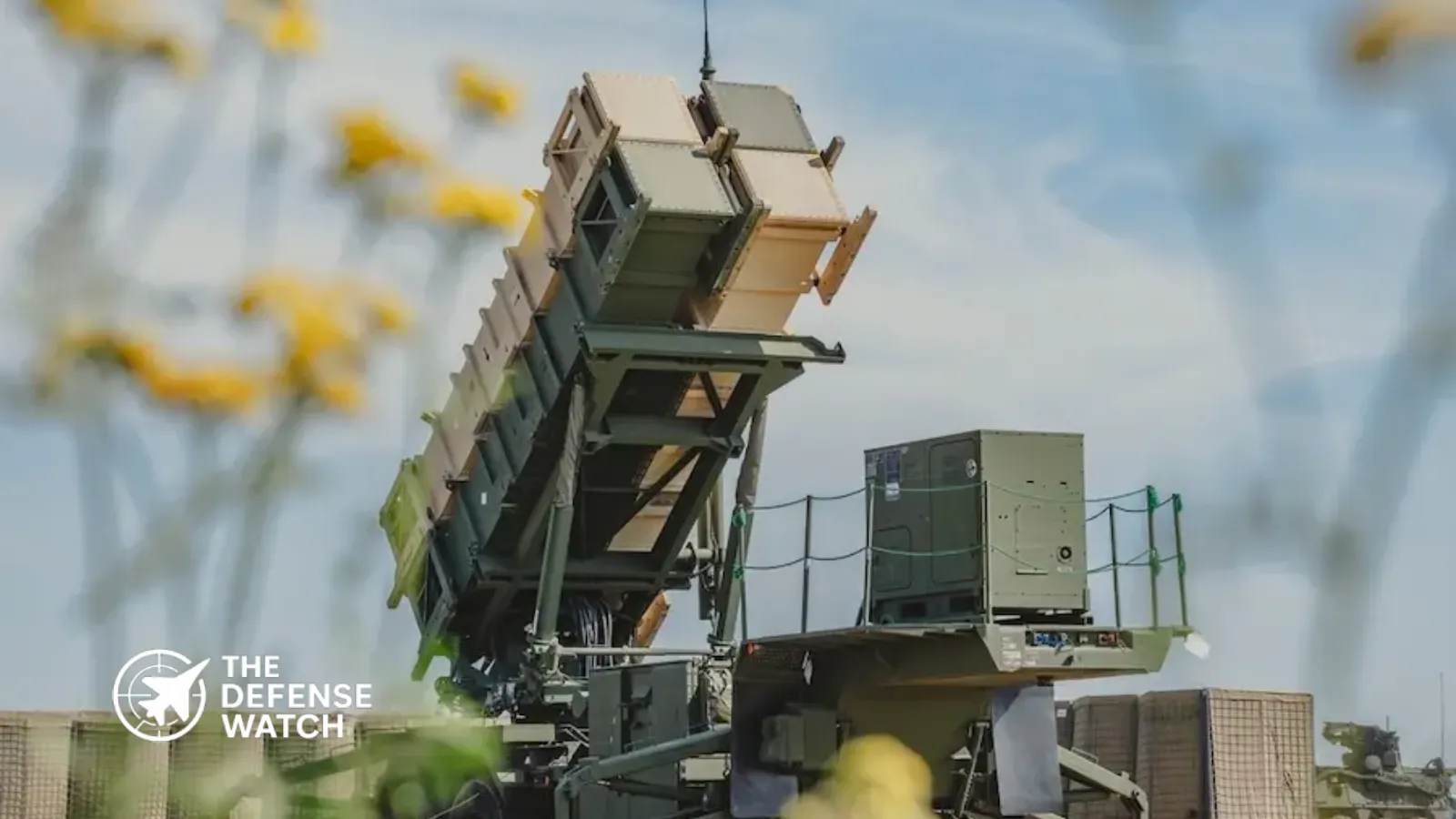
Poland has proposed hosting part of a future Patriot interceptor missile production program as part of a trilateral framework involving the United States and Ukraine. The initiative aims to strengthen NATO’s missile defense industrial capacity, improve production security, and accelerate the supply and sustainment of Patriot interceptors for allied forces.
Poland Seeks Patriot Interceptor Production Facility
Poland is positioning itself to become a major European center for Patriot interceptor production, proposing that future manufacturing activities supporting Ukraine be located on Polish territory rather than inside an active war zone.
According to statements made by Polish Deputy Defense Minister Magdalena Sobkowiak-Czarnecka following meetings at the Pentagon and the U.S. State Department, Warsaw has proposed a trilateral production arrangement involving Poland, the United States, and Ukraine. The proposal emphasizes locating manufacturing infrastructure in a secure NATO country while maintaining support for Ukraine’s long-term air defense requirements.
The discussions follow President Donald Trump’s announcement during the NATO Summit that Ukraine would receive licensing support to produce Patriot interceptors, opening negotiations on industrial cooperation, technology transfer, and sustainment.
Why Poland Is Offering To Host Production
Polish officials argue that manufacturing Patriot interceptors within NATO territory offers significant operational advantages.
Rather than placing high-value defense production facilities within range of Russian missile strikes, Poland presents itself as a geographically secure industrial location that can rapidly support Ukraine while protecting critical manufacturing infrastructure.
Warsaw also highlighted its expanding defense industrial capacity and existing cooperation with the United States on missile maintenance and sustainment programs.
Existing Patriot Industrial Cooperation
The proposal builds upon several recent initiatives involving Patriot systems across Europe.
Earlier this month, Poland joined the United States, Germany, Sweden, and the Netherlands in signing a joint agreement to establish a European maintenance center for PAC-3 Patriot missiles.
The facility is intended to provide:
| Program | Purpose |
|---|---|
| PAC-3 Maintenance Hub | Missile inspection and repair |
| Sustainment Capability | Regional recertification of interceptors |
| NATO Readiness | Faster turnaround for deployed missile inventories |
| Industrial Cooperation | Expanded European technical expertise |
The maintenance initiative represents one of the largest steps toward creating a permanent European sustainment network for Patriot systems.
Technology Transfer Would Expand European Missile Production
If approved, the proposed production effort would involve technology transfer from Lockheed Martin and cooperation between U.S. and European defense industries.
Polish Defense Minister Władysław Kosiniak-Kamysz has previously stated that Poland is among a limited number of NATO allies authorized to provide technical expertise supporting Patriot missile production and sustainment.
The proposal remains under discussion, and no final production agreement has been announced.
Strategic Importance For NATO
The proposal reflects a broader shift occurring across NATO’s defense industrial base.
Demand for Patriot interceptors has increased sharply following Russia’s invasion of Ukraine and continuing missile threats across Europe and the Middle East. Production capacity has struggled to keep pace with growing requirements, prompting allies to pursue regional manufacturing and maintenance capabilities.
For NATO, distributing production and sustainment activities across multiple allied countries offers several strategic benefits:
- Greater resilience against supply chain disruptions.
- Faster replenishment of interceptor inventories.
- Reduced transportation times for maintenance.
- Increased wartime production capacity.
- Stronger interoperability among allied missile defense forces.
These objectives align with NATO’s broader effort to strengthen Europe’s defense industrial base while reducing dependence on a limited number of production facilities.
Broader Defense Industrial Context
Poland has become one of Europe’s fastest-growing defense manufacturing hubs.
Alongside Patriot-related initiatives, Warsaw has expanded cooperation with U.S. defense companies on missile production, armored vehicles, and advanced precision weapons. Recent agreements involving companies such as Anduril and PGZ further demonstrate Poland’s ambition to become a regional center for defense manufacturing.
Meanwhile, Lockheed Martin has announced plans to deepen industrial partnerships across Europe, including expanded missile sustainment infrastructure and potential future production of lower-cost Patriot interceptors.
Analysis: Why This Matters
Poland’s proposal represents more than a manufacturing opportunity. It reflects NATO’s evolving approach to defense industrial resilience.
Since 2022, allied governments have recognized that advanced missile defense depends not only on deploying launchers and interceptors, but also on maintaining the industrial capacity to replace them during prolonged conflicts. Ukraine’s extensive use of Patriot systems has highlighted how quickly sophisticated interceptor inventories can be depleted.
Locating production inside Poland would reduce operational risk compared with manufacturing inside Ukraine while still supporting Kyiv’s long-term defense requirements. It would also create another layer of redundancy within NATO’s missile defense supply chain, making production less vulnerable to disruption.
For the United States, partnering with trusted European allies could expand manufacturing capacity without requiring all production to remain within North America. For European members, local production provides greater industrial participation, faster sustainment, and improved readiness.
Although negotiations remain ongoing, the proposal illustrates the growing importance of multinational defense production as NATO adapts to sustained high demand for advanced air and missile defense capabilities.