
U.S. Evaluates Dark Eagle Hypersonic Missile Deployment Against Iranian Targets
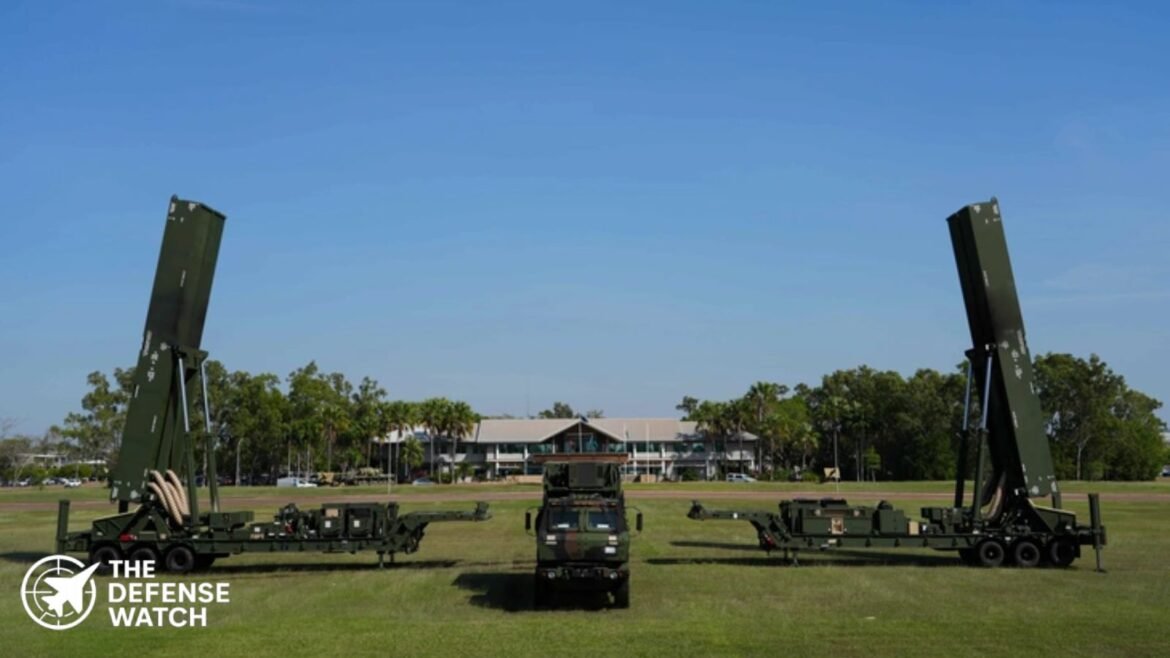
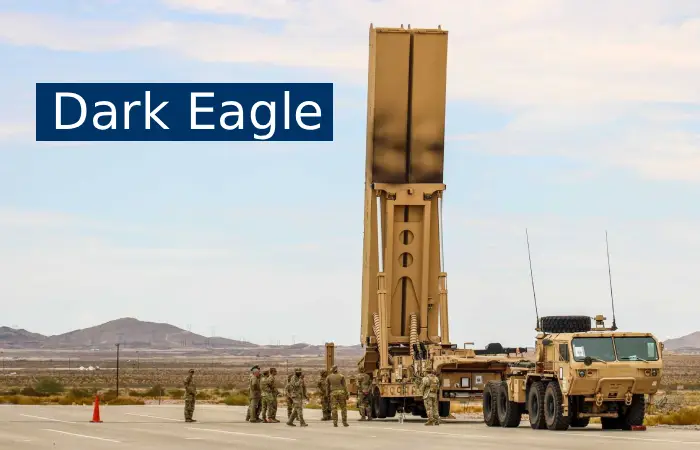
The Dark Eagle hypersonic missile is under consideration by the United States as a potential tool to strike Iranian ballistic missile launchers, signaling a shift in how Washington may address rapidly evolving threats in the Middle East.
According to reporting by defense sources, U.S. planners are assessing whether the Dark Eagle system, officially known as the Long Range Hypersonic Weapon (LRHW), could provide a fast, survivable strike option against mobile and hardened missile assets operated by Iran.
- Iran and Russia reportedly signed a secret €500 million missile deal in December 2025, according to the Financial Times.
- The pact covers delivery of 500 Verba man portable air defense launch units and 2,500 9M336 missiles through 2027 to 2029.
- The Verba systems are infrared guided MANPADS designed to target low altitude threats including drones and cruise missiles.
- The deal follows damage to Iran’s air defense network during the 2025 conflict with Israel.
- The agreement reflects deepening military cooperation between Tehran and Moscow.
This comes as concerns grow over Iran’s expanding ballistic missile inventory and its ability to disperse launch systems across difficult terrain, complicating traditional targeting methods.
Why Dark Eagle Changes The Strike Equation
The Dark Eagle hypersonic missile offers a combination of speed, maneuverability, and precision that conventional strike systems struggle to match. Traveling at speeds above Mach 5, the system can penetrate advanced air defenses and reduce enemy reaction time.
Unlike ballistic missiles, hypersonic glide vehicles follow unpredictable flight paths, making interception far more difficult. For U.S. forces, this translates into a credible option to neutralize high-value targets such as transporter erector launchers before they can fire.
The operational value is clear. Iranian missile units often rely on mobility and concealment. A weapon like Dark Eagle compresses the decision window, allowing strikes within minutes rather than hours.
This capability is especially relevant in a scenario where early neutralization of missile threats could prevent escalation or limit damage to regional bases and allied infrastructure.
Strategic Context: Rising Tensions And Expanding Threats
The consideration of deploying the Dark Eagle hypersonic missile reflects broader geopolitical pressure. Iran continues to invest heavily in missile development, including solid-fuel systems that are quicker to launch and harder to detect.
Recent intelligence assessments have highlighted improvements in Iran’s dispersal tactics and hardened infrastructure. Combined with reported defense cooperation with Russia, this trend has raised concerns in Washington about the survivability of existing deterrence tools.

From a strategic standpoint, introducing hypersonic weapons into the region would send a clear signal. It demonstrates the ability to hold time-sensitive targets at risk, even in heavily defended environments.
However, such a move also carries escalation risks. Hypersonic systems are often viewed as strategic assets, and their deployment could be interpreted as a shift toward more aggressive posturing.
Operational Challenges And Deployment Considerations
While the Dark Eagle hypersonic missile offers clear advantages, its deployment is not without challenges.
First, the system is still progressing toward full operational capability within the U.S. Army. Fielding timelines, logistics, and integration with existing command structures remain critical factors.
Second, basing options in the Middle East would need careful evaluation. Forward deployment increases responsiveness but also exposes high-value assets to potential counterstrikes.
Third, targeting mobile launchers requires robust intelligence, surveillance, and reconnaissance support. Hypersonic speed alone does not guarantee success without accurate and timely target data.
These factors suggest that any deployment decision would likely be part of a broader integrated strategy rather than a standalone solution.
Analysis: A Shift Toward Rapid Precision Strike
The potential use of the Dark Eagle hypersonic missile highlights a larger shift in U.S. military thinking. The focus is moving toward rapid, precision strikes against fleeting targets in contested environments.
Traditional airpower and cruise missiles remain important, but they may face limitations against advanced air defenses and mobile threats. Hypersonic systems fill this gap by combining speed with survivability.
In the Middle East context, this capability could reshape deterrence dynamics. It introduces uncertainty for adversaries relying on mobility and concealment, potentially reducing their confidence in surviving a first strike.
At the same time, it raises questions about escalation control. Faster weapons compress decision timelines not only for the attacker but also for the defender.

India Expands Naval Strike Reach With NASM-SR Helicopter Launch
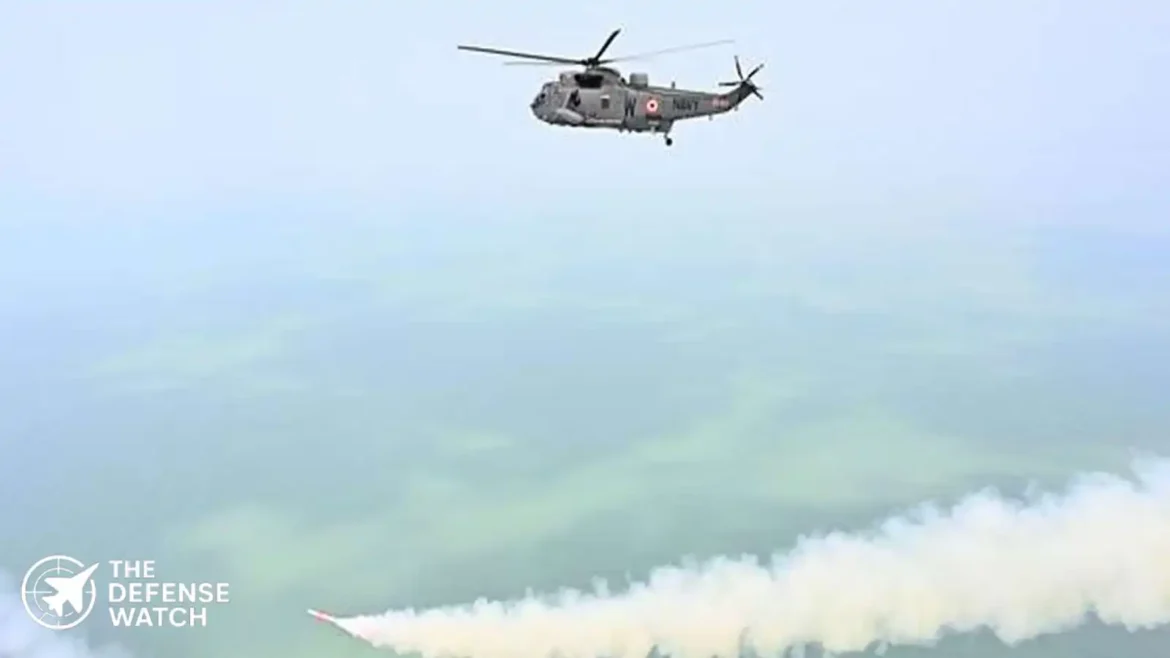
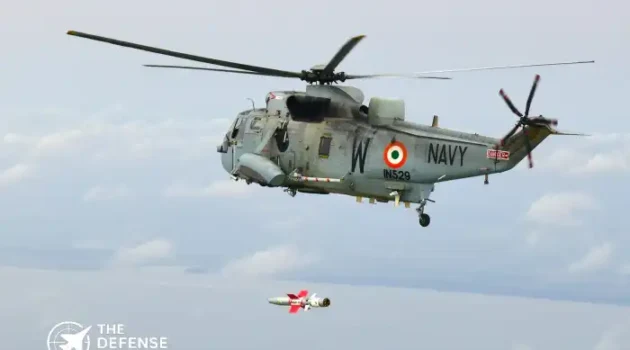
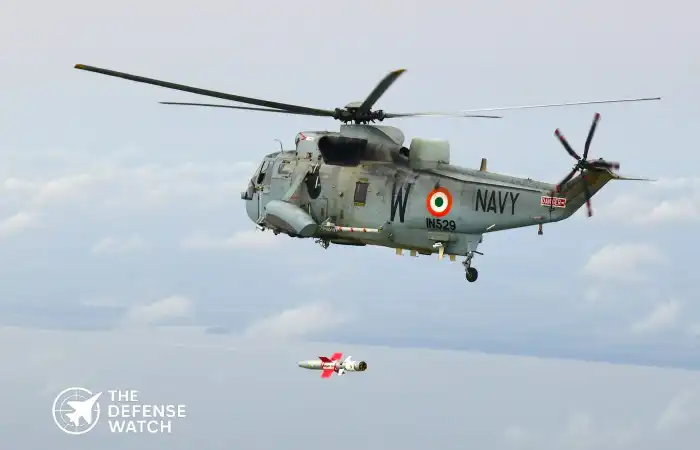
India’s NASM-SR anti-ship missile test marks a significant step in expanding naval strike reach, with the system successfully launched from a helicopter for the first time. The milestone highlights a growing emphasis on flexible, distributed maritime firepower within the Indian Navy.
The test involved a salvo firing of the Naval Anti-Ship Missile Short Range, or NASM-SR, from a rotary-wing platform. This demonstrates the ability to engage surface targets from beyond visual range using airborne assets, a capability increasingly seen as essential in modern naval warfare.
- India conducted its first NASM-SR anti-ship missile salvo from a helicopter platform.
- The test marks a key milestone in integrating indigenous missiles with naval rotary-wing aircraft.
- NASM-SR is a short-range anti-ship missile designed for precision maritime strike missions.
- The system enhances stand-off capability for naval helicopters operating in contested waters.
- The development is led by India’s DRDO as part of broader naval modernization efforts.
Expanding Helicopter-Based Strike Capability
The NASM-SR program is led by Defence Research and Development Organisation (DRDO), which has focused on developing an indigenous, lightweight anti-ship missile tailored for helicopter deployment. Unlike larger ship- or aircraft-launched systems, NASM-SR is designed for short-range engagements with high precision.
Integrating such a missile onto naval helicopters allows forces to extend their reach without relying solely on surface combatants. Platforms such as the Sea King helicopter or future indigenous rotorcraft can operate from ships or forward bases, adding a mobile strike layer to fleet operations.
This approach aligns with global trends where navies are increasingly distributing offensive capabilities across multiple platforms to complicate adversary targeting.
Operational Impact and Tactical Advantages
The NASM-SR anti-ship missile offers several operational advantages. First, it enables stand-off engagement, allowing helicopters to strike enemy vessels while remaining outside the immediate threat envelope of ship-based defenses.
Second, the system improves response time. Helicopters can be rapidly deployed from ships or coastal bases, reducing the delay between detection and engagement.
Third, it supports swarm and saturation tactics. Multiple helicopters armed with NASM-SR missiles can coordinate attacks, increasing the probability of penetrating layered naval defenses.
From a tactical standpoint, this capability strengthens maritime denial operations. In contested regions, even smaller naval units can pose a credible threat to larger surface vessels when supported by armed helicopters.
Strategic Context in the Indo-Pacific
India’s focus on helicopter-launched anti-ship missiles reflects broader strategic pressures in the Indo-Pacific. As naval competition intensifies, the ability to project power across dispersed maritime zones has become critical.
By fielding NASM-SR, India is working to close gaps in short-range maritime strike capability. This is particularly relevant in littoral environments, where larger missile systems may be less practical due to range constraints and reaction times.
The development also complements other indigenous missile programs, reinforcing India’s push for self-reliance in defense technology. Reducing dependence on foreign systems allows for faster upgrades, better integration, and more control over operational use.
Technology and Development Path
While detailed specifications remain limited, NASM-SR is understood to feature advanced guidance and targeting systems optimized for maritime environments. These likely include active radar seekers and resistance to electronic countermeasures.
The missile’s compact design makes it suitable for integration on a range of helicopter platforms without significant structural modification. This flexibility is key for scaling deployment across the fleet.
The recent test indicates progress toward operational readiness, though additional trials are expected before full induction.
Analysis: A Shift Toward Distributed Maritime Firepower
The NASM-SR helicopter launch is more than a technical milestone. It reflects a broader shift in naval doctrine toward distributed lethality. Instead of concentrating firepower on large warships, modern navies are spreading offensive capabilities across smaller, mobile platforms.
This approach increases survivability and complicates adversary planning. A fleet supported by armed helicopters can engage targets from multiple vectors, forcing opponents to defend against a wider range of threats.
For India, this capability also enhances deterrence. Even in scenarios where surface assets are limited, helicopter-based missiles provide a credible strike option.
At the same time, challenges remain. Effective use of NASM-SR will depend on integration with surveillance systems, targeting networks, and command structures. Without accurate real-time data, the advantages of stand-off weapons are reduced.
Still, the successful test suggests that India is moving steadily toward a more flexible and resilient naval strike architecture.
Russia Bastion Coastal Defense System Reinforces Arctic Strategy
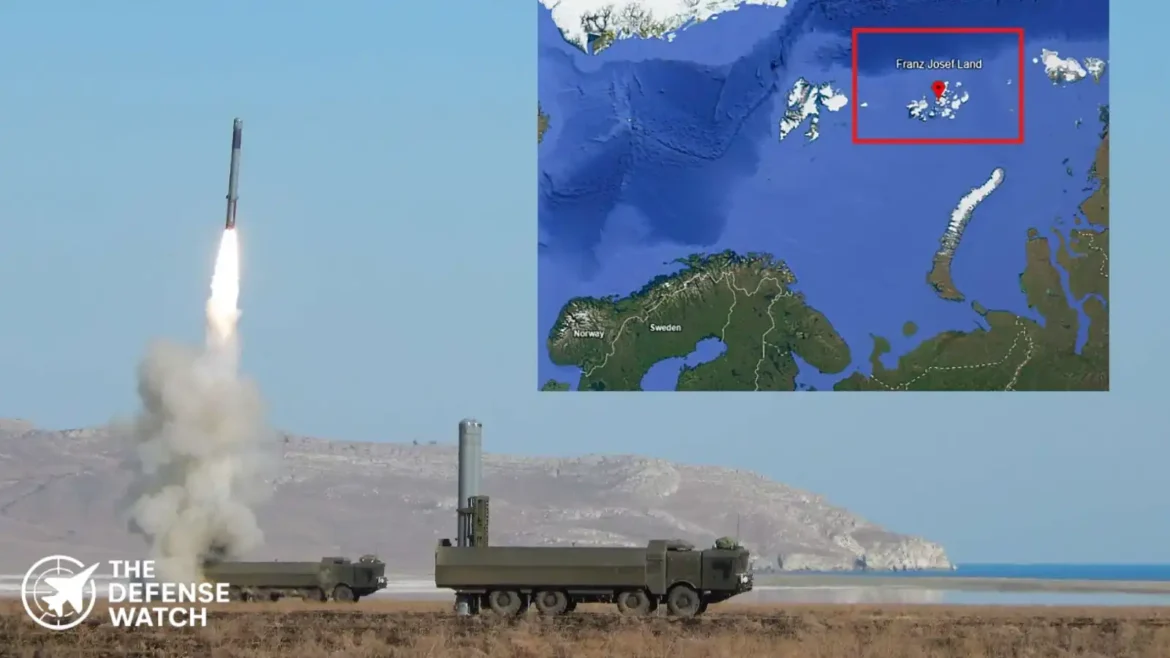
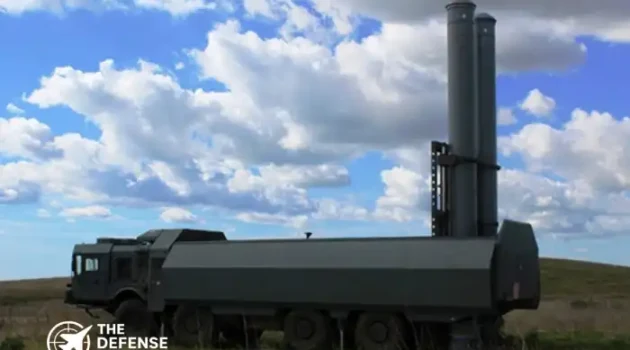
Russia’s Bastion coastal defense system is playing a central role in Moscow’s evolving Arctic naval denial strategy, as demonstrated during recent exercises at the remote Franz Josef Land archipelago. According to reporting by Army Recognition, Russian forces conducted drills simulating the defense of critical Arctic approaches using the Bastion system, a mobile anti-ship missile platform designed to engage high-value naval targets at extended ranges.
- Russia rehearsed Arctic naval denial operations using the Bastion coastal defense system at Franz Josef Land.
- The Bastion system is equipped with P-800 Oniks supersonic anti-ship missiles capable of striking maritime targets at long range.
- The deployment supports Russia’s strategy to secure the Northern Sea Route and restrict adversary naval access.
- Arctic bases are being upgraded to host advanced missile systems and sustain year-round operations.
- The move reflects growing geopolitical competition in the Arctic region involving NATO and Russia.
The exercise underscores Russia’s focus on securing its northern maritime frontier, particularly as melting ice expands access to the Arctic and intensifies competition over shipping routes and natural resources.
Strategic Importance of Bastion Deployment in the Arctic
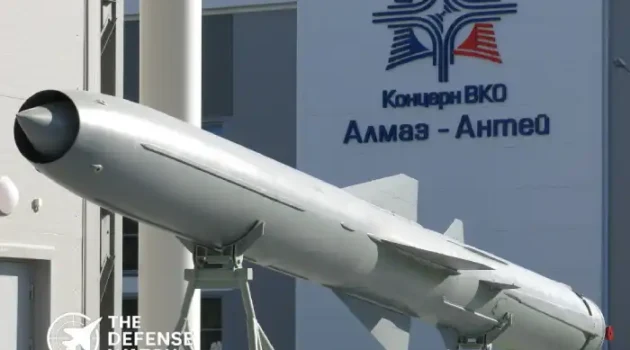
The Bastion system, known in Russia as K-300P, deploys the P-800 Oniks supersonic cruise missile, a weapon capable of striking targets at ranges exceeding 300 kilometers. Its mobility and rapid deployment capability make it well suited for remote Arctic environments, where fixed defenses are harder to maintain.
By stationing Bastion systems at forward outposts such as Franz Josef Land, Russia is effectively extending its anti-access and area denial umbrella across key segments of the Arctic Ocean. This allows Moscow to monitor and potentially restrict naval movement along the Northern Sea Route, a shipping corridor that is gaining strategic and economic importance.
From a military perspective, this deployment reflects a layered defense concept. Coastal missile batteries, supported by radar systems and air defense networks, create overlapping zones of control. This approach complicates any adversary’s ability to operate freely in contested Arctic waters.
Arctic Militarization and Infrastructure Expansion
Russia’s Arctic posture has evolved steadily over the past decade. The country has reopened Soviet-era bases and constructed new facilities designed to operate in extreme conditions. Franz Josef Land, located deep in the Arctic Ocean, has become a key node in this network.
Infrastructure upgrades include reinforced airstrips, radar installations, and logistics hubs capable of supporting year-round operations. These developments enable sustained deployment of advanced systems like Bastion, ensuring readiness even in harsh winter conditions.
The emphasis on Arctic readiness is not limited to missile systems. Russia has also expanded its fleet of icebreakers, including nuclear-powered vessels, to ensure access and mobility across frozen waters. This integrated approach strengthens both military and economic control over the region.
Geopolitical Context and NATO Response
The deployment of the Bastion coastal defense system must be viewed within the broader context of rising geopolitical competition in the Arctic. NATO members, particularly the United States, Canada, and Norway, have increased their own military presence and surveillance activities in the region.
Western analysts note that Russia’s anti-ship missile deployments are intended to deter NATO naval operations and protect strategic assets, including submarine bastions used for nuclear deterrence. The Arctic remains a critical domain for second-strike capabilities, making its defense a priority for Moscow.
At the same time, the Northern Sea Route is becoming more viable for commercial shipping due to climate change. Control over this route offers both economic leverage and strategic advantage, further motivating Russia’s military investments.
Operational Implications of Naval Denial Strategy
Russia’s use of the Bastion system highlights a broader shift toward denial-based strategies rather than traditional power projection. Instead of seeking to dominate distant theaters, Moscow is focusing on securing its periphery and limiting adversary access.
In practical terms, this means creating contested zones where the cost of entry for opposing forces is significantly increased. The Bastion system, with its long-range precision strike capability, plays a key role in this concept by threatening surface vessels operating within its engagement envelope.
This approach is particularly effective in the Arctic, where geography and climate already pose challenges for naval operations. By combining natural barriers with advanced weapon systems, Russia enhances its defensive posture without requiring large-scale force deployments.
Analysis: Why the Arctic Matters Now
The renewed focus on Arctic military capabilities reflects a convergence of factors. Climate change is opening new sea lanes, resource competition is intensifying, and great power rivalry is extending into previously less contested regions.
Russia’s investment in systems like Bastion suggests a long-term strategy aimed at shaping the Arctic security environment. By establishing credible denial capabilities early, Moscow is positioning itself to influence future access and governance of the region.
For the United States and its allies, this development raises important questions about deterrence and freedom of navigation. Countering such systems requires a mix of technological solutions, including long-range strike capabilities, stealth platforms, and enhanced situational awareness.

- Malaysia and Australia concluded the latest MASTEX naval exercise in Western Australia.
- The exercise featured Royal Malaysian Navy frigate KD Lekir and Royal Australian Navy frigate HMAS Warramunga.
- Training included gunnery drills, anti-submarine warfare, and coordinated maritime operations.
- MASTEX has been held since 2002 to enhance interoperability between the two navies.
- The activity supports broader Indo-Pacific maritime security cooperation.
MASTEX Naval Exercise Strengthens Australia Malaysia Defense Cooperation
The MASTEX naval exercise Australia Malaysia concluded recently in Western Australia, underscoring the growing operational alignment between the two Indo-Pacific partners. The arrival of KD Lekir and HMAS Warramunga at HMAS Stirling marked the final phase of the biennial maritime engagement.
The exercise, conducted between the Royal Malaysian Navy and the Royal Australian Navy, focused on improving interoperability, operational coordination, and mutual trust through structured maritime training.
Operational Training Focus And Maritime Readiness
The latest iteration of the MASTEX naval exercise Australia Malaysia followed a two-phase format, beginning with a harbor phase and transitioning into complex at-sea operations. Training activities included:
- Advanced ship handling maneuvers
- Live gunnery drills
- Anti-submarine warfare exercises
- Communication and coordination serials
These activities are designed to simulate real-world maritime scenarios, allowing both navies to refine tactical responses and improve joint operational effectiveness.
Commander Ken Brown, Commanding Officer of Warramunga, emphasized that MASTEX goes beyond routine drills. According to official statements, the exercise reflects a longstanding defense partnership built on shared history and sustained cooperation.
From the Malaysian perspective, Commanding Officer Commander Megat Mohamed Sofwan Firdaus bin Megat Mohamad Yunus highlighted the importance of continuity. Since its inception in 2002, MASTEX has evolved into a cornerstone engagement that strengthens readiness for potential contingencies.
Strategic Importance In The Indo-Pacific
The MASTEX naval exercise Australia Malaysia takes place against a backdrop of increasing strategic competition in the Indo-Pacific. While the exercise itself is not directed at any specific threat, its focus on interoperability and maritime domain awareness aligns with broader regional security priorities.
Australia and Malaysia are both key stakeholders in maintaining freedom of navigation and stability across critical sea lanes. Joint exercises like MASTEX contribute to:
- Enhancing maritime situational awareness
- Improving response coordination in crises
- Strengthening coalition-based naval operations
Defense analysts note that such bilateral engagements complement multilateral frameworks, including ASEAN-led initiatives and broader Indo-Pacific security partnerships.
Interoperability As A Force Multiplier
A central objective of the MASTEX naval exercise Australia Malaysia is interoperability. This concept extends beyond technical compatibility to include shared doctrine, communication protocols, and decision-making processes.
Exercises involving coordinated surface warfare and maritime interdiction operations help both navies operate as a unified force when required. This is particularly relevant in scenarios such as humanitarian assistance, disaster relief, and maritime security operations.
The participation of platforms like KD Lekir and HMAS Warramunga also demonstrates the ability of different naval systems to integrate effectively during joint missions.
A Partnership Built On Decades Of Cooperation
The exercise reflects more than 70 years of diplomatic and defense ties between Australia and Malaysia. Over time, this relationship has expanded from basic cooperation to more advanced military collaboration.
The MASTEX naval exercise Australia Malaysia serves as a practical mechanism to sustain this relationship, ensuring that both nations remain aligned in their operational approaches.
Importantly, the emphasis on people-to-people ties, highlighted by both commanding officers, reinforces the human dimension of military cooperation. Trust and familiarity between crews are critical factors in successful joint operations.
Regional Security Outlook
While MASTEX remains a bilateral exercise, its implications extend across the Indo-Pacific. The ability of regional navies to operate together enhances collective security and supports a rules-based maritime order.
In an environment where maritime challenges include piracy, illegal fishing, and strategic competition, consistent engagement through exercises like MASTEX provides a stabilizing effect.
The continued evolution of the MASTEX naval exercise Australia Malaysia suggests that both nations are committed to maintaining a credible and cooperative maritime presence in the region.
US Army Deploys VAMPIRE Counter Drone System At Balikatan 2026
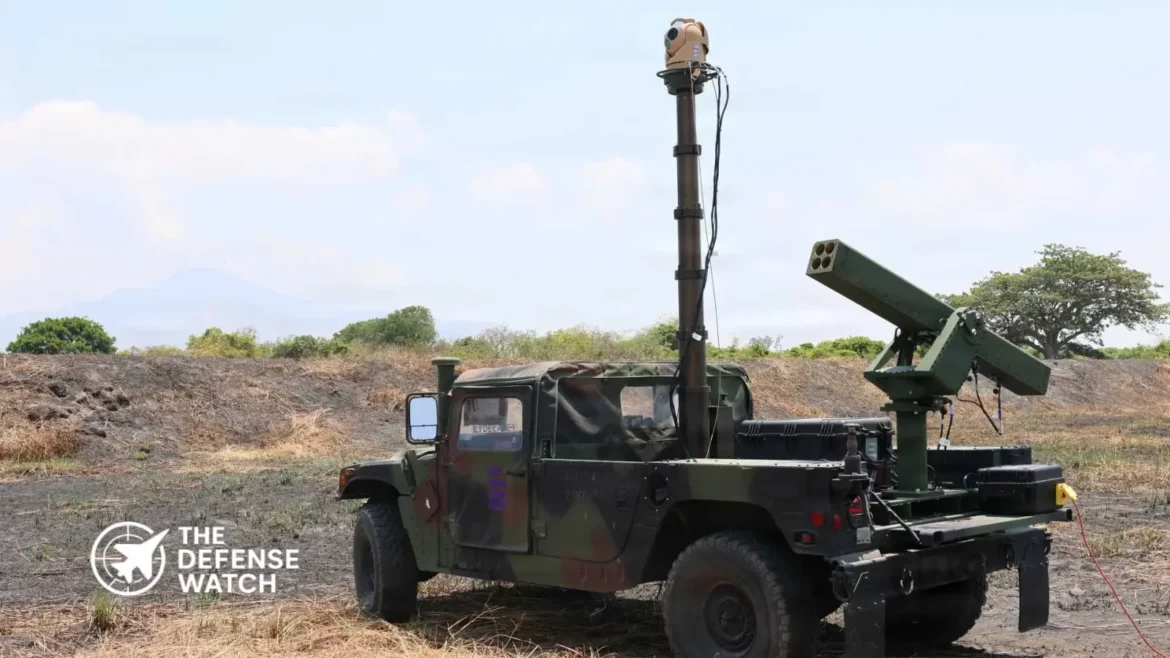
The US Army VAMPIRE counter drone system has been deployed for the first time during Exercise Balikatan 2026 in the Philippines, marking a notable step in expanding U.S. counter unmanned aerial system capabilities in the Indo Pacific.
The deployment highlights how rapidly evolving drone threats are reshaping operational priorities, especially in contested environments where low cost unmanned systems are increasingly used for surveillance and attack missions.
- The US Army deployed the VAMPIRE counter drone system for the first time at Balikatan 2026 in the Philippines.
- VAMPIRE uses laser guided rockets to engage drones and low altitude aerial threats.
- The system is mounted on light tactical vehicles, enabling rapid deployment in dispersed environments.
- The deployment reflects increasing focus on counter drone capabilities in the Indo Pacific theater.
- Balikatan 2026 is one of the largest joint US Philippines military exercises, emphasizing interoperability.
Balikatan, one of the largest annual joint exercises between the United States and the Philippines, provides a realistic environment to test emerging technologies under operational conditions. The introduction of the US Army VAMPIRE counter drone system into this setting signals a shift toward more agile and deployable air defense solutions.
A Mobile And Scalable Counter Drone Capability
The VAMPIRE system, developed by L3Harris Technologies, is designed as a lightweight, vehicle mounted counter drone platform. It integrates a laser targeting system with Advanced Precision Kill Weapon System rockets, allowing operators to engage small unmanned aerial systems with precision.
Unlike traditional air defense systems, VAMPIRE is built for rapid deployment and ease of integration. It can be mounted on a wide range of light tactical vehicles without major modifications. This flexibility makes it suitable for distributed operations, a key component of modern U.S. military doctrine.
From an operational perspective, the US Army VAMPIRE counter drone system fills a critical gap between small arms fire and larger, more expensive missile systems. Drones, particularly commercial off the shelf variants, present a cost asymmetry problem. Using high end interceptors against low cost drones is not sustainable in prolonged conflicts. VAMPIRE offers a more balanced approach.
Strategic Context In The Indo Pacific
The decision to deploy the US Army VAMPIRE counter drone system in the Philippines is closely tied to the broader strategic environment in the Indo Pacific. The region has seen a steady increase in drone usage for surveillance, maritime domain awareness, and potential strike roles.
By integrating VAMPIRE into Balikatan 2026, U.S. and Philippine forces are testing how such systems can operate in archipelagic terrain, where dispersed units must rely on mobile and self contained defenses.
This deployment also aligns with ongoing U.S. efforts to strengthen alliance interoperability. Systems like VAMPIRE can be shared, adapted, or co deployed with partner forces, making them valuable in coalition operations.
Lessons From Recent Conflicts
Recent conflicts, particularly in Eastern Europe and the Middle East, have demonstrated the growing importance of counter drone systems. Small drones have been used extensively for reconnaissance, targeting, and direct attacks on personnel and infrastructure.
The US Army VAMPIRE counter drone system reflects lessons learned from these conflicts. Its emphasis on mobility, precision, and cost effectiveness addresses key operational challenges observed in real world combat scenarios.
Importantly, the system’s use of laser guided rockets allows for accurate targeting while minimizing collateral damage. This is critical in densely populated or complex environments, where traditional air defense solutions may be less suitable.
Operational Impact And Future Outlook
The introduction of the US Army VAMPIRE counter drone system at Balikatan 2026 is more than a technical demonstration. It represents a broader shift in how the U.S. military approaches air defense at the tactical level.
Instead of relying solely on layered, high end systems, there is increasing emphasis on scalable solutions that can be deployed at the unit level. This approach enhances survivability and operational flexibility.
Looking ahead, the continued integration of systems like VAMPIRE into joint exercises will likely accelerate their adoption across different theaters. As drone threats continue to evolve, the demand for adaptable countermeasures is expected to grow.

U.S. Armed UGV Counter Drone Warfare Gains Momentum
The armed UGV counter drone warfare concept is gaining traction as the U.S. military evaluates a new robotic ground platform equipped with a 30mm cannon and Coyote and Stinger missiles, according to reporting by Army Recognition.
The proposed system combines direct-fire capability with short-range air defense, creating a mobile, layered response to drones and low-flying threats. This reflects a broader Pentagon effort to adapt ground forces to a battlefield increasingly shaped by unmanned systems.
- The U.S. military is exploring an armed UGV equipped with a 30mm cannon and Stinger missiles for counter-drone missions.
- The system integrates kinetic and missile-based intercept options against low-altitude aerial threats.
- Coyote and Stinger missiles provide layered defense against drones, loitering munitions, and helicopters.
- The concept reflects growing urgency to counter small UAVs observed in recent conflicts.
- The platform supports autonomous or remote operations, reducing risk to frontline troops.
Recent conflicts, including those in Ukraine and the Middle East, have shown how inexpensive drones can disrupt armored units, artillery positions, and logistics networks. The U.S. response is now shifting toward integrated counter-drone solutions that can operate close to frontline units.
Multi-Layered Firepower Against Evolving Threats
At the core of the system is a 30mm autocannon, capable of engaging small drones, light vehicles, and infantry targets. This kinetic option provides a cost-effective way to counter low-end threats without relying solely on expensive missiles.
Complementing the cannon are Coyote interceptors and Stinger missiles. The Coyote system is designed specifically for counter-UAS missions, including intercepting small drones and loitering munitions. Stinger missiles extend the engagement envelope, allowing the platform to target helicopters and higher-speed aerial threats.
This layered approach reflects a key lesson from modern warfare: no single system can address the full spectrum of aerial threats. Instead, combining guns and missiles improves engagement flexibility and cost efficiency.
Operational Flexibility And Risk Reduction
The armed UGV is designed for remote or semi-autonomous operation, allowing forces to deploy it in high-risk environments without exposing personnel. This aligns with ongoing U.S. Army efforts to expand robotic combat vehicle programs.
By removing crews from the platform, commanders can push these systems forward into contested areas, including urban zones or exposed terrain where drone attacks are frequent. This also supports distributed operations, where smaller units operate independently but remain protected against aerial threats.
From an operational standpoint, the platform could serve as a mobile air defense node, escorting convoys, protecting forward operating bases, or supporting maneuver units.
Strategic Context: The Drone Threat Is Scaling Fast
The push for armed UGV counter drone warfare capabilities comes amid a rapid increase in drone usage across multiple theaters. Commercial off-the-shelf drones, modified for military use, have become widely available and difficult to counter using traditional air defense systems.
Small drones often fly at low altitude and slow speeds, making them hard to detect and engage with conventional radar-guided systems. This has exposed a capability gap in short-range air defense, particularly at the tactical level.
The U.S. military’s focus on combining kinetic and missile-based solutions within a single unmanned platform suggests a shift toward more adaptable and scalable defenses.
Analysis: Bridging The Tactical Air Defense Gap
The development of an armed UGV with integrated counter-drone capabilities highlights a broader transformation in ground warfare.
First, it addresses a clear vulnerability. Traditional armored vehicles and infantry units lack organic defenses against small drones. Adding a mobile, unmanned air defense layer helps close this gap.
Second, it reflects cost considerations. Engaging low-cost drones with high-cost missiles is not sustainable. A 30mm cannon provides a cheaper alternative for many targets, reserving missiles for higher-value threats.
Third, the system supports future force structure concepts. As the U.S. military moves toward more networked and distributed operations, autonomous systems will play a larger role in both offense and defense.
However, challenges remain. Integrating sensors, fire control systems, and autonomy into a single platform is complex. Ensuring reliable target identification, especially in cluttered environments, is critical to avoid fratricide or wasted intercepts.
Technology Integration And Future Outlook
The success of this concept will depend heavily on sensor integration and command-and-control networks. Detecting and tracking small drones requires advanced radar, electro-optical systems, and data fusion.
The U.S. Army has already invested in counter-UAS technologies, including directed energy weapons and electronic warfare systems. The armed UGV could serve as a complementary platform within this broader ecosystem.
Looking ahead, such systems may evolve to include AI-driven targeting, swarm coordination, and integration with aerial drones for layered defense. This would further enhance battlefield awareness and response speed.
Conclusion
The U.S. military’s exploration of an armed UGV counter drone warfare platform marks a significant step in adapting to modern threats. By combining a 30mm cannon with Coyote and Stinger missiles, the system offers a flexible, layered approach to countering drones and low-altitude threats.
As drone warfare continues to evolve, the ability to deploy mobile, unmanned air defense systems could become a critical advantage on future battlefields.
Hungary Gripen Fighters Delivery Strengthens Air Force Fleet
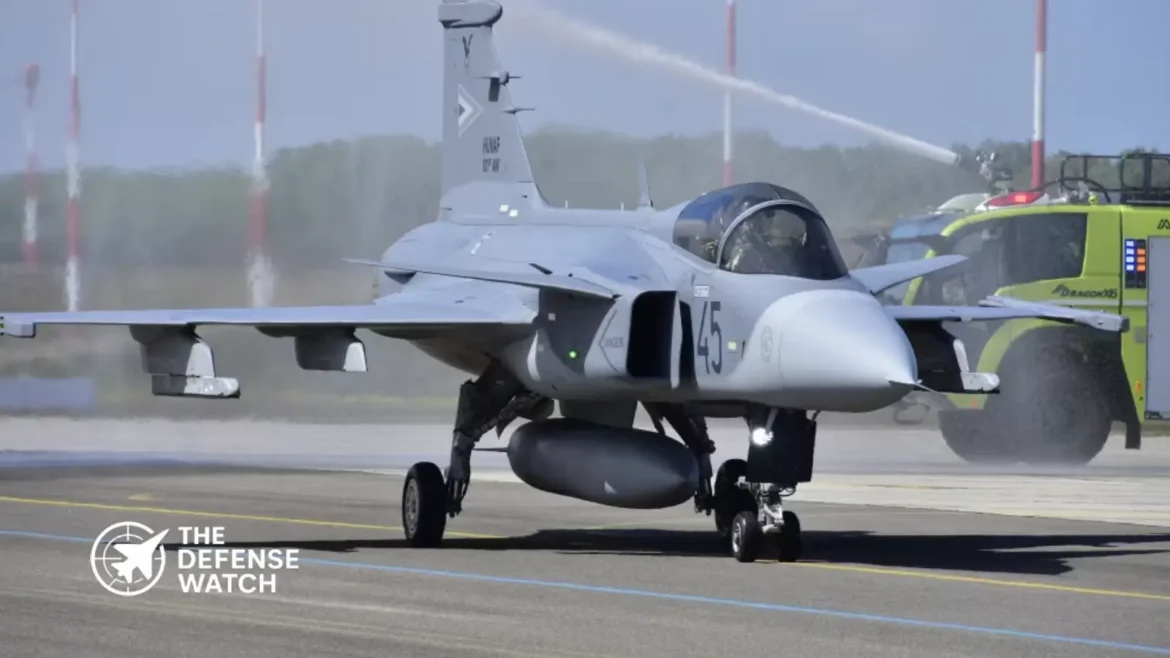
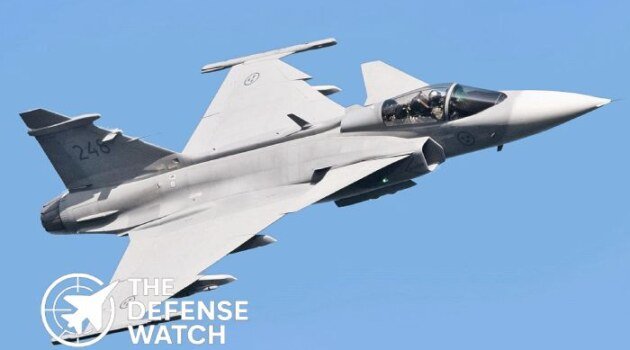
The Hungary Gripen fighters delivery marks a key step in Budapest’s ongoing air force modernization, as two new Gripen C aircraft formally entered service with the Hungarian Defence Forces.
The jets will be operated by the 101st Aviation Wing based at Kecskemét Air Base, reinforcing Hungary’s ability to maintain air policing and NATO interoperability missions across Central Europe.
The delivery follows a contract signed in February 2024 between Hungary’s Ministry of Defence and Swedish Defence Materiel Administration, covering four additional aircraft. The two newly delivered fighters represent the first tranche of that agreement.
- Hungary received two new Gripen C fighter jets for the 101st Aviation Wing at Kecskemét Air Base.
- The delivery follows a February 2024 contract between Hungary’s Ministry of Defence and Sweden’s FMV.
- These are the first two of four additional aircraft ordered under the agreement.
- Hungary will expand its fleet to 18 Gripen C D fighters with upgraded capabilities.
- Saab reaffirmed its commitment to delivery timelines and long term partnership with Hungary.
According to Saab, the timeline underscores its ability to meet customer delivery commitments while supporting long term capability development.
Fleet Expansion And Capability Upgrades
Hungary has operated the Gripen platform since 2006, making it one of the early European adopters of the Swedish-built multirole fighter. With this latest expansion, the country will field a total of 18 Gripen C/D aircraft, all expected to receive incremental upgrades.
The Gripen C/D variant is designed for multirole missions, including air defense, ground attack, and reconnaissance. It is optimized for high sortie rates, dispersed operations, and relatively low lifecycle costs compared to heavier Western fighters.
While the current delivery focuses on fleet size, the broader program includes system upgrades aimed at improving avionics, communications, and weapons integration. These enhancements are critical for maintaining compatibility with NATO standards and evolving operational requirements.
Saab has also indicated plans to invest in an Aviation Development Centre in Hungary. This initiative is expected to deepen local industrial participation and allow Hungary to play a more active role in future Gripen system development.
Strategic Context: NATO Readiness And Regional Security
The Hungary Gripen fighters delivery comes amid heightened focus on air defense readiness across Europe, particularly following Russia’s ongoing military activity in Eastern Europe.
For Hungary, expanding its Gripen fleet is less about numerical advantage and more about ensuring sustained operational availability. A larger fleet allows for better rotation cycles, maintenance flexibility, and readiness for both national and NATO missions.
Hungary contributes to NATO’s Integrated Air and Missile Defence System, including Baltic Air Policing rotations in the past. Maintaining a modern and reliable fighter fleet is central to fulfilling these commitments.
Compared to larger air forces in the alliance, Hungary’s approach emphasizes efficiency and interoperability. The Gripen platform supports this model by offering advanced capabilities without the logistical burden associated with heavier aircraft such as the F-35 or Eurofighter Typhoon.
Saab Partnership And Long Term Industrial Cooperation
The agreement highlights the deepening defense relationship between Hungary and Sweden. Beyond aircraft delivery, the partnership includes training, logistics support, and technology collaboration.
Lars Tossman, head of Saab’s Aeronautics business area, emphasized that Hungary’s long term modernization program and Saab’s local investment plans will enable the country to influence future Gripen development.
This level of industrial cooperation reflects a broader trend in European defense procurement, where countries seek not only platforms but also participation in development and sustainment ecosystems.
For Saab, Hungary remains a key Gripen operator alongside countries such as the Czech Republic and Brazil, reinforcing the platform’s global footprint.
Operational Impact And Future Outlook
The Hungary Gripen fighters delivery will enhance operational resilience for the Hungarian Air Force, particularly in maintaining continuous air policing coverage.
Looking ahead, the remaining two aircraft under the 2024 contract are expected to be delivered on schedule, completing the planned fleet expansion.
While the Gripen C/D remains a capable platform, future decisions may involve transitioning to more advanced variants or integrating next generation systems. For now, Hungary’s focus remains on maximizing the effectiveness of its existing fleet through upgrades and partnerships.
In a European security environment defined by rapid change, incremental capability improvements such as this delivery play a crucial role in sustaining readiness and alliance cohesion.

Lockheed Martin E-130J Phoenix II Training Systems Expand Strategic Readiness
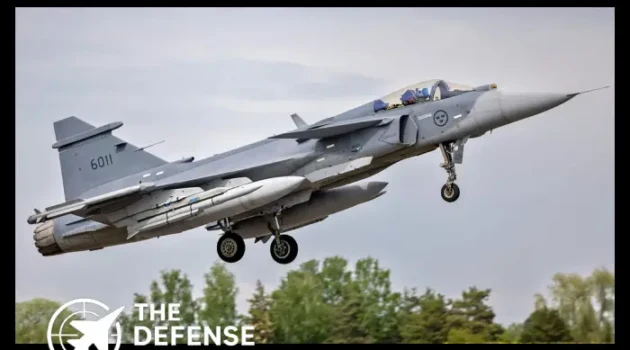
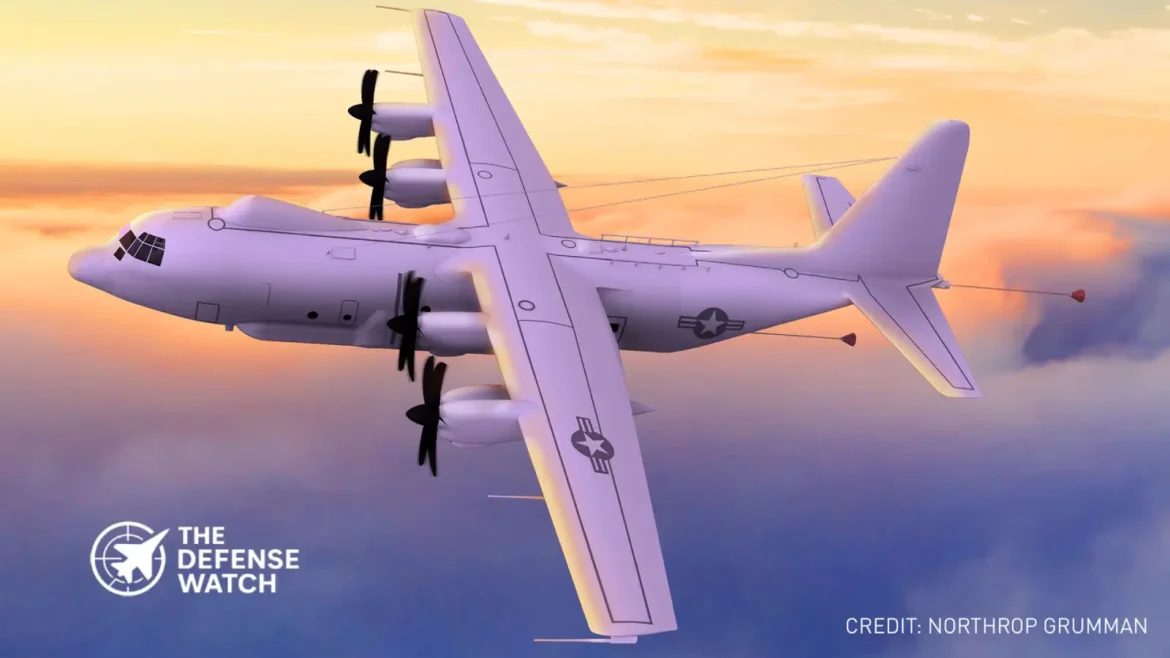
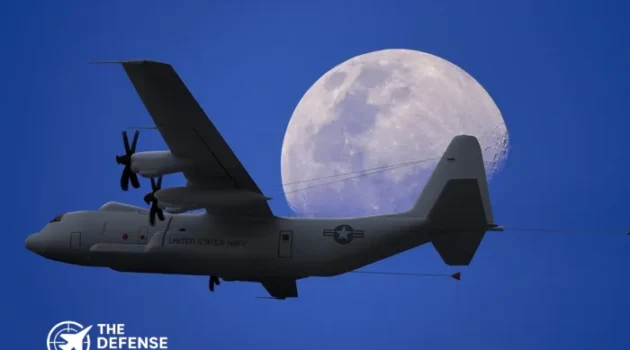
The E-130J Phoenix II training systems program is advancing U.S. military readiness as Lockheed Martin moves forward with delivering specialized training devices and services for the next generation airborne nuclear command and control fleet.
- Lockheed Martin will provide training devices and services for the E-130J Phoenix II aircraft program.
- The effort supports U.S. nuclear command, control, and communications mission readiness.
- Training systems include advanced simulators and integrated mission training environments.
- The E-130J is expected to replace aging TACAMO aircraft supporting strategic communications.
- The program reflects ongoing modernization of U.S. airborne nuclear command infrastructure.
According to an official company release dated April 29, 2026, the effort will provide comprehensive training infrastructure to support operators and maintainers of the E-130J Phoenix II aircraft. The platform is widely viewed as a critical successor to the U.S. Navy’s existing TACAMO fleet, which ensures survivable communications between national leadership and strategic nuclear forces.
The introduction of dedicated E-130J Phoenix II training systems marks a key step in ensuring that crews can operate effectively in high stress, contested environments where uninterrupted communication is essential.
Modern Training For A High-Stakes Mission
The contract focuses on delivering advanced simulators, mission rehearsal systems, and integrated training services tailored to the E-130J’s unique operational role. These systems are designed to replicate real world mission conditions, including degraded communications environments and electronic warfare scenarios.
Unlike legacy training approaches, the new E-130J Phoenix II training systems emphasize realism and integration. Crews will train across multiple domains, including airborne operations, ground support coordination, and secure communications management.
This reflects a broader Pentagon shift toward synthetic training environments that reduce costs while increasing operational readiness. By combining live, virtual, and constructive training elements, the U.S. military aims to prepare crews for increasingly complex mission sets without relying solely on flight hours.
Strategic Importance Of The E-130J Phoenix II
The E-130J Phoenix II aircraft is expected to play a central role in the U.S. nuclear command, control, and communications architecture. Often referred to as NC3, this network ensures that presidential orders can be transmitted to nuclear forces under any conditions.
The current TACAMO aircraft, based on older airframes, face growing sustainment challenges. The transition to the E-130J platform represents not just a hardware upgrade, but a broader modernization of mission capability.
In this context, the E-130J Phoenix II training systems are not a secondary component. They are essential to ensuring that personnel can operate the aircraft effectively from day one. Training gaps in strategic systems carry significant operational risk, particularly in missions where failure is not an option.
Analysis: Training As A Core Capability, Not A Support Function
The decision to invest early in advanced E-130J Phoenix II training systems highlights a shift in how the U.S. Department of Defense approaches modernization. Training is no longer treated as a follow-on activity. Instead, it is integrated into the program from the outset.
This approach addresses a long standing issue in defense acquisition, where new platforms are fielded before crews are fully prepared to use them. By aligning training development with aircraft production, the Pentagon reduces the time required to achieve operational capability.
It also reflects lessons learned from recent conflicts and exercises, where communication resilience and crew proficiency have proven decisive. In a contested environment, particularly against near peer adversaries, the ability to maintain secure and reliable communications can determine mission success.
Furthermore, the E-130J program underscores the growing importance of airborne nodes in the U.S. command structure. As ground based infrastructure becomes more vulnerable to cyber and kinetic attacks, airborne systems provide a survivable alternative.
Broader Implications For U.S. Military Modernization
The E-130J Phoenix II training systems initiative fits within a wider modernization effort across the U.S. military. Programs focused on nuclear deterrence, including next generation bombers, submarines, and command systems, are receiving increased funding and attention.
Training systems are becoming more sophisticated, leveraging digital engineering, artificial intelligence, and networked simulation environments. These tools allow for rapid updates as threats evolve, ensuring that training remains relevant over the life of the platform.
For Lockheed Martin, the contract reinforces its position not only as a manufacturer of defense systems, but also as a provider of integrated training and sustainment solutions. This aligns with industry trends where lifecycle support is becoming as important as platform development.
B-1B Lancer Hypersonic Loadout Signals Shift In U.S. Strike Capability
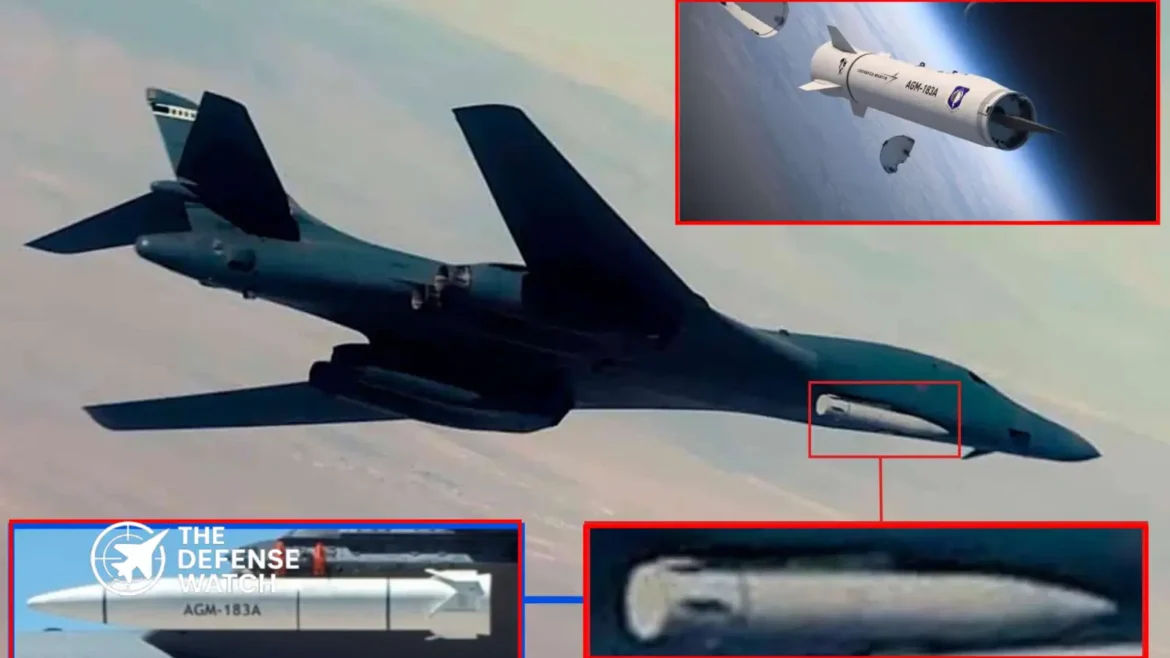
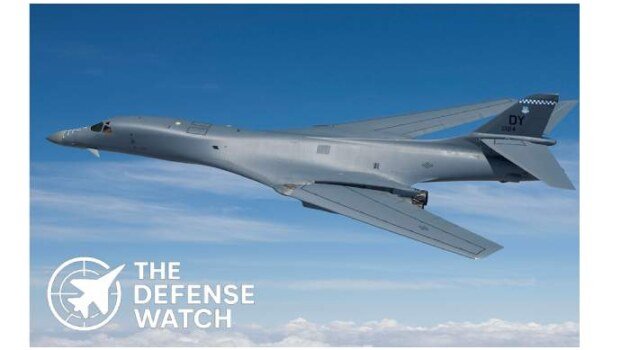
The B-1B Lancer hypersonic loadout revealed by the U.S. Air Force marks a notable step in integrating next-generation weapons into legacy bomber platforms. The configuration, featuring the AGM-183 ARRW, highlights a renewed focus on rapid, long-range strike options designed to penetrate advanced air defenses.
- Iran and Russia reportedly signed a secret 500 million missile deal in December 2025, according to the Financial Times.
- The pact covers delivery of 500 Verba man portable air defense launch units and 2,500 9M336 missiles through 2027 to 2029.
- The Verba systems are infrared guided MANPADS designed to target low altitude threats including drones and cruise missiles.
- The deal follows damage to Iran s air defense network during the 2025 conflict with Israel.
- The agreement reflects deepening military cooperation between Tehran and Moscow.
The updated loadout demonstrates how the B-1B Lancer could carry multiple hypersonic missiles externally, significantly expanding its operational flexibility. The ARRW is designed to reach speeds above Mach 5, enabling it to strike high-value targets with minimal warning.
From Conventional Bomber To Hypersonic Carrier
The B-1B has long served as a conventional strike bomber, optimized for carrying large payloads of guided and unguided munitions. This new B-1B Lancer hypersonic loadout represents a shift toward high-speed precision strike missions.
Unlike stealth bombers such as the B-2, the B-1B relies on speed, payload, and stand-off weapons. Integrating ARRW allows the aircraft to launch from outside heavily defended zones, reducing exposure to modern air defense systems.
This evolution aligns with broader U.S. efforts to adapt existing platforms for hypersonic warfare, rather than waiting for next-generation systems like the B-21 to fully mature.
AGM-183 ARRW: Capability And Challenges
The AGM-183 ARRW program has faced technical hurdles in recent years, including test inconsistencies. However, its core concept remains central to U.S. hypersonic strategy.
The missile uses a boost-glide vehicle, launched by a rocket booster before gliding at hypersonic speeds toward its target. This flight profile complicates interception by traditional missile defense systems.
The introduction of the B-1B Lancer hypersonic loadout suggests continued confidence in ARRW or at least in the broader concept of air-launched hypersonic weapons.
From an operational standpoint, pairing ARRW with the B-1B offers several advantages:
- Rapid deployment from forward bases
- Large payload capacity
- Flexibility in targeting across multiple theaters
Strategic Context: Why It Matters Now
The timing of this reveal is significant. The United States is accelerating efforts to counter hypersonic developments by near-peer competitors, particularly China and Russia.
Both countries have already fielded or tested hypersonic systems, raising concerns about gaps in U.S. strike and deterrence capabilities. The B-1B Lancer hypersonic loadout directly addresses this gap by providing a near-term delivery platform.
This approach reflects a broader Pentagon strategy of incremental modernization. Instead of relying solely on future platforms, the U.S. is upgrading existing assets to maintain operational readiness.
Operational Impact And Future Outlook
If fully operational, the B-1B Lancer hypersonic loadout could reshape how the U.S. conducts long-range strike missions. The ability to launch hypersonic weapons from a proven bomber platform adds a layer of unpredictability and speed to U.S. military planning.
However, several factors will determine its effectiveness:
- Successful maturation of ARRW technology
- Integration with targeting and command systems
- Availability of sufficient missile inventory
There is also the question of survivability. While the B-1B can launch from stand-off distances, it lacks stealth characteristics, which may limit its use in highly contested environments.
Analysis: Bridging The Capability Gap
The decision to equip the B-1B with hypersonic weapons is less about transforming the aircraft and more about bridging a capability gap.
It reflects a pragmatic approach. Instead of waiting for next-generation systems, the U.S. is leveraging what it already has. This reduces risk and accelerates deployment timelines.
At the same time, it underscores the urgency of the hypersonic race. The B-1B Lancer hypersonic loadout is not just a technical upgrade. It is a signal that the U.S. is adapting its force structure to keep pace with evolving threats.
Iranian Assertion on Kowsar in Kuwait Strike
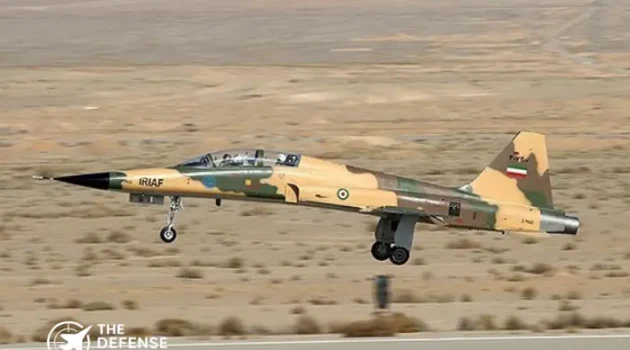
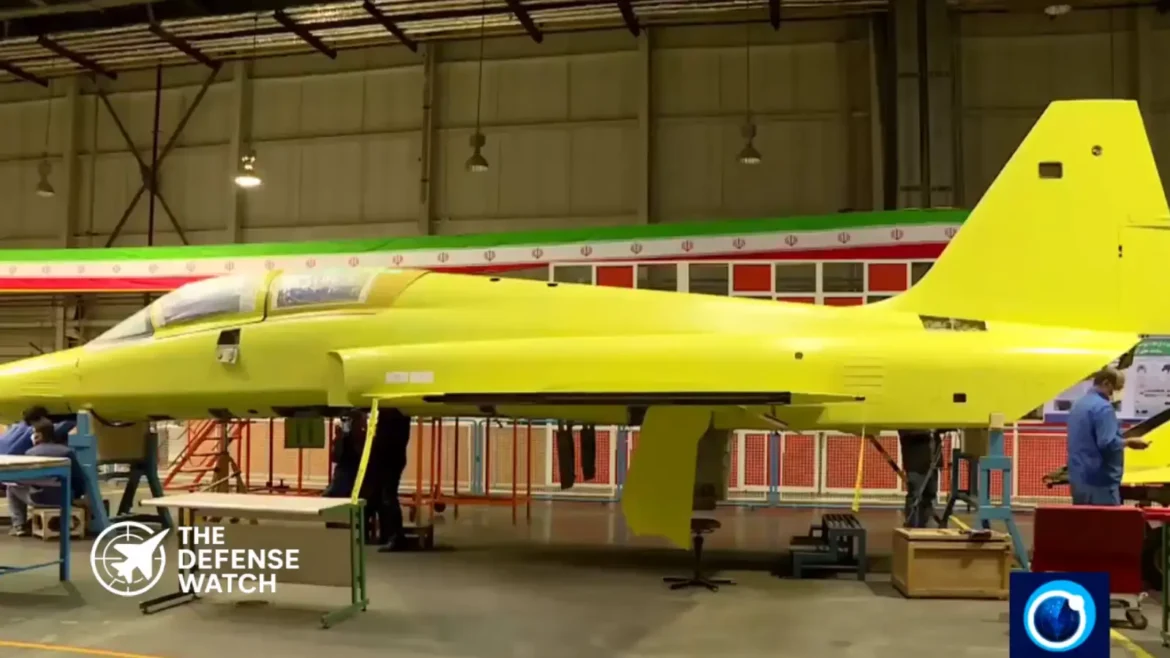
Iran has asserted that the aircraft involved in the reported bombing of Camp Buehring, a major U.S. military installation in Kuwait, was not a vintage F-5 Tiger II but a Kowsar fighter of its own production. According to Iranian statements, the operation demonstrated the capabilities of its indigenous aerospace industry and the skill of a trained pilot who executed a low-altitude strike despite layered air defenses.
- NBC News reported in April 2026 that an Iranian F-5-type fighter jet bombed Camp Buehring in Kuwait during the opening phase of the 2026 conflict.
- Iran claims the aircraft was not an old F-5 but a domestically produced Kowsar fighter, which it has been manufacturing in series since 2018.
- The Kowsar is a reverse-engineered and upgraded version of the pre-1979 Northrop F-5 Tiger II, featuring Iranian-developed avionics.
- The reported low-altitude strike used unguided munitions and reportedly penetrated U.S. air defenses around the base.
- The incident highlights Iran’s efforts to maintain and modernize its aging fighter fleet under long-term international sanctions.
U.S. reporting, primarily from an April 2026 NBC News investigation, described an Iranian F-5-type fighter conducting a rare manned aircraft attack on the base in the initial days of the 2026 hostilities between Iran, the United States, and Israel. The strike formed part of broader Iranian retaliation involving missiles and drones targeting U.S. facilities across seven countries. Details on damage, casualties, and exact tactics remain limited and rely on unnamed officials.
Background on the HESA Kowsar Program
The HESA Kowsar is Iran’s domestically developed single- and twin-seat fighter based on the Northrop F-5 airframe. Iran received F-5s prior to the 1979 Islamic Revolution and has since maintained and modified the fleet through reverse-engineering efforts, including variants such as the Azarakhsh and Saeqeh.
Iran inaugurated a Kowsar assembly line in November 2018, describing the aircraft as featuring “advanced avionics,” a multipurpose radar, and 100% indigenous manufacturing. State media portrayed it as a fourth-generation platform suited for short-range air support and precision targeting missions. Deliveries of small numbers—reportedly three additional aircraft in 2020—have been publicized, but independent assessments indicate production remains constrained by sanctions, component availability, and technical limitations.
Western analysts have consistently noted that the Kowsar retains the core aerodynamic design of the 1960s-era F-5 Tiger II while incorporating Iranian-upgraded cockpit systems and sensors. Its combat radius, payload, and survivability against modern threats are generally assessed as modest compared to contemporary Western or Russian fighters.
Context of the Reported Strike
According to available reporting, the incident at Camp Buehring occurred amid intense opening exchanges following U.S.-Israeli strikes on Iranian targets around late February 2026. Iran launched coordinated attacks using ballistic missiles, cruise missiles, drones, and—at least in this claimed instance—a manned fighter.
U.S. officials cited in media accounts indicated the aircraft approached at low altitude and released unguided (“dumb”) bombs, potentially exploiting temporary gaps or saturation in air defense coverage that included Patriot batteries and shorter-range systems. Such low-level tactics have historically been used to defeat or complicate radar-guided intercepts optimized for higher-altitude or faster threats.
If confirmed as a Kowsar or modified F-5 derivative, the mission would represent an operational validation of Iran’s ability to sustain and employ legacy airframes under sanctions. However, success in a single sortie does not equate to broader force-wide capability against integrated, contested airspace defended by fifth-generation fighters, airborne early warning, and electronic warfare assets.
Analysis: Technical and Operational Realities
From a defense technology perspective, the Kowsar reflects Iran’s long-standing strategy of self-reliance through reverse-engineering and incremental upgrades. Under decades of international sanctions, Tehran has invested in maintaining its pre-revolution F-5 inventory and developing parallel production lines. This approach prioritizes affordability, local maintenance, and numbers over cutting-edge performance.
Key limitations persist: the F-5/Kowsar family lacks modern stealth, advanced sensor fusion, or supercruise capability. Its radar cross-section and infrared signature remain relatively large by today’s standards. Effective employment in contested airspace would likely depend on careful mission planning, terrain masking, coordination with distracting missile and drone salvos, and pilot proficiency in low-level navigation and attack profiles.
The reported low-altitude ingress aligns with classic fighter-bomber tactics designed to minimize exposure time to medium- and long-range surface-to-air missiles. Saturation attacks—combining multiple threat types—can temporarily overwhelm command-and-control networks, creating brief windows for penetration. Whether this occurred at Camp Buehring remains subject to further verification beyond initial reporting.
Iran’s claim emphasizes “serial production since 2018” and attributes success to engineering and pilot heroism. Independent verification of fleet numbers and readiness is challenging due to limited transparency from Tehran. Publicly available imagery and statements suggest modest output rather than large-scale fielding.
Broader Implications for Regional Air Power
The episode underscores ongoing challenges in defending forward bases against diverse, low-technology threats in a high-threat environment. U.S. and allied air defenses in the Gulf are sophisticated but not infallible against massed, multi-axis attacks that include low-flying manned aircraft.
For the Islamic Republic of Iran Air Force (IRIAF), any successful strike bolsters domestic narratives of resilience. However, sustaining such operations against a peer adversary with air superiority would face severe attrition risks given Iran’s limited number of modernized fighters and tanker support.
The incident also occurs against a backdrop of deepening Iran-Russia military ties. A reported December 2025 agreement for Russian Verba MANPADS and associated missiles aims to replenish Iranian short-range air defenses after losses in prior fighting with Israel. This cooperation spans platforms from ground-based systems to potential aviation support.
U.S. Perspective and Force Protection Lessons
From a U.S. standpoint, the reported breach—however limited—highlights the need for persistent, multi-domain surveillance and rapid adaptation of air defense architectures. Layered systems must address not only ballistic and cruise missiles but also low-and-slow threats, including legacy fighters employing visual or basic inertial attack methods.
Pentagon assessments of base resilience, dispersal tactics, and electronic warfare integration will likely inform future posture in the CENTCOM area of responsibility. The dispersal of personnel prior to hostilities reportedly reduced casualties, though infrastructure damage assessments vary between public statements and later reporting.