Executive Summary:
The U.S. Air Force is integrating APKWS laser-guided rockets onto the MQ-9 Reaper to improve counter drone operations against low-cost aerial threats. The move reflects growing Pentagon efforts to develop affordable and scalable air defense options amid the rapid expansion of unmanned systems on modern battlefields.
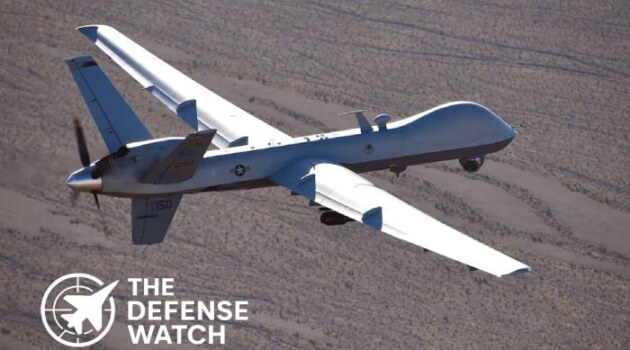
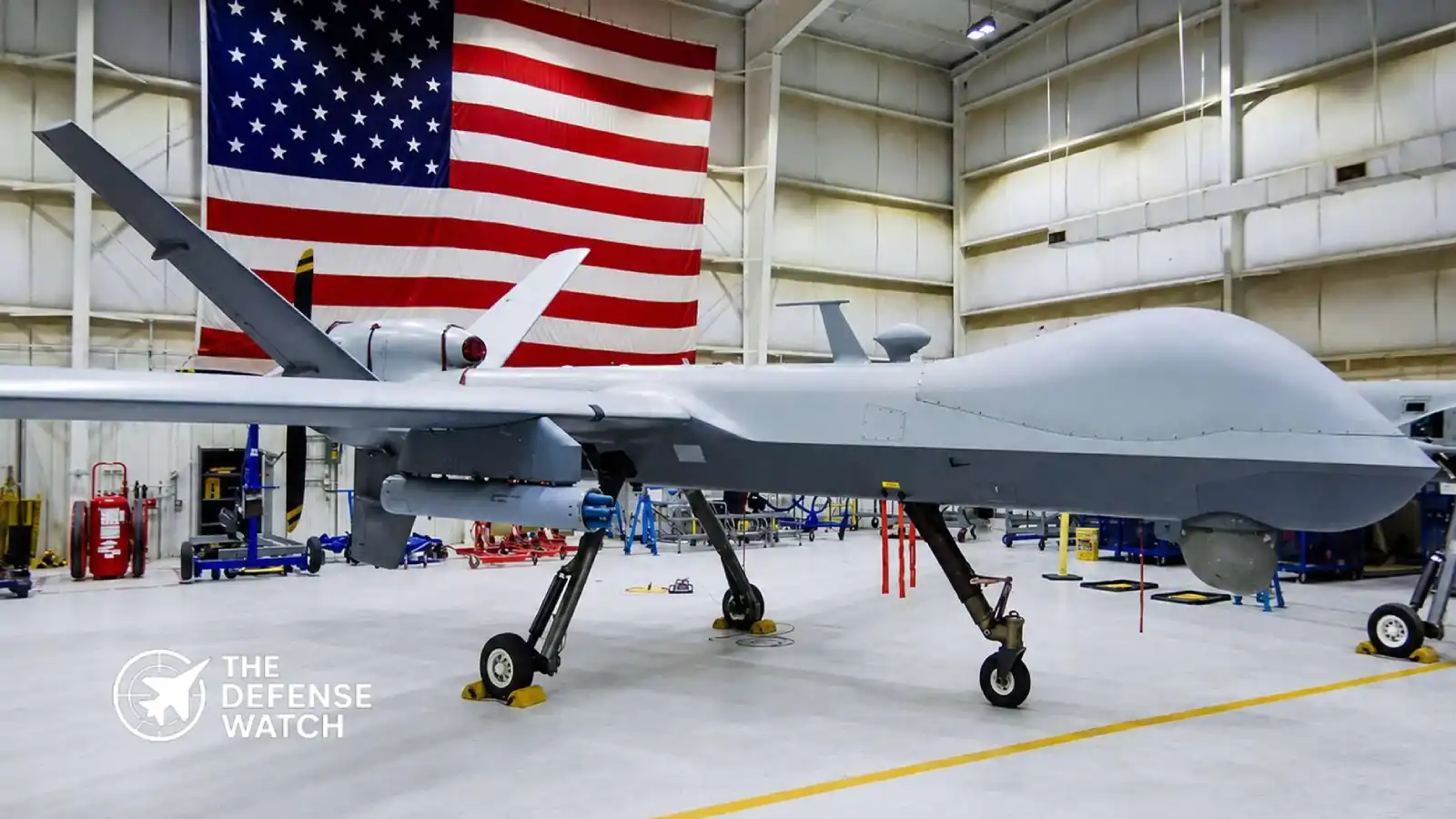
The U.S. Air Force is moving to expand the combat role of the MQ-9 Reaper by integrating Advanced Precision Kill Weapon System (APKWS) rockets for counter drone missions.
The effort highlights a broader shift in U.S. military planning as the Pentagon searches for cost-effective methods to defeat increasingly common unmanned aerial threats. Low-cost drones have become a major operational challenge in conflicts across the Middle East, Eastern Europe, and the Indo-Pacific, forcing militaries to reconsider traditional air defense strategies.
The MQ-9 Reaper, produced by General Atomics Aeronautical Systems, has historically been used for intelligence, surveillance, reconnaissance, and precision strike missions. By adding APKWS-guided rockets, the platform could gain a new role as an aerial counter drone interceptor.
The APKWS system, developed by BAE Systems, converts standard 70mm Hydra rockets into laser-guided precision munitions. The weapon is already widely used by U.S. military aircraft because it provides a lower-cost alternative to larger air-to-air or air-to-ground missiles.
Why The APKWS Matters For Counter Drone Warfare
The growing use of inexpensive one-way attack drones and commercial UAVs has created a major cost imbalance for Western militaries. In many cases, expensive interceptor missiles are being used to destroy relatively cheap drones.
That imbalance has become particularly visible in the Red Sea, Ukraine, and other contested regions where drone saturation attacks are increasingly common. The U.S. military and allied forces have accelerated efforts to field affordable intercept solutions that can operate at scale.
The APKWS offers several operational advantages in that environment:
- Lower cost compared to traditional missiles
- Precision engagement capability
- Compatibility with multiple aircraft platforms
- Reduced collateral damage risk
- Rapid integration on existing systems
Integrating the weapon onto the MQ-9 Reaper could provide a persistent airborne counter drone capability that remains on station for extended periods while engaging multiple low-cost threats.
The Air Force’s interest in this capability also reflects lessons learned from recent operational environments where drones have evolved from niche battlefield tools into central components of modern warfare.
MQ-9 Reaper Continues Mission Evolution
The MQ-9 Reaper has undergone significant modernization over the past decade. Originally optimized for counterterrorism operations, the platform is increasingly being adapted for contested operational environments involving near-peer competitors.
Recent upgrades have focused on:
- Enhanced survivability
- Expanded sensor packages
- Multi-domain integration
- Maritime surveillance
- Electronic warfare support
- Autonomous mission capabilities
The addition of APKWS rockets fits within that broader modernization path.
The Reaper’s endurance remains one of its biggest operational strengths. Unlike manned fighter aircraft that may require frequent refueling or rotation, the MQ-9 can remain airborne for long durations, making it suitable for persistent surveillance and defensive patrol missions.
Defense analysts have increasingly pointed to the value of layered counter drone architectures that combine electronic warfare, directed energy systems, kinetic interceptors, and airborne response platforms. Arming MQ-9 aircraft with APKWS rockets could provide the Air Force with a flexible middle layer between high-end missile defense systems and ground-based counter UAV tools.
Operational And Strategic Implications
The integration effort also signals how unmanned aircraft themselves are becoming part of the counter unmanned systems ecosystem.
Traditionally, drones were viewed primarily as reconnaissance or strike assets. However, the rapid proliferation of UAV threats has pushed militaries to adapt existing platforms for defensive missions as well.
For the United States and allied forces, the challenge is no longer simply deploying drones, but defending against large numbers of them in contested airspace.
The APKWS-equipped MQ-9 could potentially support several operational missions, including:
- Base defense patrols
- Maritime convoy protection
- Border security operations
- Forward force protection
- Counter swarm interception
The approach may also reduce operational strain on high-value fighter aircraft and missile defense systems currently tasked with drone interception duties.
At the same time, integrating low-cost precision weapons into unmanned platforms reflects a wider Pentagon emphasis on affordability and scalability. As drone warfare expands globally, military planners are increasingly focused on ensuring that defensive systems can sustain prolonged operations without exhausting expensive missile inventories.
Broader Pentagon Counter Drone Push
The MQ-9 APKWS integration effort comes amid wider Department of Defense investments in counter unmanned aerial system technologies.
The Pentagon has accelerated testing of:
- Directed energy weapons
- Electronic attack systems
- Autonomous interceptors
- AI-enabled tracking systems
- Mobile air defense platforms
The U.S. military has repeatedly emphasized that future conflicts are expected to involve large numbers of autonomous and semi-autonomous aerial systems operating simultaneously across multiple domains.
As a result, the need for scalable and affordable counter drone solutions has become a major defense priority.
The MQ-9 Reaper’s evolving mission profile demonstrates how existing aircraft are being adapted to meet those emerging operational demands without requiring entirely new platforms.