Executive Summary:
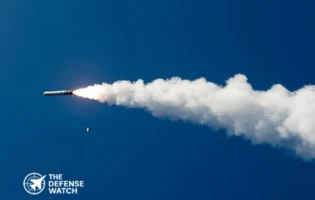
Ukraine has set an ambitious goal of producing a prototype of its jointly developed European anti ballistic missile defense system, codenamed Freyja, by mid 2027. The multinational effort seeks to combine Ukrainian interceptor technology with European radar, sensor, and command systems to create a more sustainable regional missile defense capability.
Ukraine Targets Mid 2027 Prototype For Freyja Missile Defense System
Ukraine’s Freyja missile defense system program has entered a new phase as Kyiv pushes to complete a working prototype by the middle of 2027, according to senior Ukrainian officials overseeing the initiative. The announcement reflects a broader European effort to strengthen defenses against increasingly sophisticated ballistic missile attacks while reducing reliance on limited inventories of existing Western interceptor systems.
- Ukraine Targets Mid 2027 Prototype For Freyja Missile Defense System
- Freyja Is Designed As A Collaborative European Missile Shield
- Why Ukraine Wants A New Missile Defense System
- Open Architecture Could Become Freyja’s Biggest Advantage
- Industrial Cooperation Reflects Europe’s Broader Defense Strategy
- Analysis: Why Freyja Matters Beyond Ukraine
- Development Timeline
- Outlook
Davyd Aloian, Deputy Secretary of Ukraine’s National Security and Defence Council, said an international steering committee will soon begin estimating research and development costs for the project. The committee follows the official launch of the anti ballistic coalition at a summit in Paris attended by leaders from 10 European nations and major defense companies.
Freyja Is Designed As A Collaborative European Missile Shield
Unlike traditional defense procurement programs led by a single nation, Freyja is being developed as a multinational architecture.
According to Ukrainian officials:
- Ukraine will provide the launcher and interceptor missile.
- European partners will contribute radar technologies, sensors, guidance systems, and command networks.
- The architecture is intended to remain open, allowing participating countries to integrate nationally developed components.
Companies participating in the initiative include:
Organization Expected Contribution Fire Point (Ukraine) Launcher and interceptor development HENSOLDT (Germany) Radar cooperation Leonardo Sensor and defense technologies Thales Air defense systems expertise Saab Radar and surveillance capabilities Eurosam Missile defense integration expertise Why Ukraine Wants A New Missile Defense System
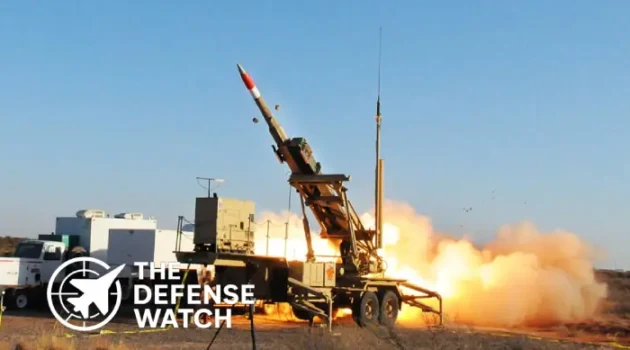
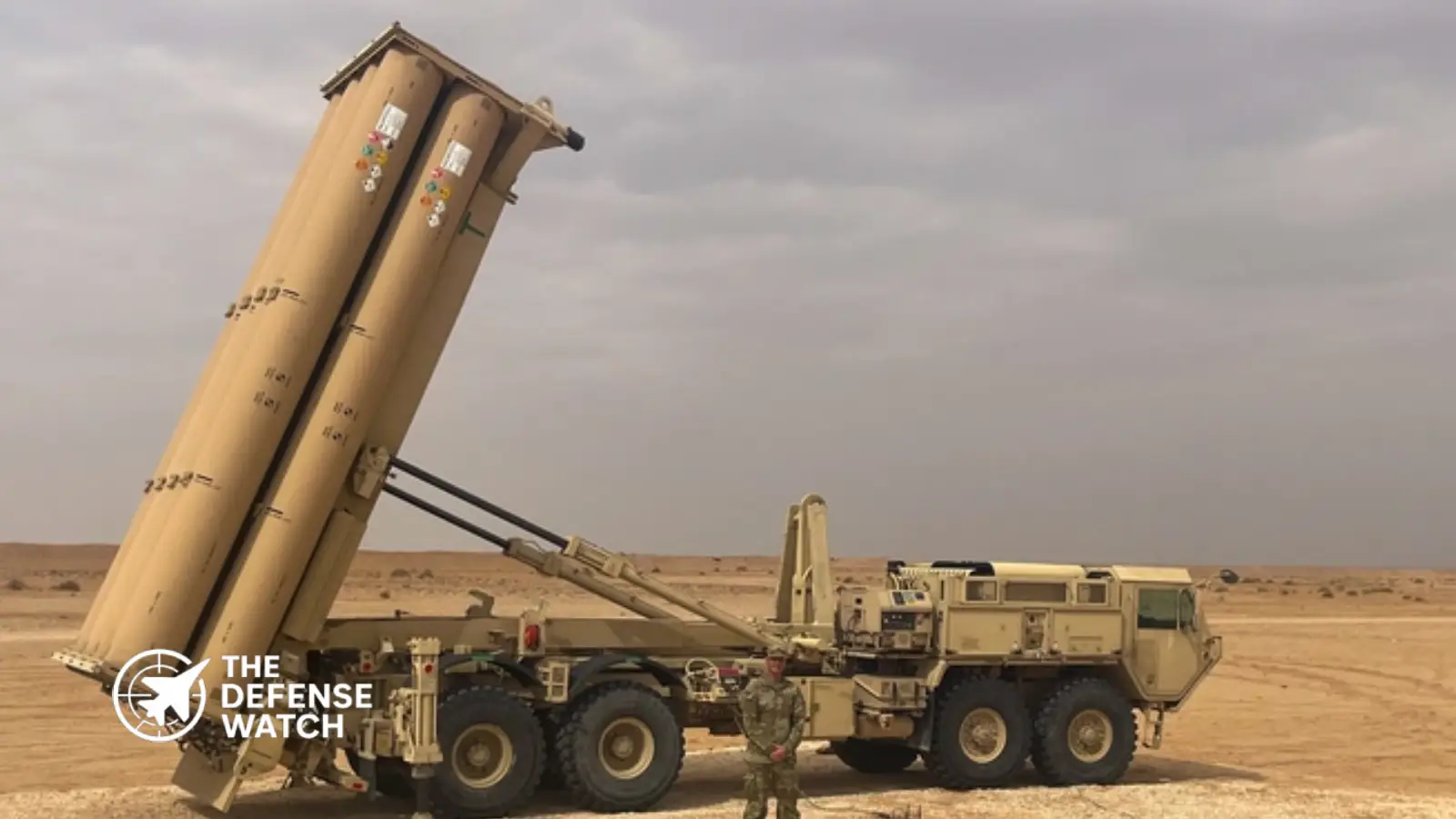
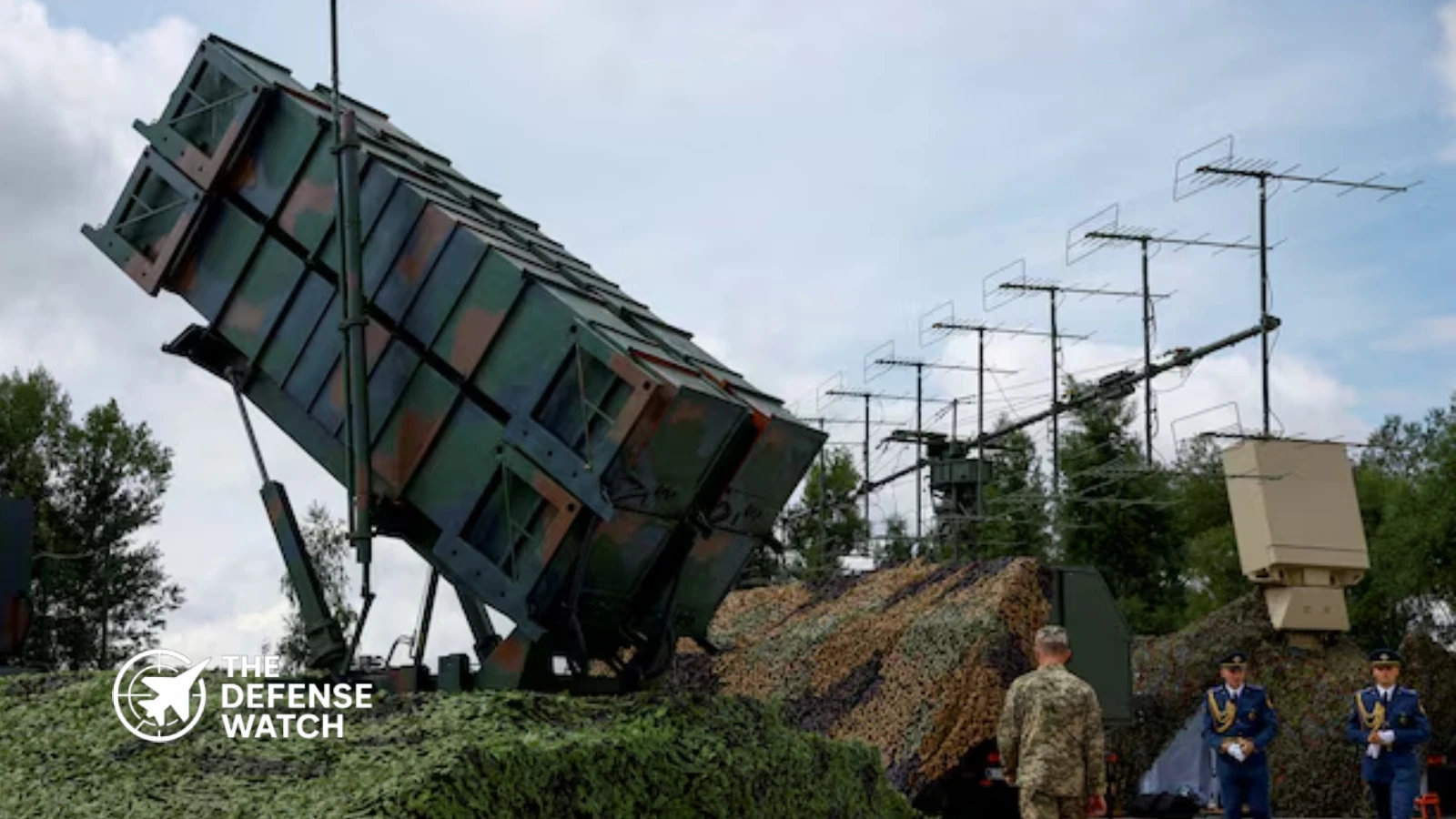
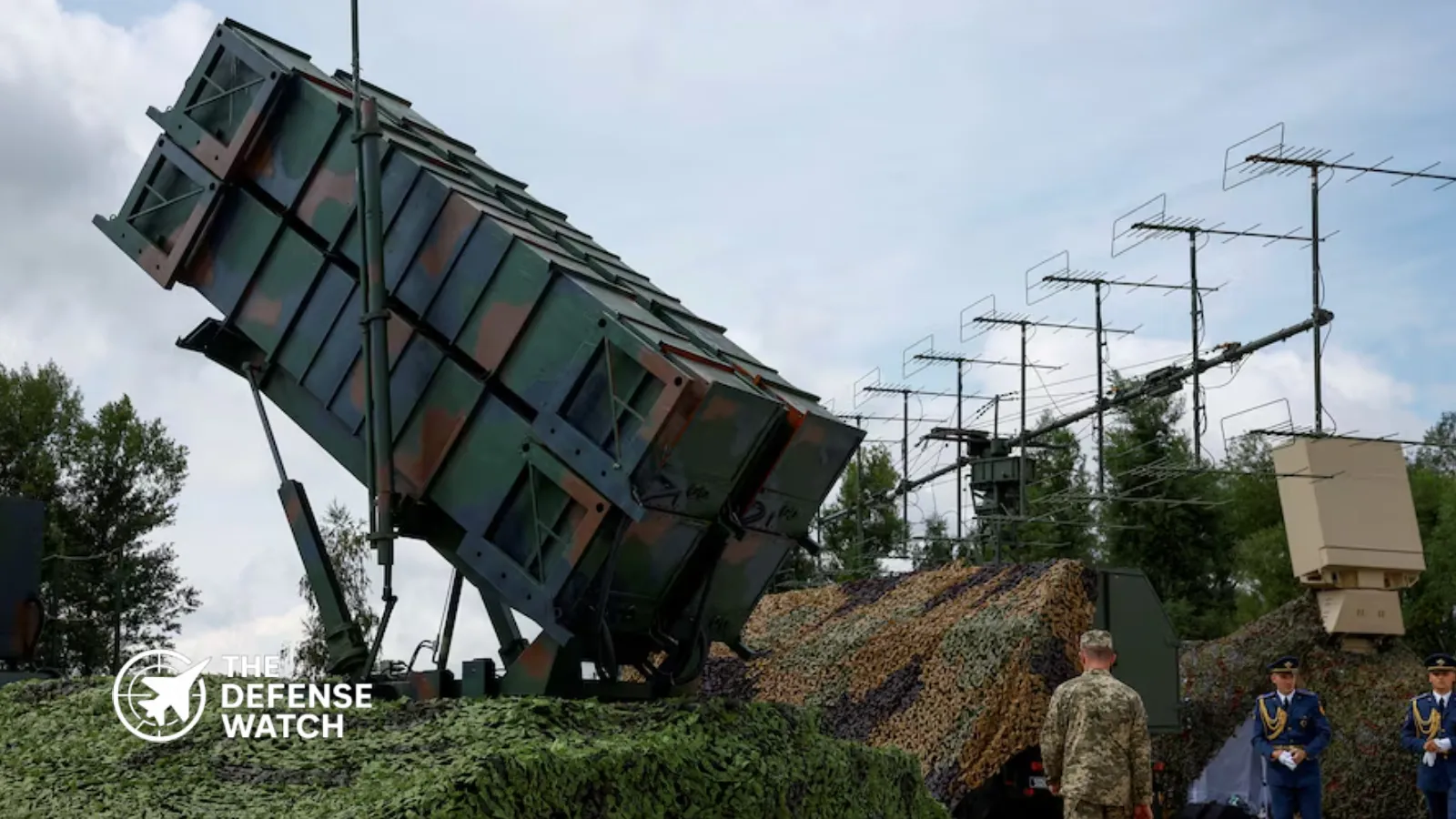
Ukraine currently depends heavily on the U.S. made Patriot air defense system to intercept Russian ballistic missiles.
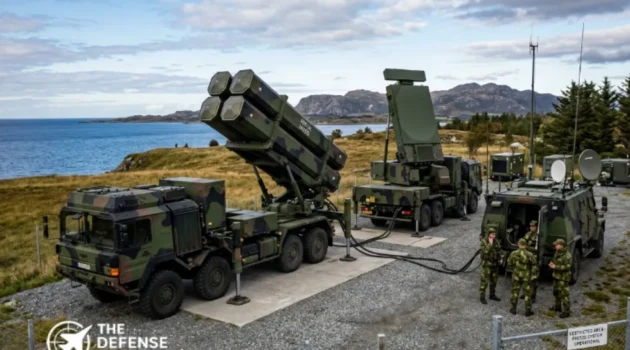
While other European systems such as SAMP/T and IRIS T have demonstrated strong performance against aircraft, cruise missiles, and drones, Patriot remains the only system with an established operational record against the most demanding ballistic missile threats currently facing Ukraine.
Developing Freyja is intended to:
- Expand European missile defense capacity.
- Reduce dependence on limited Patriot interceptor stocks.
- Increase industrial production within Europe.
- Create a scalable architecture that participating nations can customize.
Open Architecture Could Become Freyja’s Biggest Advantage
One of the program’s most significant design features is its open architecture approach.
Instead of requiring every participating nation to purchase identical equipment, Freyja is expected to allow countries to integrate domestically produced:
- Early warning radars
- Fire control sensors
- Battle management software
- Communications systems
- Command and control networks
This approach could reduce procurement costs while allowing European defense industries to contribute specialized technologies rather than replacing existing national capabilities.
Industrial Cooperation Reflects Europe’s Broader Defense Strategy
The Freyja initiative also reflects a broader trend toward multinational European defense production.
Rather than relying solely on emergency weapons transfers, participating governments are increasingly pursuing collaborative development programs that distribute manufacturing across multiple countries.
Ukraine is reportedly considering establishing a dedicated funding mechanism to streamline financial contributions from partner nations while accelerating research and production.
Analysis: Why Freyja Matters Beyond Ukraine
Beyond its immediate role in protecting Ukrainian airspace, Freyja represents a notable shift in European missile defense planning.
For years, European integrated air and missile defense has depended heavily on U.S. supplied capabilities, particularly Patriot interceptors. Growing operational demand, expanding missile inventories among potential adversaries, and pressure on interceptor production have highlighted the need for additional capacity.
A collaborative system that combines Ukrainian operational experience with European industrial expertise could diversify missile defense options across NATO’s eastern flank. It may also encourage greater interoperability among participating nations through common command standards while preserving flexibility for national equipment choices.
However, significant technical challenges remain before Freyja reaches operational service. Integrating interceptors, advanced tracking radars, guidance systems, and battle management software into a reliable anti ballistic architecture requires extensive testing under realistic conditions. Producing sufficient interceptor inventories at sustainable costs will also be essential if the system is to complement, rather than simply duplicate, existing missile defense capabilities.
The program’s success will therefore depend not only on engineering milestones but also on sustained political commitment, industrial coordination, and long term funding from participating European governments.
Development Timeline
Milestone Status Anti ballistic coalition launched July 2026 International steering committee Expected to convene shortly Minimum viable product target First half of 2027 Prototype objective Mid 2027 Long term operational development To be determined after testing Outlook
If development remains on schedule, Freyja could become one of Europe’s most significant collaborative missile defense initiatives in decades. Although still in its early development phase, the project reflects growing momentum toward expanding indigenous European missile defense capabilities while incorporating Ukraine’s wartime operational experience into future air and missile defense architecture.