Executive Summary:
NATO allies are expanding F-35 integration through a multinational weapons training program hosted by the Royal Netherlands Air Force at Leeuwarden Air Base. The initiative brings together multiple F-35 operators to strengthen combat interoperability, improve tactical leadership, and enhance the Alliance’s ability to conduct fifth generation air operations across Northern Europe.
NATO Expands F-35 Integration Through Multinational Weapons Training
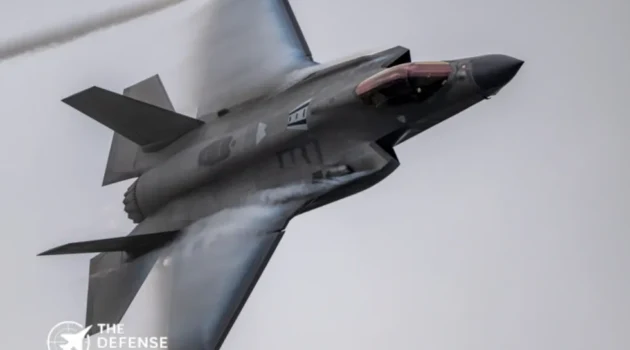
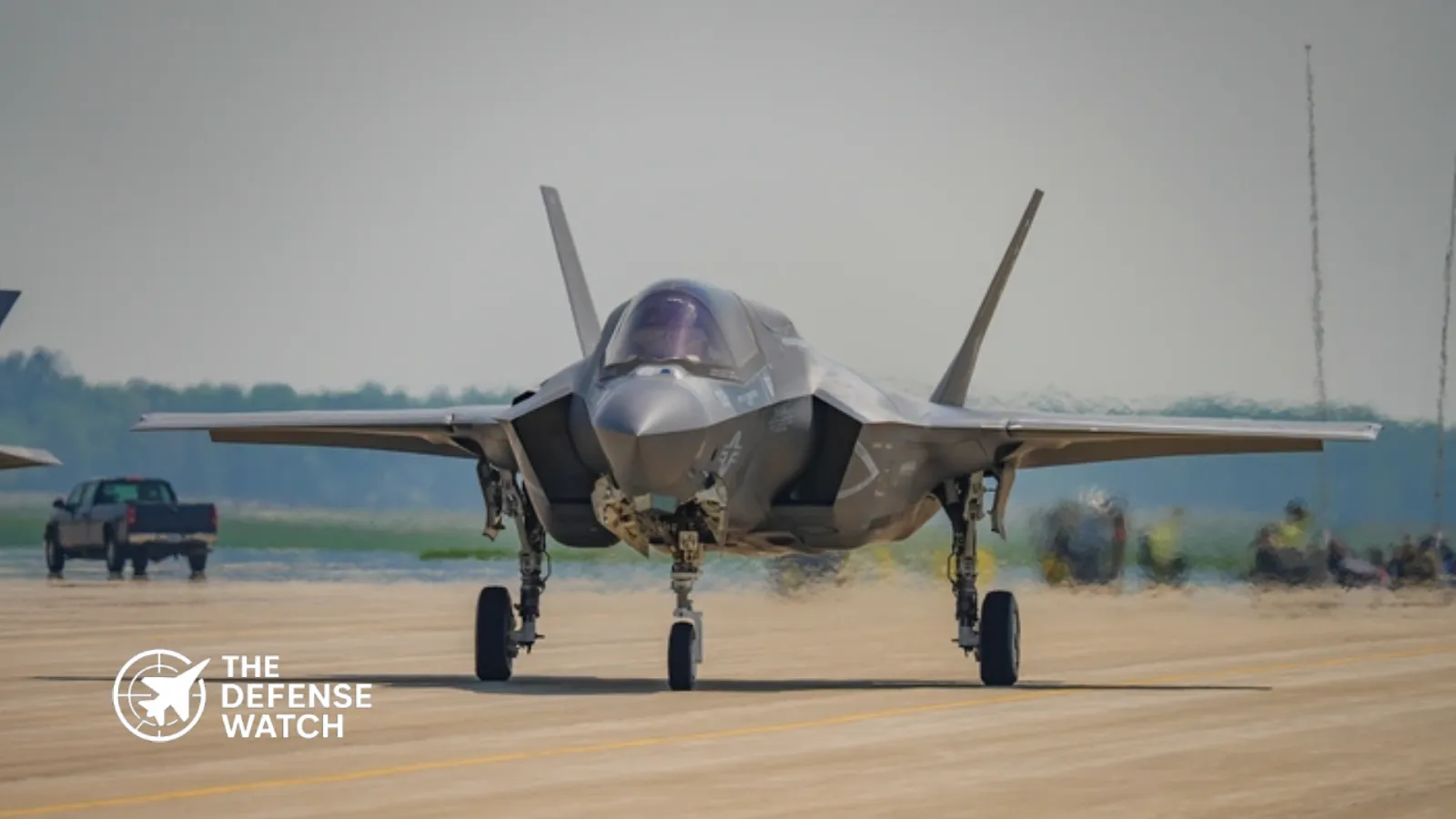
NATO F-35 integration took another step forward as allied air forces gathered in the Netherlands for multinational weapons training aimed at improving operational readiness and interoperability among fifth generation fighter fleets. According to the Dutch Ministry of Defence and NATO reporting, the exercise is centered on the internationally recognized Weapons Instructor Course (WIC), hosted by the Royal Netherlands Air Force’s 323 Air Combat Development Centre at Leeuwarden Air Base.
The training reflects NATO’s broader effort to build a highly integrated F-35 force capable of operating seamlessly across Europe. As more Alliance members transition from legacy F,16 fleets to the F-35 Lightning II, multinational training has become essential for developing common tactics, standardized procedures, and shared operational doctrine.
Multinational F-35 Operators Train Together
The current Weapons Instructor Course includes personnel from Belgium, Denmark, the Netherlands, and Norway. Beyond fighter pilots, the program also involves intelligence specialists, mission planners, and operational support personnel who collectively contribute to modern air combat operations.
Unlike traditional flying exercises, the WIC prepares experienced aircrew and officers to become tactical leaders capable of planning and executing complex multinational operations.
The course emphasizes:
- Advanced air to air and air to ground tactics
- Integrated mission planning
- Weapons employment
- Electronic warfare coordination
- Joint operations with multiple NATO assets
- Leadership development for future combat commanders
Why The Netherlands Plays A Central Role
Leeuwarden Air Base has become one of Europe’s principal centers for advanced F-35 tactical development.
The Royal Netherlands Air Force has extensive experience operating both the F,16 and F-35, making it well positioned to help allied nations transition toward fifth generation operations. Earlier this year, Danish F-35 aircraft deployed to Leeuwarden for the first time, highlighting growing Nordic cooperation as Denmark completes its transition from the F,16.
The Netherlands has increasingly served as a hub for multinational F-35 activities, including cross servicing, maintenance cooperation, and tactical integration with U.S. Air Force units.
Growing Northern European F-35 Network
Northern Europe is rapidly becoming one of NATO’s largest concentrations of F-35 operators.
Countries operating or introducing the aircraft include:
Nation F-35 Status Netherlands Operational Denmark Operational transition underway Norway Operational Finland Fleet acquisition underway Belgium Deliveries continuing Poland Fleet introduction progressing United States Permanently deployed across Europe This concentration enables NATO to build regional networks where aircraft, maintenance personnel, logistics systems, and command structures increasingly operate under common standards.
Operational Benefits Beyond Flying
One of the most significant advantages of multinational F-35 training is that it extends well beyond pilot proficiency.
Modern fifth generation warfare depends on secure data sharing, sensor fusion, distributed targeting, and coordinated mission execution. Standardized training ensures allied pilots interpret battlefield information similarly and respond using common tactical procedures.
The F-35’s ability to collect, process, and distribute targeting data becomes considerably more effective when participating nations follow identical operational methods.
Recent NATO exercises have also demonstrated increasing emphasis on Agile Combat Employment, dispersed basing, and multinational sustainment, allowing aircraft from different nations to operate from allied airfields with shared maintenance support.
Strategic Importance For NATO
The expansion of multinational F-35 integration comes as NATO continues strengthening deterrence across its northern and eastern regions.
Following Finland’s accession to NATO and Sweden’s membership, the Alliance has significantly expanded its northern airpower architecture. Combined with increasing F-35 adoption across Europe, NATO is creating a more interconnected force capable of responding rapidly to emerging regional threats.
Rather than relying solely on national air forces, the Alliance is moving toward integrated multinational formations where aircraft, crews, command systems, and logistics networks operate as a unified combat capability.
This approach reduces operational friction during coalition missions while improving survivability in contested environments.
Analysis: Why This Matters
The importance of this training extends beyond the Netherlands.
Over the next decade, Europe will field one of the world’s largest concentrations of F-35 aircraft. Simply owning the same platform, however, does not automatically create combat interoperability.
Modern air warfare depends on shared mission planning, common digital standards, standardized weapons employment procedures, and synchronized command structures. Programs such as the Weapons Instructor Course provide the institutional framework needed to transform multiple national fleets into a cohesive NATO air combat force.
For the United States, stronger European F-35 integration also reduces operational burden. Better trained allied forces can assume larger regional responsibilities while maintaining compatibility with U.S. Air Force and U.S. Marine Corps operations. This strengthens NATO’s collective deterrence posture without requiring every mission to rely primarily on American assets.
The initiative also supports NATO’s broader modernization efforts focused on integrated air and missile defense, distributed operations, and multinational sustainment, all critical elements for future high intensity conflict.