Executive Summary:
The U.S. Air Force has launched a long-term KC-46A readiness initiative aimed at increasing tanker aircraft availability by 20% by 2030. The effort focuses on sustainment, maintenance efficiency, and fleet modernization as aerial refueling demand expands across multiple theaters.
U.S. Air Force Launches KC-46A Readiness Initiative
The U.S. Air Force has introduced a new KC-46A readiness plan designed to improve operational availability of its growing aerial refueling fleet by 20% before the end of the decade. The initiative reflects increasing demand for tanker support across Indo-Pacific, European, and Middle Eastern operational environments.
The effort centers on sustainment reform, predictive maintenance, supply chain optimization, and stronger coordination between the Air Force and industry partners.
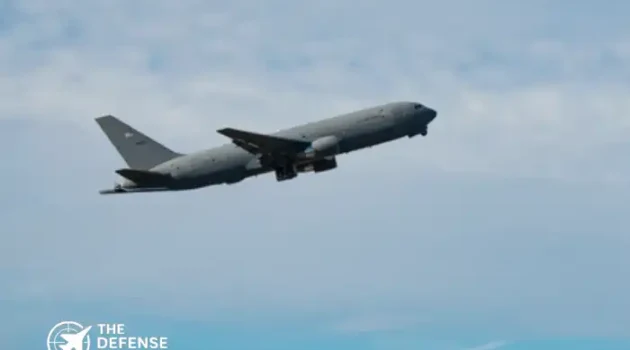
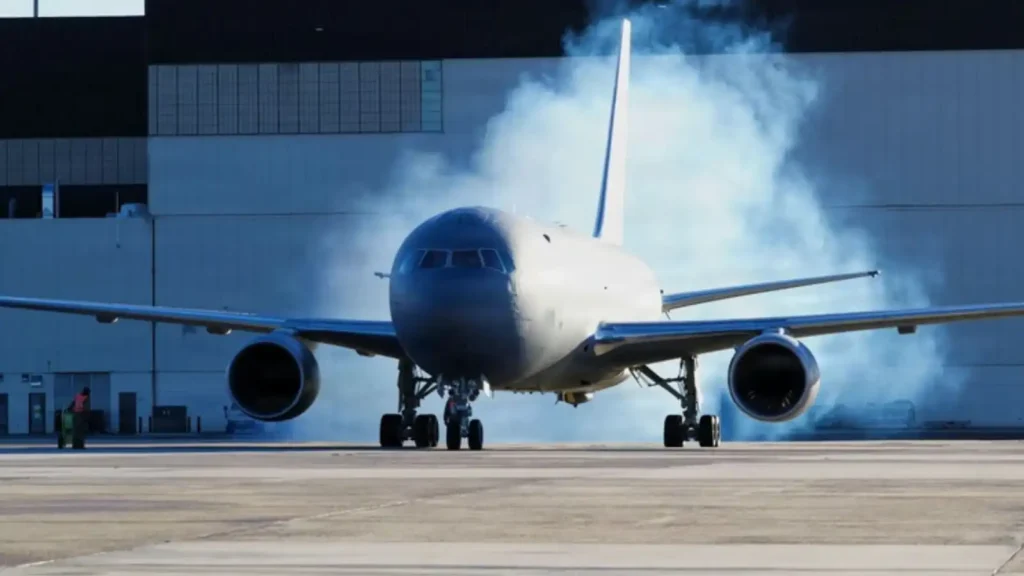
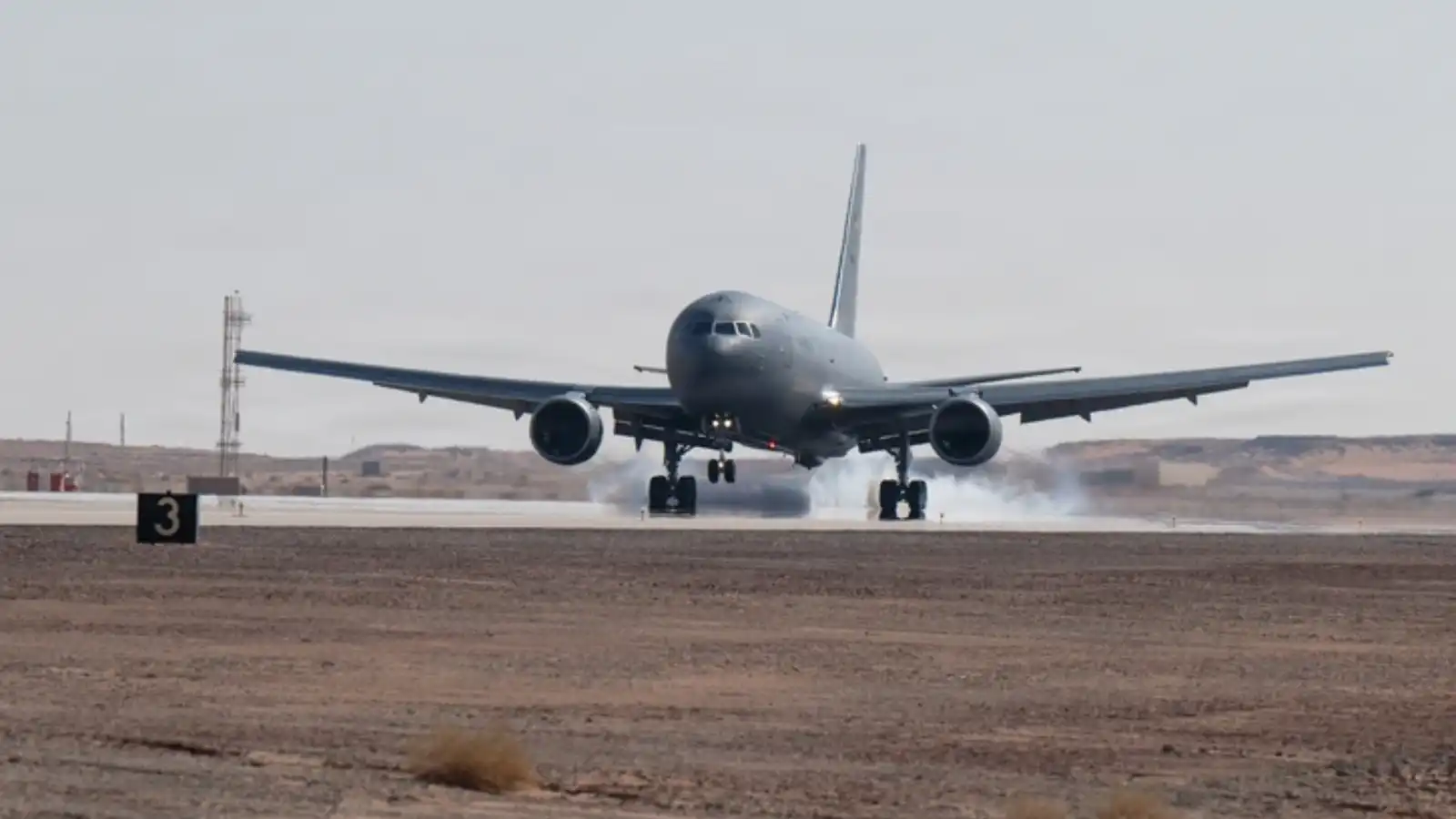
The KC-46A Pegasus, developed by Boeing, is intended to gradually replace portions of the aging KC-135 Stratotanker fleet while expanding modern aerial refueling capabilities for joint and allied operations.
Why The KC-46A Fleet Matters
The KC-46A has become one of the Air Force’s most strategically important aviation programs. Modern U.S. military operations depend heavily on aerial refueling to sustain long-range fighter patrols, bomber deployments, intelligence missions, and rapid force projection.
As tensions continue to rise in the Indo-Pacific region and Europe, tanker aircraft availability has become increasingly critical. The Air Force has repeatedly identified aerial refueling capacity as a major enabler for distributed combat operations and long-range deterrence missions.
The new readiness plan appears designed not only to improve aircraft availability rates, but also to reduce maintenance bottlenecks that have affected fleet performance during the platform’s early operational years.
Sustainment And Maintenance Reforms
The KC-46A readiness plan reportedly includes several operational improvements focused on increasing aircraft mission-capable rates.
These measures include:
- Expanded predictive maintenance tools
- Improved spare parts availability
- Reduced depot maintenance delays
- Streamlined logistics coordination
- Enhanced digital sustainment systems
The Air Force is also expected to increase data-driven maintenance planning to reduce unplanned downtime and improve sortie generation rates.

Image : U.S. Air Force This approach mirrors broader Pentagon-wide efforts to modernize aircraft sustainment using digital logistics management and condition-based maintenance technologies.
KC-46A Program Continues To Mature
The KC-46A program has experienced a difficult development path since its initial contract award. The aircraft faced years of technical deficiencies involving its Remote Vision System (RVS), refueling boom performance, and other operational systems.
However, the platform has gradually expanded operational deployments while supporting real-world missions for U.S. and allied forces.
The tanker is capable of refueling a wide range of aircraft, including:
- F-35 Lightning II
- F-22 Raptor
- B-52 Stratofortress
- C-17 Globemaster III
- Allied NATO aircraft
The aircraft also provides cargo transport, aeromedical evacuation, and command-and-control support capabilities.
The Air Force continues working with Boeing on the upgraded Remote Vision System 2.0, which remains one of the most important remaining modernization efforts for the platform.
Strategic Pressure Driving Tanker Modernization
The KC-46A readiness initiative comes as the Air Force faces growing operational pressure in multiple regions simultaneously.
In the Indo-Pacific, tanker aircraft are considered essential for sustaining combat aircraft over long distances where forward basing options may be limited during a conflict scenario involving China.
In Europe, NATO air operations supporting deterrence missions against Russia have increased demand for aerial refueling support since the outbreak of the Ukraine war.
At the same time, Middle East operations continue requiring persistent tanker support for surveillance, strike coordination, and regional force protection missions.
This operational environment is forcing the Air Force to maximize availability across its tanker inventory while accelerating modernization of aging fleets.
Industrial And Budget Implications
The readiness initiative may also carry significant implications for defense industry sustainment contracts over the coming years.
Improving fleet readiness often requires expanded partnerships between the Air Force, aircraft manufacturers, and logistics suppliers. Boeing and associated contractors are expected to remain heavily involved in sustainment optimization efforts tied to the KC-46A program.
The Air Force has already accepted dozens of KC-46A aircraft and plans to continue expanding the fleet under existing procurement schedules.
Despite earlier technical setbacks, the service continues treating the Pegasus as the backbone of its future aerial refueling architecture.
Operational Analysis
The Air Force’s decision to prioritize KC-46A readiness highlights a broader shift in Pentagon planning toward sustainment resilience rather than purely platform acquisition.
Aircraft availability rates increasingly matter as much as fleet size. A tanker fleet with low mission-capable rates can significantly reduce combat airpower projection during high-tempo operations.
The 20% availability target by 2030 suggests the Air Force is attempting to address readiness concerns before the KC-46A becomes fully central to U.S. global tanker operations.
The initiative also reflects lessons learned from recent operational demands, where logistics and sustainment capacity have become major strategic factors in prolonged military deployments.