Executive Summary:
Romania’s Air Force has destroyed a third unmanned aircraft within three days during air policing operations near the Black Sea coast, according to official Romanian authorities. The latest interception underscores the growing operational demands facing NATO’s southeastern flank as member states respond to repeated airspace security incidents in the region.
Romania F-16 Downs Third Drone Near Black Sea During Heightened Air Defense Operations
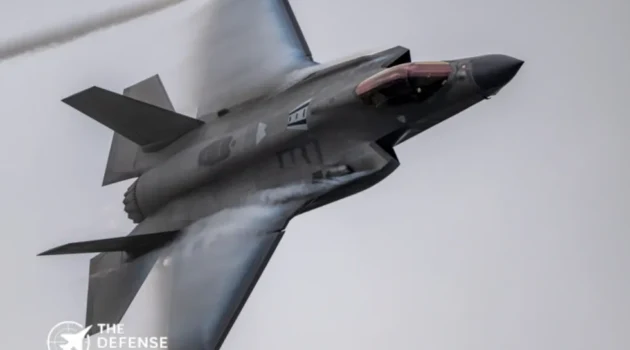
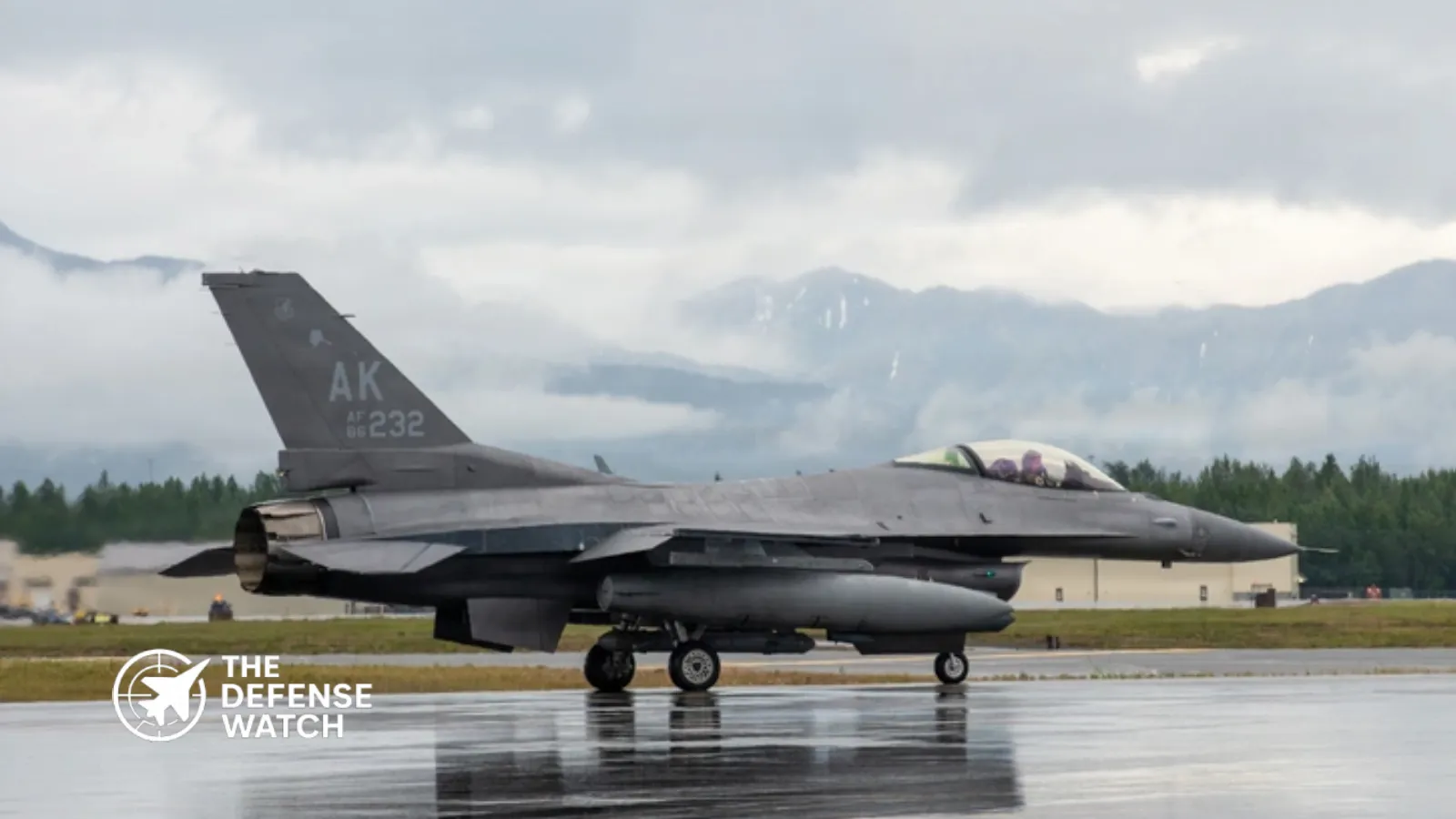
Romania’s F-16 Fighting Falcon fleet has intercepted and destroyed a third unmanned aircraft in just three days near the country’s Black Sea coastline, reflecting an elevated operational tempo for NATO’s southeastern air defenses.
According to Romania’s Ministry of National Defence, the latest engagement occurred during ongoing air surveillance and quick reaction alert operations after another unidentified aerial target approached Romanian airspace near the Black Sea. Romanian authorities confirmed that the aircraft was neutralized before it could pose a broader security risk.
The incident represents the third successful interception over a three day period, highlighting the increasing frequency of unmanned aerial activity near Romania’s borders.
Romania Continues Intensive Air Policing Missions
Romania has significantly expanded its air policing posture since the start of Russia’s full scale invasion of Ukraine. Its F-16 fleet regularly conducts NATO Quick Reaction Alert (QRA) missions designed to detect, identify, monitor, and, when necessary, intercept unauthorized aircraft.
The repeated drone incidents demonstrate that Romania’s air defense forces remain on a heightened state of readiness as military activity continues throughout the wider Black Sea region.
Romanian defense officials have not publicly disclosed the exact type, origin, or operator of the intercepted unmanned aircraft while investigations continue.
Officials emphasized that standard NATO procedures were followed throughout the engagement.
Black Sea Remains One Of NATO’s Most Active Security Frontiers
The Black Sea has evolved into one of Europe’s most strategically sensitive operating environments.
Commercial shipping routes, energy infrastructure, military installations, and NATO member states all converge in the region, making persistent aerial surveillance essential.
Since 2022, Romania has repeatedly responded to:
- Unidentified drones
- Cruise missile debris crossing borders
- Airspace violations
- Increased military aviation activity near NATO territory
These developments have prompted Romania to strengthen both surveillance capabilities and fighter readiness.
F-16 Fighting Falcon Serves As Romania’s Primary Air Defense Platform
Romania has steadily modernized its fighter force around the F-16 Fighting Falcon after retiring its aging MiG-21 LanceR fleet.
The aircraft now forms the backbone of the Romanian Air Force’s air sovereignty mission.
Key Capabilities
Capability Details Primary Mission Air policing and air defense Radar AN/APG-66 or upgraded variants depending on aircraft configuration Weapons AIM-120 AMRAAM, AIM-9 Sidewinder, internal 20 mm cannon Speed Mach 2 NATO Role Quick Reaction Alert and allied air policing Romania continues integrating additional F-16 aircraft acquired from European partners to expand fleet availability while preparing for future fifth generation capability through the F-35 program.
NATO’s Integrated Air Defense Network Plays Central Role
Romania’s fighter operations are closely coordinated through NATO’s Integrated Air and Missile Defence architecture.
Ground based radar stations, airborne early warning aircraft, command centers, and allied fighter units share real time information to maintain continuous awareness across the alliance’s eastern borders.
When unidentified aircraft are detected, Quick Reaction Alert fighters can be launched within minutes to identify and respond to potential threats.
This integrated approach has become increasingly important as unmanned aircraft operate at lower altitudes, smaller radar signatures, and unpredictable flight profiles.
Operational Challenges Of Countering Small Drones
Unlike traditional military aircraft, many unmanned aerial systems present unique interception challenges.
Their relatively small radar cross section can complicate early detection, while slower flight speeds often require careful engagement planning.
Military planners must also determine:
- Whether the aircraft poses an immediate threat.
- Whether it has crossed sovereign airspace.
- Whether electronic warfare can neutralize it.
- Whether kinetic interception is necessary.
Deploying a fighter aircraft against a drone may appear disproportionate, but in situations involving unidentified aircraft approaching protected airspace, rapid interception remains one of the most reliable methods of establishing positive identification and preventing escalation.
Strategic Analysis: Why The Latest Interception Matters
The latest Romanian interception is significant beyond the destruction of a single unmanned aircraft.
First, three engagements within such a short period suggest that regional air defense forces are experiencing sustained operational pressure rather than isolated incidents.
Second, the events reinforce NATO’s continued emphasis on maintaining a persistent air policing presence along its eastern flank. Romania occupies a critical geographic position bordering the Black Sea and neighboring Ukraine, placing it at the center of alliance surveillance efforts.
For the United States and other NATO allies, Romania serves as an essential forward operating location supporting intelligence sharing, joint exercises, rotational deployments, and integrated air defense missions. Maintaining credible interception capability helps reassure allies while preserving freedom of operation across one of Europe’s most contested strategic regions.
The incidents also highlight a broader trend seen across modern conflicts. Relatively inexpensive unmanned systems increasingly require sophisticated detection networks, rapid command and control, and high readiness fighter forces capable of responding within minutes. As drone technology continues to evolve, NATO members are investing not only in combat aircraft but also in layered air and missile defense systems designed to counter emerging aerial threats more efficiently.
Looking Ahead
Romania is expected to continue maintaining elevated air policing operations while expanding its F-16 fleet and integrating additional NATO air defense capabilities.
As aerial activity remains high across the Black Sea theater, rapid identification and interception missions are likely to remain a routine component of Romania’s national defense and NATO’s collective security posture.