
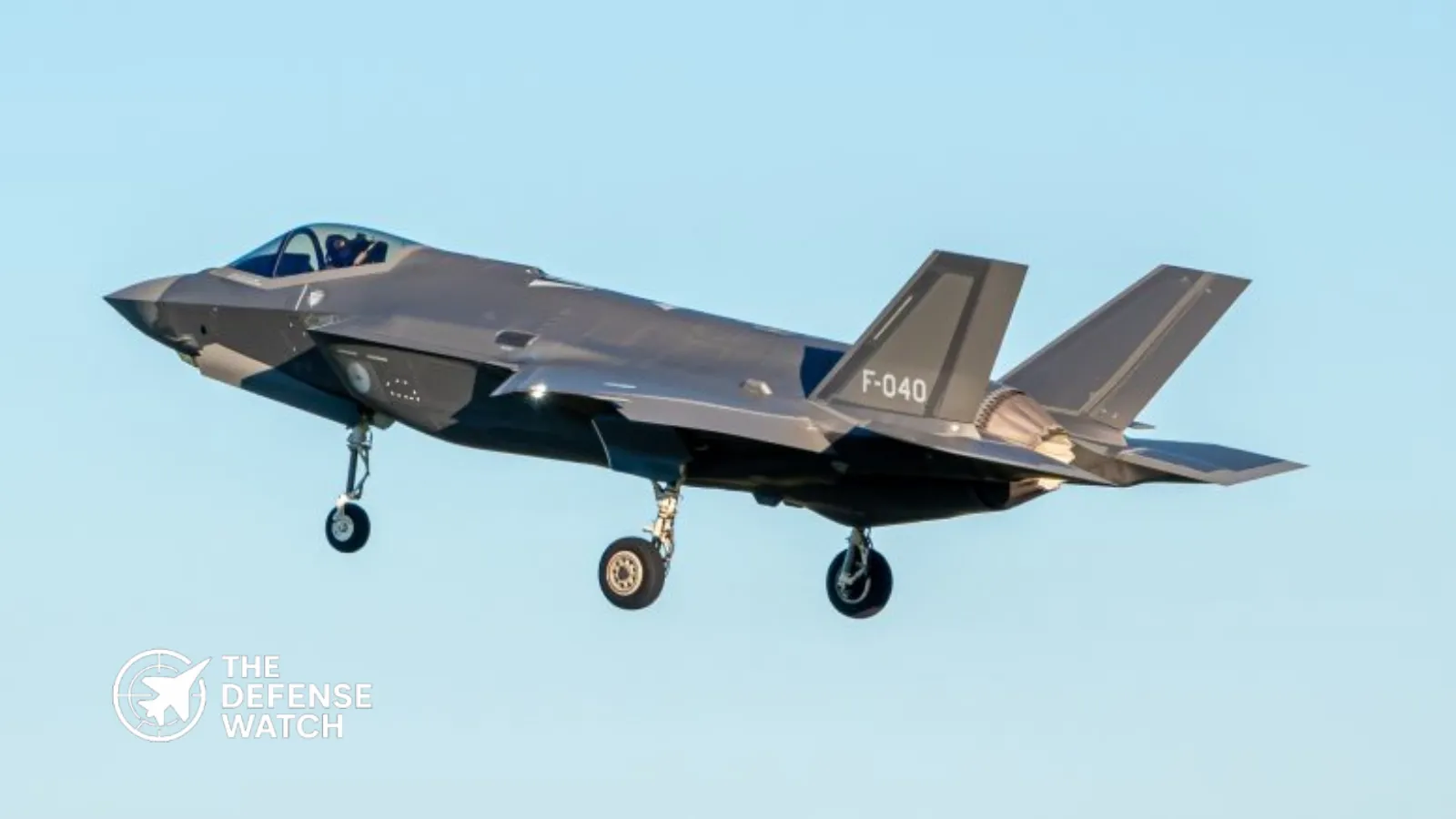
NATO allies are investing in advanced instructor training to improve combat readiness as allied air forces prepare for increasingly contested operational environments.
Executive Summary:
NATO allied air forces have completed the Dutch phase of the multinational Weapons Instructor Course at Leeuwarden Air Base, bringing together elite personnel from four nations. The program develops tactical leaders who will return to their units as instructors, strengthening NATO interoperability and collective air combat readiness.
NATO Weapons Instructor Course Strengthens Allied Air Power In The Netherlands
The NATO Weapons Instructor Course is reinforcing allied air combat capability by preparing the next generation of tactical leaders during an intensive multinational training program hosted by the Royal Netherlands Air and Space Force at Leeuwarden Air Base.
Held from July 6 to July 10, the Dutch phase of the course brought together 24 students from Belgium, Denmark, the Netherlands, and Norway. Participants included fighter pilots, intelligence officers, air battle managers, tactical airlift crews, and ground based air defense specialists, reflecting NATO’s growing emphasis on integrated multi domain operations.
Elite Tactical Instructors For NATO Operations
Unlike conventional flying courses, the Weapons Instructor Course focuses on producing highly qualified tactical instructors rather than simply certifying aircrew.
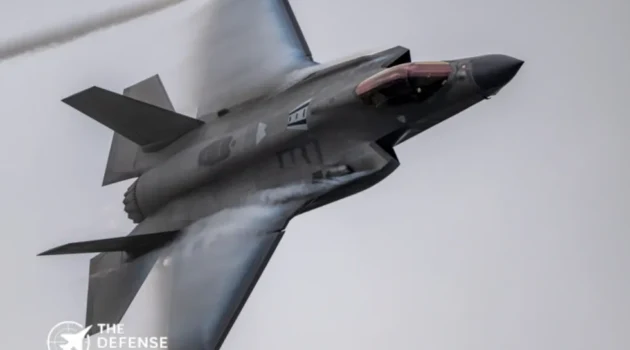
Students conducted demanding operational scenarios involving up to three flying waves each day with as many as 20 military aircraft participating simultaneously. Aircraft involved included Dutch and Danish F-35 Lightning II fighters, Finnish F/A-18 Hornets, and contracted adversary aircraft providing realistic opposing forces.
The curriculum teaches participants to plan, coordinate, and command Large Force Employment missions that combine:
- Fifth generation fighter aircraft
- Intelligence assets
- Command and control networks
- Electronic warfare capabilities
- Ground based air defense systems
Graduates return to their national air forces as weapons instructors, responsible for training future crews and improving operational tactics across their services.
Why The Training Matters
The timing of the exercise reflects NATO’s continued effort to improve interoperability as European allies modernize their air forces and expand fleets of advanced aircraft, particularly the F-35.
Rather than focusing solely on aircraft performance, the course emphasizes how multiple nations can operate as a single combat force during high intensity operations.
That objective has become increasingly important as NATO members conduct more multinational exercises and prepare for operations requiring seamless coordination between different aircraft types, command structures, and supporting capabilities.
From an operational perspective, instructor development offers a multiplier effect. Each graduate trains dozens of additional pilots and mission planners after returning home, allowing advanced tactical knowledge to spread throughout allied air forces without requiring every operator to attend multinational courses.
Leeuwarden’s Role In NATO Air Training
Leeuwarden Air Base has served as one of Europe’s premier tactical aviation training centers for decades.
Home to the Royal Netherlands Air Force Weapons School, the base has hosted advanced fighter training since the 1950s and now conducts the multinational Weapons Instructor Course every two years.
Its infrastructure allows participants to integrate live aircraft, intelligence support, electronic warfare, and realistic adversary forces into complex scenarios that closely resemble modern coalition operations.
Following completion of the Dutch phase, the course continues in Norway, further exposing students to different operational environments while reinforcing cooperation among Northern European NATO members.
Analysis: Building Combat Leadership Instead Of Just Flying Skills
One of the most significant aspects of the NATO Weapons Instructor Course is its emphasis on leadership rather than aircraft qualification.
Modern air campaigns rely on synchronized operations involving fighters, surveillance assets, electronic warfare platforms, air defense units, and command networks. Success increasingly depends on tactical decision making across multinational formations rather than the capabilities of individual aircraft.
Programs like the Weapons Instructor Course address this challenge by creating instructors capable of integrating diverse capabilities into coherent combat operations.
The multinational format also provides strategic benefits. As more NATO members introduce common platforms such as the F-35, shared tactical education helps establish standardized procedures, reducing friction during coalition deployments and improving collective deterrence.
For smaller allied air forces, multinational instructor development offers access to complex training environments that would be difficult or prohibitively expensive to replicate independently. This approach strengthens alliance readiness while making efficient use of shared resources.
Looking Ahead
As NATO continues expanding multinational air operations across Europe, advanced instructor programs are becoming an increasingly important component of alliance readiness.
The Weapons Instructor Course demonstrates how allied nations are investing not only in next generation aircraft but also in the tactical expertise required to employ those capabilities effectively. By producing instructors who can train future generations of aircrews, the program supports long term improvements in interoperability, operational leadership, and coalition combat effectiveness.