Executive Summary:
Lockheed Martin and Belgium based Sabena Engineering have expanded their long standing partnership to provide broader sustainment support for F-16 operators across Europe and future Block 70/72 customers. The agreement is intended to strengthen maintenance capacity, improve aircraft availability, and support the growing demand created by new F-16 production and ongoing fleet modernization.
Lockheed Martin Expands F-16 Sustainment Partnership Across Europe
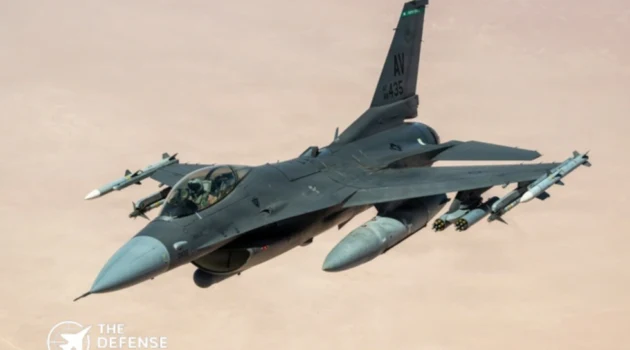
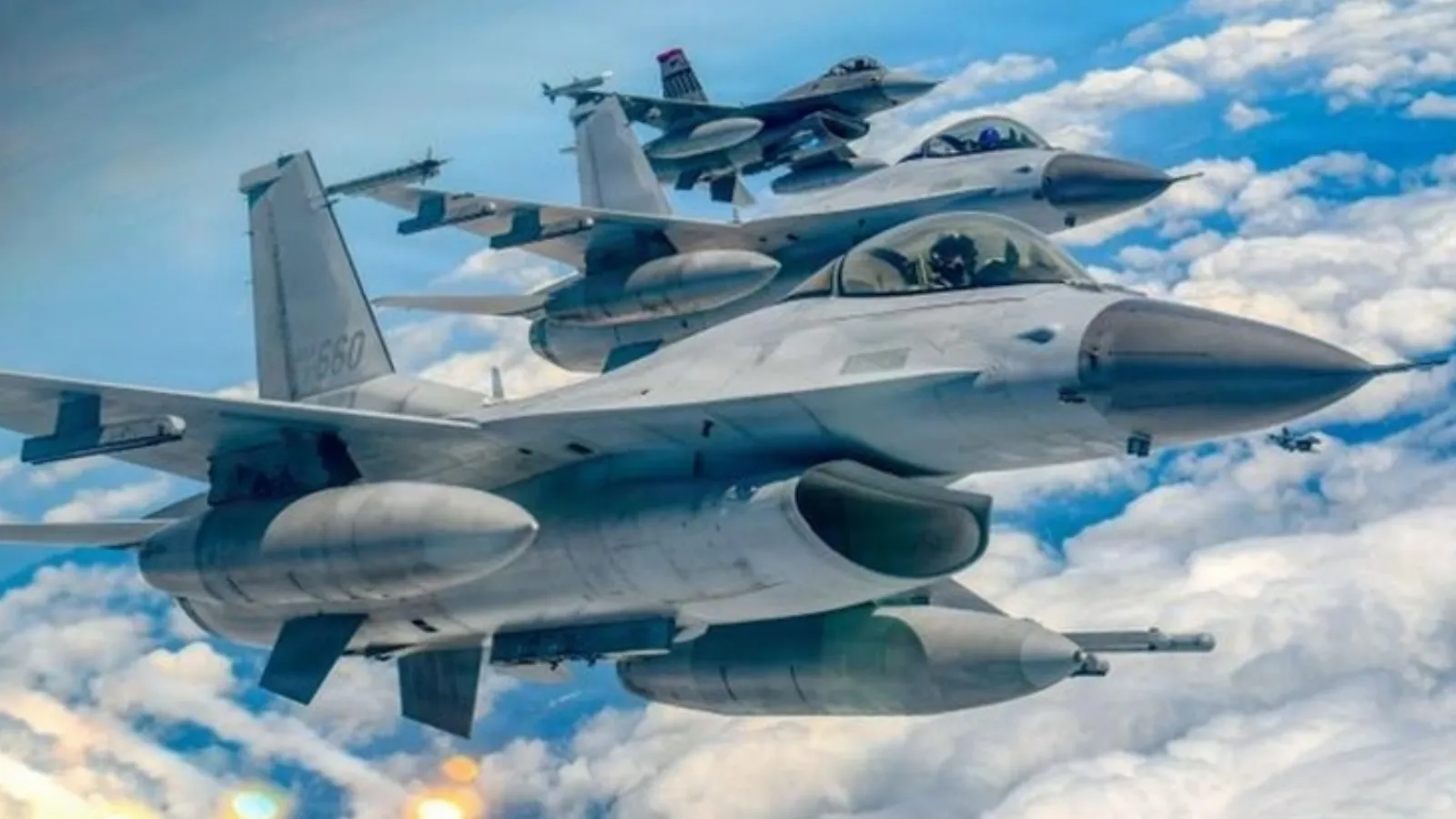
Lockheed Martin has announced an expanded partnership with Sabena Engineering to strengthen long term sustainment support for F-16 Fighting Falcon operators across Europe, including customers acquiring the latest F-16 Block 70/72 variant.
- Lockheed Martin Expands F-16 Sustainment Partnership Across Europe
- Expanded Cooperation Focuses On Long Term Fleet Readiness
- Support Extends To New F-16 Block 70/72 Customers
- Europe Remains A Key F-16 Operating Region
- Why Sustainment Has Become A Strategic Priority
- Benefits For Block 70 Production Customers
- Analysis: Sustainment Is Becoming A Competitive Advantage
- Conclusion
The announcement, made through an official company statement, reflects increasing emphasis on sustainment as European air forces continue operating upgraded legacy F-16 fleets while integrating newly built Block 70/72 aircraft. Rather than focusing solely on aircraft production, the agreement expands maintenance, repair, overhaul, engineering, and technical support capabilities throughout the aircraft’s operational life.
Expanded Cooperation Focuses On Long Term Fleet Readiness
The enhanced agreement builds upon years of cooperation between Lockheed Martin and Sabena Engineering in military aircraft maintenance.
Under the expanded partnership, Sabena Engineering will support a broader range of sustainment services for European F-16 customers. These include:
- Depot level maintenance
- Aircraft repair and overhaul
- Structural modifications
- Engineering support
- Logistics assistance
- Technical services for Block 70/72 operators
The companies aim to increase aircraft availability while reducing maintenance downtime for air forces operating the world’s most widely used fourth generation fighter.
Lockheed Martin noted that sustainment remains a critical component of the F-16 program as more international customers continue to invest in the platform.
Support Extends To New F-16 Block 70/72 Customers
The agreement also positions Sabena Engineering to support operators of the newest F-16 Block 70/72 aircraft.
The latest production variant introduces significant improvements over earlier models, including:
Capability F-16 Block 70/72 Radar AN/APG,83 AESA radar Cockpit Large Area Display Mission Computer Advanced Modular Mission Computer Structural Life Up to 12,000 flight hours Networking Modern Link 16 and advanced datalinks Survivability Enhanced electronic warfare integration These upgrades have attracted numerous international customers seeking affordable multirole fighters with modern avionics and lower operating costs than many fifth generation platforms.
Europe Remains A Key F-16 Operating Region
Although several European NATO members are transitioning toward the F,35 Lightning II, the F-16 continues serving as a frontline aircraft in multiple air forces.
Many operators have invested heavily in service life extension programs, radar upgrades, and new mission systems designed to keep the aircraft operational for decades.
At the same time, several countries have transferred older F-16 aircraft to Ukraine while ordering replacement fighters, creating additional demand for sustainment expertise as fleets undergo modernization.
The expansion of regional maintenance capacity helps reduce reliance on overseas depot facilities and supports faster turnaround for operational aircraft.
Why Sustainment Has Become A Strategic Priority
While fighter aircraft procurement often receives the most public attention, sustainment increasingly determines actual combat readiness.
Modern air forces measure capability not only by the number of aircraft they own, but by the percentage available for missions on any given day. Maintenance delays, supply chain disruptions, and shortages of qualified technicians can significantly reduce operational effectiveness.
For NATO members facing heightened security challenges, improving sustainment infrastructure has become nearly as important as purchasing new aircraft.
Regional maintenance partnerships provide several operational advantages:
- Faster repair cycles
- Improved spare parts availability
- Greater engineering expertise
- Reduced aircraft ferry time
- Enhanced operational resilience during crises
For European operators, expanding industrial capacity within the region also aligns with broader efforts to strengthen defense industrial resilience.
Benefits For Block 70 Production Customers
The agreement arrives as Lockheed Martin continues delivering new production F-16 Block 70/72 aircraft from its Greenville, South Carolina manufacturing facility.
Recent customers include:
- Bulgaria
- Slovakia
- Bahrain
- Taiwan
- Jordan
- Morocco
Additional international customers are expected to receive aircraft over the coming years.
By expanding certified maintenance capability before more aircraft enter operational service, Lockheed Martin aims to establish a mature global support network capable of sustaining fleets throughout their projected decades long service life.
Analysis: Sustainment Is Becoming A Competitive Advantage
The expanded partnership illustrates a broader trend within the global defense aviation market. Manufacturers increasingly compete not only on aircraft performance but also on lifecycle support.
For many governments, the total cost of ownership now plays a central role in procurement decisions. Aircraft that can maintain high availability through efficient maintenance networks often provide greater operational value than platforms offering only marginal performance improvements.
This approach is particularly important for the F-16 program. With more than 3,000 aircraft still operating worldwide, maintaining a reliable international sustainment network helps preserve the platform’s relevance despite the growing adoption of fifth generation fighters.
From a NATO perspective, expanding maintenance capabilities within Europe also strengthens alliance readiness. Distributed sustainment reduces logistical bottlenecks, improves resilience during high operational tempo, and enables allied air forces to return aircraft to service more quickly during extended operations.
The partnership also demonstrates how industrial cooperation has become an increasingly important element of collective defense. Rather than centralizing maintenance in a limited number of locations, allied nations are investing in regional expertise that supports both national sovereignty and alliance interoperability.
As the F-16 remains in frontline service across Europe, the Middle East, Asia, and other regions, sustainment partnerships such as this will continue shaping the aircraft’s operational effectiveness well into the 2040s.
Conclusion
The expanded partnership between Lockheed Martin and Sabena Engineering represents a significant investment in the long term sustainment of one of the world’s most successful fighter aircraft programs. By strengthening European maintenance capacity and extending support to Block 70/72 operators, the agreement enhances aircraft readiness while supporting NATO modernization objectives and the growing international F-16 customer base.