(adsbygoogle = window.adsbygoogle || []).push({});EXECUTIVE SUMMARY:
Yes — the United States bombed Iran. On June 22, 2025, U.S. Air Force B-2 Spirit stealth bombers and Navy submarine-launched Tomahawk cruise missiles struck three Iranian nuclear facilities in a unilateral operation codenamed Operation Midnight Hammer. The strikes triggered a broader conflict lasting into early 2026, which ended in a fragile ceasefire and a memorandum of understanding signed on June 19, 2026. Iran’s nuclear program has been set back by an indeterminate period, its Strait of Hormuz leverage has been tested, and formal peace negotiations remain ongoing.
Yes, the U.S. Bombed Iran — Here Is the Complete Record
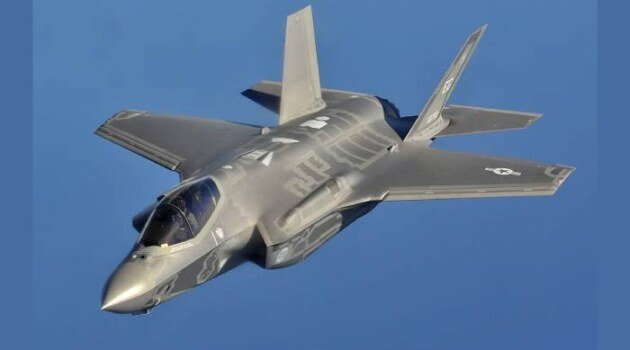
The short answer to “did the U.S. bomb Iran” is an unambiguous yes. On the night of June 21–22, 2025, the United States executed Operation Midnight Hammer, a coordinated air and sea strike against Iran’s three most critical nuclear infrastructure nodes. The operation followed 12 days of Israeli strikes under Operation Rising Lion, during which the Israeli Air Force systematically dismantled Iran’s surface air defenses, missile production sites, and senior military leadership — but lacked the ordnance to destroy deeply buried enrichment halls.
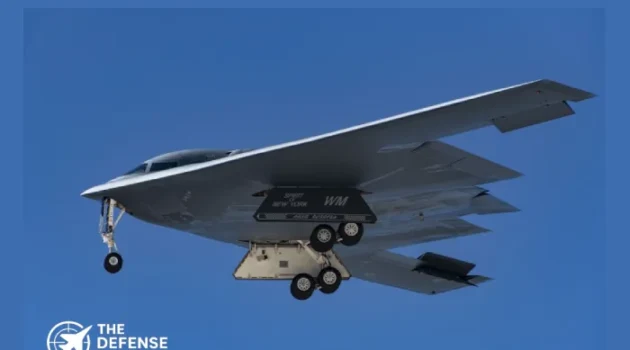
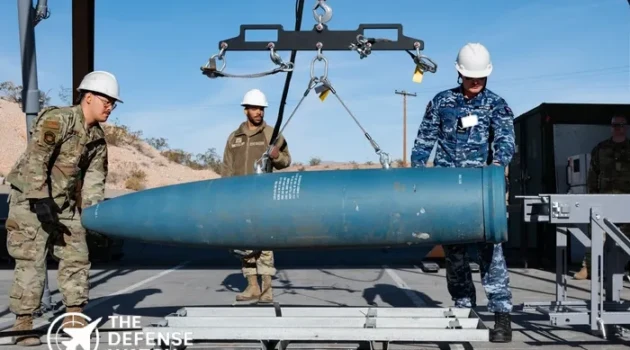
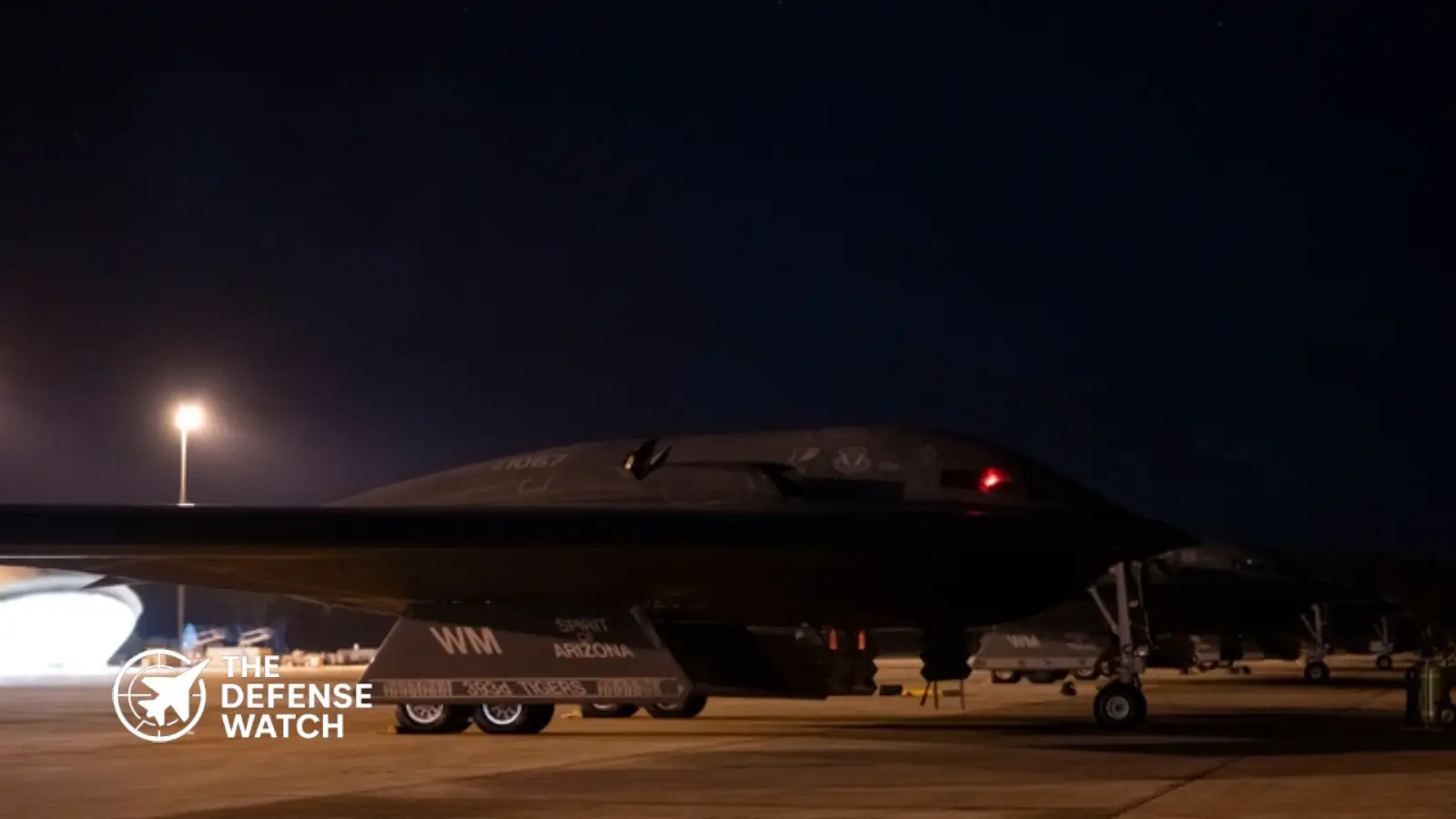
Washington provided what Jerusalem could not: the GBU-57A/B Massive Ordnance Penetrator, a 30,000-pound precision-guided bomb designed specifically to defeat hardened underground facilities. Seven B-2 Spirit stealth bombers, each carrying two of those weapons, took off from Whiteman Air Force Base, Missouri, flew a round-trip mission of approximately 6,700 miles, and released 14 MOPs against Fordow and Natanz in a 25-minute window. A guided-missile submarine simultaneously launched more than two dozen Tomahawk cruise missiles at above-ground processing infrastructure at Isfahan.
That single night fundamentally altered the trajectory of Iranian nuclear ambitions — and set off a chain of events that culminated in a broader regional war now moving toward a formal diplomatic settlement.
¦ KEY FACTS AT A GLANCE- The U.S. conducted Operation Midnight Hammer on June 22, 2025, deploying seven B-2 Spirit stealth bombers and a guided-missile submarine against three Iranian nuclear sites: Fordow, Natanz, and Isfahan.
- Fourteen GBU-57 Massive Ordnance Penetrator bunker-buster bombs were dropped in a 25-minute engagement window between 2:10 and 2:35 a.m. local time — the largest single use of that weapon in history.
- Iran retaliated the following day, firing 14 ballistic missiles at U.S. forces at Al Udeid Air Base in Qatar — causing no casualties. Full-scale conflict resumed on February 28, 2026.
- The IAEA confirmed “enormous damage” to all three sites. U.S. officials assessed Iran’s nuclear program set back by roughly two years; a leaked DIA report put the figure at only a few months.
- As of June 19, 2026, the U.S. and Iran have signed a memorandum of understanding. A 60-day negotiating window is open on nuclear stockpile disposition, sanctions relief, and the Strait of Hormuz.
The Three Targets: What the U.S. Hit and Why
Fordow Fuel Enrichment Plant
Fordow sits beneath a mountain near the holy city of Qom, with centrifuge halls estimated at 80 to 90 meters of rock and reinforced concrete overhead. Israeli F-35s and F-15s could not penetrate it. The GBU-57 MOP, with its 5,300-pound warhead and hardened penetrating casing, is the only non-nuclear weapon capable of threatening such a facility.
According to the Institute for Science and International Security, commercial satellite imagery following the strikes showed filled-in impact craters and active stabilization efforts around the Fordow perimeter — indicating structural disruption significant enough to halt enrichment operations, but not necessarily complete collapse of all underground halls. The IAEA’s Director General confirmed “a direct kinetic impact” on Fordow and stated that the vibration-sensitive nature of advanced centrifuges meant “very significant damage is expected to have occurred.”
(adsbygoogle = window.adsbygoogle || []).push({});Natanz Nuclear Facility
Natanz, Iran’s flagship uranium enrichment complex, received two MOP strikes on June 22 targeting its underground halls — following earlier Israeli strikes on above-ground power transformers and generator buildings. The combination of Israeli precision targeting of surface infrastructure and American deep-penetration munitions against underground centrifuge cascades created a layered denial effect that neither partner could have achieved independently.
U.S. officials assessed Natanz as “destroyed.” Israeli intelligence was more cautious, assessing damage as severe but the overall nuclear program as not fully eliminated.
Isfahan Nuclear Technology Center
The Isfahan complex, which handles uranium conversion rather than enrichment, presented a different challenge: its critical infrastructure was largely above ground. Tomahawk cruise missiles from a submerged U.S. Navy platform struck processing buildings at Isfahan, ending conversion activities and cutting off feed material for whatever enrichment capacity might eventually be restored at the other sites.
(adsbygoogle = window.adsbygoogle || []).push({});Iran’s Response: Escalation, Ceasefire, and the 2026 War
Iran’s immediate retaliatory strike on June 23, 2025, targeted Al Udeid Air Base in Qatar with 14 ballistic missiles. The attack caused no U.S. casualties. President Trump, in an unusual diplomatic move, publicly thanked Tehran for providing advance notification through back-channel communications — a signal that neither side initially sought full-scale conflict.
A ceasefire was announced on June 24. However, the strategic landscape deteriorated through the remainder of 2025 and into early 2026. Iran’s economy entered freefall, its currency collapsing under the weight of pre-existing sanctions, new Treasury Department designations targeting oil shipping networks, and the physical destruction of energy-adjacent infrastructure. Domestic protests, suppressed by force, further undermined regime legitimacy.
On February 28, 2026, following the failure of diplomatic talks and a U.S.-Israeli decision to resume pressure, coordinated strikes eliminated Supreme Leader Ali Khamenei. Iran responded by closing the Strait of Hormuz, triggering a global energy shock and a U.S. naval blockade beginning April 13, 2026.
Pakistan brokered a ceasefire on April 8, 2026. The blockade continued in parallel as leverage. After further escalation in May — including U.S. strikes on Iranian military sites in southern Iran and Tehran following Iranian targeting of U.S. warships — a memorandum of understanding was announced on June 14, 2026, and formally signed on June 19, 2026.
What the MOU Covers: The June 19, 2026 Deal
The June 2026 memorandum of understanding opens a 60-day negotiating window covering the core issues driving the conflict. Per reporting by NPR and the Center for Strategic and International Studies, the primary agenda items include:
Iran’s nuclear stockpile. Iran holds approximately 440.9 kilograms of uranium enriched to 60% purity — a short technical step from the 90% threshold required for weapons-grade material, per IAEA data. The disposition of this stockpile is the first and most contentious issue on the table. In an interview with The New York Times, President Trump indicated Iran may be permitted low-level enrichment under a new framework, walking back previous demands for complete dismantlement.
Sanctions relief and frozen assets. Iran is seeking access to billions of dollars in frozen overseas assets and a rollback of economic sanctions — the same incentive structure that anchored the 2015 JCPOA. The U.S. Treasury imposed additional sanctions on Iran’s military oil sales arm even as deal language was being finalized, signaling continued economic pressure as a negotiating instrument.
Strait of Hormuz. Freedom of navigation through the strait — through which roughly 20% of global seaborne oil transits — is a foundational demand. Iran used Hormuz closure as its primary economic retaliatory lever; the U.S. naval blockade was the counter-lever. Reopening must be formalized and verifiable under any durable settlement.
atOptions = { ‘key’ : ‘e7d18db8b7513fb2a224cf4c3f18bbf0’, ‘format’ : ‘iframe’, ‘height’ : 90, ‘width’ : 728, ‘params’ : {} };Analysis: What the Strikes Achieved — and What They Did Not
The U.S. bombing of Iran in June 2025 was the most consequential American military strike since the 2003 invasion of Iraq. Whether it achieved its stated objective — the destruction or severe degradation of Iran’s nuclear program — remains genuinely contested across intelligence agencies and independent technical bodies.
The divergence is significant. U.S. officials claimed the strikes set Iran’s weapons timeline back roughly two years. A leaked Defense Intelligence Agency preliminary report assessed the setback at only a few months, arguing Iran had pre-positioned much of its enriched uranium stockpile before the attacks. CIA Director John Ratcliffe subsequently disputed that assessment, claiming new intelligence revealed damage requiring years to remediate. The IAEA, occupying the most credible analytical position, stated only that the sites “suffered enormous damage” — declining to quantify rebuild timelines.
What the strikes definitively did not achieve was the permanent elimination of Iranian nuclear ambitions. Iran’s centrifuge expertise, its scientific talent pool, and its institutional knowledge of weapons design cannot be destroyed by conventional munitions. The Bulletin of the Atomic Scientists noted this directly in its post-strike assessment: any military-only approach imposes a delay, not a termination.
The strategic trade-off is equally difficult to score. The strikes triggered a regional war that inflicted genuine costs on Iran — economic collapse, the death of the Supreme Leader, and isolation from Gulf Arab states, several of which were subjected to Iranian retaliatory missile barrages. But those same strikes also foreclosed the possibility of a negotiated resolution to the nuclear file at a moment when indirect talks had already been underway.
What Washington ultimately purchased was time — measured in months or years depending on which intelligence assessment one credits — at the cost of a regional conflict, a global energy disruption, and a diplomatic process that now must resolve, under ceasefire conditions, the same nuclear file the bombs failed to permanently close.
The Road Ahead: 60 Days That Define the Outcome
The June 19, 2026 MOU sets the clock for a 60-day negotiating sprint. CSIS analysts note that the technical complexity of Iran’s nuclear file — the last successful comprehensive agreement took two years to negotiate, even under favorable conditions — makes a durable deal within that window extremely difficult.
Tehran has signaled it will resist full dismantlement demands and will attempt to play for time, calculating that President Trump faces political constraints in resuming military operations ahead of November midterm elections. Washington’s continued imposition of Treasury sanctions alongside deal discussions suggests the administration intends to maintain maximum economic pressure even while negotiating — a strategy with precedent but significant risks of collapse.
The Strait of Hormuz remains the most immediate variable. Any breakdown in talks that returns Iran to Hormuz closure tactics would trigger another oil price shock and potentially another round of military confrontation. That mutual deterrence is currently the strongest argument for the deal’s durability.
FAQs
{ “@context”: “https://schema.org”, “@type”: “ClaimReview”, “url”: “https://thedefensewatch.com/middle-east-defense-security/did-us-bomb-iran-operation-midnight-hammer-2026/”, “claimReviewed”: “The United States military bombed Iran under a classified mission named Operation Midnight Hammer.”, “itemReviewed”: { “@type”: “Claim”, “author”: { “@type”: “Organization”, “name”: “Social Media Rumors (TikTok & X)” }, “datePublished”: “2026-06-17” }, “reviewRating”: { “@type”: “Rating”, “ratingValue”: “1”, “bestRating”: “5”, “worstRating”: “1”, “alternateName”: “False / Unverified Social Media Rumor” }, “author”: { “@type”: “NewsMediaOrganization”, “name”: “The Defense Watch”, “url”: “https://thedefensewatch.com/” } }When exactly did the U.S. bomb Iran?The primary U.S. strike, Operation Midnight Hammer, occurred on June 22, 2025. Additional U.S. strikes on Iranian military targets were conducted on May 7, 2026, during the 2026 Iran war.
What weapons did the U.S. use to bomb Iran?Seven B-2 Spirit stealth bombers dropped 14 GBU-57 Massive Ordnance Penetrator bunker-buster bombs against Fordow and Natanz. A U.S. Navy guided-missile submarine launched more than two dozen Tomahawk cruise missiles against Isfahan. The operation involved over 125 aircraft in total.
Did the U.S. destroy Iran’s nuclear program?Significant damage was confirmed at all three targeted facilities. U.S. officials assessed a two-year setback; a leaked DIA report suggested only a few months; the IAEA confirmed “enormous damage.” Iran’s scientific expertise and enrichment knowledge cannot be destroyed by conventional munitions, making a permanent elimination impossible through military means alone.
Is the U.S. still at war with Iran?As of June 19, 2026, a ceasefire is in place and a memorandum of understanding has been signed. A 60-day window of formal negotiations is open. The conflict has not formally ended, and the U.S. continues to impose economic sanctions on Iran in parallel with diplomatic engagement.
What is the current status of Iran’s nuclear stockpile?Per IAEA reporting, Iran holds approximately 440.9 kilograms of uranium enriched to 60% purity. The disposition of this stockpile is the primary issue under negotiation in the June 2026 MOU framework.
Did Iran retaliate for the U.S. bombing?Yes. Iran launched 14 ballistic missiles at Al Udeid Air Base in Qatar on June 23, 2025, causing no casualties. Iran subsequently closed the Strait of Hormuz, launched strikes on U.S. forces and regional allies across the Gulf, and targeted U.S. warships, triggering the broader 2026 Iran war.