

Executive Summary:
Space-Eyes has agreed to merge with a special purpose acquisition company in a transaction valuing the defense technology firm at approximately $638 million. The move provides fresh capital to expand AI powered counter drone and geospatial intelligence capabilities as governments increase investment in modern defense technologies.
Space-Eyes SPAC Deal Signals Growing Interest In AI Defense Technology
The Space-Eyes SPAC deal marks another example of investor interest shifting toward emerging defense technology companies focused on artificial intelligence, counter unmanned aircraft systems, and geospatial intelligence.
Miami based Space-Eyes has agreed to merge with McKinley Acquisition Corp. in a transaction valuing the company at approximately $638 million. The combined company is expected to trade on the Nasdaq under the ticker CUAS, with the transaction anticipated to close during the fourth quarter of 2026, subject to shareholder and regulatory approvals.
The agreement could generate up to $251.7 million in gross proceeds, capital that the company intends to use to transition from research and development toward commercial production and business expansion.
Focus On Counter Drone And Geospatial Intelligence
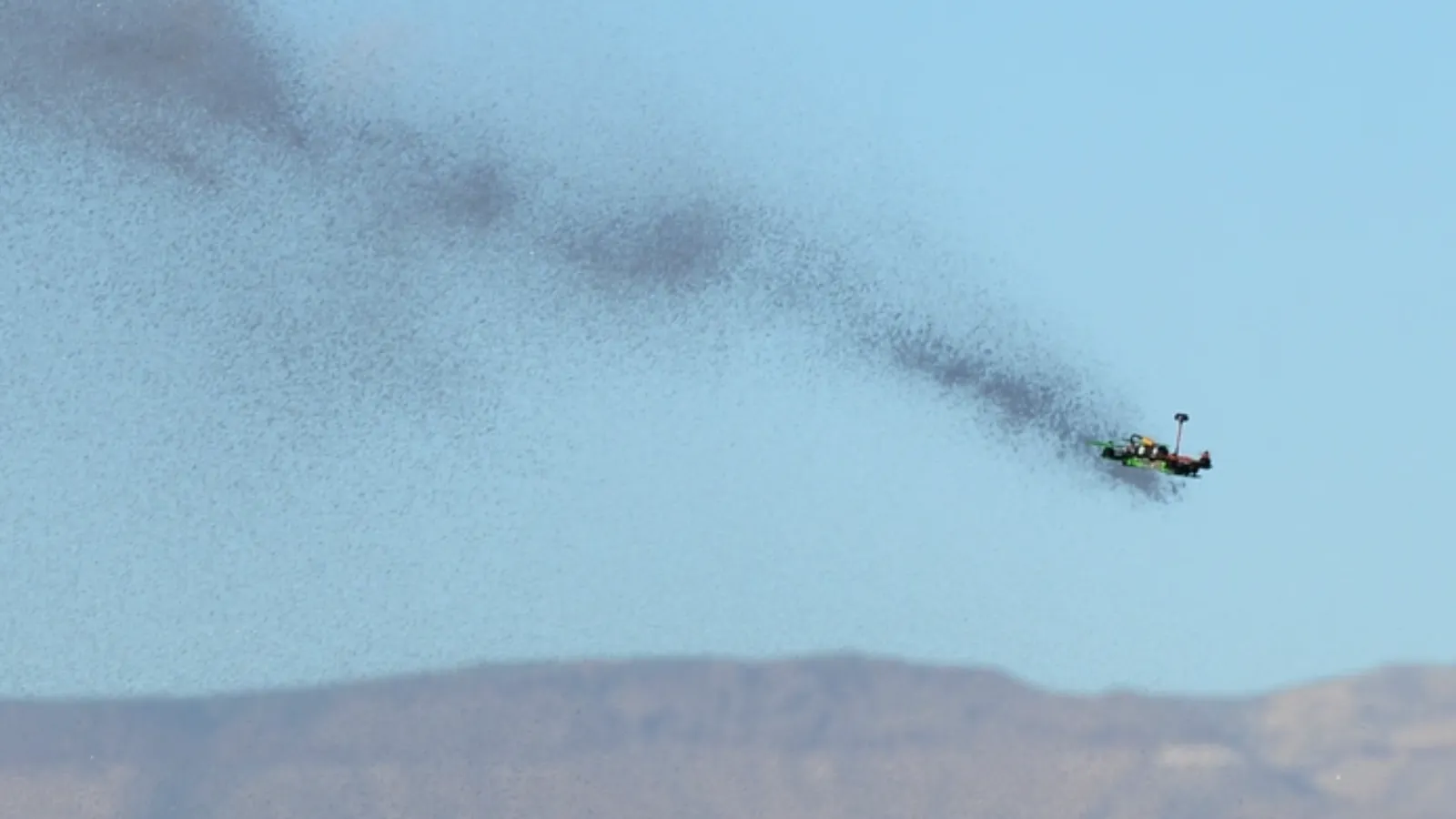
Space-Eyes develops artificial intelligence driven software and systems designed to detect, monitor, and respond to drone activity while providing geospatial intelligence for defense, homeland security, and commercial users.
The company says its strategy combines AI based analytics with surveillance technologies to improve situational awareness across military and critical infrastructure environments. These capabilities are increasingly relevant as governments worldwide invest in countering the growing use of small unmanned aerial systems on modern battlefields and around sensitive facilities.
Rather than manufacturing large hardware platforms internally, Space-Eyes plans to rely on third party manufacturing partners while concentrating on software development, AI algorithms, and system integration.
Eric Trump’s Role
Reuters reported that Eric Trump recently became the company’s third largest private investor and is expected to serve as a strategic adviser after the merger closes.
According to the report, his advisory responsibilities are expected to include assisting with board recruitment and providing analysis on global security threats. Reuters also noted that Space-Eyes currently generates roughly $1 million in annual revenue, reflecting its transition from an R&D focused company toward commercial operations.
Commercial Expansion Plans
Company executives say the new funding will support expansion into government and commercial markets.
Reuters reported that Space-Eyes is pursuing several potential contracts, including opportunities involving surveillance of Caribbean drug trafficking routes and drone detection systems for correctional facilities. Some negotiations reportedly involve agreements valued at approximately $35 million over five years, although those contracts have not yet been finalized.
The company believes demand for AI enabled surveillance, persistent monitoring, and counter drone technologies will continue to expand as governments modernize homeland security and military capabilities.
Why The Deal Matters
The Space-Eyes SPAC deal reflects a broader trend across the defense sector. Traditional defense primes remain dominant in major weapons programs, but venture backed companies specializing in artificial intelligence, autonomy, data analytics, and counter drone systems are attracting increasing investor attention.
Modern conflicts have demonstrated that inexpensive drones can threaten military bases, logistics hubs, ships, and critical infrastructure. As a result, governments are seeking layered defenses that combine sensors, AI powered identification, electronic warfare, and rapid response systems.
Space-Eyes is positioning itself within this rapidly expanding segment rather than competing directly with established manufacturers of aircraft or missile systems.
Another notable aspect of the transaction is its use of a special purpose acquisition company. While SPAC activity slowed after its peak several years ago, defense technology firms with specialized capabilities continue to view the structure as an alternative path to accessing public capital for research, hiring, and commercial growth.
Although the company remains relatively small compared with established defense contractors, its emphasis on AI driven counter drone technology aligns with one of the fastest growing priorities across defense procurement programs in North America and allied nations.
Outlook
If completed as planned, the merger will provide Space-Eyes with additional capital to expand operations, pursue government contracts, and accelerate commercialization of its AI powered defense technologies.
The transaction also illustrates continued investor confidence in companies developing technologies for counter unmanned aircraft systems, geospatial intelligence, and AI enabled defense applications, sectors expected to remain strategic priorities as military organizations adapt to evolving security threats.
