

A fragile U.S.-Iran ceasefire framework has shifted attention from active conflict to the long-term question of Iran’s nuclear program and regional security.
Executive Summary:
The Trump administration says Iran has agreed to major nuclear restrictions as part of a ceasefire framework intended to end months of conflict and reopen the Strait of Hormuz.
President Donald Trump warned that any future Iranian attempt to acquire nuclear weapons would trigger a severe U.S. response, underscoring Washington’s focus on preventing a nuclear-armed Iran.
Trump Warns Iran Over Nuclear Weapons
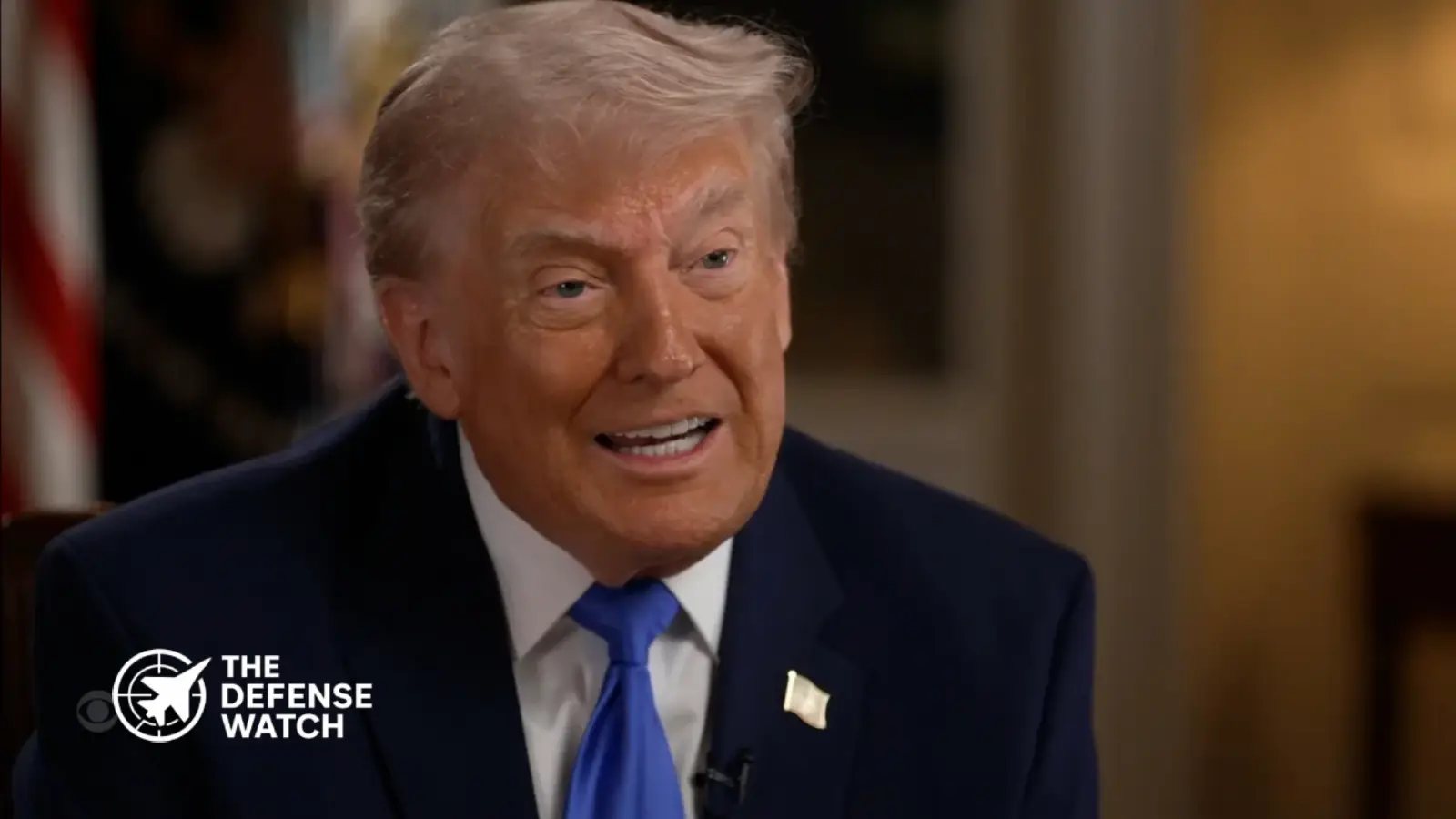
President Donald Trump’s Iran nuclear warning dominated discussions surrounding a newly announced ceasefire framework between Washington and Tehran, with the U.S. president declaring that Iran would face overwhelming consequences if it pursued nuclear weapons.
Speaking on the sidelines of the G7 summit in the French Alps, Trump emphasized that preventing Iran from acquiring a nuclear weapon remains the administration’s primary objective.
“The only thing that really matters to me is Iran will never have a nuclear weapon,” Trump told reporters before a bilateral meeting with Qatar’s Emir Sheikh Tamim bin Hamad Al Thani.
He added that if Iran were to acquire a nuclear weapon, “all hell will rain down on them.
The remarks came as the White House defended a preliminary agreement that administration officials say could formally end a three-and-a-half-month conflict and restore stability to critical maritime trade routes in the Middle East.
Ceasefire Memorandum Signed Electronically
According to Vice President JD Vance, the United States and Iran electronically signed a 14-point memorandum of understanding on Sunday.
While the full text has not yet been released publicly, senior U.S. officials stated that the document is expected to be published within days ahead of a planned formal signing ceremony in Geneva.
The agreement reportedly establishes an immediate and permanent cessation of military operations, including activities linked to regional fronts such as Lebanon.
A key provision also focuses on restoring maritime traffic through the Strait of Hormuz, one of the world’s most strategically important waterways. Roughly one-fifth of global oil shipments transit the narrow passage, making uninterrupted access a major concern for energy markets and naval planners.
Pakistan Prime Minister Shehbaz Sharif, who helped facilitate negotiations, described the arrangement as a foundation for lasting peace.
Nuclear Restrictions Form Core Of Agreement
The Trump administration has framed the deal primarily as a non-proliferation achievement.
According to Vance, Iran has agreed to:
- Relinquish its stockpile of enriched uranium
- Permit routine inspections of nuclear facilities
- Refrain from developing nuclear weapons
- Accept verification measures tied to future economic incentives
The administration further stated that compliance could unlock access to a reconstruction fund reportedly valued at approximately $300 billion and backed by Gulf partners.
However, several implementation details remain unresolved.
Officials from Washington and Tehran reportedly differ on the future status of the Strait of Hormuz, including whether shipping access will remain permanently unrestricted or be guaranteed only during a transitional negotiation period.
Strategic Importance Of The Strait Of Hormuz
The reopening of the Strait of Hormuz represents one of the most consequential elements of the framework from a defense and economic perspective.
The waterway serves as a critical artery connecting Gulf energy producers with global markets. Any disruption directly affects commercial shipping, energy prices, naval deployments, and broader regional stability.
For the United States and its allies, freedom of navigation through Hormuz has long been a strategic priority. The U.S. Navy maintains a sustained presence in the region largely to ensure maritime security and deter disruptions to international trade.
From a military standpoint, reopening the strait reduces immediate risks of naval confrontation while allowing regional states to focus resources on reconstruction and economic recovery rather than crisis management.
Analysis: Nuclear Verification Will Determine Success
While headlines have focused on Trump’s Iran nuclear warning, the long-term significance of the agreement will likely depend on verification mechanisms rather than political statements.
Historically, disputes involving Iran’s nuclear program have centered on inspection access, uranium enrichment limits, monitoring procedures, and enforcement mechanisms. Any durable settlement will require extensive verification infrastructure capable of providing confidence to both regional partners and the international community.
The framework’s reported requirement for routine inspections suggests Washington is seeking a more transparent monitoring regime than previous arrangements. Whether those provisions satisfy U.S. allies and Gulf partners remains to be seen once the full memorandum becomes public.
The agreement also reflects a broader strategic reality. After months of conflict that threatened maritime commerce and regional stability, both sides appear to have concluded that continued escalation carried significant military and economic risks.
For the United States, preventing nuclear proliferation while preserving freedom of navigation remains the central objective. For Iran, economic reconstruction and sanctions-related relief may provide incentives to maintain compliance if implementation proceeds as described.
What Comes Next
Attention now turns to the publication of the memorandum and the planned signing ceremony in Geneva.
Defense analysts, regional governments, and international monitoring organizations will closely examine the agreement’s verification provisions, enforcement mechanisms, and maritime security commitments.
Until those details are released, Trump’s Iran nuclear warning serves as the clearest indication that Washington intends to enforce strict limits on Iran’s nuclear activities while pursuing a broader stabilization effort across the Gulf region.
